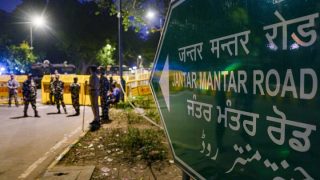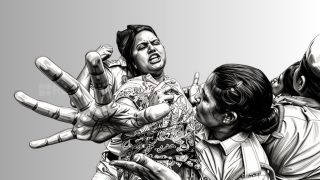


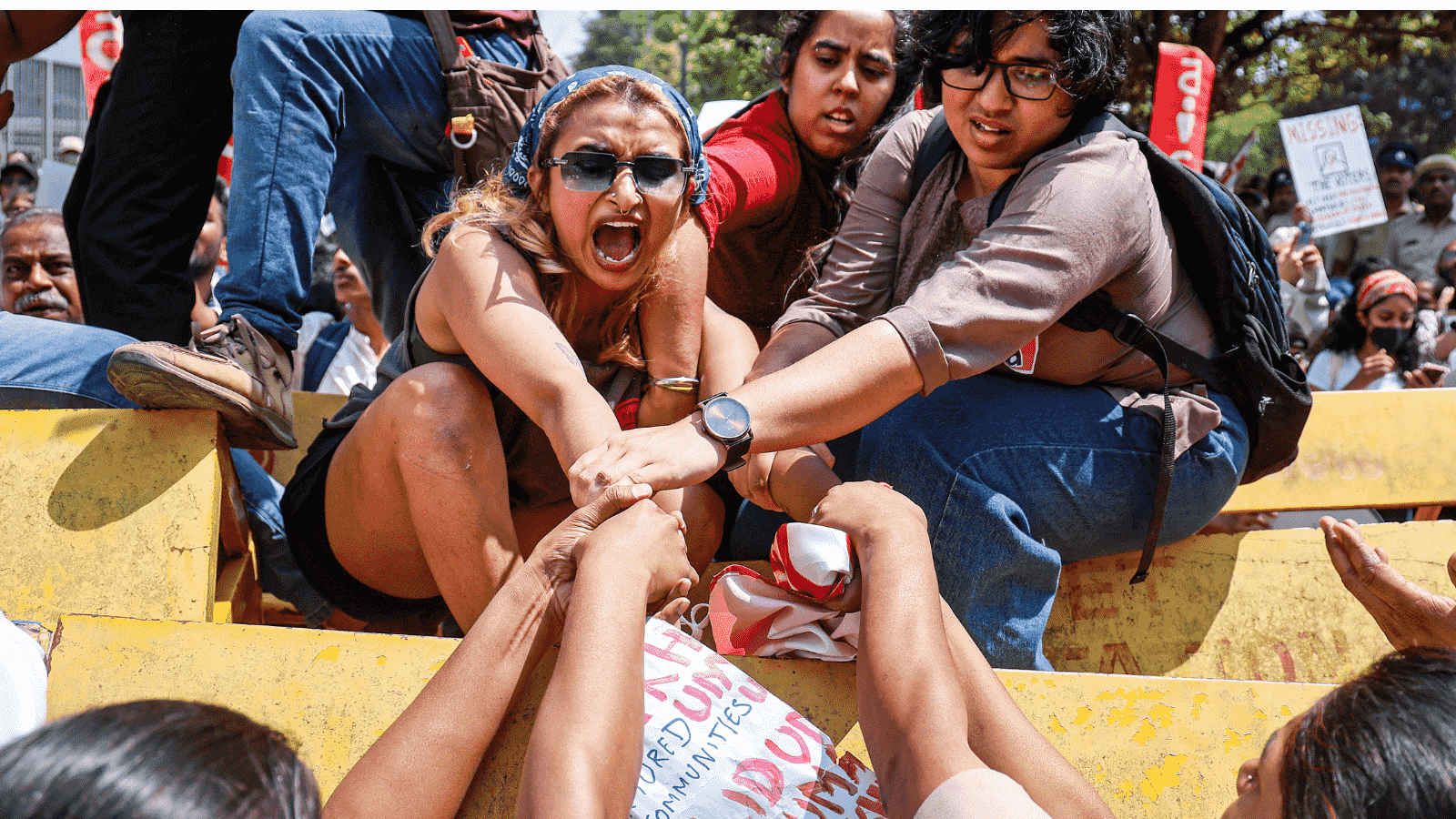


The police crackdown on protests demanding the resignation of Chief Election Commissioner (CEC) Gyanesh Kumar was not confined to New Delhi. On October 10, as the Delhi Police detained activists and leaders of the Cockroach Janta Party (CJP) ahead of a planned demonstration at Jantar Mantar, protesters in Bengaluru and Chennai were also detained during demonstrations against the Election Commission’s Special Intensive Revision (SIR) of electoral rolls.
In Bengaluru, police detained students who attempted to march from Freedom Park towards the office of the Karnataka Chief Electoral Officer. In Chennai, police detained demonstrators who had gathered at Besant Nagar’s Elliot’s Beach, while members of student and youth organisations marching towards the Tamil Nadu Secretariat were also taken into custody.
The detentions in Karnataka, governed by the Congress, and Tamil Nadu, governed by the Tamilaga Vettri Kazhagam (TVK), have brought the response of state governments outside BJP rule into focus. The incidents have also drawn criticism from activists who argue that restrictions on dissent cannot be justified by the political affiliations of the parties in power.
Bengaluru: Students detained at designated protest site
On October 10, members of the All India Students’ Association (AISA) gathered at Freedom Park in Bengaluru to protest against the SIR exercise and demand Kumar’s resignation.
According to The Hindu, at least 50 AISA students were detained by the Bengaluru police. The students said they had been protesting peacefully within Freedom Park, a designated protest venue, when the police took them away in buses.
The protesters had planned to march to the office of the Karnataka Chief Electoral Officer, located a short distance from the park. They wanted the Election Commission to withdraw the SIR exercise and address concerns over the revision of electoral rolls.
The police, however, said the students were detained for allegedly attempting to move beyond the designated protest site towards the electoral officer’s office.
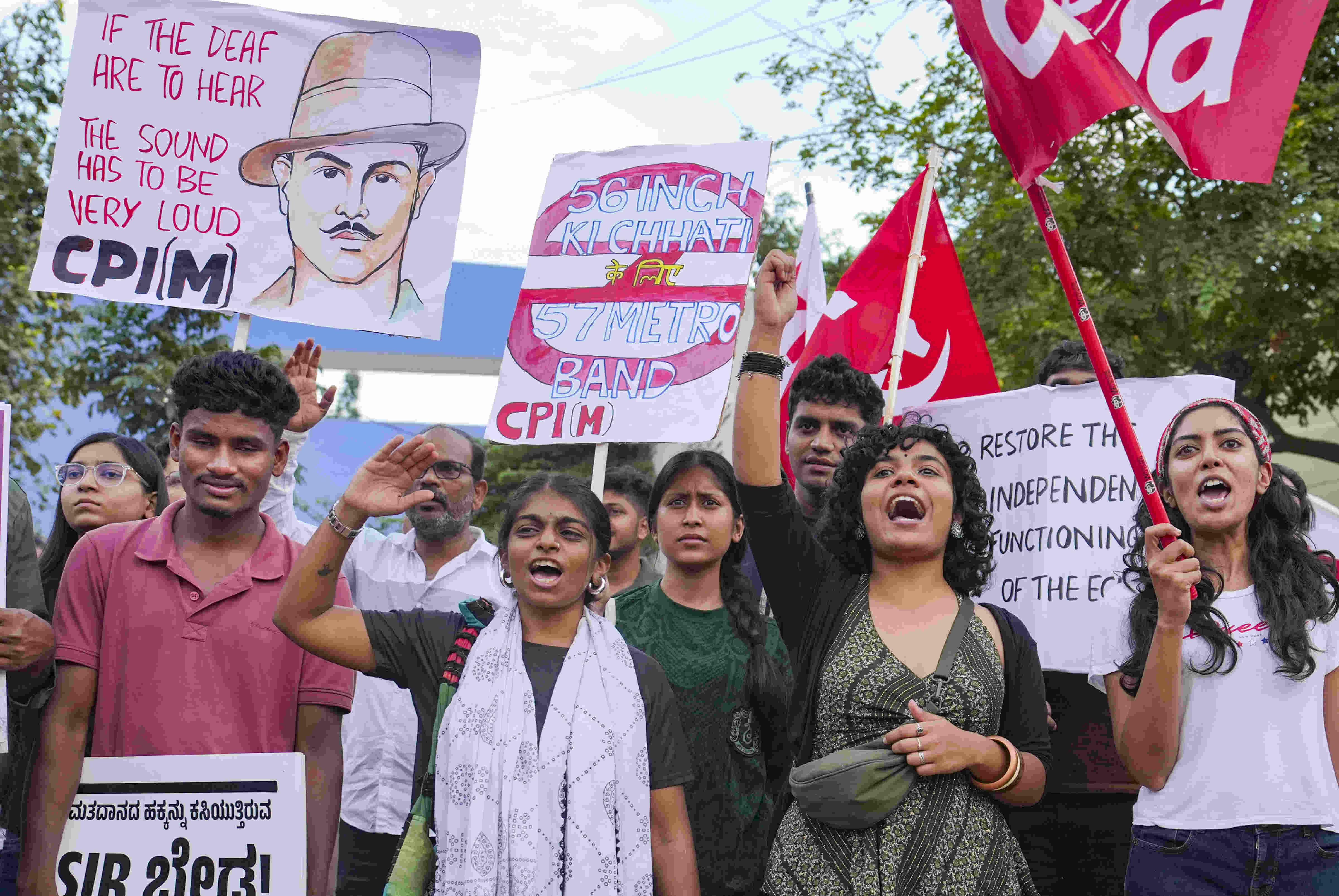
AISA members disputed the police’s account, saying that barricades had been erected at both ends of the park and that the protesters had been detained before they could begin their march. They also said they struggled to establish contact with those taken away, as the protesters were transported in different buses.
Aditi S, one of the students detained and later released, told The Times of India that she sustained injuries during the incident. She alleged that police personnel had forcibly pulled protesters by their legs.
The detentions drew particular criticism because the Congress, which governs Karnataka, has opposed the SIR exercise at the national level. Student activists questioned why a government that criticised the Election Commission’s actions and defended democratic rights in opposition was restricting demonstrations against the same exercise in the state.
The police, meanwhile, maintained that the detentions were prompted by the attempt to march beyond the designated protest venue.
The following day, hundreds of students and citizens gathered at Freedom Park for another demonstration against the SIR exercise and the detention of activists. This particular gathering was organised by the Karnataka state committee of CJP. No detentions were reported at the Sunday demonstration.
Also Read:
Chennai: Over 150 detained during demonstrations
In Chennai, the police detained more than 30 people who gathered at Elliot’s Beach in Besant Nagar on the morning of October 10 to protest against Kumar and express solidarity with CJP’s proposed demonstration in Delhi.
The protesters raised slogans against the Union government and the Election Commission, demanding the CEC’s resignation over the SIR exercise. They were taken to a community centre in Thiruvalluvar Nagar, near Besant Nagar.
As per reports, police told the protesters that demonstrations were not permitted near the beach and asked them to seek permission for another date. The protesters continued their demonstration and were forcibly detained.
Radhika Ganesh, who led the gathering, said the protest was part of the “Delhi Chalo” campaign and that the agitation would continue until Kumar resigned.
Dilip Srinivasan, a civil rights activist who participated in the demonstration, told The News Minute that the police had initially attempted to negotiate with the protesters and asked them to disperse. He alleged that the protesters wanted written confirmation of permission before agreeing to leave, but were subsequently dragged away and taken in private vehicles.
Srinivasan also alleged that women and students were mishandled during the detentions. He said a badminton player, Sandeep George, who was recording the incident but was not part of the protest, was also detained. According to Srinivasan, George was released only after providing an undertaking that he would not participate in future demonstrations, causing him to miss a badminton tournament.
The police's account of the permission issue differed from the protesters' version. The New Indian Express reported that police said the protesters had neither obtained permission nor submitted a petition seeking approval, while the protesters claimed permission had been denied at the designated venue.
The action in Chennai did not end with the detentions at Besant Nagar. More than 150 people were detained during four separate demonstrations in the city on October 10. These included a protest by the Students’ Federation of India (SFI) on Sivananda Salai, where a scuffle broke out and one SFI member sustained a head injury and was taken to a government hospital. The Communist Party of India (Marxist) held a demonstration near R R Stadium, while the All India United Students’ Federation staged a protest on Anna Salai.
Those detained were released later that evening, and police registered FIRs in connection with the demonstrations, the newspaper reported.
DMK president and former Tamil Nadu Chief Minister MK Stalin condemned the detentions and accused the TVK government of acting as an extension of the BJP. Stalin demanded an end to what he described as an assault on young people exercising their democratic right to protest.
Delhi crackdown and protests across states
The detentions in Bengaluru and Chennai took place amid a wider police crackdown in Delhi on October 10, when CJP had called for a demonstration at Jantar Mantar demanding Kumar’s resignation.
CJP founder Abhijeet Dipke and co-conveners Ashutosh Ranka and Saurav Das were detained after their flight from Mumbai landed in Delhi. Police said they had been placed under preventive arrest under Sections 126 and 170 of the Bharatiya Nagarik Suraksha Sanhita (BNSS). They were subsequently produced before an executive magistrate and released on October 11, subject to conditions relating to maintaining peace.
The Delhi Police said the leaders had been detained ahead of the planned demonstration because the protest did not have the required permission. CJP, however, said it would continue its agitation until its demand for Kumar’s resignation was met.
The organisation’s protests stem from allegations of irregularities in electoral rolls and opposition to the SIR exercise. The Election Commission has faced criticism from opposition parties and civil society groups over the process, particularly concerns about the potential exclusion of eligible voters. Such allegations need to be distinguished from established findings of wrongdoing.
The detentions across the three cities have exposed a tension between the political positions taken by parties in opposition to the BJP at the Centre and the actions of police forces under different state governments.
In Karnataka, the Congress has criticised the SIR exercise while police detained students attempting to march towards the state’s electoral office. In Tamil Nadu, the TVK government faced criticism from the DMK after police detained demonstrators opposing the CEC.
The incidents do not establish that the circumstances or legal grounds for every detention were identical. They do, however, raise questions about how governments that oppose the Union government’s position on electoral issues respond to demonstrations against the Election Commission within their own jurisdictions.
For the protesters, the demand was directed at the country’s chief election official and the conduct of the electoral-roll revision process. But the police action in Delhi, Bengaluru and Chennai has brought another question to the fore: whether the space available for peaceful dissent changes when the same political issue is raised in states governed by different parties.