



New Delhi: Protesting in Delhi's Ramlila Maidan is set to become a costly affair. One of the three new demonstration sites in Delhi, the site offers no free dates for the next two and a half months and even then, the booking amount can soar to upwards of Rs 1 lakh.
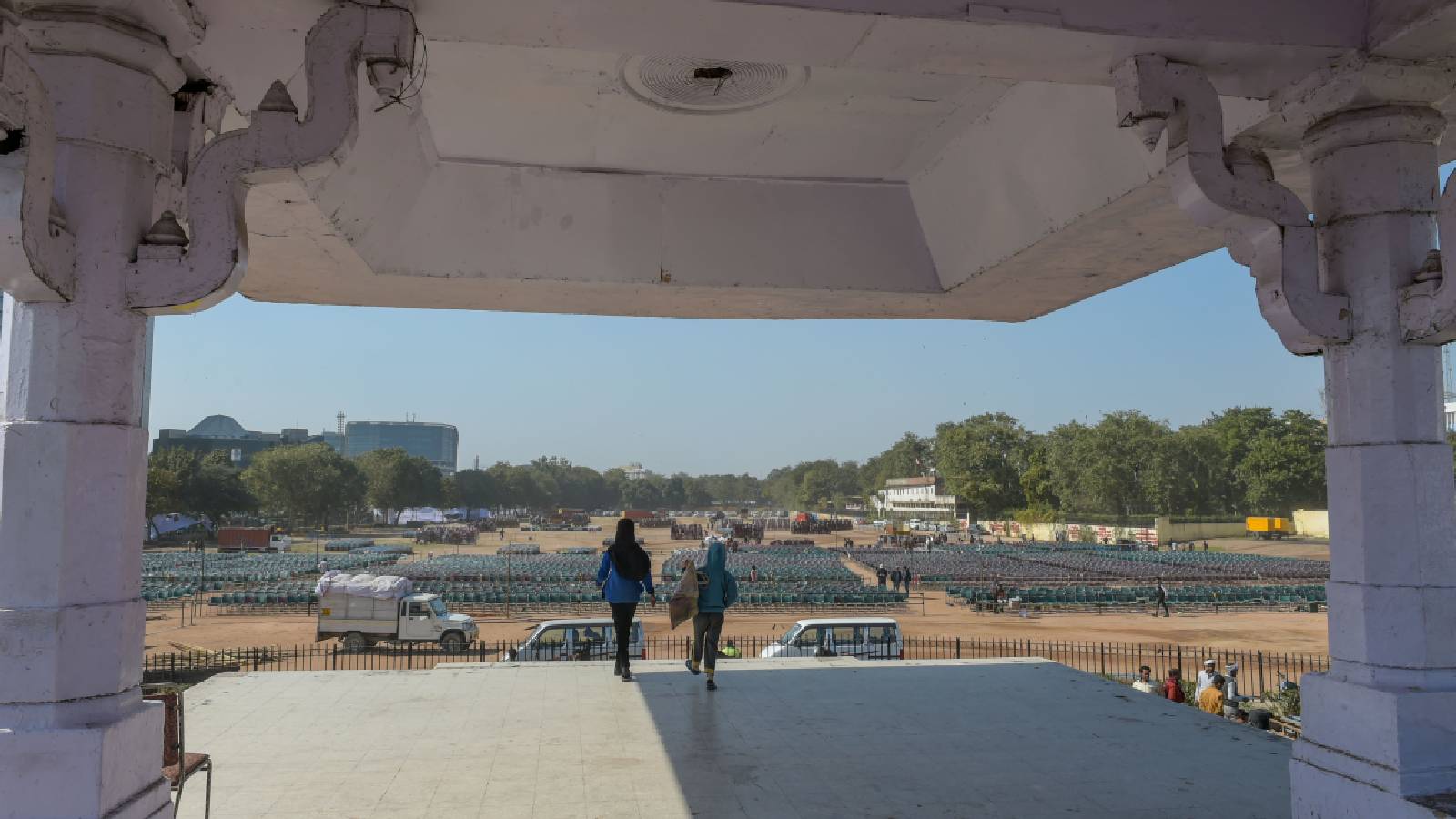
Officials in the know said the 12-acre ground, which can accommodate 50,000 people, can now be booked only for December 29, 30 and 31 this year.
"The booking rate for the ground is Rs 50,000 per day, plus a Rs 55,000 security deposit that is refundable. The initial outlay including taxes comes to Rs 1.21 lakh for a day's booking," an official said.
Civic officials clarified that a small portion of the ground is free for protests and gatherings, but it has a capacity of only 150 people.
The ground is booked through the Municipal Corporation of Delhi's horticulture department, which grants the permission. A No-Objection Certificate (NOC) from Delhi Police is mandatory before the civic body clears an application.
The Delhi Police order denotifying Jantar Mantar
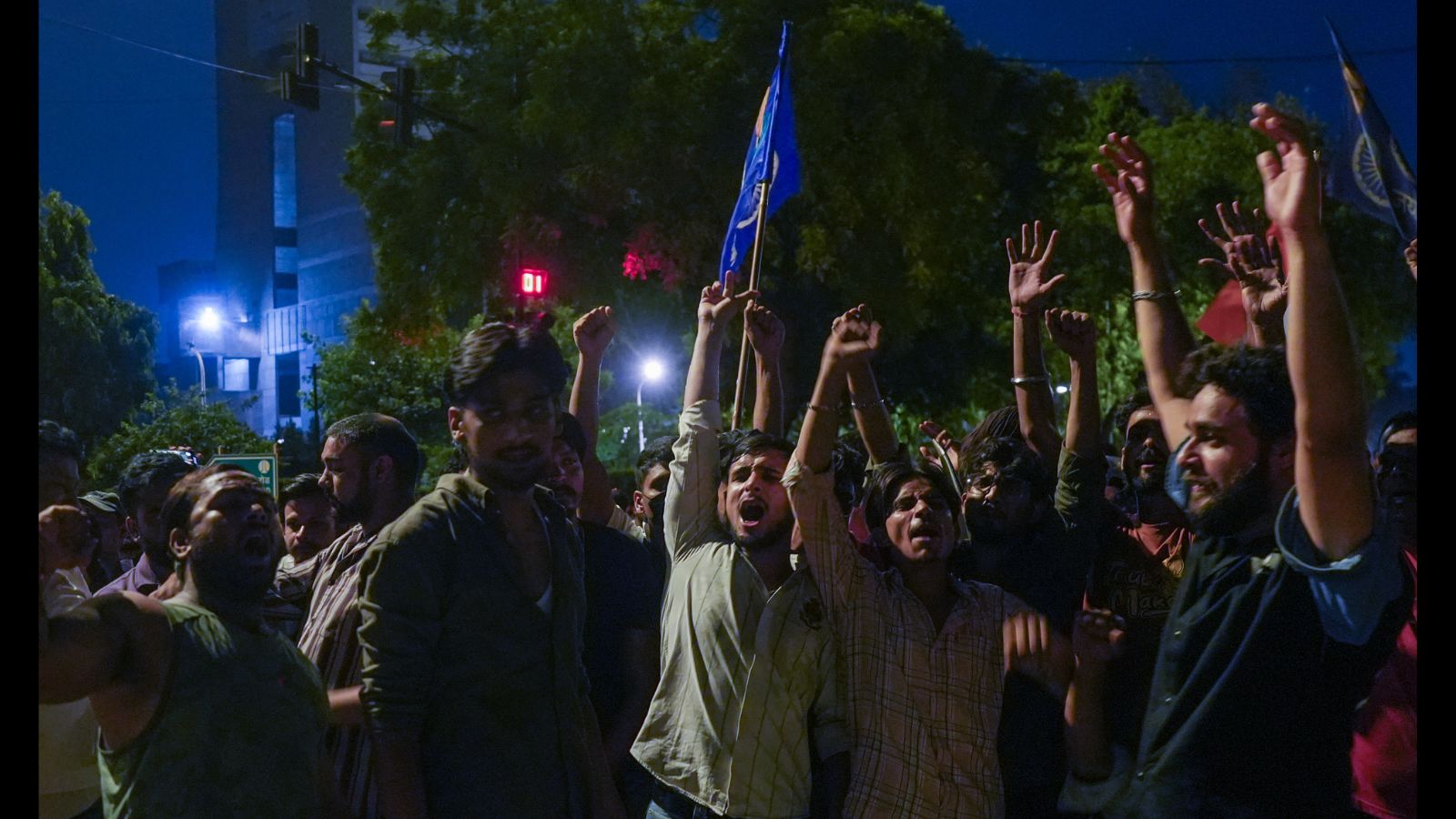
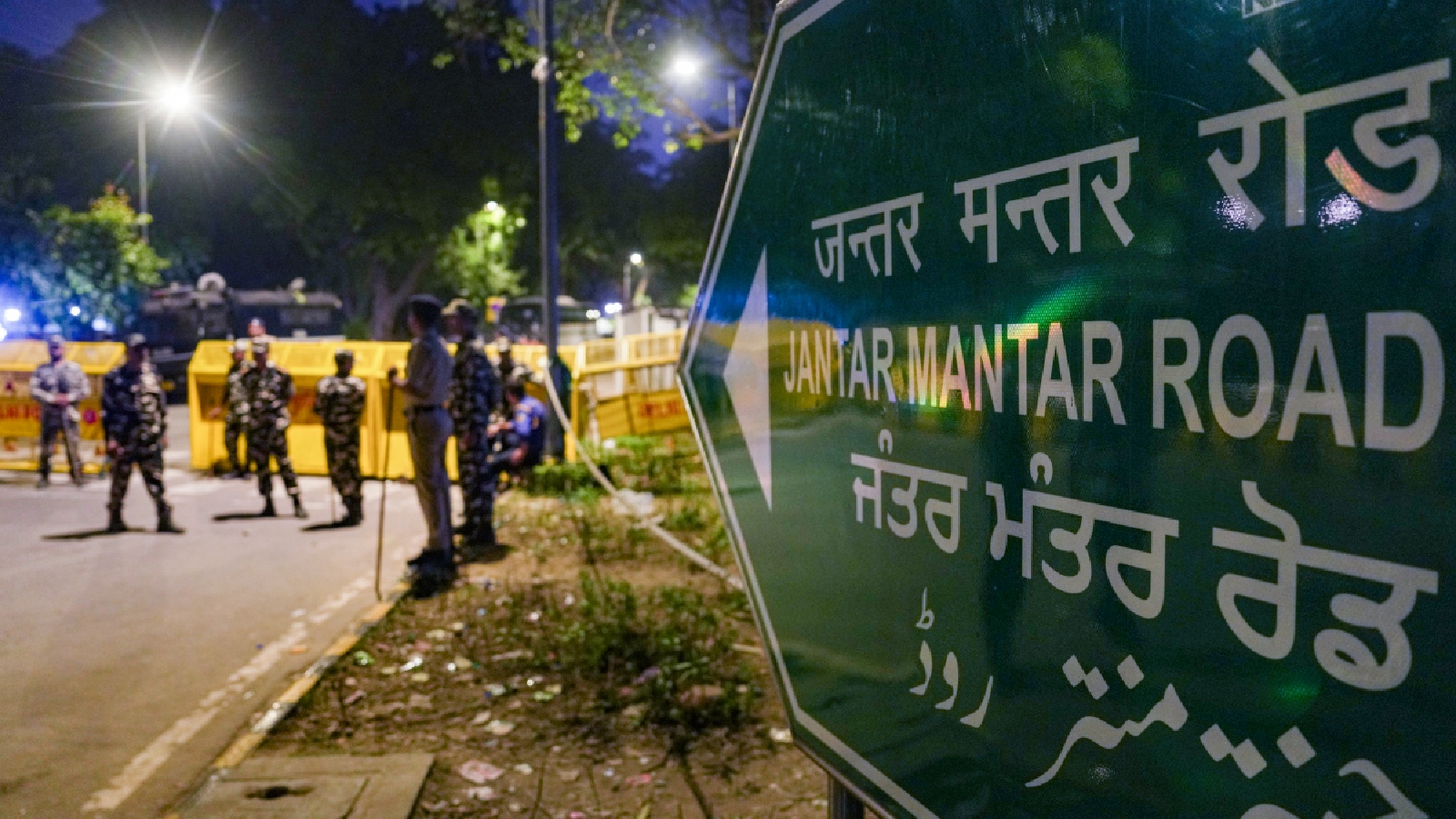
Delhi Police Commissioner Anurag Kumar's standing order of October 11 de-notified Jantar Mantar and designated Ramlila Ground, Burari Ground and CBD Ground in East Delhi as the new venues for protests and demonstrations.
The Delhi Police, in its order, has stated that a detailed and revised SOP for protests at the three venues will be issued separately.
Also Read:
According to protesters, for an organisation or a group of residents planning a demonstration, Ramlila Maidan requires a steep entry cost. The Jantar Mantar site did not require a payment of this kind.
"If given up for protest without any fees, the civic body will stand to lose at least Rs 50,000 plus per day," an official said.
Civic officials also noted that the ground is booked for various programmes and festivities, as major festivals including Dussehra and Diwali are coming up in the next few weeks.
Festivals and events limit availability; strain roads
According to officials, the ground sits in a busy commercial area, with three hospitals and the headquarters of the municipal corporations nearby. In British times, it stretched beyond Ajmeri Gate, and present-day Kamla Market was once part of it.
Big events here have always strained the neighbourhood's roads, officials said, adding that police usually turn the two-way Asaf Ali Road into a one-way stretch and divert traffic bound for Deshbandhu Gupta Road onto the parallel Jawaharlal Nehru Marg.
Both routes, already crowded and encroached upon, struggle to cope. In 2014, a Bharatiya Janata Party (BJP) rally here caused a gridlock all the way to ITO (nearly 4 km away), even though it was a Sunday and traffic was light, an official recalled.
The history of Ramlila Maidan
According to officials, the maidan's story begins with water. Until 1930, it was a pond, which was filled and levelled so that Ramlila could be staged there.
The tradition began in 1932 and continues today, giving the ground its name. After Independence, in 1951, the area was developed to provide livelihoods to refugees who had arrived from Pakistan.
Over the decades, it became a stage for the nation's politics. In 1952, Syama Prasad Mookerjee, regarded as an ideological inspiration for the BJP, launched his satyagraha demanding the complete integration of Jammu and Kashmir into the Indian Union.
Jawaharlal Nehru addressed large public meetings at the maidan in 1956 and 1957 as the prime minister. A permanent stage was built in 1962 for a public event in honour of Queen Elizabeth II, who was visiting India.
Indira Gandhi addressed a rally here after the 1971 victory over Pakistan, and a public meeting was held on November 26, 1974, in honour of Soviet leader Leonid Brezhnev.
On June 25, 1975, the day the Emergency was declared, Jayaprakash Narayan and Atal Bihari Vajpayee addressed a rally at the ground.
In 2013, Arvind Kejriwal took oath as chief minister at the same venue.