

New Delhi: IndiGo and Air India Group will progressively shift flights from Mumbai's existing airport to the newly built Navi Mumbai International Airport from December, clearing capacity for the redevelopment of Terminal 1 and paving the way for a dual-airport system in the country's financial capital.
The coordinated transition, planned in phases through the 2027 summer aviation season, will move selected domestic and international services to Navi Mumbai while allowing airlines to retain their historical operating slots at Chhatrapati Shivaji Maharaj International Airport (CSMIA), the airport operators and airlines said.
Also Read:
The shift follows nearly 18 months of consultations between airlines and Adani Airport Holdings Ltd, which operates both Mumbai airports. It reflects growing airline participation in the new airport's operational ramp-up and is intended to ease capacity constraints at CSMIA while accommodating rising air traffic.
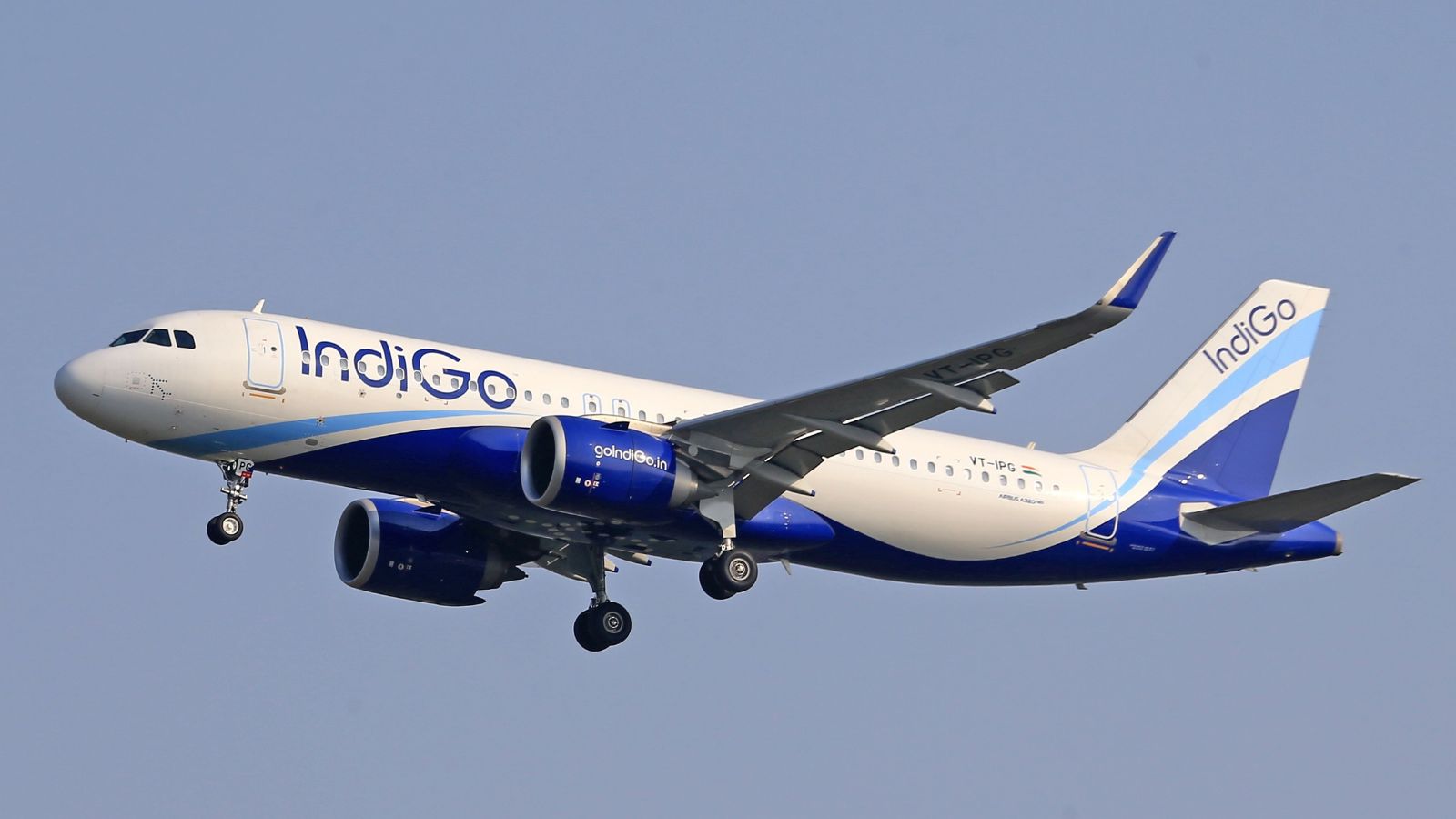
"IndiGo will progressively transfer 12 daily international departures from Chhatrapati Shivaji Maharaj International Airport (CSMIA) to NMIA, representing all the present operations from CSMIA to Bahrain, Riyadh, Dammam, Jeddah, Madinah, Kuwait, Ras Al Khaimah, Fujairah, Muscat, Dhaka and Jakarta.
"An additional daily service to Kathmandu will also be introduced, taking IndiGo's international network at NMIA to 12 destinations between February and July 2027," a joint statement by IndiGo and the airport said.
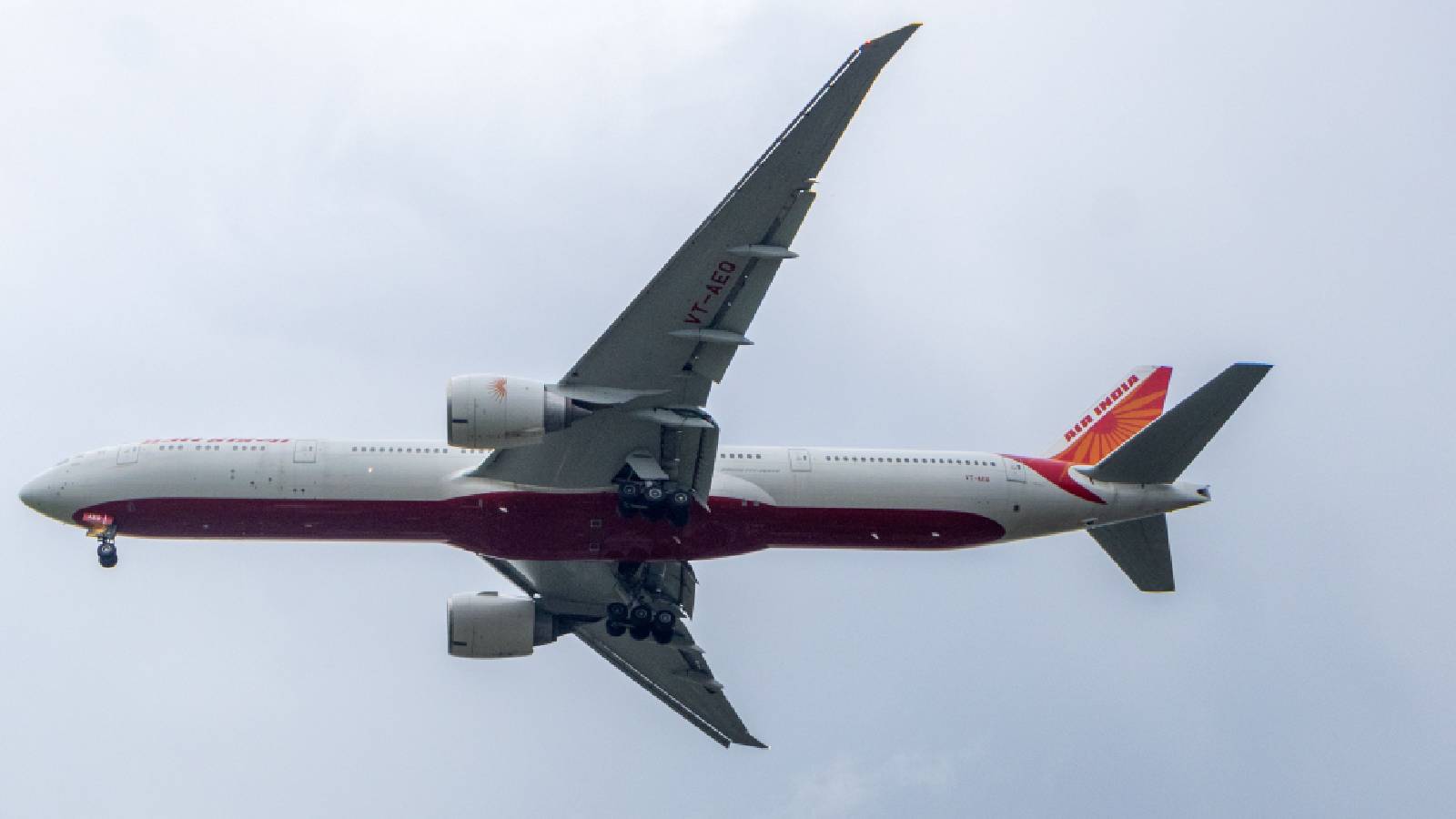
In a separate statement, the Air India group said it "will progressively transition Air India Express services to Jeddah, Riyadh, Dammam, Doha, Muscat, and Sharjah, to NMIA, with the process expected to be completed by the IATA Northern Summer 2027 season."
This transition, it said, is a result of continued collaborative engagement with the airport operator and is aligned with the wider airport transition programme for both Indian and international airlines and will support the long-awaited redevelopment of CSMIA Terminal 1. "The phased move also supports the development of Mumbai's dual-airport system while enabling Air India Group to continue serving the market efficiently and preserve the historicity of its existing operating slots at CSMIA."
Operating from both CSMIA and NMIA will strengthen connectivity across the Mumbai Metropolitan Region, provide travellers with greater choice and convenience, and support the continued growth of aviation infrastructure in the region, the statement said.
"Adani Airport Holdings Limited welcomed Air India Group's plans to commence operations from NMIA. Navi Mumbai International Airport is being developed with advanced technology, multimodal connectivity and scalable infrastructure to support the region's future aviation growth and deliver a seamless travel experience," it added.
IndiGo will also shift supporting domestic connectivity to facilitate international transfers at the new airport. The airline and Adani Airports are in the final stages of operational planning, with final transition dates subject to project coordination and operating approvals.
The capacity released at CSMIA will help IndiGo introduce new international services across Asia, Africa and Europe in 2027, using its expanding A320/A321 and A321XLR fleet. Further adjustments to its operations at Terminal 1 to facilitate redevelopment are expected to be accommodated at Terminal 2.
IndiGo will also transition the required domestic connectivity from CSMIA to NMIA to support these international services from CSMIA to NMIA, ensuring seamless onward connections for customers.
"In close collaboration with IndiGo, AAHL has been working to enable the necessary infrastructure at NMIA for delivering a smooth and efficient transfer experience between IndiGo's International and Domestic services at NMIA," their joint statement said. "This will mark the next step of IndiGo's expansion strategy to build NMIA as a long-term international hub."
At CSMIA, this capacity transition will also facilitate two additional joint objectives. First, it will create room for IndiGo's continued international expansion in 2027, enabling the launch of new services across Asia, Africa and Europe using its expanding fleet of A320/321 and A321XLR during 2027, without placing further pressure on a capacity-constrained airport.
Second, the associated transition of domestic operations will also support IndiGo's share of the capacity reductions required to enable the redevelopment of CSMIA T1 by 2030. "IndiGo and AAHL will continue to work together to ensure that any further adjustments required to IndiGo's services at CSMIA T1, to enable the redevelopment, will be accommodated in CSMIA T2," it said.
The statement went on to state that the phased transition is intended to support a transparent, equitable and proportionate rebalancing of capacity across Mumbai's dual airport system, taking into account each airline's presence at CSMIA. "This balanced approach will help facilitate an orderly transition for all carriers, minimize operational disruption and provide greater planning certainty for airlines and passengers as NMIA scales up and CSMIA progresses with its redevelopment."
IndiGo will announce final dates for the transition of services to NMIA and introduction of new services to CSMIA after completion of final project coordination and relevant operating approvals are secured, the statement added.
The planned transfer of around 3 million passengers — accounting for approximately 60 per cent of the traffic targeted for relocation in the first phase — will create the necessary headroom for the phased redevelopment of CSMIA's Terminal 1. The initial phase aims to shift approximately 5 million passengers to Navi Mumbai, enabling critical safety enhancements, modernisation, upgraded passenger facilities and expanded handling capacity at CSMIA.
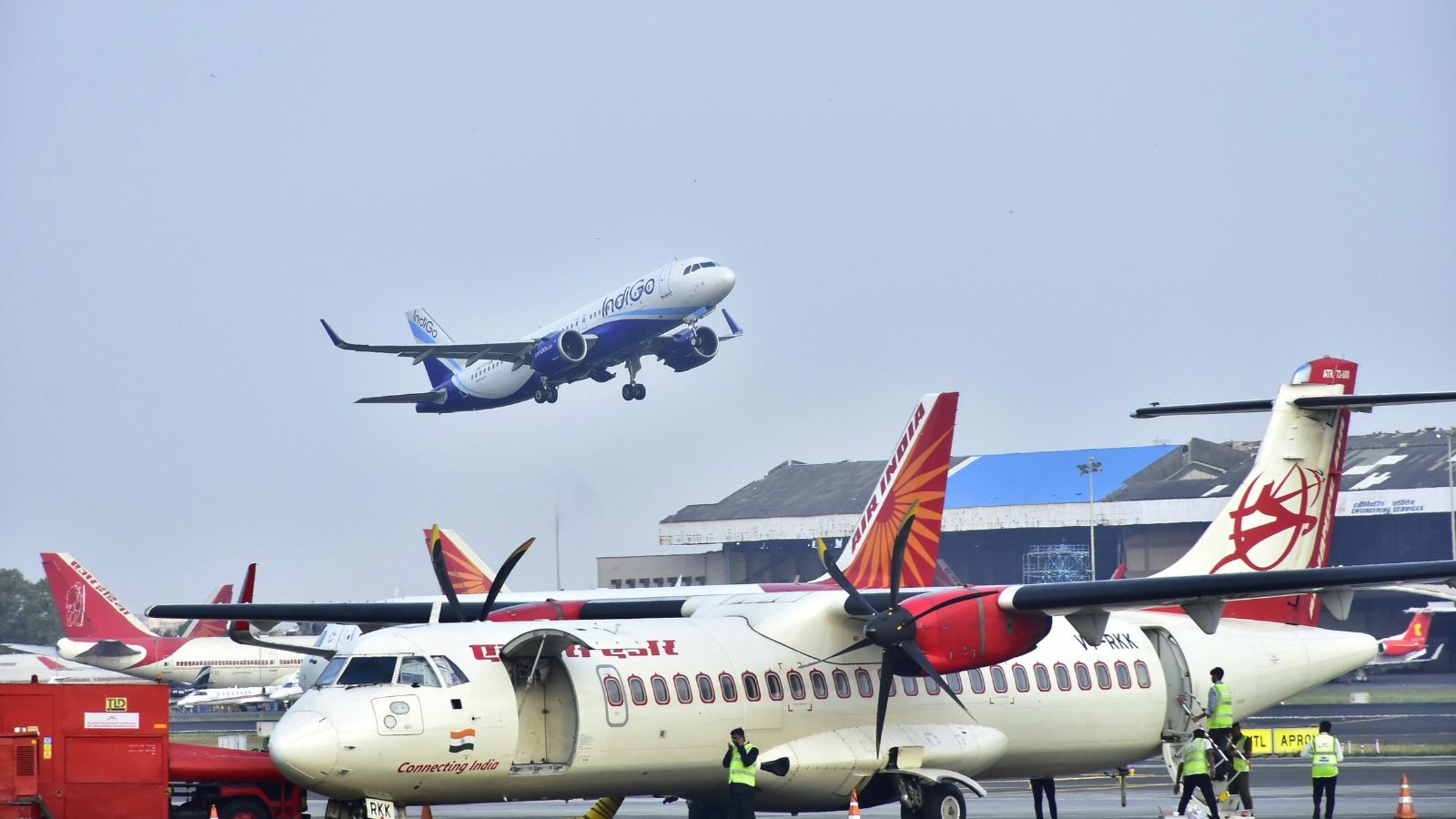
CSMIA handles around 55 million passengers annually, and the operator says about 91 per cent of its traffic will continue to operate from the existing airport during the redevelopment programme. The temporary relocation is intended to create the headroom needed to modernise Terminal 1 without disrupting the bulk of Mumbai's air traffic.
The redevelopment is expected to raise Terminal 1's annual passenger-handling capacity by about 33 per cent, from 15 million to 20 million. Planned upgrades include safety enhancements, modernised passenger facilities and improved digital and processing systems.
The airport operator has said airlines' historical CSMIA slots will be restored after the redevelopment is completed. The transition is also intended to distribute capacity more proportionately between the two airports, taking account of each airline's existing presence at CSMIA, and to provide carriers with greater certainty in planning future operations.
Navi Mumbai International Airport is designed to handle 20 million passengers annually in its initial phase, with future expansion planned to take capacity to 90 million. Its infrastructure includes automated baggage handling, digital passenger-processing systems and road links serving business districts, logistics hubs and other centres across the Mumbai Metropolitan Region. Further multimodal transport connections are planned.
The development of two airports is intended to expand Mumbai's overall aviation capacity, improve domestic-international connections and create room for more international routes and carriers. A larger network could also help the city attract more transfer traffic, strengthening its role as an international gateway.
For airlines, the transition offers an opportunity to expand services without placing additional pressure on an already capacity-constrained CSMIA. For passengers, it promises a broader choice of flights over time, but the phased relocation will make it important to check departure airports carefully when booking and before travelling.
The planned moves by IndiGo and Air India Group mark a significant step in that transition, creating the operational space needed to modernise CSMIA while building Navi Mumbai into a larger domestic and international aviation hub.