

Iran: Shipping disruptions through the Strait of Hormuz will lead to reduced global food production and supplies in the second half of 2026 and in 2027, an official with the United Nations Food and Agriculture Organization (FAO) has warned.
Oleg Kobiakov, head of the FAO Liaison Office in Russia, said in an interview released on Tuesday that the consequences of the blockade were affecting not only current price levels but would also be felt in the harvests of the next agricultural seasons.
According to the FAO, the chain shocks caused by the Strait of Hormuz crisis could drive up food prices and exacerbate hunger in countries and regions already suffering from protracted or acute food crises.
Kobiakov noted that agricultural work must strictly follow the crop planting cycle. Even a delay of a few weeks in fertiliser supplies could cause farmers to miss the optimal fertilisation window, forcing them to reduce or completely abandon the use of fertilisers and ultimately leading to lower yields.
Also Read:
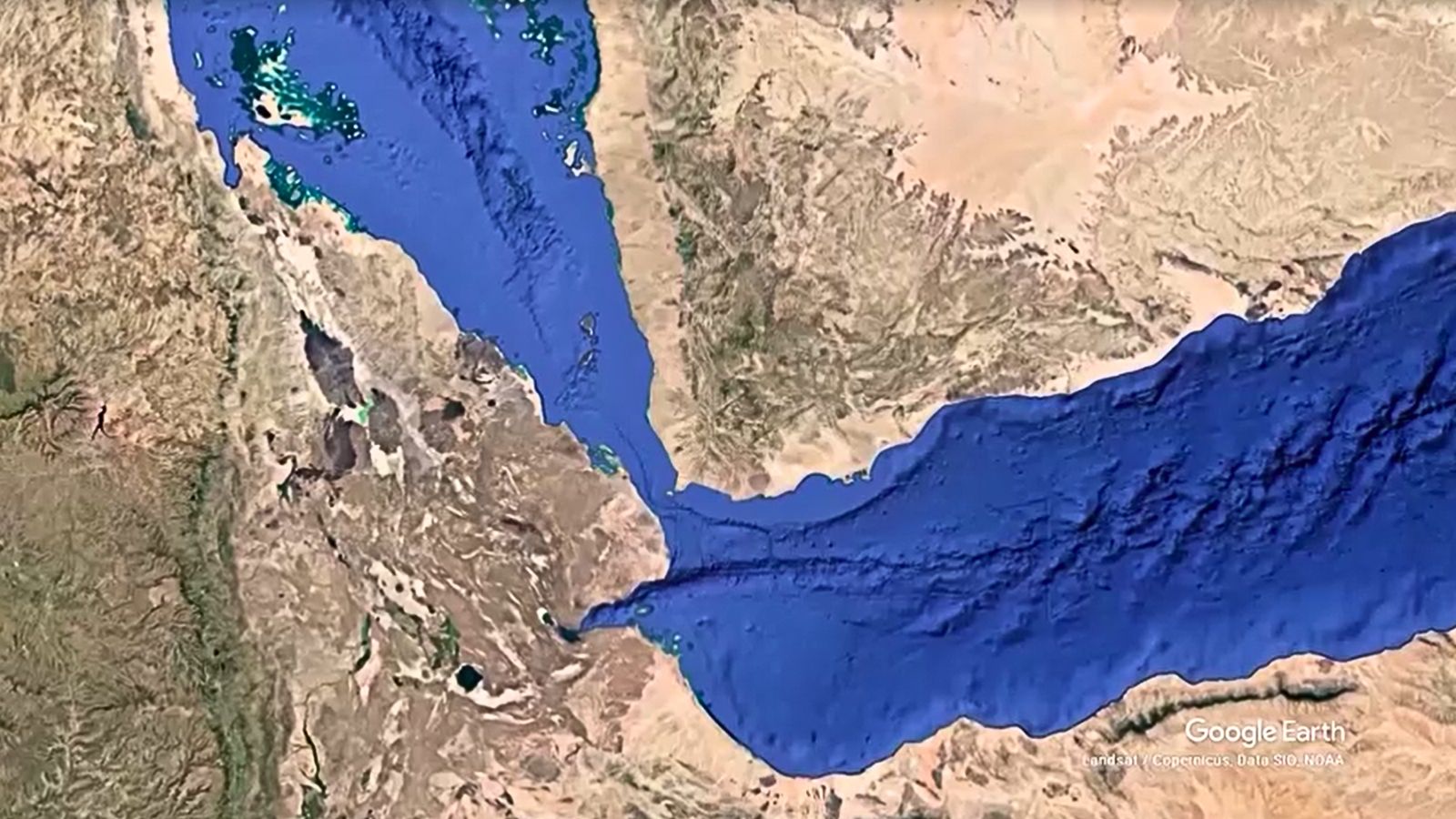
The Strait of Hormuz is not only a key route for oil and gas transport but also an important channel for urea and other fertiliser products produced in the region to enter the global market.
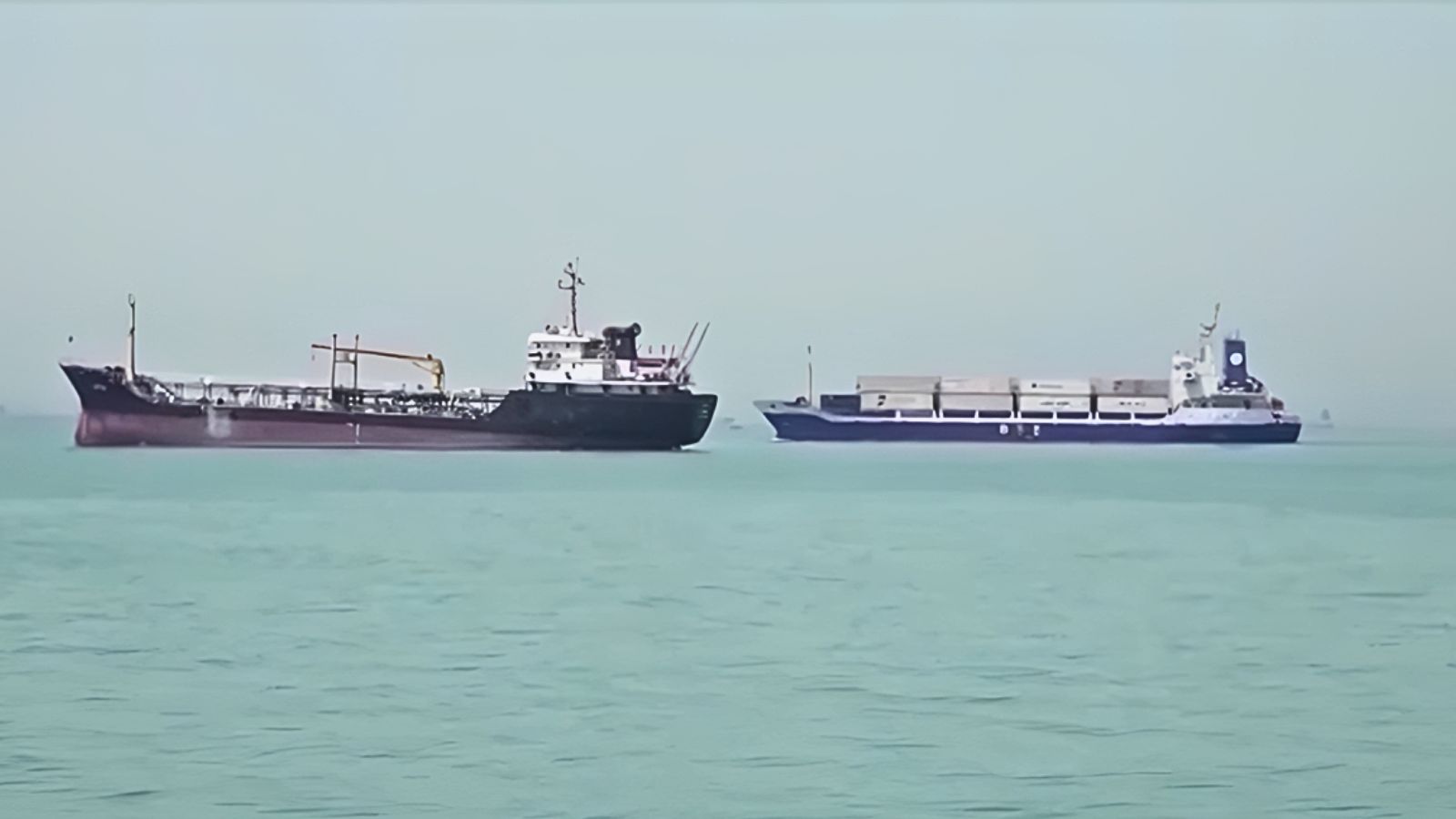
Shipping through the Strait of Hormuz has been disrupted since the United States and Israel launched strikes against Iran on February 28, dealing a blow to fertiliser supply chains in multiple countries and regions.