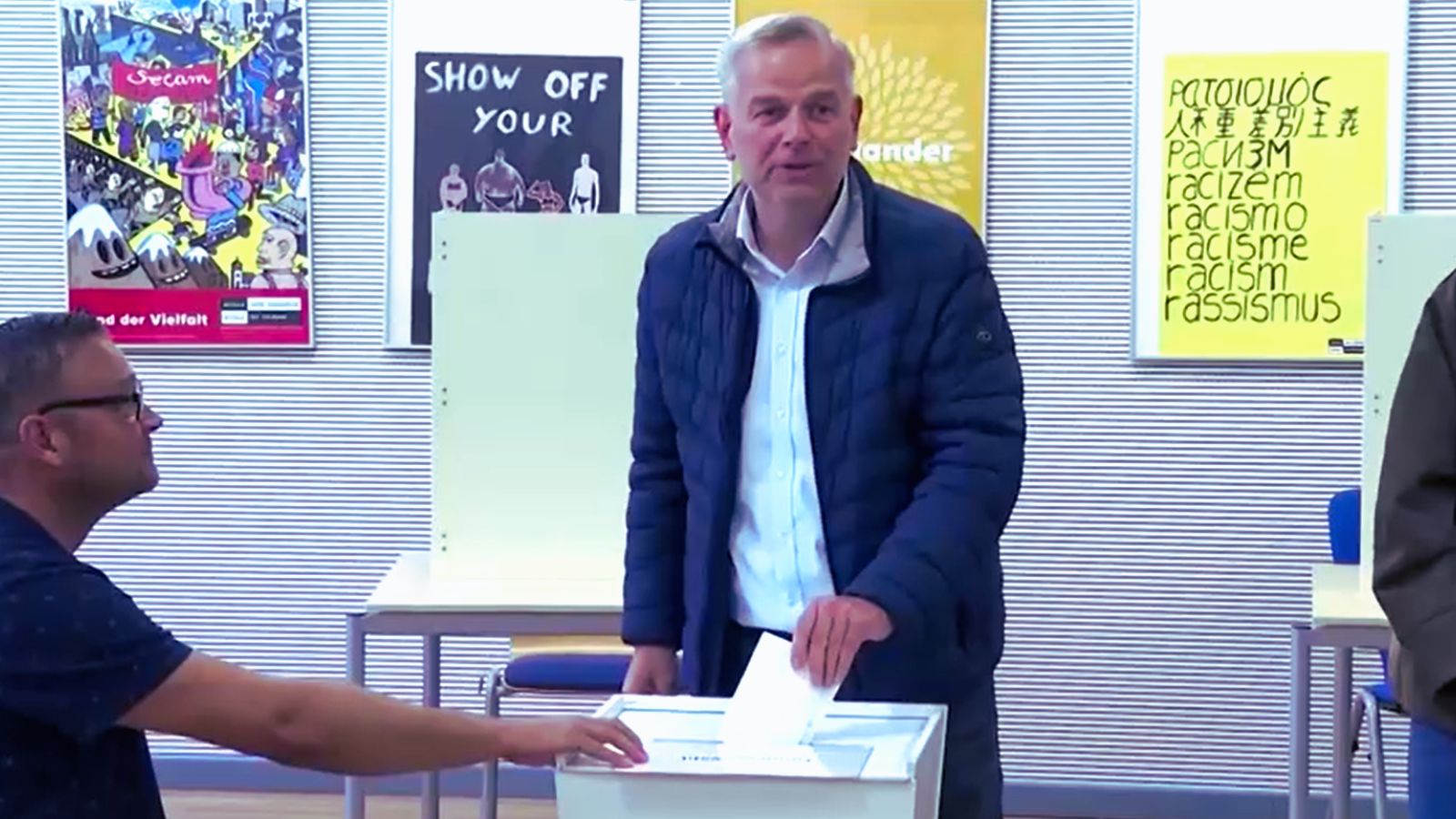


Germany: In a huge blow to German chancellor Friedrich Merz, the far-right Alternative for Germany (AfD) topped the vote in Mecklenburg-Western Pomerania whereas the Left Party took the lead in state elections in Berlin, projections from broadcaster ARD showed on Sunday evening.
Results in Mecklenburg-Western Pomerania
According to preliminary exit polls released by public broadcasters ARD and ZDF, the AfD won 37 to 38 per cent of the vote in Mecklenburg-Western Pomerania, up sharply from the 16.7 per cent it scored in the state's last election in 2021.
The Social Democrats (SPD) ran a close second at 35.5 to 36.5 per cent, followed by the Left Party at 6 to 7.5 per cent and the Greens at roughly 5.5 percent. Chancellor Friedrich Merz's Christian Democratic Union (CDU) plunged to just 5 to 5.5 per cent from 13.3 per cent in 2021.
Results in Berlin
In Berlin, the Left Party led with 24.5 to 26 per cent, a steep rise from the 12.2 per cent it won in the city-state's last election in 2023. The CDU fell to around 20 per cent from 28.2 percent, while the Greens took 15 to 15.5 per cent, the AfD 13.5 to 16 per cent and the SPD about 12 per cent.
Both state parliaments serve five-year terms, and German state elections generally apply a threshold of 5 per cent of the vote for a party to win seats. In Mecklenburg-Western Pomerania, the SPD has governed in coalition with the Left Party since the 2021 state election.
In Berlin, the CDU and SPD formed the current government after a rerun in 2023, which was ordered after the city-state's 2021 election was declared invalid because of serious flaws in how the vote was organized and run.
CDU fares badly; Merz vows reforms
The CDU, Merz's own party, fared badly in both states, with its support dropping markedly from the previous elections.
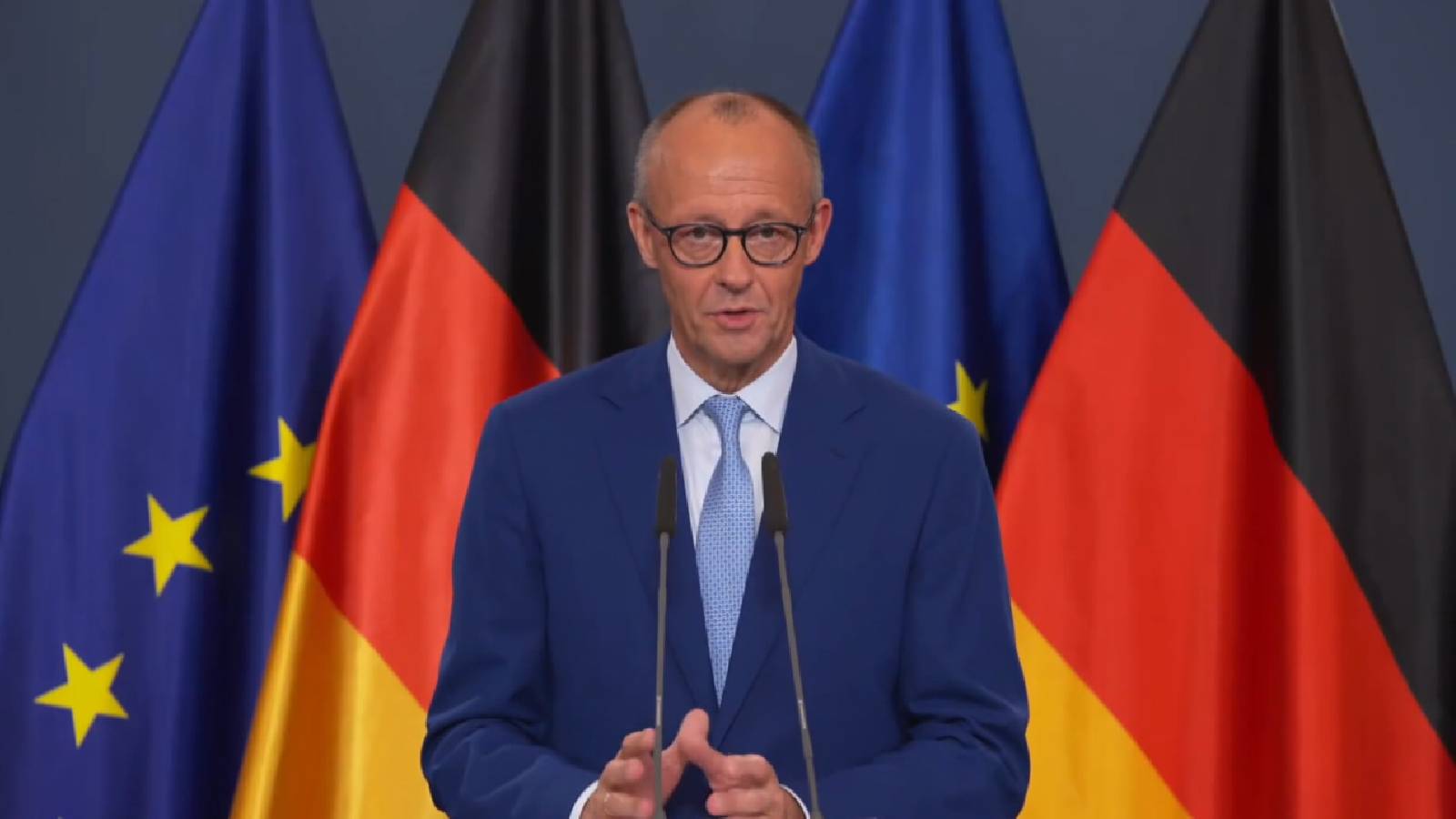
Addressing the results after the two ballots, Merz called them a disaster, saying the German economy was undergoing profound change, social debate was growing increasingly harsh and public trust in state institutions was eroding under the pressure of political extremes.
He said Germany needed to press ahead with reforms and that his federal government would take responsibility for driving them.
Sunday's ballots came just two weeks after the AfD won 43.8 per cent in the eastern state of Saxony-Anhalt on September 6, finishing three seats short of an absolute majority. All major German parties continue to rule out forming a coalition with the far right, maintaining a long-standing political firewall that leaves the AfD with votes but no path to power.
AfD celebrates in Mecklenburg-Western Pomerania
Members of AfD party celebrated in Mecklenburg-Western Pomerania on Monday, as exit polls showed them currently in the lead.
"We will change this country -- sooner or later," said Enrico Schult, co-chairman of AfD Mecklenburg-Western Pomerania.
"The AfD is here to stay," he said.
The current situation in Germany
Both elections drew close attention because they are taking place against a backdrop of a federal government under pressure, falling support for the established parties and the steady rise of the far right. German media have treated the two votes as a barometer for the mood in Berlin.
Recent surveys found only a small fraction of voters in either state optimistic about Germany's overall direction, with nearly 90 per cent rating the federal government's work negatively. Rising prices, the economy and the broader cost of living dominated voters' concerns.
"Many parties have now made it clear that they are unwilling to work with the far-right party. Everything happening in politics at the moment leaves people with a sense of uncertainty -- and, of course, it is worrying to see such large numbers of voters turning to the right," said Haase, a local resident.
"You can see this trend in the elections across the country, including in the previous federal election.
Germany is in turmoil, and people across the board feel dissatisfied," said Ralf, another resident.
For many in Germany, the elections reflected not only local political change but a wider realignment of the party landscape, a shifting public mood and the strains bearing down on the federal government. Attention now turns to which parties can assemble stable state governments and how that process feeds back into national politics.
(With inputs from Reuters & PTI)