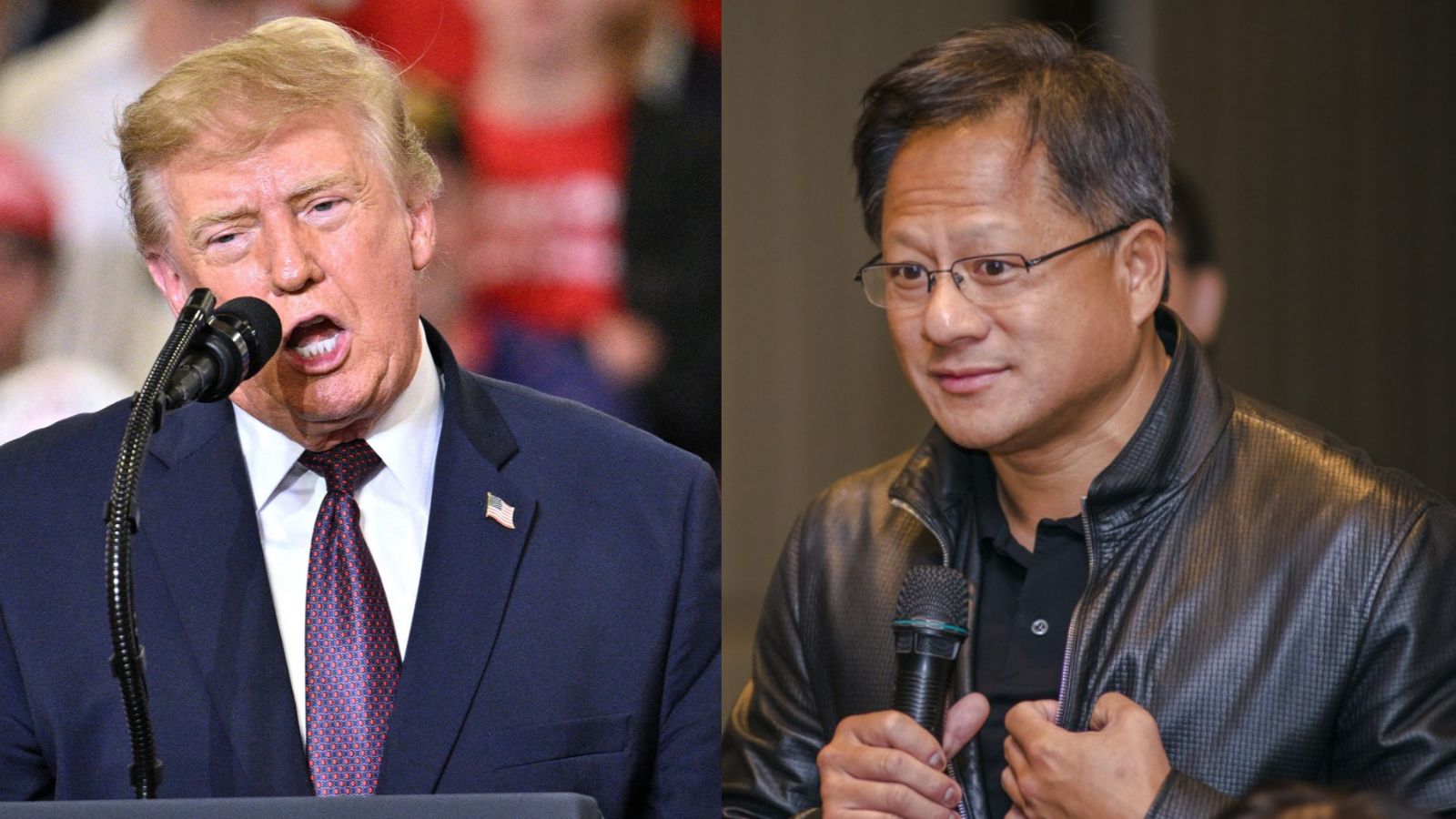


Washington: US President Donald Trump has expressed uncertainty over his confidence in Nvidia chief executive Jensen Huang as an adviser on American technology policy, following reports that US intelligence officials suspected a Chinese businesswoman linked to the executive of providing information to Beijing.
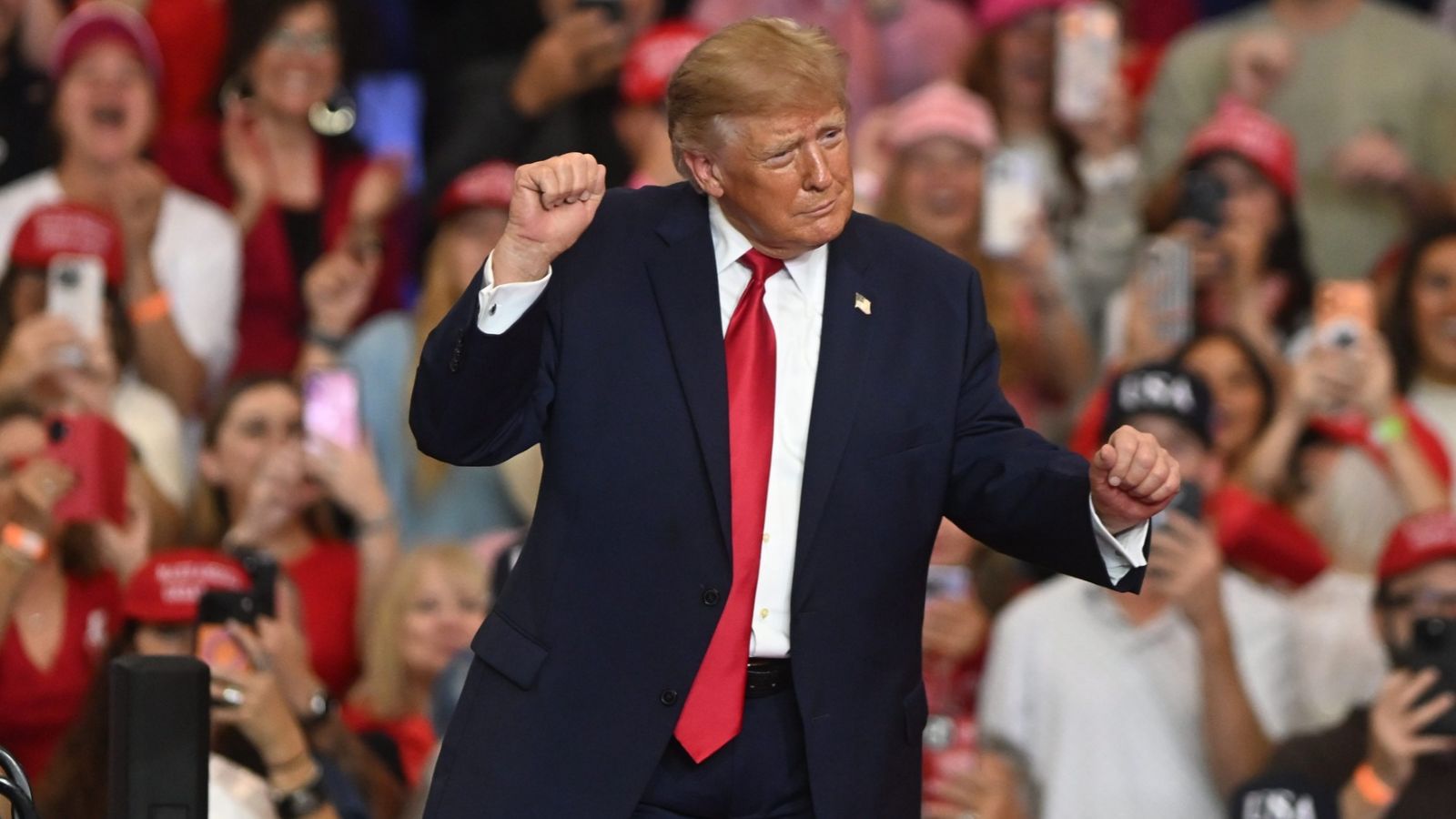
According to The Washington Post, Trump made the remarks on Saturday (local time) while speaking to reporters at his annual Halloween party at Mar-a-Lago in Florida. He said he wanted to continue backing Huang but would wait for further information before reaching a conclusion.
"I would like to say yes. I mean, unless we find out something to the contrary," Trump said when asked whether he still had confidence in Huang as an adviser.
"I’ve always found Jensen Huang to be very aboveboard. But you know, you’re dealing in a very complex issue," he added. Trump said he was unaware of the specific intelligence concerns but hoped Huang would be cleared of any suspicion.
"We hope everything’s okay with Jensen. We’ll check it out. We’re going to check it out very closely," he said.
Describing Huang as a "great" and "brilliant" person, Trump added: "When it comes to chips, there’s never been anyone like him."
Reports raise questions over alleged China links
Trump's remarks followed a report by The New York Times that he had been briefed about a year ago on intelligence findings concerning Alice Huang, also known as Huang Le, a Chinese businesswoman suspected of providing information to Beijing.
The findings reportedly indicated that Alice Huang had developed a close relationship with Jensen Huang and was transmitting information to Chinese authorities, potentially including insights obtained through her association with Nvidia.
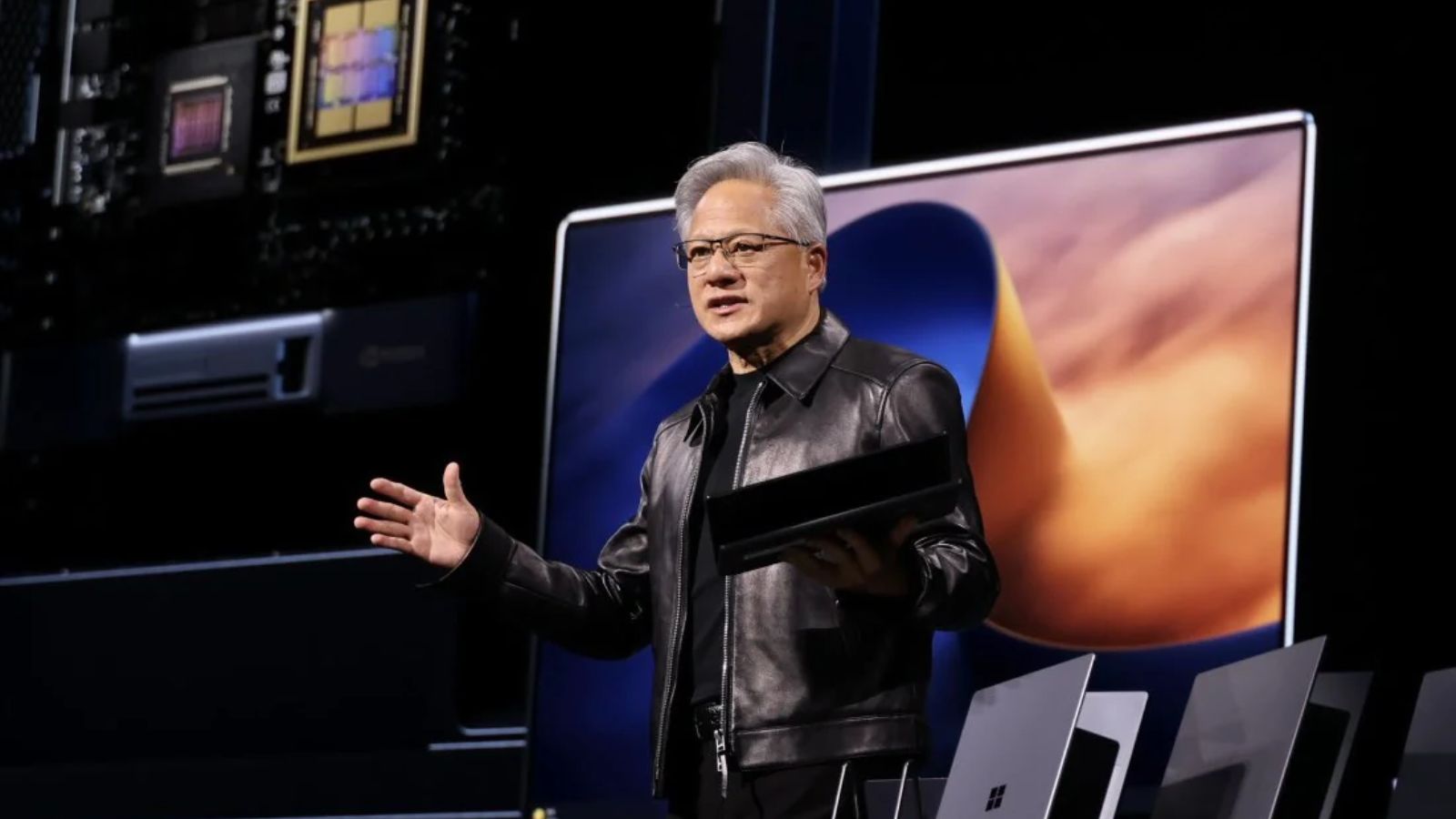
Citing sources familiar with the surveillance efforts, The New York Times reported that Alice Huang was suspected of operating as a Chinese intelligence asset.
She was associated with Megaspeed, a Singapore-based data centre company that purchases advanced Nvidia processors to build data centres and lease computing capacity to businesses in China.
Nvidia has disputed the characterisation of its relationship with Megaspeed and rejected allegations concerning the company's alleged involvement in diverting advanced chips to China.
John Rizzo, a spokesperson for Nvidia, told The New York Times that Megaspeed and other clients "receive ordinary business information - not sensitive Nvidia trade secrets - and zero information relevant to national security".
The report also said Trump had not acted on the intelligence findings at the time, amid concerns that disrupting Nvidia's chip sales and commercial relations with Beijing could have economic consequences.
Huang's role in US technology policy
Jensen Huang has emerged as an influential technology adviser to Trump and is a member of the President's Council of Advisors on Science and Technology. The council advises the administration on artificial intelligence, emerging technologies and related policy matters.
Huang has also maintained close ties with the president. He accompanied Trump on his state visit to China in May after joining Air Force One during a refuelling stop in Alaska.
The Nvidia chief executive has advocated continued access to the Chinese market for American technology companies and successfully lobbied the Trump administration to ease restrictions on Nvidia's chip exports to China.
According to The New York Times, Huang also secured an arrangement under which the US government would receive a 25 per cent stake in certain Nvidia processors approved for sale to China.
The allegations have raised concerns in Washington over the possibility of Beijing gaining access to sensitive information about American advances in artificial intelligence and semiconductor technology.
The White House, the Central Intelligence Agency and the National Security Agency declined to comment on the intelligence findings. Alice Huang did not respond to requests for comment.
Megaspeed said its current leadership treated the allegations "extremely seriously" and was committed to establishing the facts.
Liu Chang, spokesperson for the Chinese Embassy in Washington, rejected the allegations, accusing the US of pursuing a campaign of "groundless smears and slanders" against Beijing.