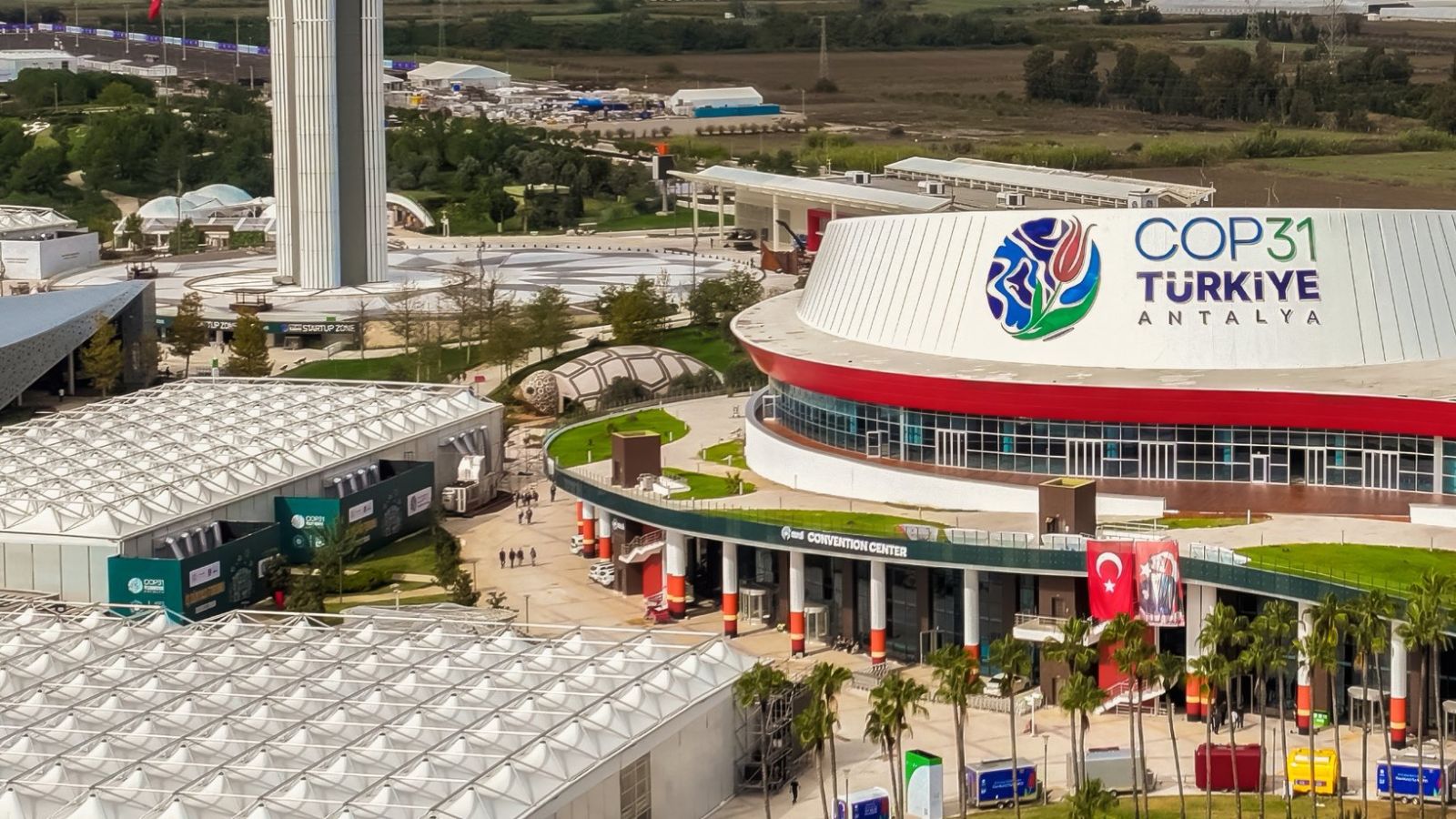


Antalya, Turkey: World leaders, delegates and climate activists will begin negotiations on curbing climate change on Monday, as rising temperatures over the past year have contributed to deadly heatwaves in Europe and elsewhere and played a role in disasters such as the devastating floods in Nepal.
The UN climate summit, known as the Conference of the Parties or COP31, comes as the war in Iran has effectively closed the Strait of Hormuz, pushing up global prices of petrol, oil and a range of products made from them, including fertilisers and pesticides.
The disruption has prompted governments to rethink their energy policies in both the short and long term, including through increased investment in renewable sources such as wind and solar power.
Also Read:
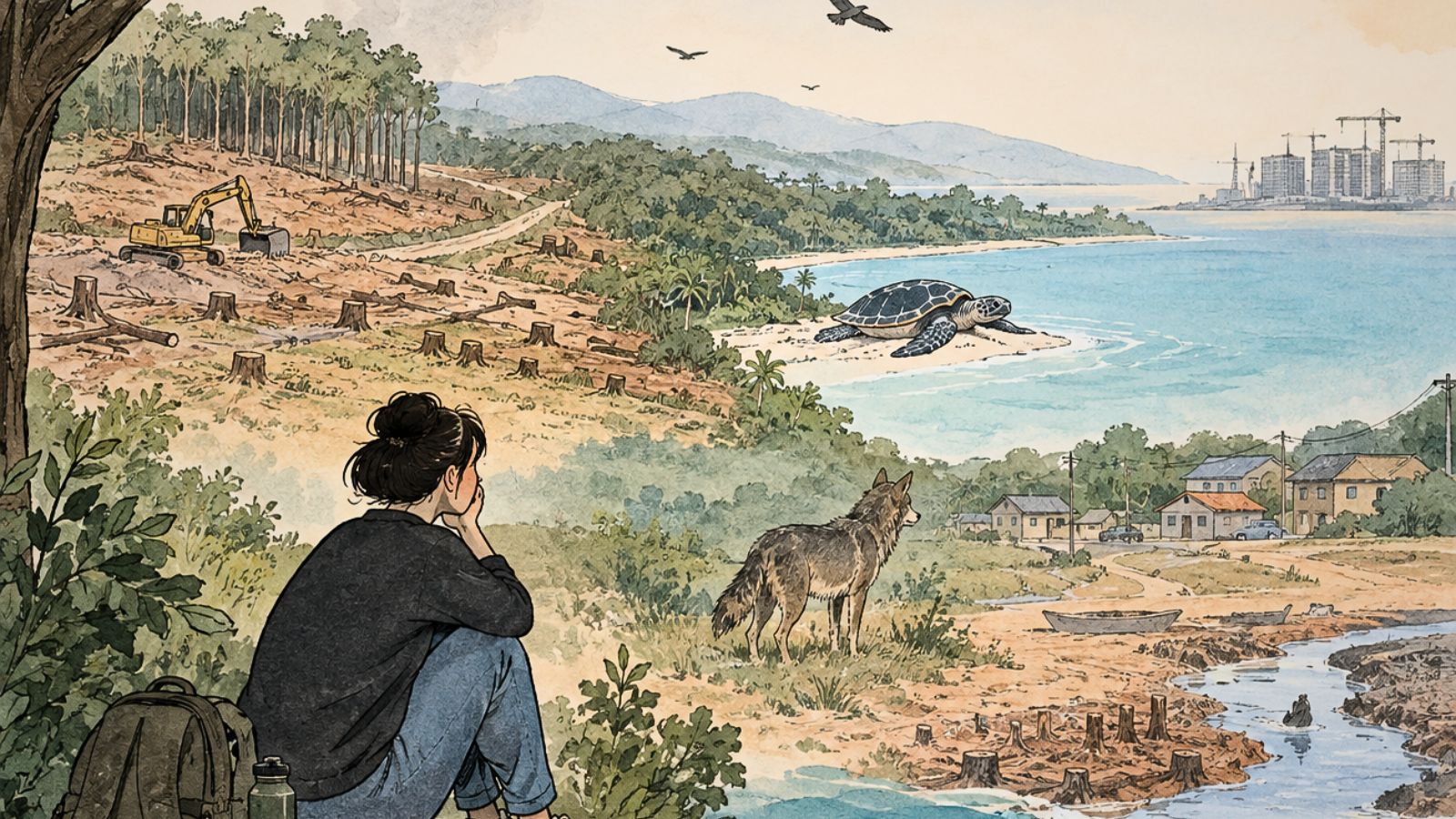
Delegates meeting in the Turkish Mediterranean resort city of Antalya will face pressure to make new pledges on climate action while implementing previous commitments. The stakes are high: climate scientists say the rise in the global average temperature since the early 1800s will exceed 1.5 degrees Celsius (2.7F).
Limiting the temperature rise to that threshold was a goal established under the 2015 Paris Agreement. Since then, it has remained a focus of international climate negotiations.
The prospect of exceeding the target underscores how difficult it has been for the world to cut greenhouse gas emissions, which are released into the atmosphere when fossil fuels such as oil, gas and coal are burned, contributing to climate change.
“This is the first COP where it is clear beyond a reasonable doubt that the world will overshoot the 1.5-degree target,” said Turkish Environment Minister Murat Kurum. “We will not look away, and we will not lower our ambition.”
Kurum, the COP31 president, has said that rather than establishing new targets, he wants the summit to focus on turning previous climate commitments into action.
He has announced an 'Action Agenda' that includes reducing methane emissions and building climate-resilient cities, among other measures.
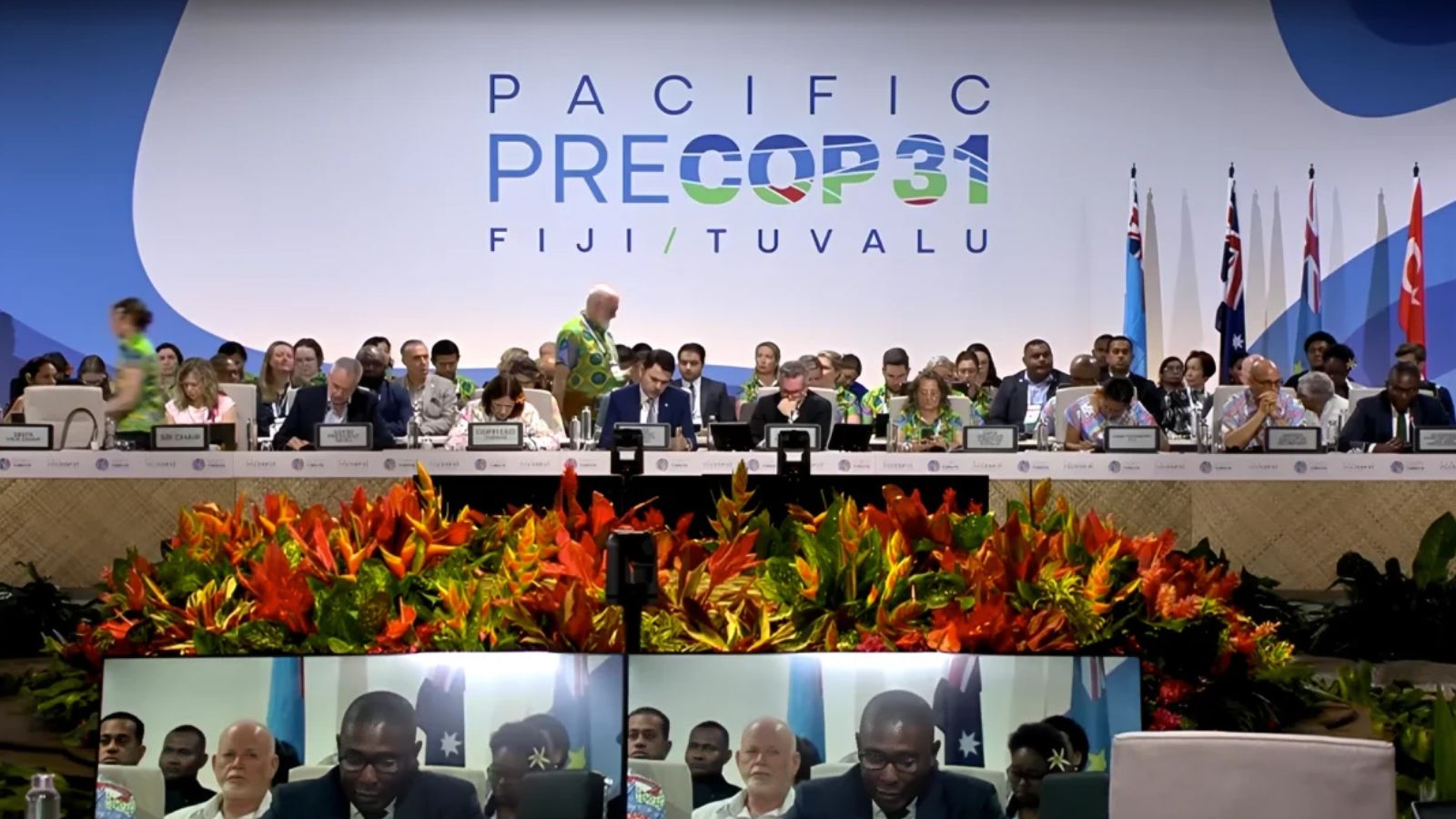
He has announced an 'Action Agenda' that includes reducing methane emissions and building climate-resilient cities, among other measures.
A central theme is electrification, with the aim of increasing the share of electricity in energy use from 21 per cent to 35 per cent by 2035, preferably through renewable sources such as solar and wind, to reduce greenhouse gas emissions.
During the negotiations, scheduled from November 9 to 20, delegates are also expected to discuss helping poorer countries pay to adapt to rising temperatures and extreme weather events linked to climate change, as well as supporting their transition away from fossil fuels.
The last two summits, COP30 in Brazil and COP29 in Azerbaijan, came under criticism for ending with little agreement on how to reduce greenhouse gas emissions. The final texts of those agreements did not even mention fossil fuels. At COP28 in Dubai, delegates had agreed to transition away from them.
Undermining the summit, the United States, the world's second-largest polluter after China, will again be absent. During his first term, and again after taking office for a second time in January 2025, President Donald Trump withdrew the US from climate negotiations.
“No single COP is a silver bullet that can stop climate change overnight,” said UN Climate Change Executive Secretary Simon Stiell. “But every recent COP has made essential progress. COP31 in Antalya will, too.”
In a departure from previous summits, COP31 is being jointly organised by Turkey and Australia after the two countries disagreed over which should host it. Turkey is the official host, while Australia is leading the negotiations.
However, both countries have come under criticism for their heavy reliance on coal.