

Mammootty has once again brought glory to Malayalam cinema on the National Film Awards stage. For more than five decades, he has remained one of the strongest pillars of the industry. As Malayalam cinema evolved, so did he—adapting, experimenting and constantly reinventing himself. Perhaps that is why he continues to remain relevant across generations.
Four awards, Five decades, One Mammootty
His big screen journey began in 1971 with the movie Anubhavangal Paalichakal. He did not play an unforgettable character in the movie, and nobody would have thought he was going to become a performer who would fascinate generations.
The story of his National Award started with Vadakkan Veeragadha and Mathilukal in 1991. Here, the industry was witnessing the rise of an actor who was much more than just a commercial star. Both performances were extremely different, but they portrayed historical characters. The actor's versatility worked gloriously because, in Vadakkan Veeragadha, he played the brave warrior Chandhu, while in the other he played the writer Vaikom Muhammad Basheer, who is imprisoned and lives through an unfinished love story.
In 1994, when Vidheyan was released, critics praised the actor. He played Bhaskara Patelar, an authoritarian landlord whose power slowly crumbles. According to critics, it is one of the toughest roles of his career up to that point. He was also noted for his ability to play characters that are morally grey. Mammootty proved he was willing to move beyond the conventional heroic image, embracing morally complex characters that challenged both himself and the audience.
Ponthan Mada, which was released in the same year, was another milestone. Mammootty delivered a performance that stood in complete contrast to Bhaskara Patelar. In Ponthan Mada, as Mada, a lower-caste labourer subjected to relentless injustice, he also won a National Award along with the most "hated" character he played in Vidheyan.
The biography of Dr B.R. Ambedkar, played by Mammootty, also received the National Award. To bring out the best, he experimented with a new look and spent a long time studying the mannerisms of the architect of the Indian Constitution. His performance is widely considered a masterclass in biographical acting because he successfully matched the immense physical and intellectual presence of the historical icon.
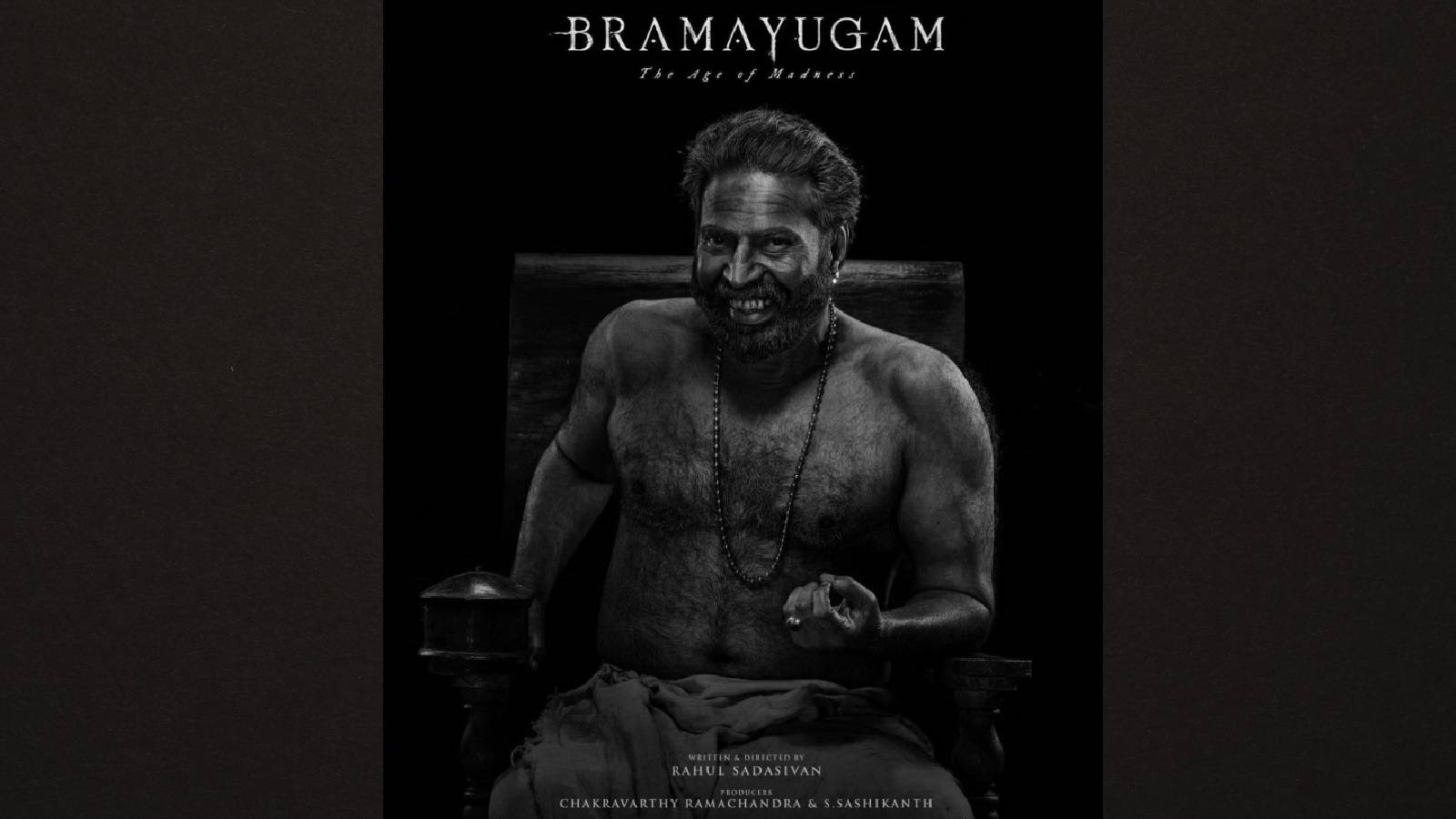
And in the modern era, when young filmmakers are experimenting with new stories and new-age technology in cinema and storytelling, this year's award proves that age is just a number. Bramayugam is one of the top-notch examples of why an actor must reinvent themselves. In this HD colour era, through a black and white movie he bagged his fourth prestigious national award, and that says, there is a lot more to explore. Critics often point out one defining quality of Mammootty's performances: when he performs audience seldom sees the superstar Mammootty, rather what they feel will be the character who is being potrayed.
Through critically acclaimed movies such as Bheeshma Parvam, Unda, Kannur Squad, Nanpakal Nerathu Mayakkam, etc., he came up as an actor who is ready to go to any extent just to reinvent himself, that too in his 70s.
His script selection, which matches the new-age cinema, often choosing stories over stardom, becoming a producer willing to take risks, and his reach through OTT platforms to the pan-Indian level, are something film critics point out as the renaissance of the actor in him. Perhaps the biggest hallmark of this phase is his collaboration with younger filmmakers.
Instead of working only with established directors, Mammootty has repeatedly placed his faith in emerging voices, allowing them the creative freedom to experiment while bringing decades of acting experience to their vision
(This story is compiled by Mariya Babu)