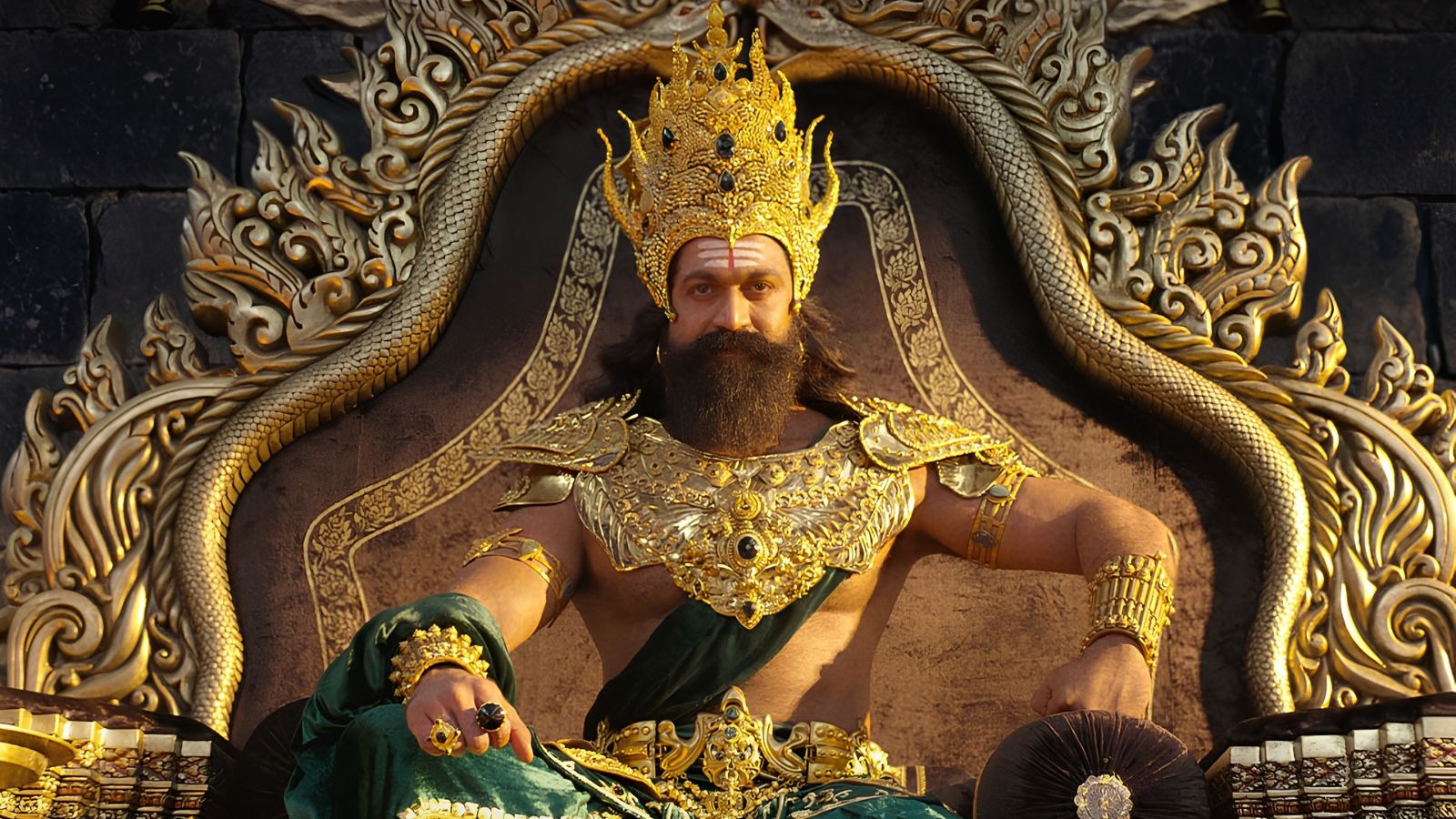


Everyone knows the story of the Ramayana. The Hindu epic that talks about the exile of prince Ram (Rama), the abduction of his wife Sita by the demon king Ravan (Ravana), and her eventual rescue, symbolising the triumph of good over evil.
But Nitesh Tiwari's Ramayana: Part 1 is not the entire Ramayana. It ends with Ravan tricking Sita and spiriting her away to Lanka on his Pushpaka Vimana, and Ram pledging to avenge the adharma.
If one were to take the story of the incomplete Ramayana on its merits, accepting it as an adaptation rather than the true depiction of the original Valmiki Ramayana, a timeless epic, it is hard to compare and contrast good and evil.
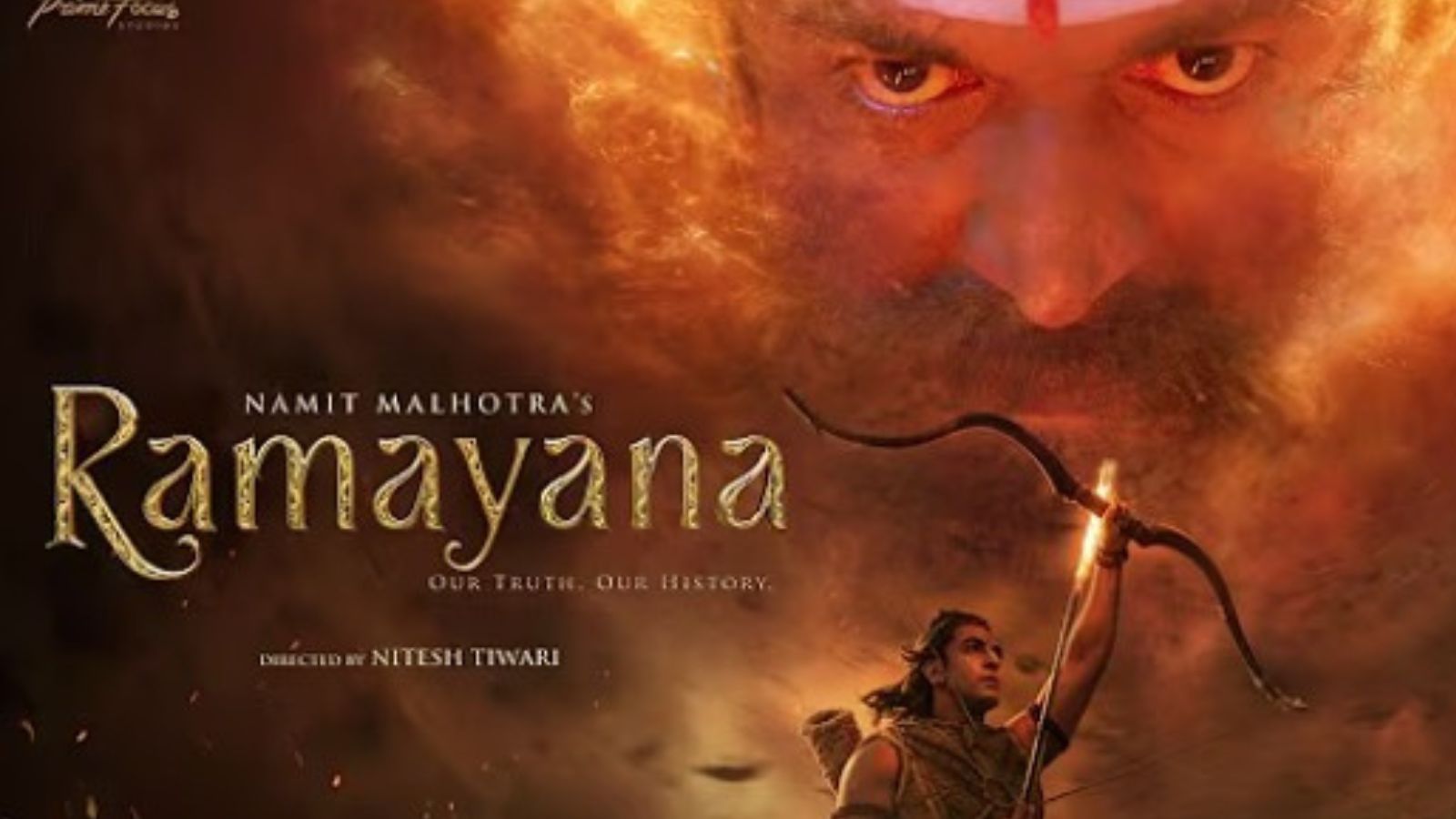
South Asia historian Audrey Truschke wasn't impressed by the film, calling it "emotionally flat". "I kind of liked that it focuses on Ravana. Really a Ravanayana?" Truschke posted on X. Professor Truschke's doubts are legit; there's more of Ravan than Ram in the film.
Ravan is shown as an egalitarian, a ruler with immense knowledge and strength, a champion of the marginalised Asuras. His depiction departs sharply from the popular understanding of the quintessential antagonist in the generational retelling of the epic.
Also Read:
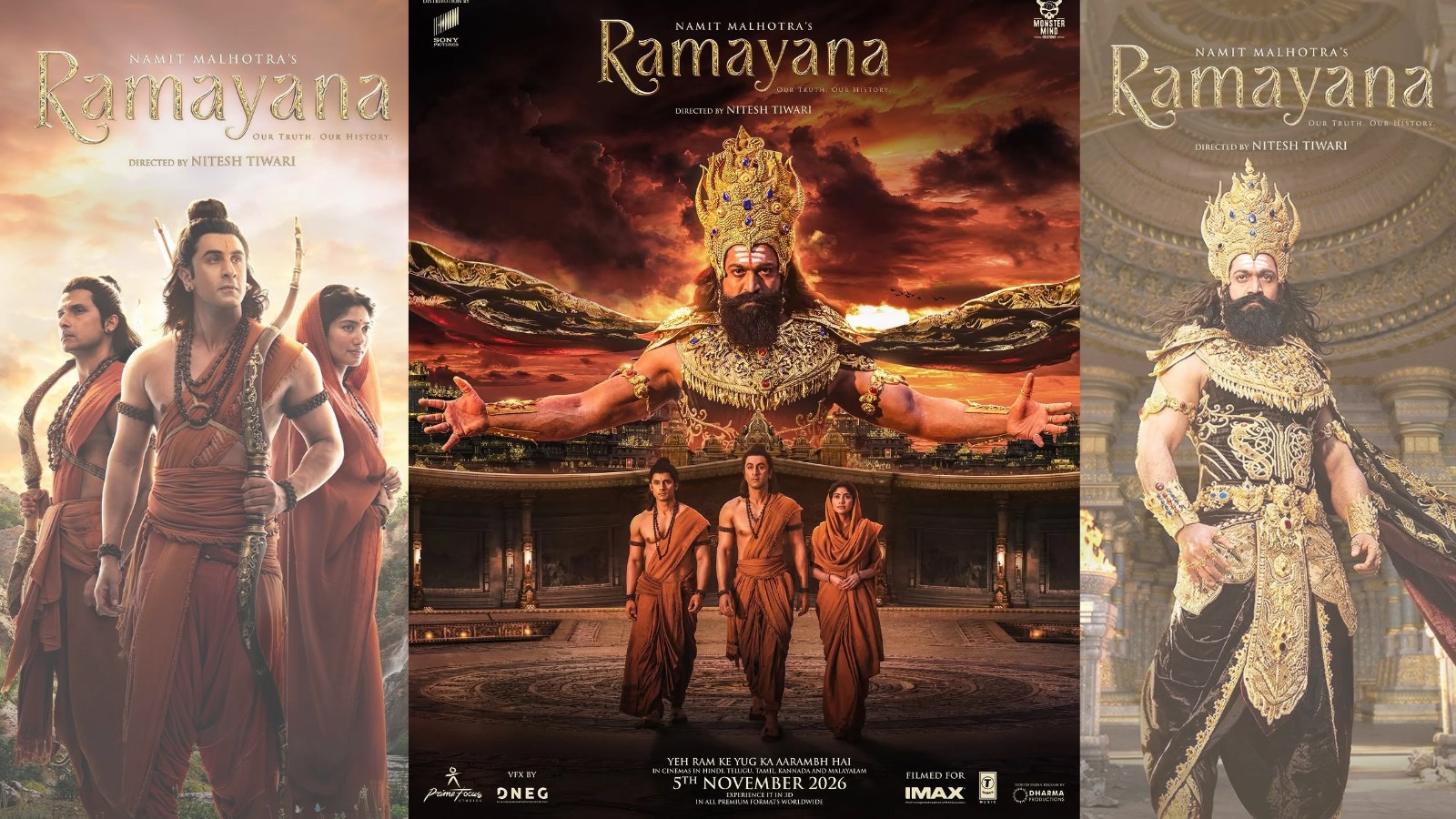
Ravan contains elements reminiscent of Rocky: the underdog who defies the establishment through sheer strength and determination, standing up for the dignity of a maid wronged by a powerful man. Coincidentally, Yash, who played the cult hero Rocky Bhai from KGF performs as Ravan.
After he attains the blessings of Bhrahma through incomparable tapasya (spiritual austerity), Ravan is overcome by an insatiable desire for conquest and takes control of the triloka, the three worlds comprising earth, heaven and the netherworld. Upon ascending to the throne of Lanka, Ravan proclaims that his subjects shall know no hunger. "If my house is adorned in gold, so will yours," he declares. Wish Marx knew of this mythical socialist.
Also Read:
Ravan is perpetually caught between restraint and revenge. His ten egotistical heads that symbolise his vast knowledge are at once his strength and his curse.
By contrast, Ram is shown as the young prince just as Valmiki saw him. A man of principles, who is unaware that he is the incarnation of Lord Vishnu and is constantly pondering over his destiny. His incorruptible and altruistic nature irritates his beloved brother Lakshman, though the latter obliges every decision out of pure devotion.
Ranbir Kapoor looks the part as Ram. Ranbir's restrained performance adds expression to the 'sama-bhava' or equanimity of the lord. Ram had mastered emotional equilibrium unlike any. He was not overjoyed when his father decided to advance the coronation, neither was he crestfallen when his stepmother Kaikeyi forced upon him 14 years in exile. “Your wish is my command, mother,” he told Kaikeyi as he embraced a life of hermetic existence to honour the word of his father, the benevolent king Dashrath (Dashratha).
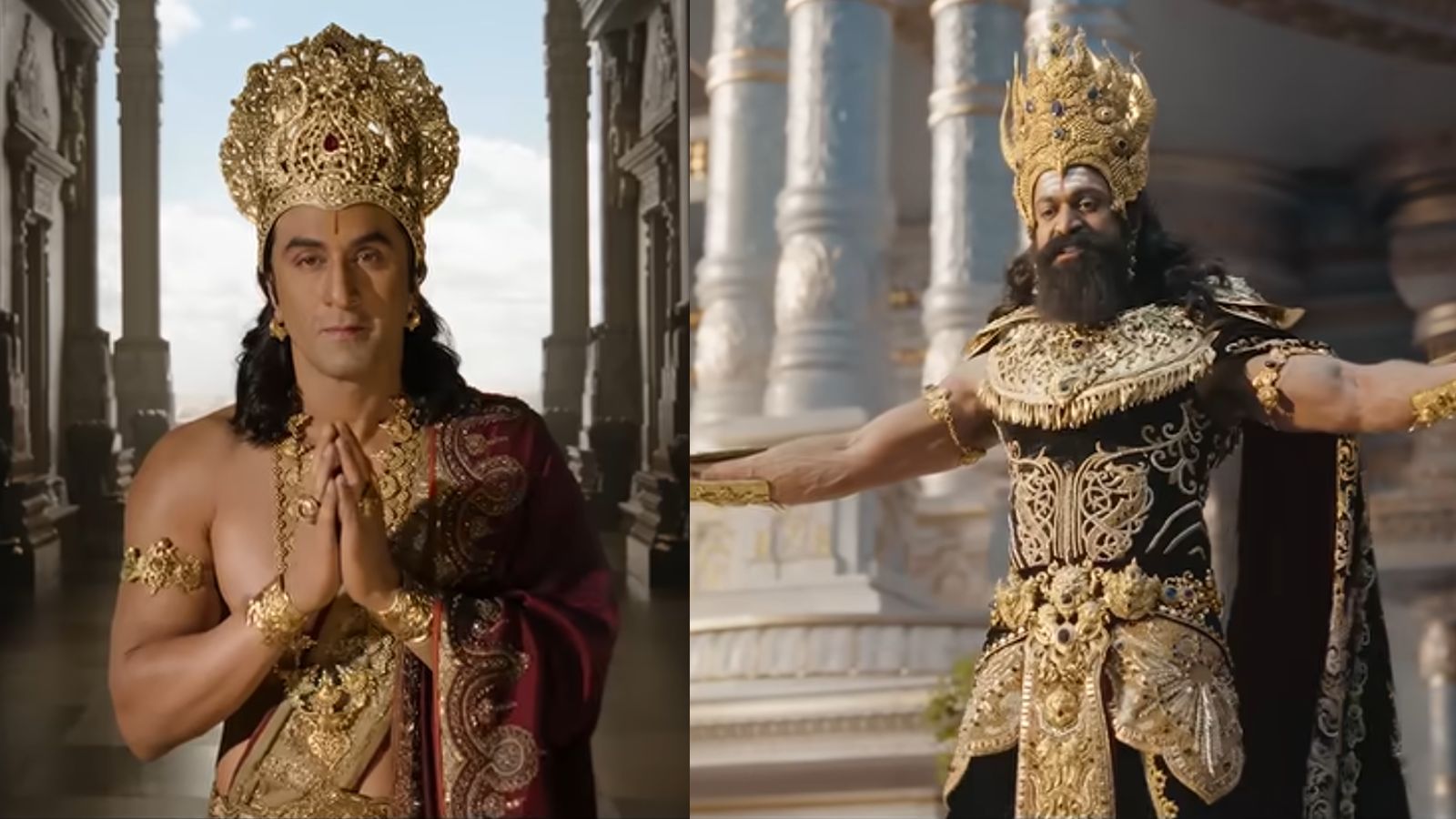
Ram is devoted to Sita, smitten by her charm and generosity in Vanvas as he was in the palace. He had sworn to take no other wife and rejects the proposal of Shurpanaka, sister of Ravan. As Lakshman disfigures the face of Shurpanaka for trying to seduce his brother, Ram takes objection. In another scene, Ram, the dharmic prince, seeks forgiveness before slaying a demon because it was a woman.
Over the course of the movie, Ram gradually discovers his divinity. The unbound strength and wisdom of Ram is revealed to the viewers in a scene where he meets Parashuram, the fiery sage-warrior, another incarnation of Lord Vishnu. But in terms of character arcs, Ramayana: Part 1 does not establish Ram's quite as clearly as it does Ravan's. “It wasn’t an accidental decision,” Anupam Kher told Hollywood Reporter.
The veteran actor, who plays the bird king Jatayu in the movie, says in the interview that the director “knew from the beginning that he was making the film in two parts”. “He needed to establish the villain as someone much bigger, so that the triumph of good over evil in the second part would feel much larger. Once you establish the villain, you understand the scale of what has to be overcome,” Kher said.
By that admission, the makers have achieved their immediate objective. They have made Ravan so compelling that one might understand his worldview even without approving to his violent nature. His ambition and ego overwhelm his virtues. The challenge before the makers of the movie is to develop the character of Ram as compelling as the antagonist in the second part. In short, Ravan has set the bar rather high.