


One of the wonders of Norway’s northern summer, the mountain rose straight from dark and deep waters of the Norwegian fjord, its slopes blending with the low cloud, and the endless daylight. For the wanderers to reach here is a dream, a mountain dream. But Italian paraglider Aaron Durogati decided to take a walk, a walk with real adventure. The mountain called him, and he said Yes.
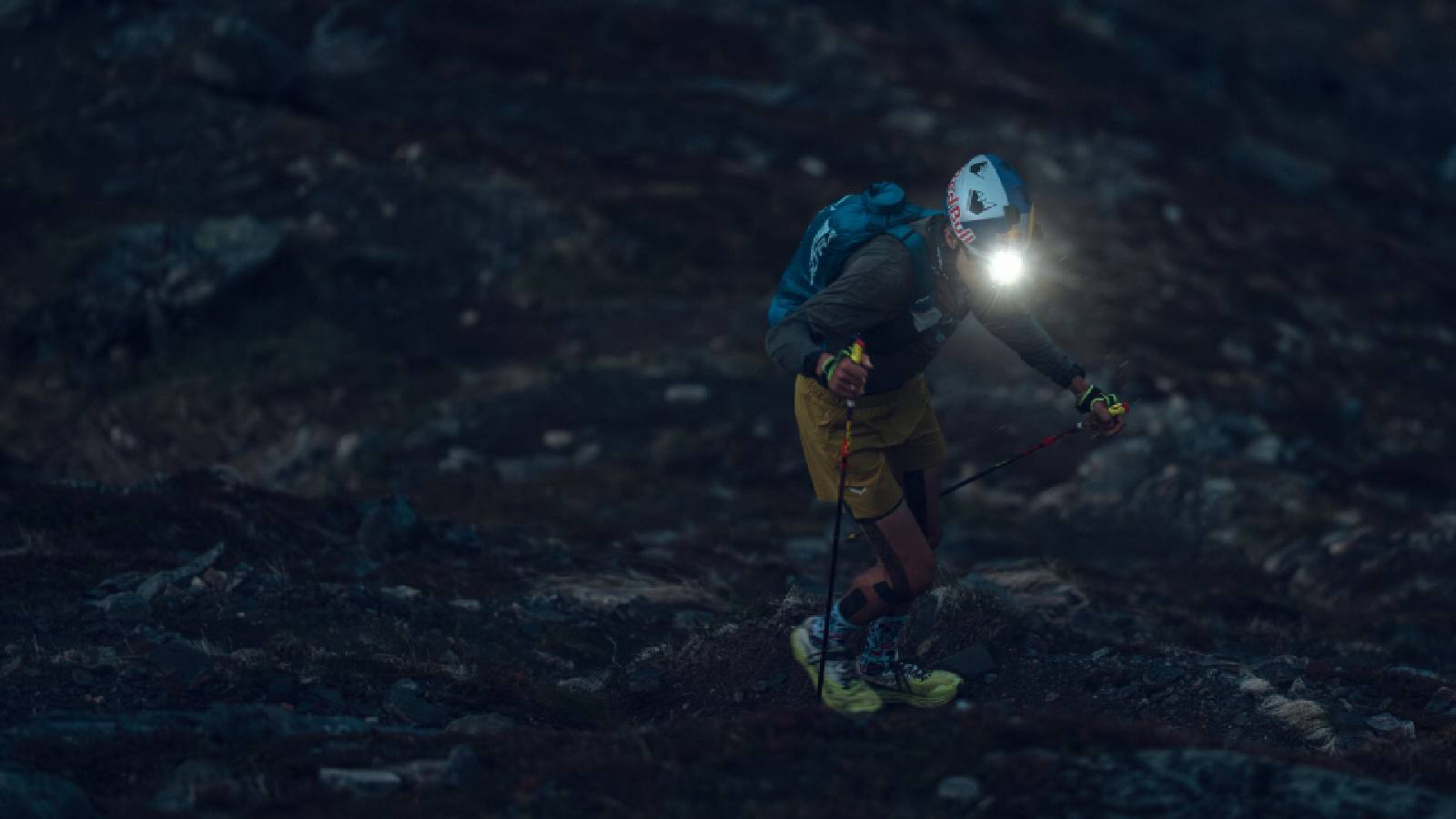
Across June 7 and 8, the reigning Red Bull X-Alps champion pushed the limits of human endurance and precision, setting a new Hike-and-Fly World Record on Norway's iconic Slogen Mountain. By the time he finished, Durogati had climbed an astonishing 19,424 metres—more than twice the height of Mount Everest—in less than 24 hours.
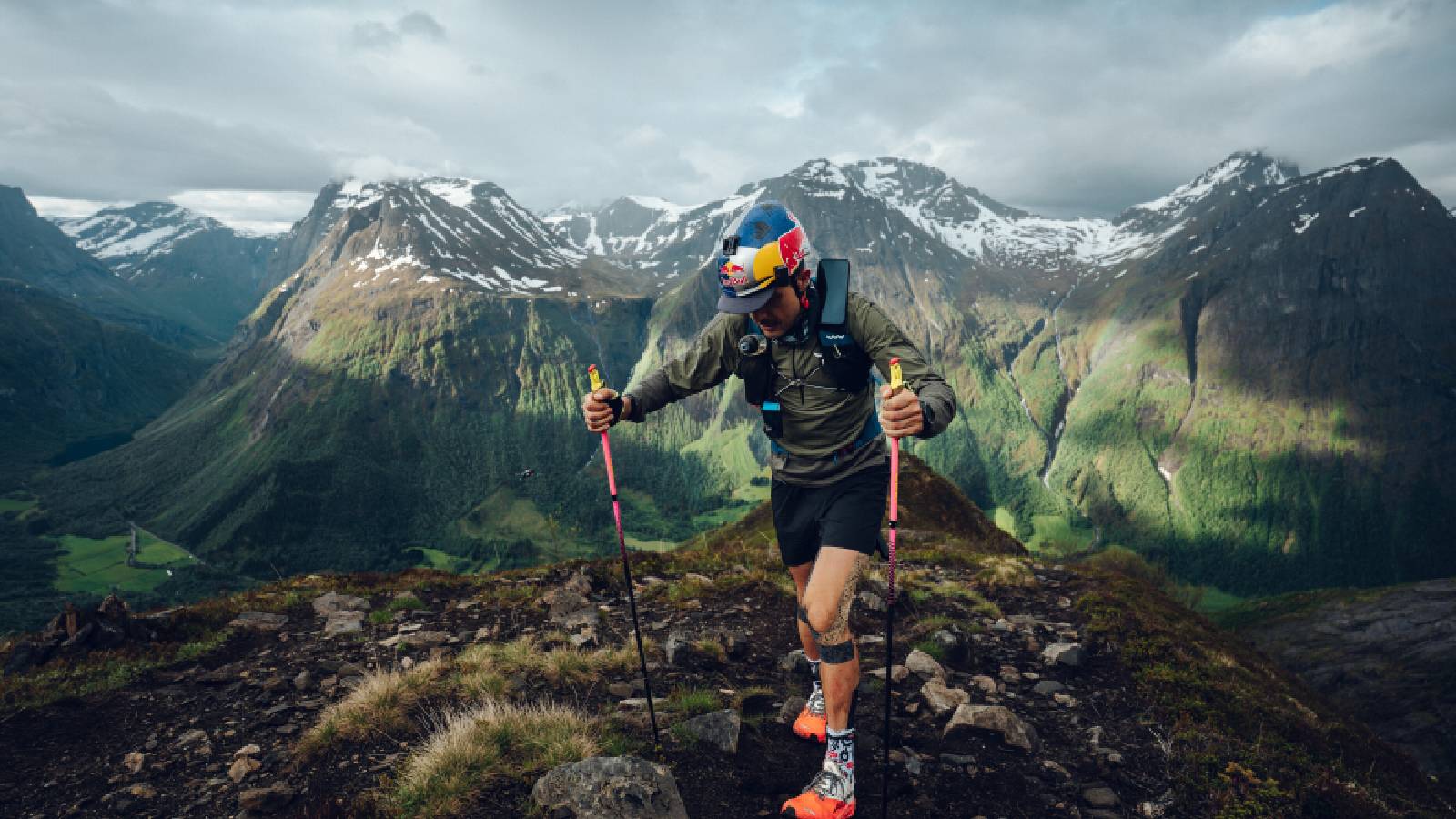
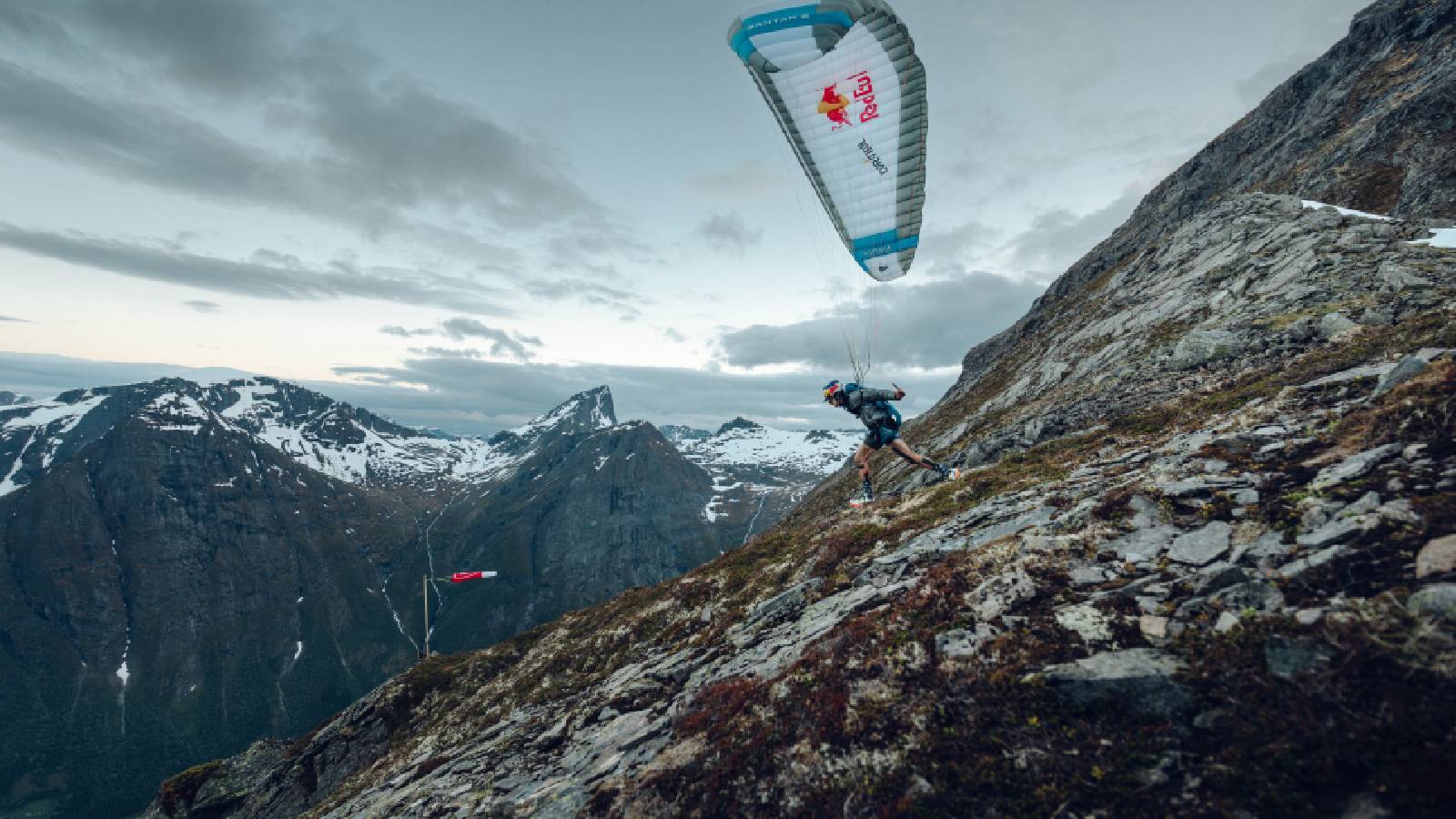
The challenge was deceptively simple: hike to the summit, launch a paraglider, fly back down, and repeat. Again. And again.Eighteen times.
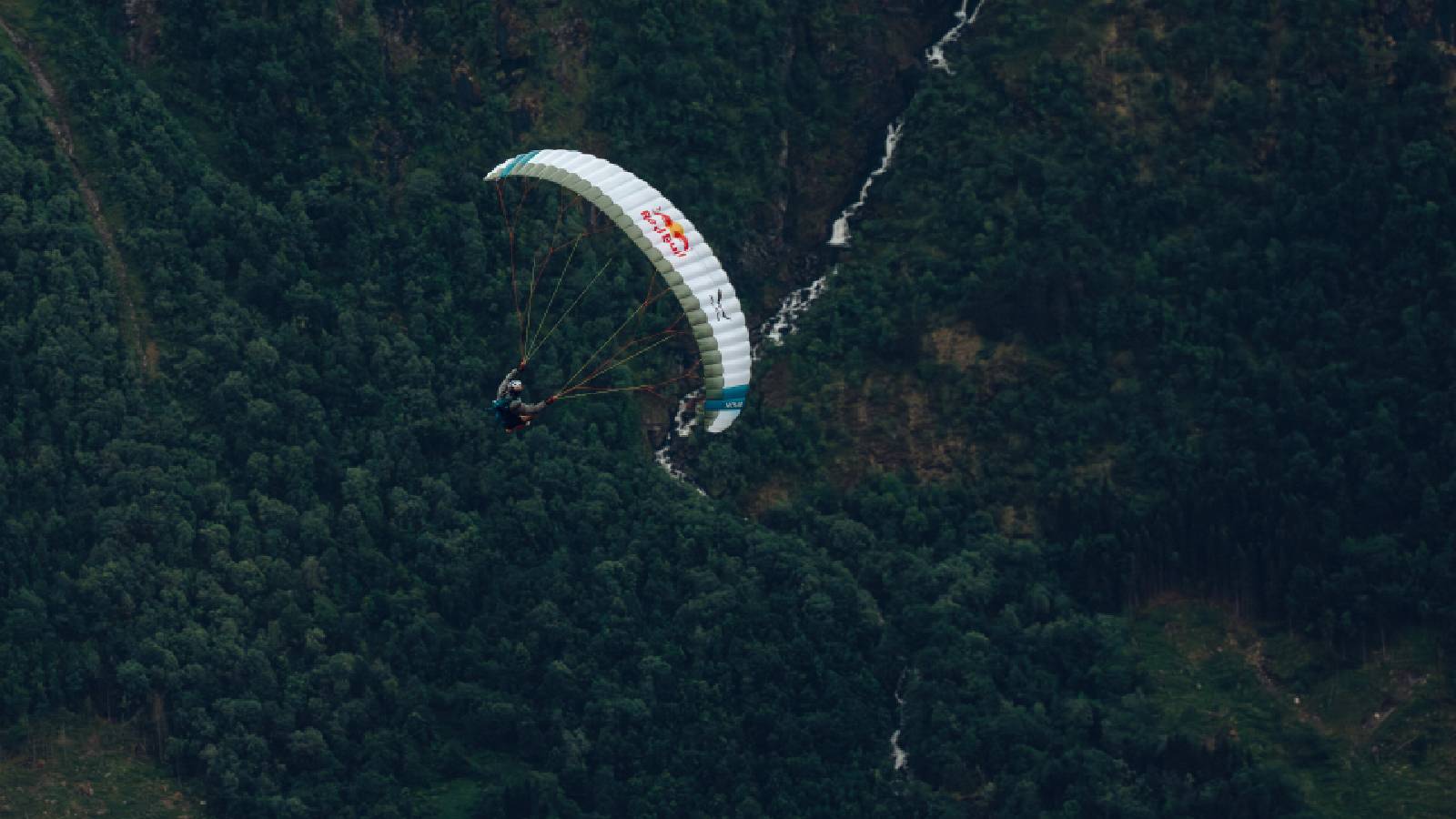
Each ascent followed a demanding 2.57-kilometre route rising roughly 1,080 metres from near sea level. Waiting at the top was only a brief moment of relief before Durogati spread his wing and plunged back toward the fjord below, sometimes reaching speeds of 86 kilometres per hour.
But the record attempt was far from a smooth ride.
Shifting winds, rain showers, physical exhaustion and the complexities of flying through the night all threatened to derail months of preparation. Yet Norway's unique 24-hour daylight provided a crucial advantage, allowing Durogati to keep moving while the clock relentlessly counted down.
The achievement did not happen by chance. The 41-year-old spent months refining every detail of the project, from his physical conditioning to specially designed ultralight equipment. Every second mattered. Over 18 climbs, small gains in efficiency could add up to the difference between success and failure.
"There were a couple of hard moments," Durogati admitted after the record. "Already after 4,000-5,000 vertical metres I got really tired, especially thinking about the 20 hours I had left."
To stay focused, he broke the enormous challenge into smaller pieces, concentrating on each climb, each flight and each step rather than the daunting total ahead.
By the end of the attempt, his total ascent had surpassed the previous record by 1,890 metres, rewriting the history books of the rapidly growing hike-and-fly discipline.
For Durogati, however, the achievement represented more than a number.
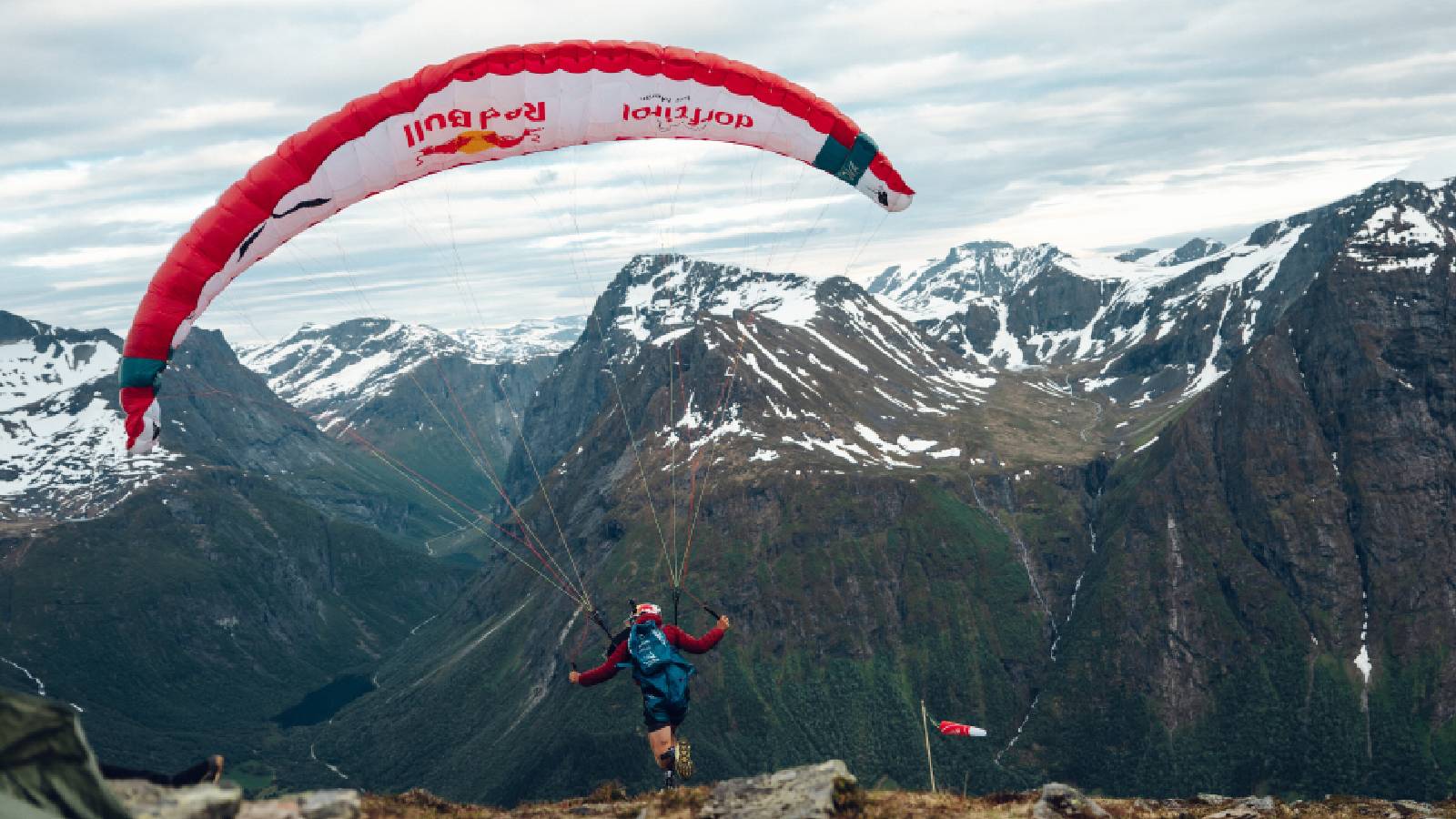
"It feels really amazing as it was a long-term project," he said. "In the last 24 hours, everything came together."
Against the backdrop of one of the world's most spectacular landscapes, a man spent a day climbing toward the sky and flying back to earth. Eighteen times. More than two Everests high.
And when the sun finally set on the Norwegian fjords, a new world record stood above them.