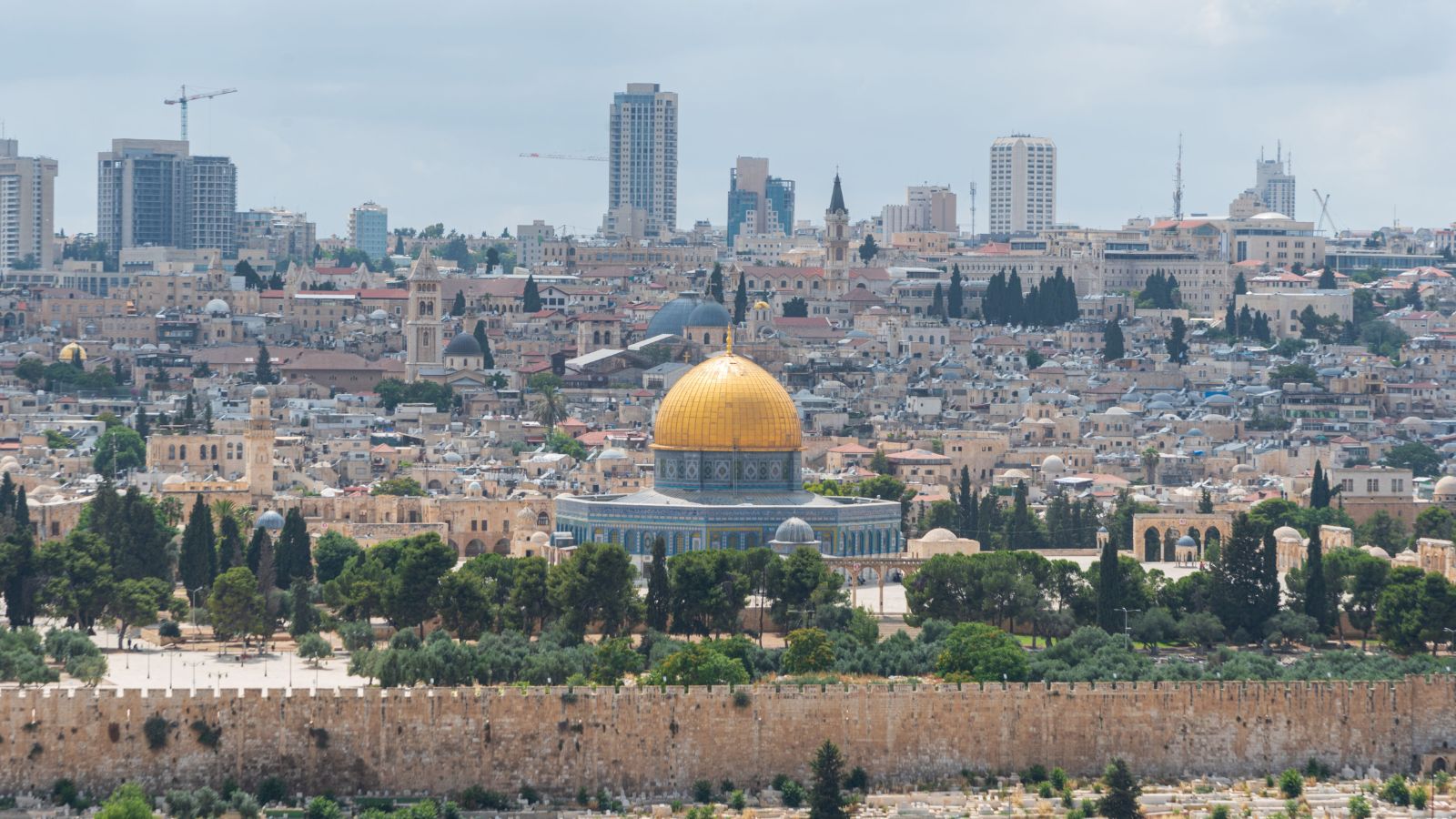


Panaji: Israel expects Indian travellers to return in greater numbers as it works to rebuild its tourism market, with better air connectivity, streamlined visa processes and a wider range of travel experiences expected to support a recovery to pre-war visitor levels by 2027.
Before the Israel-Gaza war disrupted its tourism growth, Israel had witnessed one of its strongest recoveries following the COVID-19 pandemic, Amruta Bangera, Director of Marketing, Israel Ministry of Tourism, told PTI in Panaji on Saturday.
"Around 69,100 Indian visitors travelled to Israel in 2019, while nearly 44,000 visited between January and September 2023, before the war," she said.
"Our recovery following the pandemic was among the strongest across our key source markets, and we were on track to match, or even surpass, pre-pandemic arrival levels," she noted.
Had the conflict not interrupted this momentum, Israel would have been well on its way to welcoming more than 100,000 Indian visitors annually, Bangera said.
Israel views the current situation as a temporary disruption rather than a long-term challenge and remains optimistic about restoring Indian visitor arrivals to pre-war levels by 2027.
In 2025, Israel welcomed nearly 13,900 visitors from India. Despite the challenging circumstances, Indian travellers continued to choose Israel, reflecting the resilience of the market and the enduring interest in the destination, she said.
For Indian travellers, air connectivity remains one of the biggest factors that could support the recovery. There are currently no direct flights between India and Israel, although most major international airlines have resumed operations to Ben Gurion Airport from destinations across the world.
"We are aware that both Indian and Israeli carriers remain keenly interested in this market, and we are optimistic that there will be positive developments in the near future," Bangera said.
In the meantime, Indian travellers can reach Israel via leading Middle Eastern carriers, which have maintained consistent connectivity.
Israel is also seeking to broaden its appeal among Indian visitors, with its tourism offering spanning culture, heritage and gastronomy as well as wellness, luxury, adventure and nature.
Before the COVID-19 pandemic, a growing number of Indian visitors were choosing Israel for leisure holidays, MICE (Meetings, Incentives, Conferences, and Exhibitions) travel and other experiential journeys, reflecting changing travel preferences, Bangera said.
Religious tourism remains an integral part of Israel's tourism offering because of the country's spiritual significance.
At the same time, the tourism ministry has sought to broaden the destination's appeal by showcasing its cities, culinary experiences, luxury offerings, wellness, adventure and MICE infrastructure as the Indian market recovers.