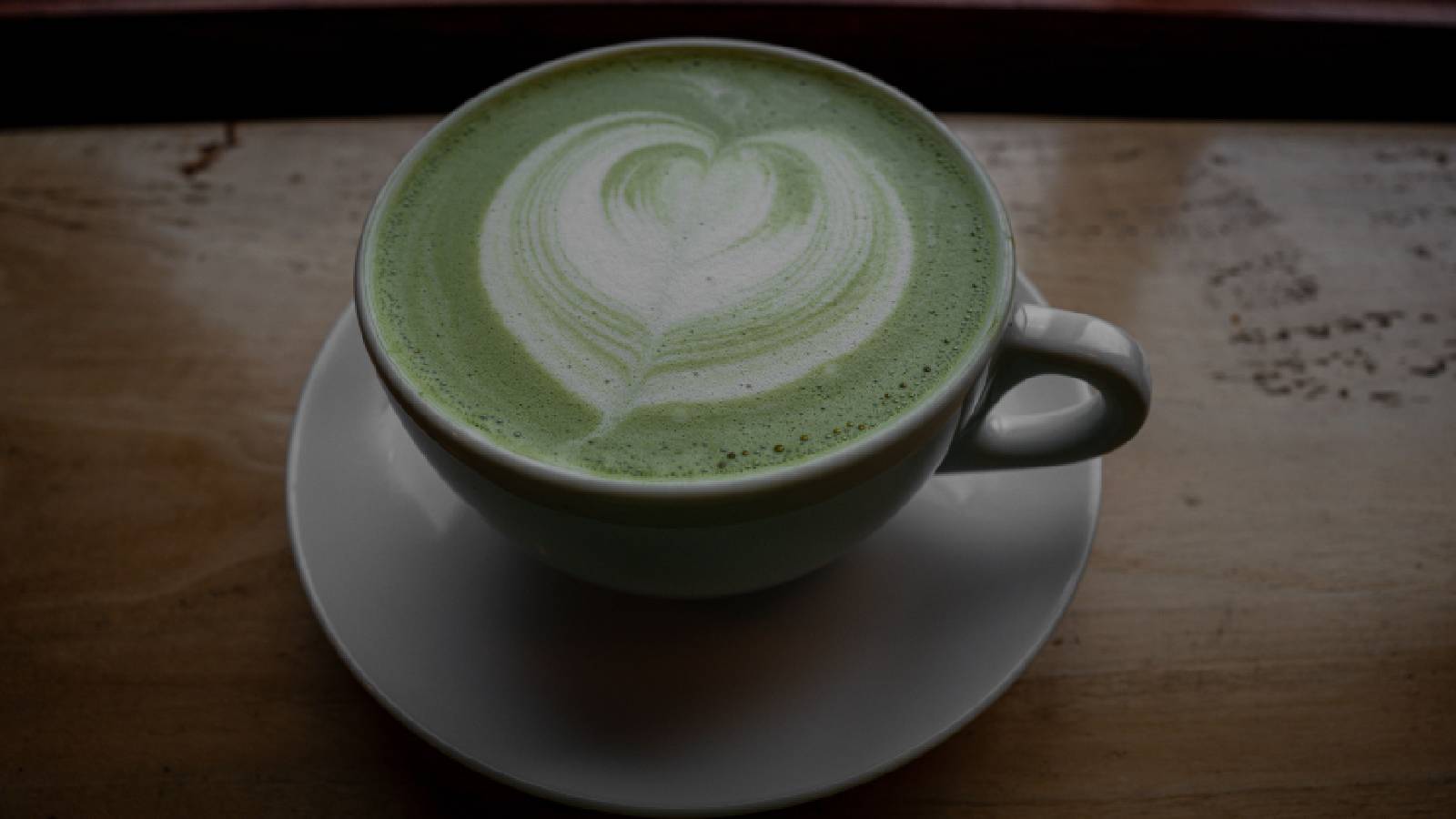


A vibrant green cup of matcha has become a familiar sight in cafés across the world. Whether served traditionally or blended into creamy lattes, the finely ground tea powder has evolved from an ancient Japanese ritual into a global lifestyle favourite. But behind every cup lies a story rooted in centuries of tradition.
The journey begins in Uji, a historic city near Kyoto, regarded as the birthplace of Japan's finest matcha. Surrounded by rolling tea fields, Uji has cultivated tea for centuries, producing the high-quality tencha leaves that are transformed into the emerald-green powder enjoyed today.
The process is both meticulous and deeply rooted in tradition. Before the spring harvest, tea plants are covered with black shade cloth to protect them from direct sunlight, allowing the leaves to develop their rich colour and distinctive flavour. Once harvested, the leaves are steamed, cooled, dried and slowly stone-ground into matcha.
Matcha's history dates back to the 12th century, when Zen priest Eisai introduced tea cultivation to Japan from China. Over time, the beverage became central to the Japanese tea ceremony, an art that celebrates harmony, respect, purity and tranquillity. Today, tea masters continue to preserve this centuries-old practice, where preparing and sharing a bowl of matcha is considered a mindful cultural experience rather than simply drinking tea.
Yet as matcha captures the attention of the world, its growing popularity is creating new challenges in Japan.
Global demand has driven the price of tencha to record levels, making it increasingly difficult for tea producers to secure enough supply. Even long-established tea companies with centuries of experience are feeling the pressure, while teachers and students of traditional tea ceremonies have struggled to obtain the high-quality matcha they need.
Outside Japan, however, matcha continues to inspire curiosity. Cafés across cities such as New York, London and Sydney now feature matcha alongside coffee, introducing new audiences to its earthy flavour and vibrant colour. Many first discover it through a latte before exploring the rich cultural heritage behind the drink.
Rather than resisting this global interest, some Japanese producers are embracing it by developing matcha suited to different tastes while continuing to protect traditional methods of cultivation and preparation.
As matcha travels far beyond the tea rooms of Kyoto, it tells a story of cultural exchange. Each cup carries with it generations of craftsmanship, reminding travellers that some of the world's oldest traditions continue to find new meaning in modern life.