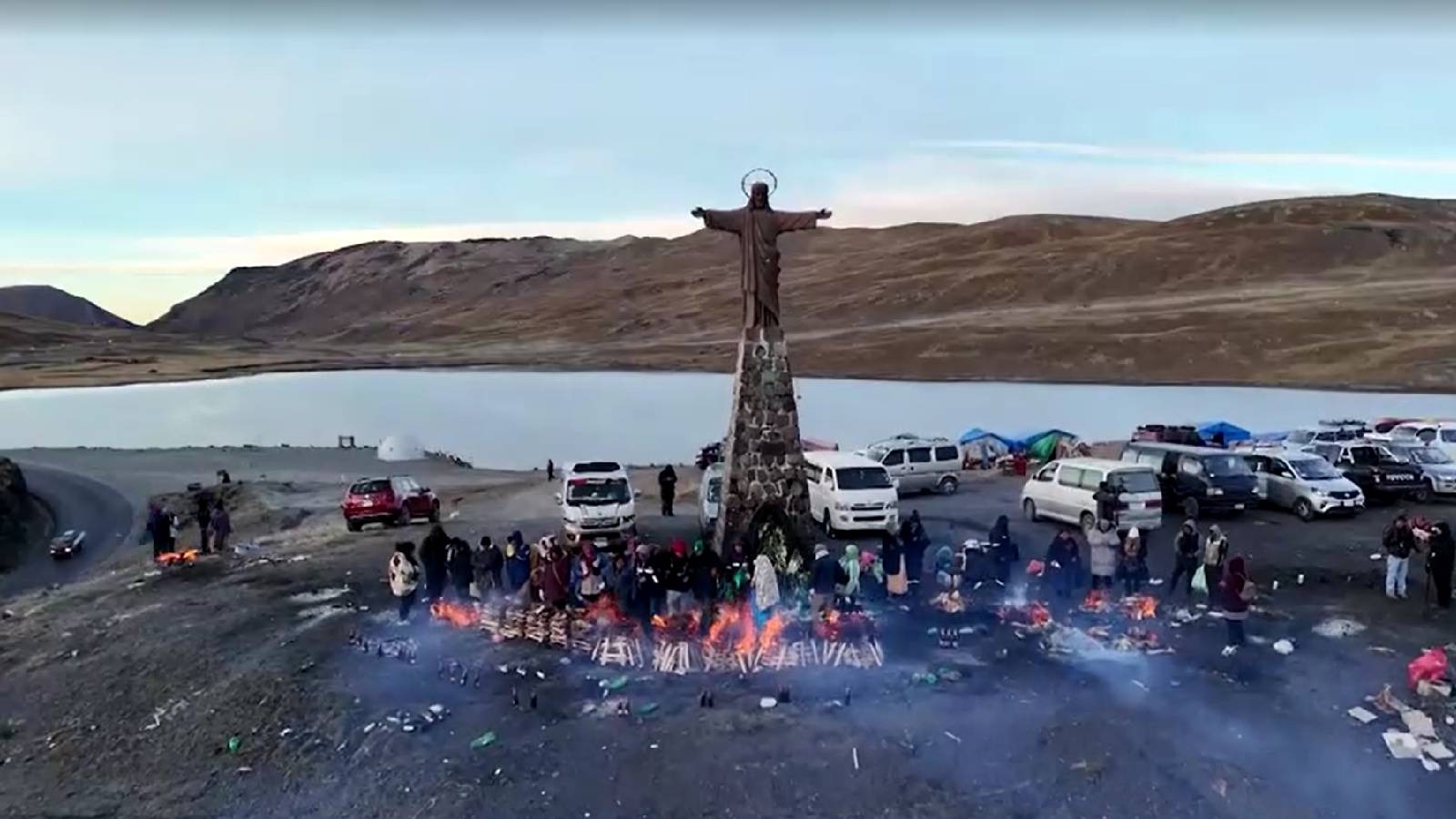


Before sunrise, the hills above La Paz and El Alto begin to fill with people carrying bundles of sweets, coca leaves, incense and flowers. As the first light reaches Bolivia's snow-capped Royal Mountain Range, smoke rises into the crisp mountain air, prayers are whispered and offerings are placed into ceremonial fires. It is Pachamama Day – one of the most significant spiritual celebrations in the Andes.
Observed every year on 1 August, the festival honours Pachamama, or Mother Earth, a central figure in the Andean worldview. For Indigenous Quechua and Aymara communities, the day marks the beginning of a new agricultural cycle and serves as a moment to express gratitude for nature's abundance while asking for prosperity, health and protection in the months ahead.
The word Pachamama comes from the Quechua language. While mama simply means "mother", pacha has a broader meaning that encompasses earth, world, time, space and the universe. Together, the name reflects a belief that nature is not merely a resource but a living presence that sustains all life.
Across Bolivia, families and communities gather before dawn at sacred viewpoints and mountain shrines. Ceremonies are led by amautas and yatiris – traditional Andean spiritual guides – who prepare ritual tables known as mesas. These are carefully arranged with colourful sweets, coca leaves, alcohol, incense and symbolic offerings.
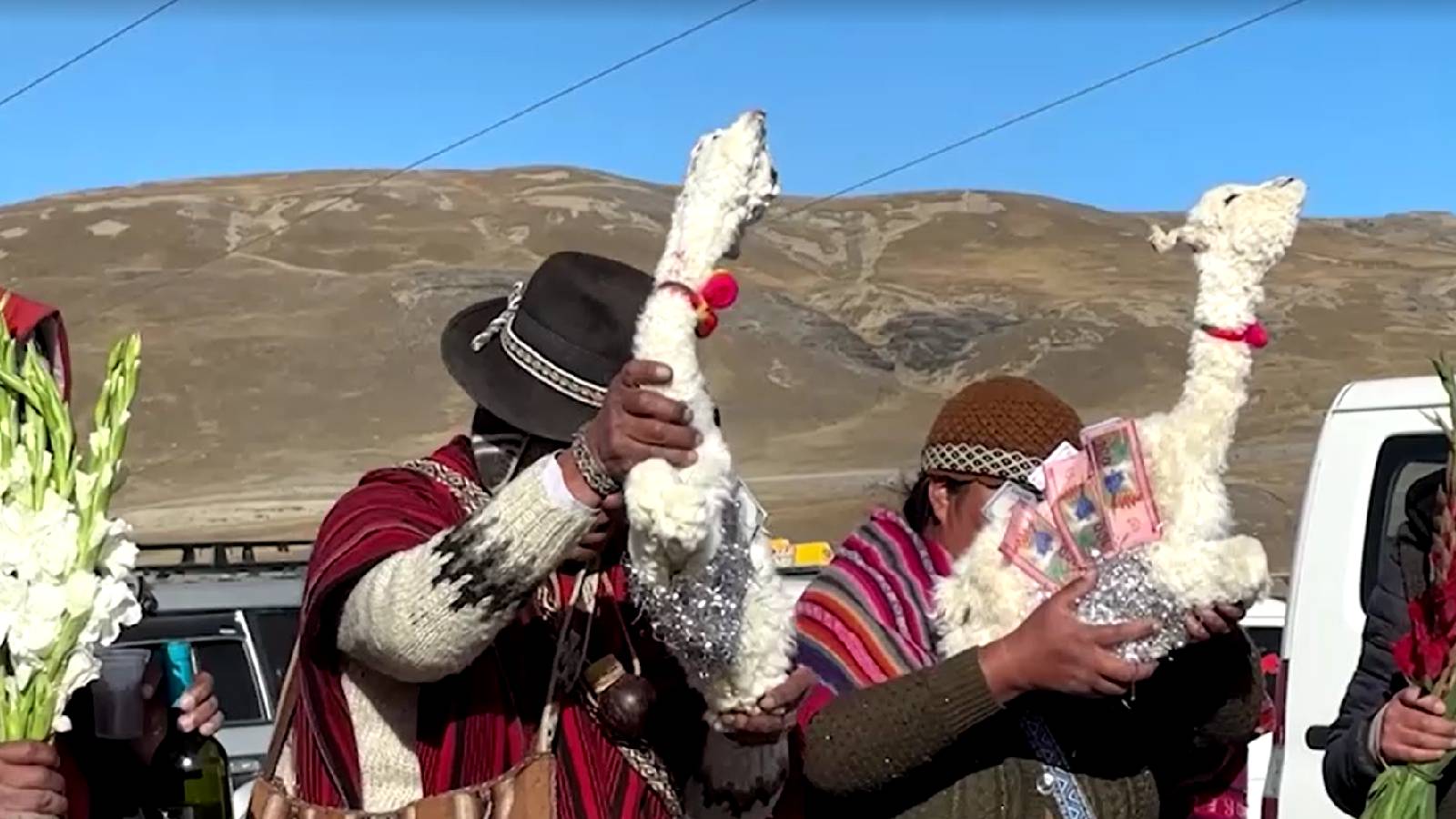
In some ceremonies, dried llama fetuses, regarded as sacred offerings rather than sacrifices, are burned as prayers rise with the smoke toward the surrounding peaks, believed to be protected by the Achachilas, revered mountain spirits.
Although Bolivia hosts some of the largest public celebrations, Pachamama Day is also observed across parts of Peru, Argentina and Chile, where Quechua and Aymara traditions continue to shape cultural life.
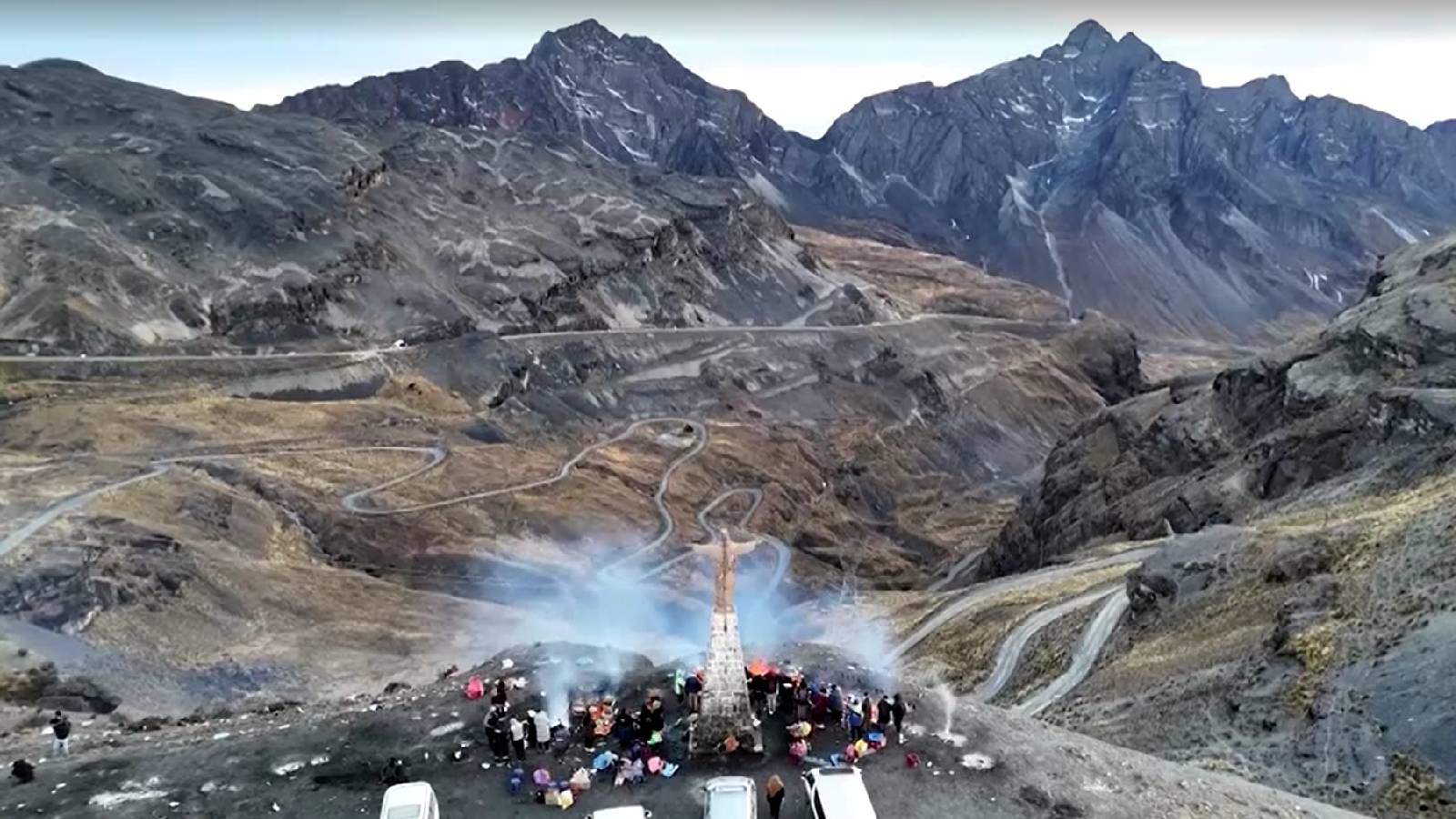
For travellers, witnessing Pachamama Day offers a rare glimpse into a living tradition that predates the Inca Empire's fall and the arrival of European colonisers. Rather than a spectacle, it is an intimate expression of gratitude, reciprocity and respect for the natural world.
Against the dramatic backdrop of the Andes, the festival is a reminder that for many communities, mountains are guardians, the earth is family, and giving thanks to nature remains an essential part of everyday life.