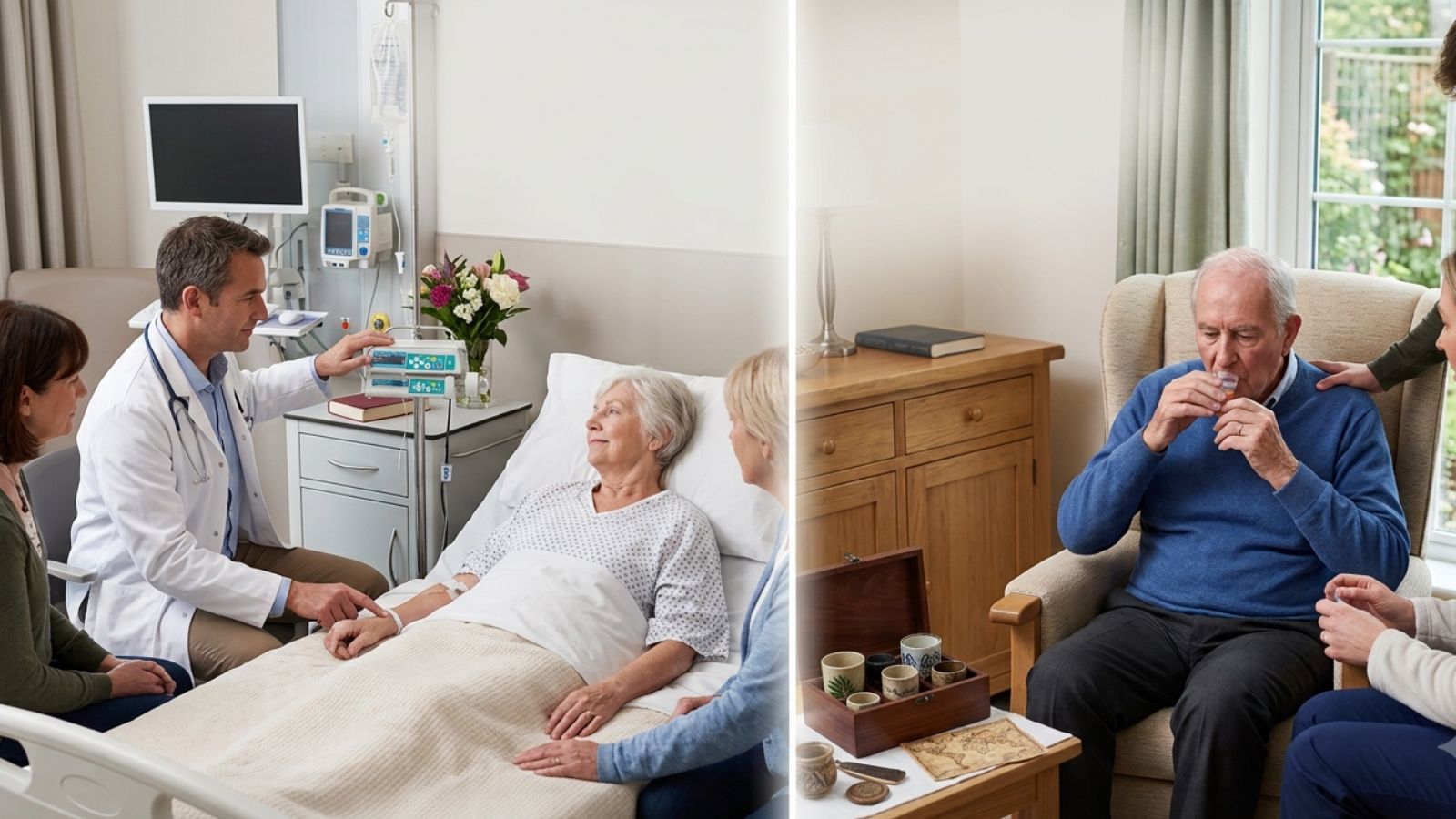


Death is an eventual certainty, but the circumstances surrounding it can vary widely. While suicide remains illegal in many countries, some jurisdictions allow people with terminal or incurable illnesses to choose how and when their lives end under specific legal conditions.
Two terms often used in this context are euthanasia and assisted dying. While both involve medical assistance in ending a person’s life, the patient's role and the medical professional's role differ.
So, how do these laws work, where are they permitted, and what is the difference between euthanasia and assisted dying? Here is a closer look.
Euthanasia vs assisted dying
According to the National Health Service (NHS) UK, Euthanasia is the act of deliberately ending a person's life to relieve suffering. The doctor performs the act by giving certain drugs or using other methods to end the life.
Whereas assisted dying is the act of deliberately assisting another person to end their life.
The major difference between the terms is who causes the death.
If a doctor performs the final act of death for a person, that is euthanasia.
On the other hand, if a person is taking their life, but with the assistance (prescription) of a medical professional, that is assisted dying.
Euthanasia is generally classified into two categories based on whether the person has given consent.
Voluntary euthanasia: Where a person makes a conscious decision to die and asks for help to do so.
Involuntary euthanasia: Where a person is unable to give their consent (for example, because they're in a coma), and another person makes the decision on their behalf, perhaps because the ill person previously expressed a wish for their life to be ended in such circumstances.
The type of euthanasia performed depends upon the individual and their circumstances.
Origin of euthanasia
The word euthanasia derives from the Greek word ‘eu ’, which means good, and the word ‘thanatos ’, which means death; therefore, the etymological meaning of this word is ‘good death’.
The English philosopher and statesman Francis Bacon is often associated with the development of the modern meaning of euthanasia.
In the 17th century, Bacon used ‘euthanasia’ in the context of medicine and argued that physicians should help make dying easier and more comfortable.
Importantly, this was still largely about relieving suffering during dying, not necessarily deliberately causing death.
In 1939, Hitler-led Nazi Germany carried out what they called the ‘Euthanasia Programme’, where they took the lives of approximately 2,50,000 people between 1939 and 1945, in the name of medical care for people with physical and mental disabilities, including institutionalised patients and children. The killings were non-consensual, causing widespread outrage against the programme and eventually putting an end to it. This can be seen as an example of how such laws can be taken advantage of if gone into the wrong hands.
But this is not what modern euthanasia stands for. It stands for an individual’s right to their own life, their medical rights, and the freedom to excercise own one’s own body.
Similarly, assisted dying also followed alongside the euthanasia history, simultaneously taking its course.
Legalities in the procedures
Netherlands became the first country to legalise euthanasia and assisted dying in 2002. Moreover, many other countries followed suit. Assisted dying was prevalent in Switzerland from 1942. Swiss law has long distinguished between assisted dying and direct active euthanasia.
Under the Swiss model, a person may receive assistance in ending their life, but the person must ultimately perform the final act themselves.
This helped make Switzerland internationally prominent in discussions about assisted dying.
It also led to the development of organisations assisting people seeking a medically assisted death, and many foreigners also travel there to perform the act.
There is another form of euthanasia called ‘duo euthanasia ', where couples die together. According to reports, in 2023 alone, 66 people (33 couples) ended their lives through this method. Former Dutch prime minister Dries van Agt and his wife died this way.
Belgium, Luxembourg, Australia, a few states in the United States, and many more also legalised the act.
Canada introduced Medical Assistance in Dying (MAID) in 2016, a legally regulated process through which an eligible person can receive medical help to end their life because of a serious medical condition and intolerable suffering
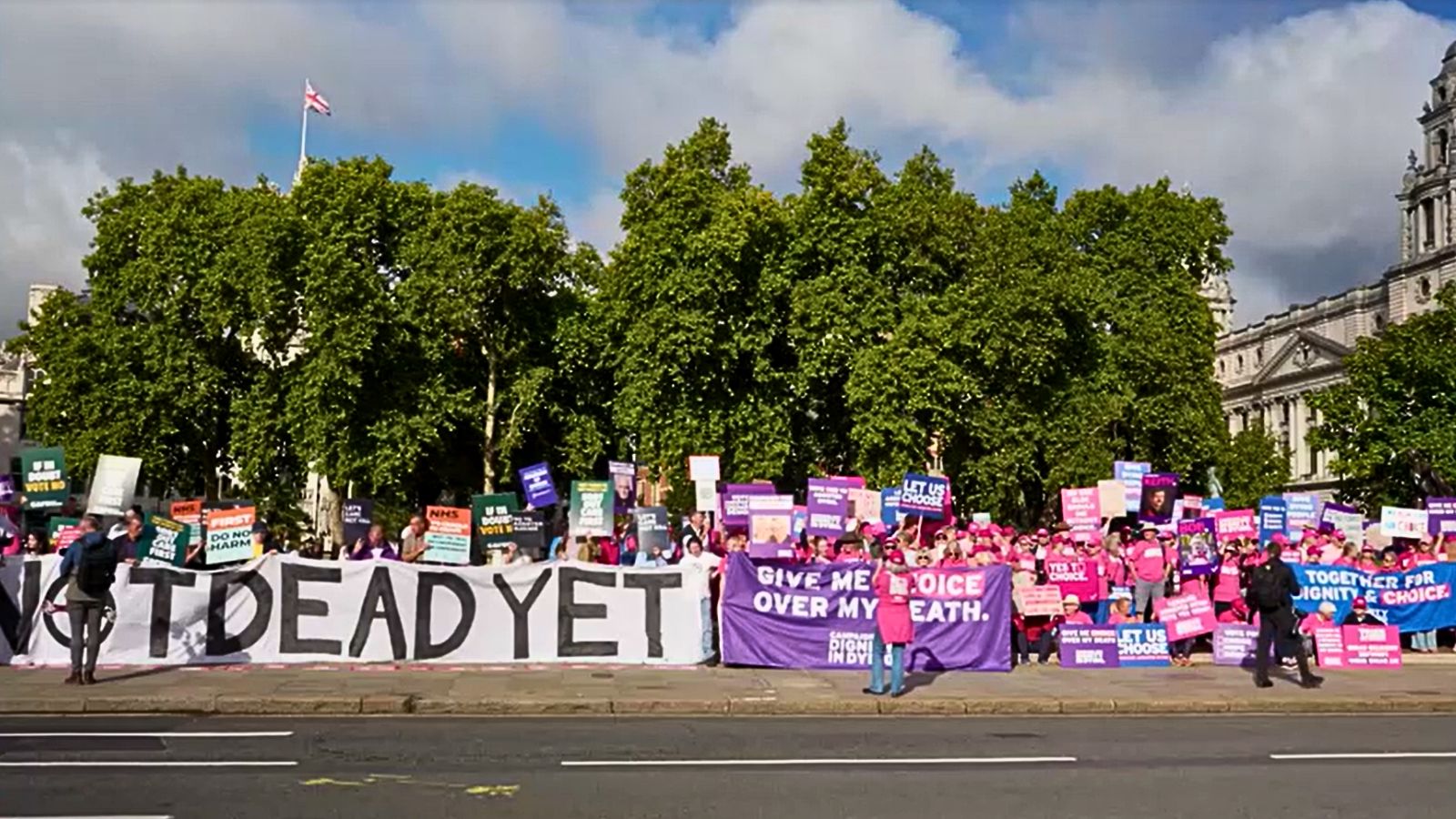
In the UK, lawmakers recently rejected the 'Terminally Ill Adults (End of Life)' bill, with 286 MPs voting against and 270 in favour, effectively ending the latest attempt to allow terminally ill adults in England and Wales to choose to end their lives.
Also Read:
Eligibility for euthanasia or assisted dying depends entirely on the country's law. Most systems require a voluntary and informed request, decision-making capacity, and a qualifying medical condition or suffering, but the exact criteria and safeguards vary.