


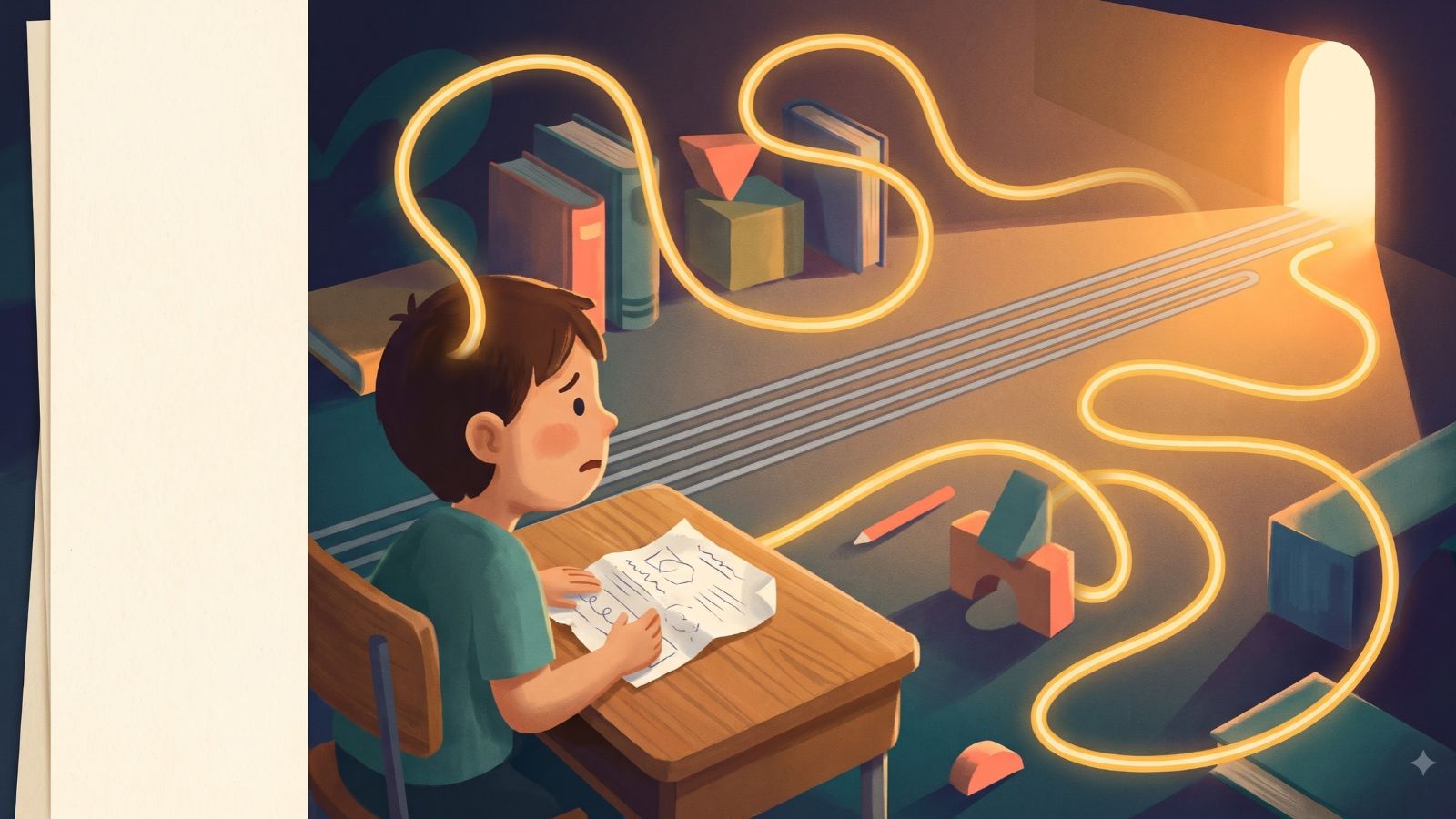


Every classroom has the child who "just isn't a numbers person". Teachers say it, parents repeat it, and sooner or later the child believes it too. A new brain-imaging study from Stanford University suggests the real explanation is far more specific and has little to do with the child's character.
Published in The Journal of Neuroscience, the research focused on children with developmental dyscalculia, a learning disability that makes maths unusually hard. Think of it as dyslexia's numerical cousin. A child with dyscalculia can be bright, curious, and strong in many subjects, yet still stumble over basic arithmetic, recognising numbers, or following mathematical reasoning.
It is also quite easy to miss. A child who has trouble with sums often does not seem like a child with a learning disability. They might seem distracted, slow, or not interested. Many are just told to practise more, so they do, but they get the same results and lose a bit of confidence each time.
What the scans showed
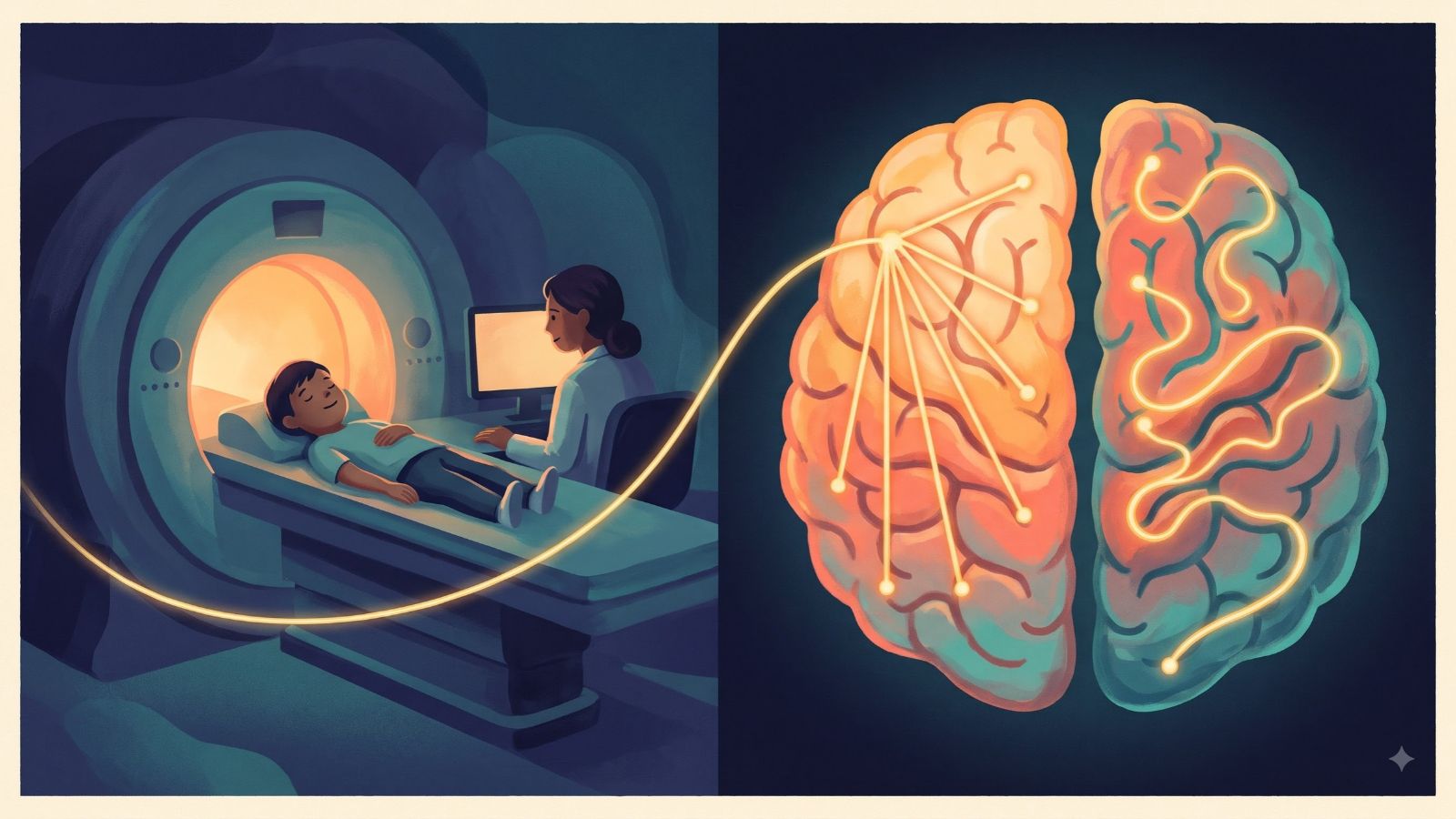
The researchers used functional MRI to observe the children's brains while they worked through maths tasks. The technique shows which parts of the brain are active as a person thinks, making it possible to see the mind at work in real time.
They did not find a brain that simply switched off. What stood out was how different regions communicated. Areas linked to handling numbers, maintaining attention, and controlling thought behaved differently in children with dyscalculia than in their classmates. The pattern suggests these children may reach answers by a different neural route.
That distinction matters. A silent brain would point to something missing. A busy brain wired differently points to a child who is doing the work, just along another path.
The label children carry
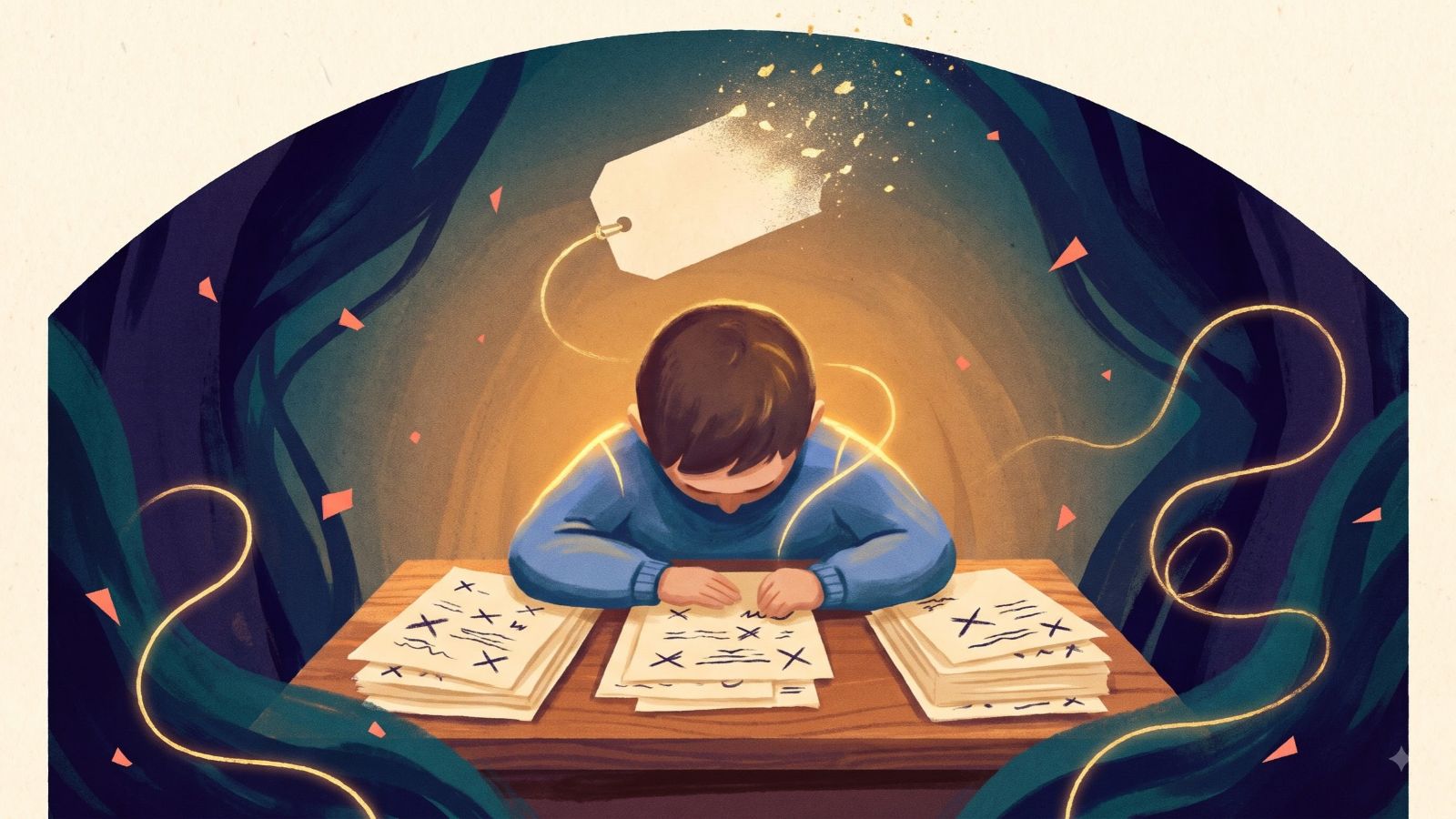
Years of wrong answers can wear kids down. Frustration grows, anxiety sets in, and many children settle on a verdict that they are bad at maths. The study supports the growing idea that these struggles are linked to brain development, not laziness or lack of effort.
Researchers also note that dyscalculia does not reflect a person's intelligence. Many people with it succeed in other school subjects, creative areas, and problem-solving that does not rely on numbers.
The study also fits a wider pattern. Learning disabilities are increasingly being traced to measurable differences in the brain, which gives families and schools something firmer than guesswork to work with.
For teachers, findings like these could be useful in practice. Classrooms have long been built around one way of teaching, and a clearer understanding of how different brains handle numbers could help schools design support that fits the child. Instead of asking a struggling student to try harder, educators could ask a better question: how does this child process numbers?
Children do not all learn the same way. A student who keeps struggling may not be unable to learn maths. Their brain may simply be taking a different route to get there.