


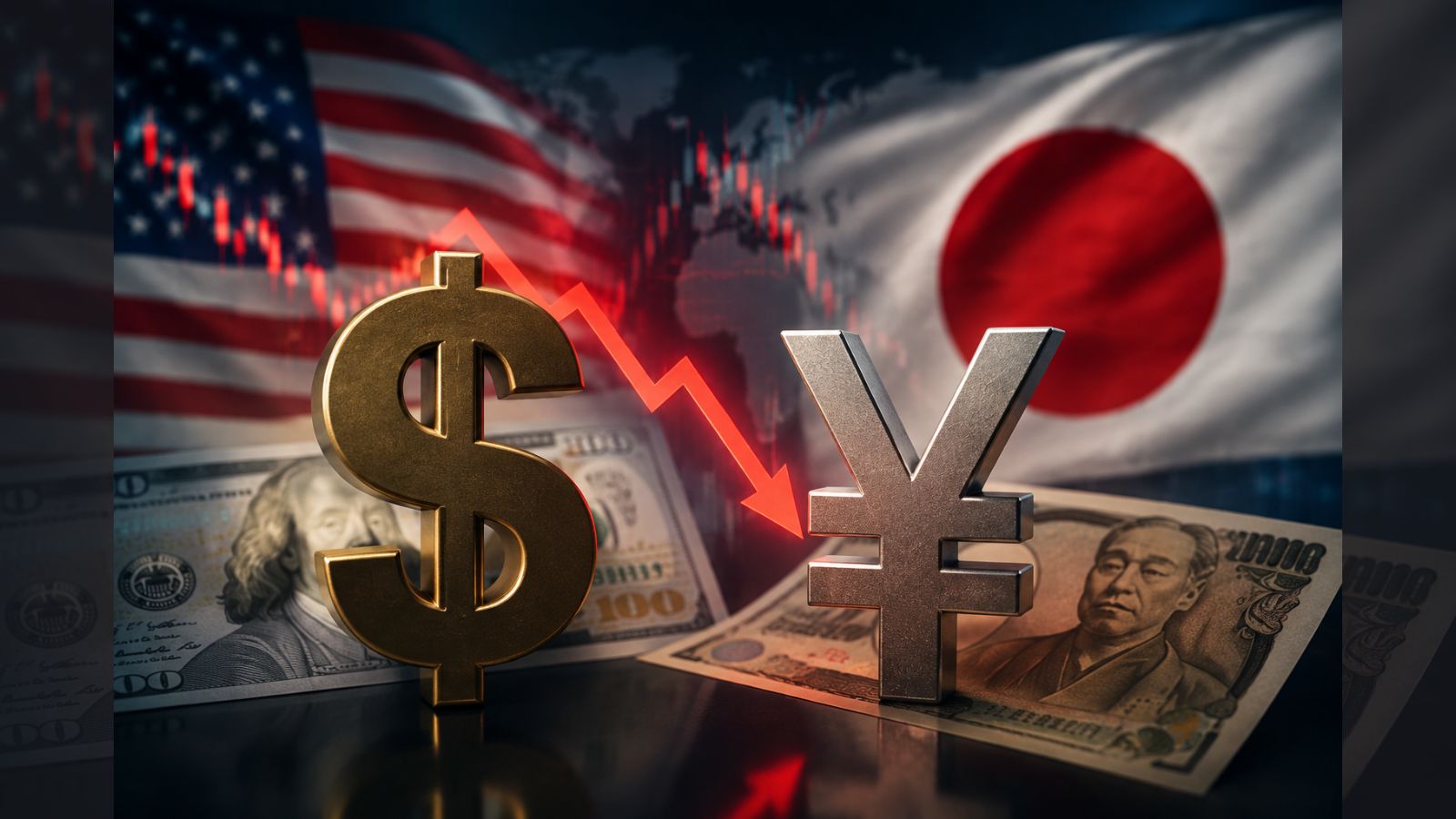


Tokyo: The US dollar weakened sharply on Monday against the Japanese yen after US President Donald Trump and Japanese Finance Minister Satsuki Katayama confirmed that both countries had intervened in currency markets.
Before late last week, the dollar was trading above 163 yen, touching 40-year highs. After regulators were suspected of stepping in, it fell below 160 yen.
Early on Monday, following the official confirmation of the intervention, the dollar dropped about 1% to 156.34 yen, marking a significant move in the exchange rate.
The yen's prolonged weakness against the dollar has been a source of frustration for Tokyo. As Japan imports a large share of what it consumes, a weaker currency pushes prices higher, adding to inflationary pressures.
Efforts earlier this year to strengthen the yen against the dollar had little impact on the exchange rate.
Last week, the United States was suspected of assisting Japan's efforts. Asked why Washington was helping, Trump said on Sunday: "We have a good relationship with Japan. We're very strong — very, very strong financially — and they are, you know, they have a weakening yen, and they wanted a little bit of help, and we're always there for Japan. Japan's been very good to us, with the exception, of course, of Pearl Harbor."
Trump said the United States gained a "financial benefit" from the intervention, describing it as a "signal of friendship".
"It's also good for the world economy," he said.
In Tokyo, Japanese Finance Minister Satsuki Katayama issued a statement confirming the intervention, saying the finance ministry had purchased yen in coordination with the US Treasury Department.
The move followed a joint statement issued last year and "countered excessive volatility and disorderly movements in the Japanese yen in recent months", the statement said.
It added that the ministry would not hesitate to intervene again if necessary.