

New Delhi: Amid widespread discussion over transaction fees and merchant charges, the Payments Council of India (PCI) has clarified that "UPI will continue to remain free for consumers" and that small merchants will not face charges for accepting digital payments.
"Merchant service charges, where applicable, are commercial arrangements between merchants and payment service providers. They do not mean that consumers pay to use digital payments," PCI posted on X.
There has been considerable discussion around UPI and merchant charges. Here are the facts behind the conversation what it means for consumers, merchants, and India's digital payment ecosystem.
— PCI - Payments Council of India (@PCIUpdates) August 7, 2026
1. Will I have to pay to use UPI?
No. UPI has always been free for consumers since…
Addressing questions regarding the sustainability of the platform, the PCI noted that the Unified Payments Interface (UPI) has evolved into the world's largest real-time payment system since its launch in 2016.
The council said operating the national payment infrastructure requires continuous investment in technology, cybersecurity, compliance, customer support, fraud prevention and innovation. These costs are currently borne by ecosystem participants, including banks and payment service providers, ensuring that users continue to enjoy a seamless and secure payment experience.
Clarifying concerns over potential cost implications, the PCI emphasised that any merchant service charges, where applicable, are commercial arrangements between larger businesses and payment service providers. Consumers, it said, will not have to pay to use UPI for digital payments.
It further stated that small shopkeepers and kirana stores remain fully protected from paying any Merchant Discount Rate (MDR) to accept UPI payments, ensuring digital transactions remain inclusive and accessible for small businesses across the country.
The industry body issued the clarification after the Lok Sabha passed the Taxation and Other Laws (Amendment) Bill, 2026. The legislation, introduced by Finance Minister Nirmala Sitharaman and passed by voice vote without discussion, seeks to amend the Payment and Settlement Systems Act, 2007, the Income-tax Act, 2025, and the Finance Act, 2026.
Also Read:
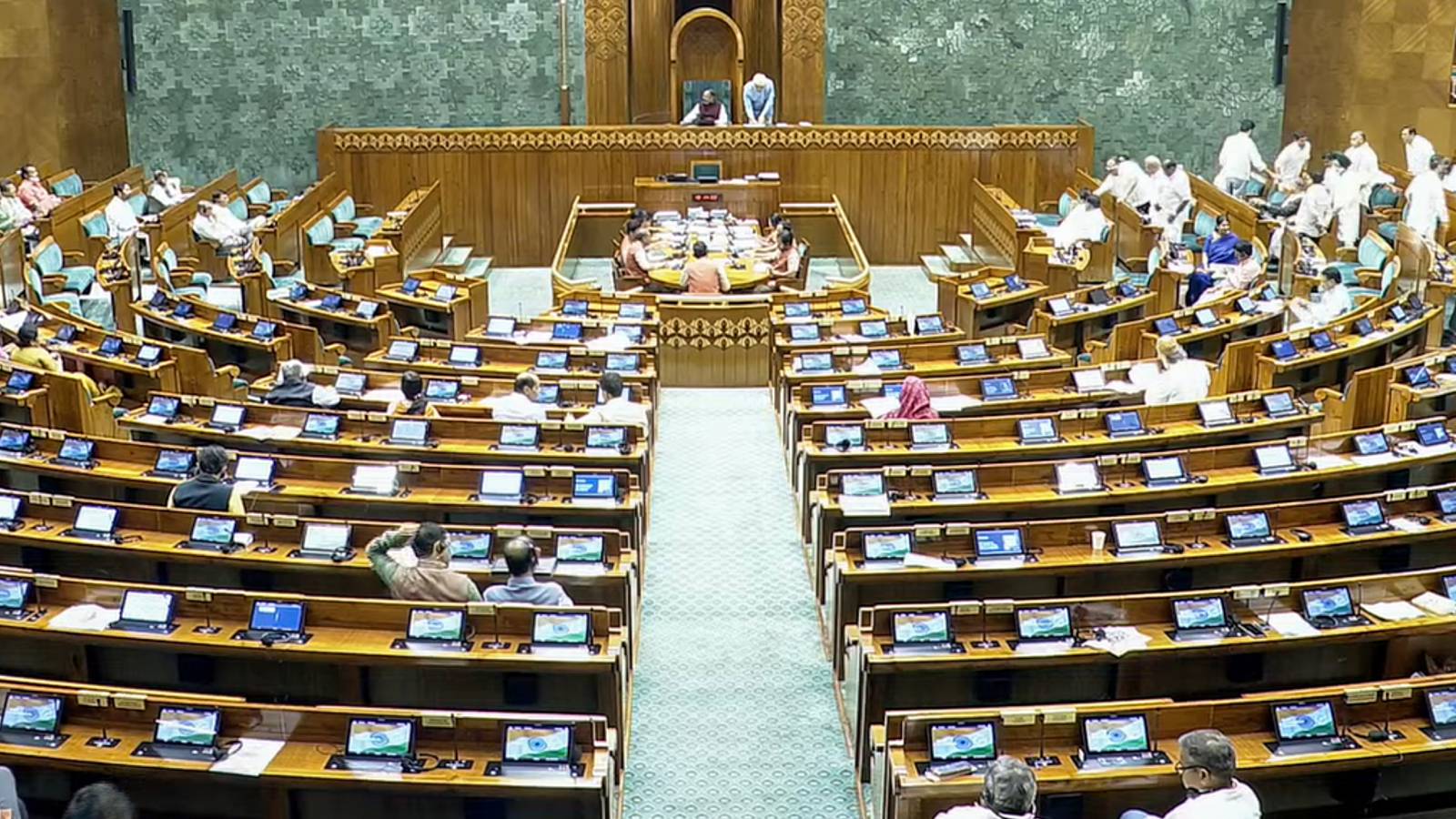
The Bill empowers the government to levy a Merchant Discount Rate (MDR) on select electronic payment modes, with a potential MDR of 0.25 per cent to 0.4 per cent on business-directed UPI transactions above ₹2,000, while leaving person-to-person payments unaffected.
The council reiterated that small shopkeepers and local vendors remain protected from payment acceptance costs.
"Small merchants are not required to pay any charges (MDR) to accept UPI payments. UPI was designed to make digital payments accessible for even the smallest businesses across India, and protecting small merchants remains central to the ecosystem's inclusive growth," it said.
Explaining why discussions around charges have emerged, the PCI noted that UPI "has evolved from a new payment platform into the world's largest real-time payment system". As the ecosystem continues to expand, it said, discussions are taking place on how to sustainably support the infrastructure that enables billions of secure transactions every month, while continuing to protect consumers and small merchants.
Highlighting the investments made to build the ecosystem, the council said banks, payment companies, fintech firms, the National Payments Corporation of India (NPCI) and the Reserve Bank of India (RBI) have collectively invested in technology, cybersecurity, fraud prevention, innovation and customer support over the past decade.
"These investments continue every day to keep UPI secure, resilient and available 24x7," it said.
The council also clarified how operational costs are managed within the payment ecosystem.
"Operating a national payment infrastructure involves continuous investment in technology, fraud prevention, cybersecurity, compliance, customer support and innovation. These costs are currently borne by ecosystem participants, including banks and payment service providers, who continue to invest so consumers can enjoy a safe, secure and seamless payment experience."
Reiterating its position on merchant-side service fees, the PCI said, "Merchant service charges, where applicable, are commercial arrangements between merchants and payment service providers. They do not mean that consumers pay to use digital payments. Across the world, merchant service charges are a standard feature of digital payment ecosystems, while consumers continue to enjoy convenient and secure digital payment experiences."
"UPI has become critical national digital infrastructure used by hundreds of millions of Indians every day."