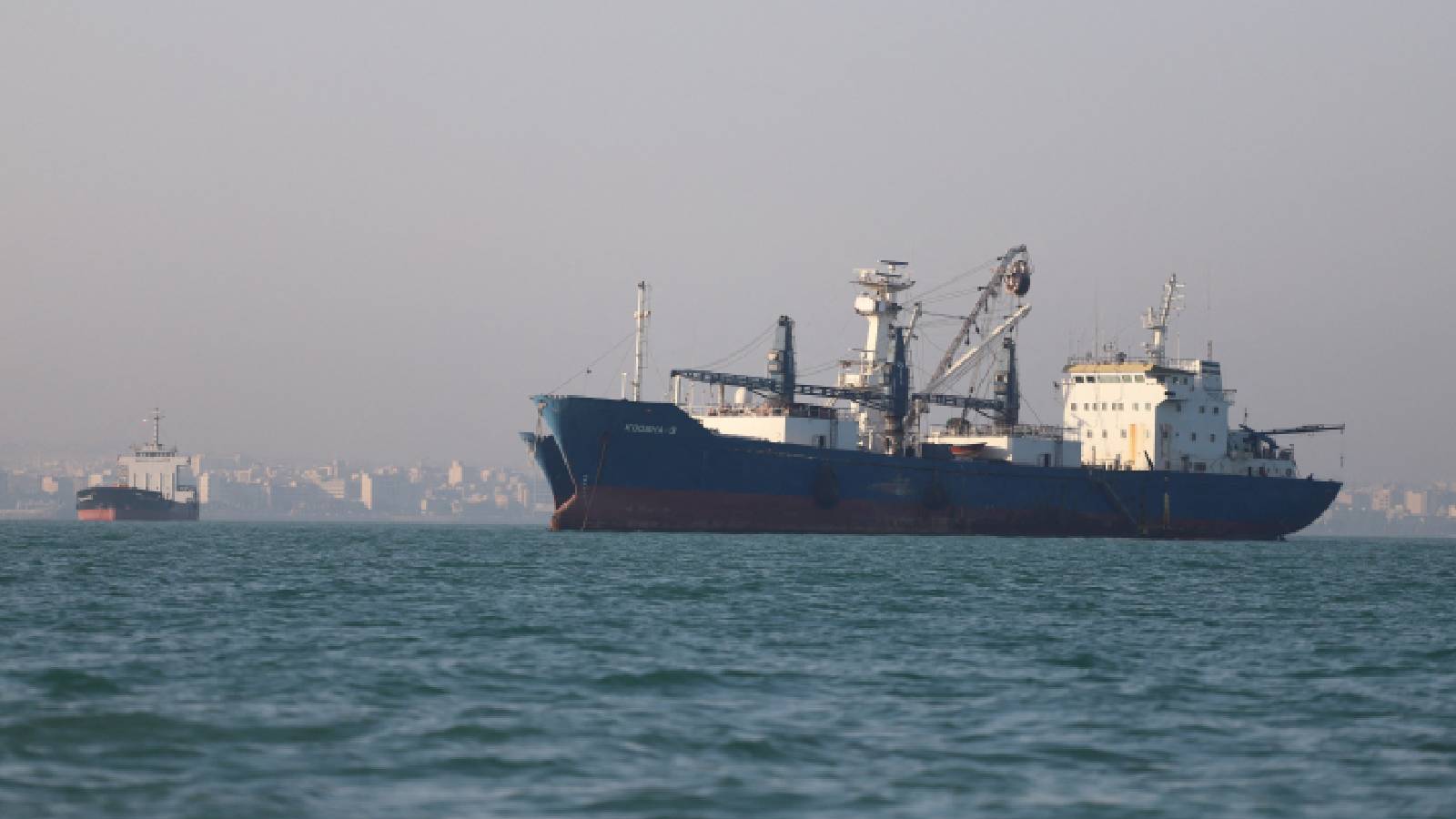


New Delhi: The global energy system has weathered the Strait of Hormuz disruption better than initially feared, but declining oil inventories and strained refining capacity are emerging as key vulnerabilities that could weaken its ability to withstand a prolonged or future supply shock, according to a report by McKinsey Global Institute.
The report said oil inventories, bypass pipelines, flexible trade flows and lower energy intensity helped cushion the impact of the disruption. However, these buffers are increasingly coming under pressure, with refined products emerging as a key bottleneck.
“Today’s shock absorbers have worked better than may have been anticipated but have had their limits—which are becoming clearer,” the report said.
By late August, around half a billion barrels had been drawn from global oil inventories, equivalent to about five days of global oil demand.
Stocks in the US Strategic Petroleum Reserve (SPR) had fallen below 300 million barrels, compared with around 600 million barrels before 2022 and about 400 million barrels at the end of 2025, the report said.
Refining capacity has also come under pressure. Gulf refineries have cut output by more than 25 per cent, while nearly 2 million barrels per day of Russian refining capacity was estimated to be offline in mid-July.
Refineries elsewhere were operating close to full capacity but had been unable to fully replace the lost output.
The report said refined-product inventories were lower and more fragmented than crude oil stocks, with inventories of several products, including jet fuel in Europe and gasoline in the United States, falling to five-year lows by late July.
Against this backdrop, countries and companies are considering measures including greater electrification and clean energy deployment, additional oil and gas supplies, new pipelines, diversified trade routes and larger inventories.
McKinsey estimated that measures already underway or under discussion could offset 35 per cent to 70 per cent of pre-crisis oil flows through the Strait of Hormuz by 2030 in the event of another disruption.
However, it stressed that the estimate was not a forecast, with the upper end of the range dependent on projects currently under discussion being implemented.
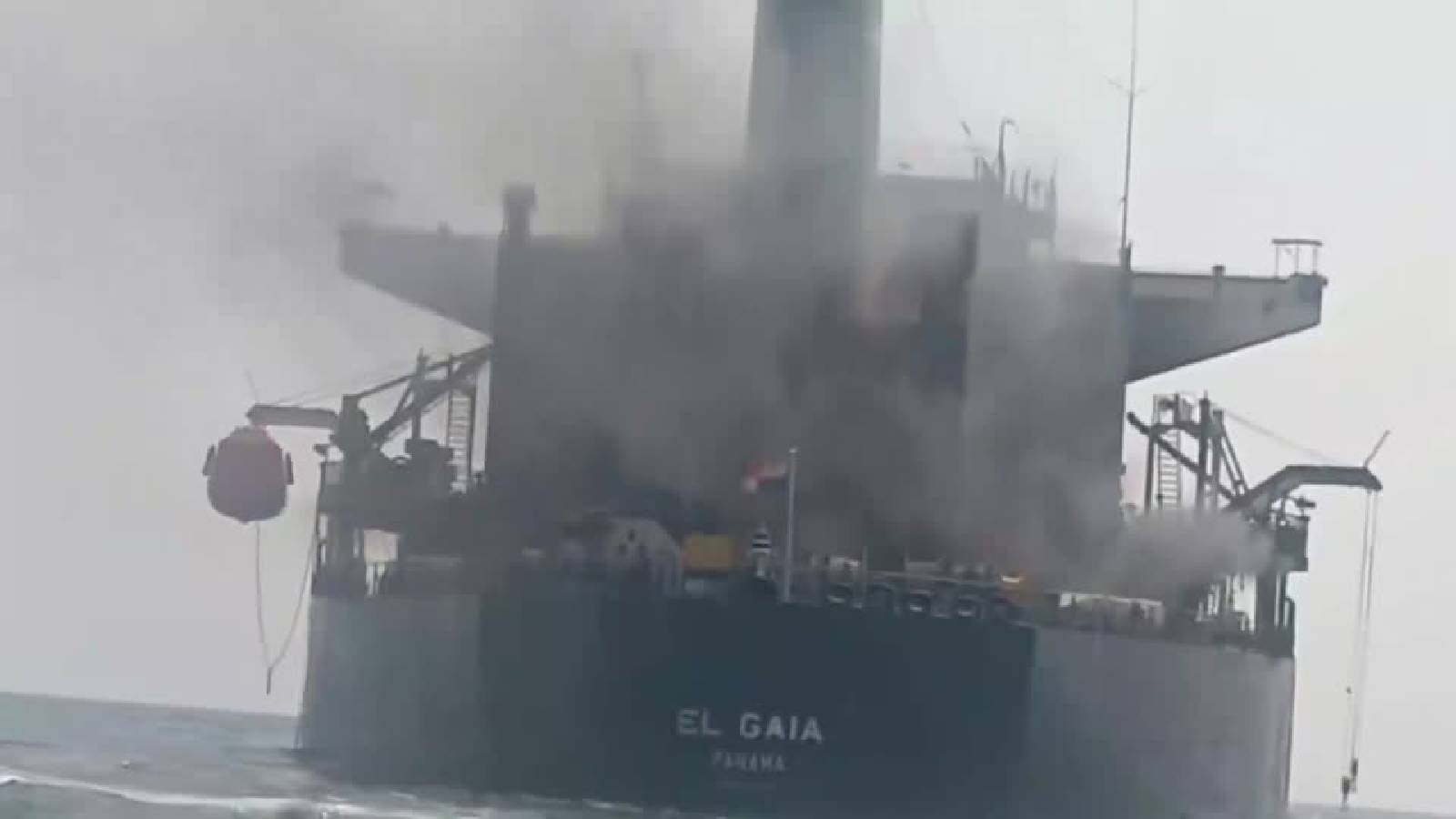
The report also cautioned that strengthening energy security involves economic and environmental trade-offs.
New oil supply outside the Gulf could cost $40-60 a barrel, while new coal-to-liquids capacity could cost $75-185 a barrel, compared with most Gulf oil supply costing below $30 a barrel.
McKinsey said energy security would depend less on eliminating dependence on particular sources and more on building “layers of optionality and diversification” through additional sources, routes, buffers and alternatives.
It said countries and companies would need to tailor these measures to their specific vulnerabilities as future energy disruptions remain possible.