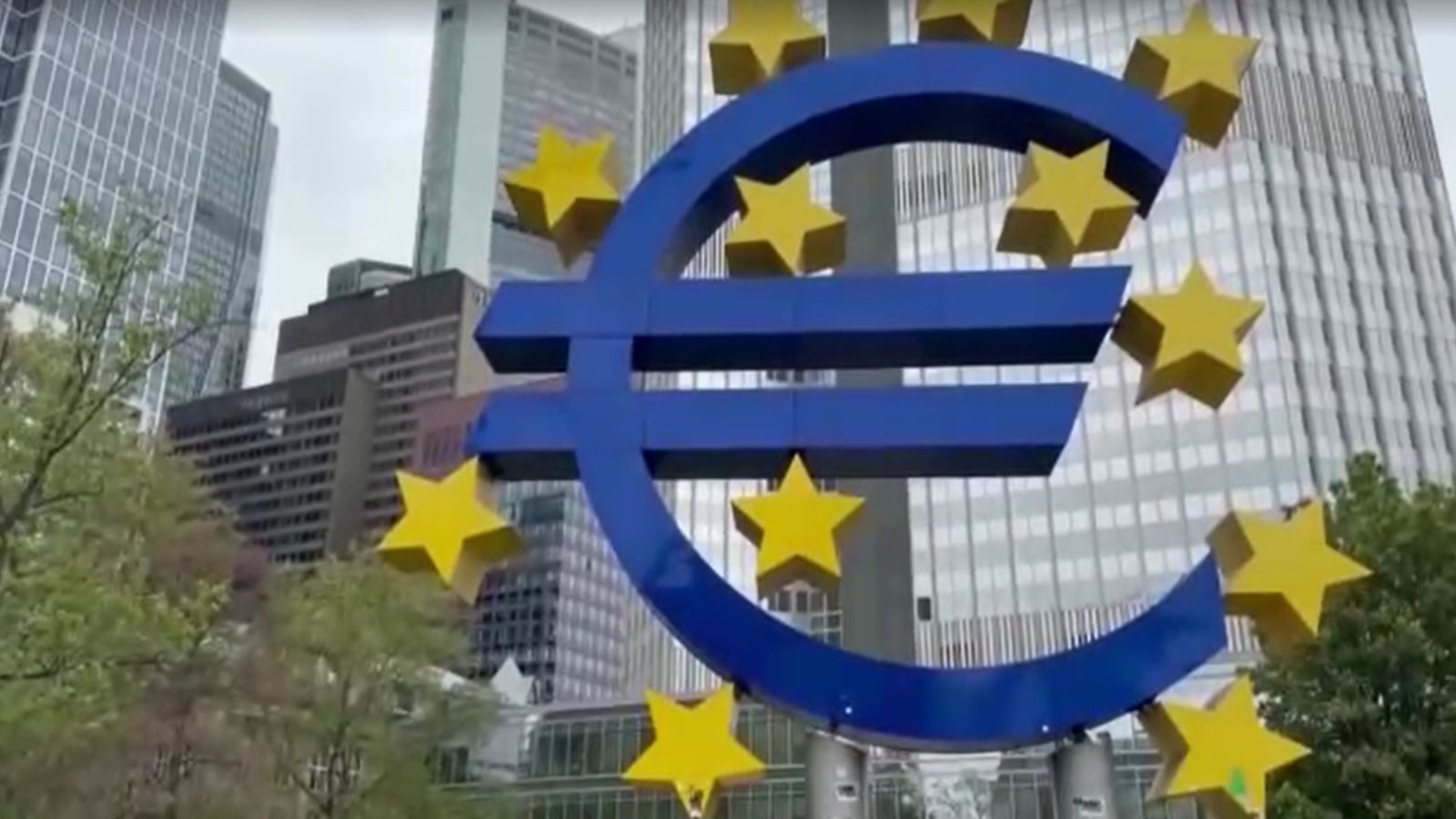


The eurozone economy performed better than expected in the first half of 2026, but the growth is expected to slow down next year, European Commissioner for Economy Valdis Dombrovskis said on Friday.
Dombrovskis said the eurozone economy demonstrated resilience in the first half of the year despite the impact of negative factors such as energy-related disruptions and extreme weather.
However, the European Commission's latest assessment points to slower growth next year, he said.
Dombrovskis stressed the importance of safeguarding fiscal sustainability, urging member states to prioritise prudent fiscal policies, stick to the targets set out in their medium-term plans, take targeted and temporary energy support measures, carefully calibrate the use of available flexibility for defence and security measures, and improve the quality of their public finances.
Against this challenging backdrop, eurozone member states are already taking measures to cushion the economic impact.
Germany's federal government and state representatives reached an agreement on Friday on a fuel tax cut and a price cap to ease the burden of record-high fuel prices, German media reported.
Under the agreement, taxes on petrol and diesel would be cut to provide relief of around 17 euro cents ($0.20) per litre, similar to a temporary reduction introduced in May and June.
The tax relief would cost around 2.5 billion euros (2.9 billion dollars) in total, the country's public broadcaster ARD reported, citing government sources.
The reduction is expected to run until the end of 2026, although it remains unclear when it will take effect.
The government also plans to introduce a cap on petrol and diesel prices, although details on its design and timing have yet to be announced, the report said.
Fuel prices in Germany have repeatedly hit record highs as the conflict in West Asia pushes up oil costs.