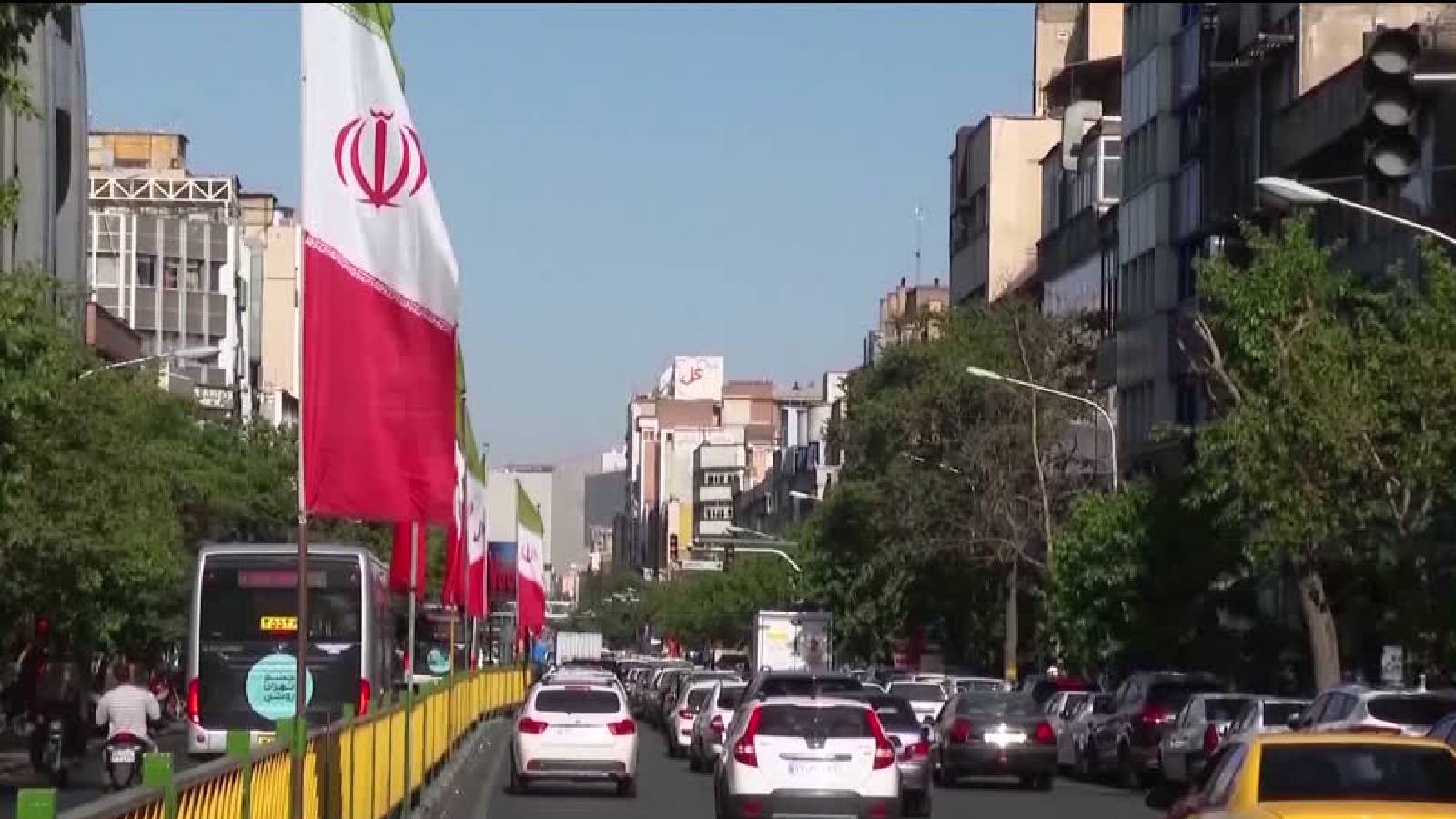


Dubai: As the war in West Asia drags on, Iranian currency fell to a record new low on Tuesday, with one dollar exceeding more than 2.5 million Iranian rials.
The latest decline came just 27 days after the rial hit its previous record of 2.2 million to the dollar on September 2. The currency has repeatedly reached new lows since the war began in February.
Indirect negotiations with US on Hormuz
Meanwhile, Iran's top diplomat said indirect negotiations with the United States aimed at reopening the critical Strait of Hormuz have become “more serious”, while the Iranian Revolutionary Guard Corps' (IRGC) chief spokesman General Hossein Mohebbi on Tuesday called on Americans to take to the streets and protest the conflict.
Foreign Minister Abbas Araqhchi told Iranian media late on Monday that the “current focus is solely on the Strait of Hormuz”.
Araghchi made the comments shortly before departing New York — where he attended last week's gathering of world leaders at the UN General Assembly (UNGA)— and after meeting with Pakistani and Qatari mediators.
Araghchi said that the Qatari intermediaries were expected to soon engage with the US side.
“They are set to raise the matter with the American side once more, after which the final US response will be conveyed to us,” Araghchi said. “If there is a response, the Qataris will convey it to us and a decision will be made in Tehran on that basis.”
US and regional officials have confirmed to The Associated Press that mediators are working with Iran and the US on trying to broker a deal to end the fighting and open the strait.
Iranians stagger under soaring costs of seven months of war
Iran's leaders may radiate bullishness in their war with the United States, but life is becoming ever tougher for ordinary citizens unable to afford basic necessities or rent as a US blockade cuts the state's financial lifeline - oil exports.
From an engineer forced out of Tehran by high rent to a woman forced to stop smoking because of the price of cigarettes and carers struggling to buy medicines, all areas of daily life are affected.
" We are forced to reduce our profit every day. Every time I come here and buy something, when I ask about the prices, the prices change every week" said Behnam Riazi, a restaurant owner interviewed on camera in Tehran.
Riazi cannot raise his prices because his customers cannot pay more - any most anyway buy only necessities now.
How far economic strains may push Iran towards diplomatic compromise is unclear, as it tightens its own stranglehold on Gulf energy exports through the Strait of Hormuz, driving up oil and gas prices in the US and around the world.
(With inputs from AP via PTI & Reuters)