

New Delhi: A series of announcements by the Union government over the past two days, ranging from proposed fast-track courts for paper leak cases to political outreach to protesters and a proposed anti-paper leak legislation, has marked a significant shift in its response to the Cockroach Janata Party (CJP)-led agitation over the alleged NEET paper leak.
What began as a movement largely dismissed by the ruling establishment has, over the past 48 hours, prompted a calibrated political response involving prolonged negotiations, policy assurances and greater flexibility in engaging with protesters.
On Thursday, Prime Minister Narendra Modi announced on X that the Union government would establish fast-track courts to ensure swift punishment for those involved in paper leak cases, saying, "Nothing is more important than the welfare and future of our youth."
At the same time, senior Union ministers continued negotiations with activist Sonam Wangchuk, whose prolonged hunger strike had become the emotional centrepiece of the agitation and whose appeal among young people had grown beyond the immediate issue of the paper leak.
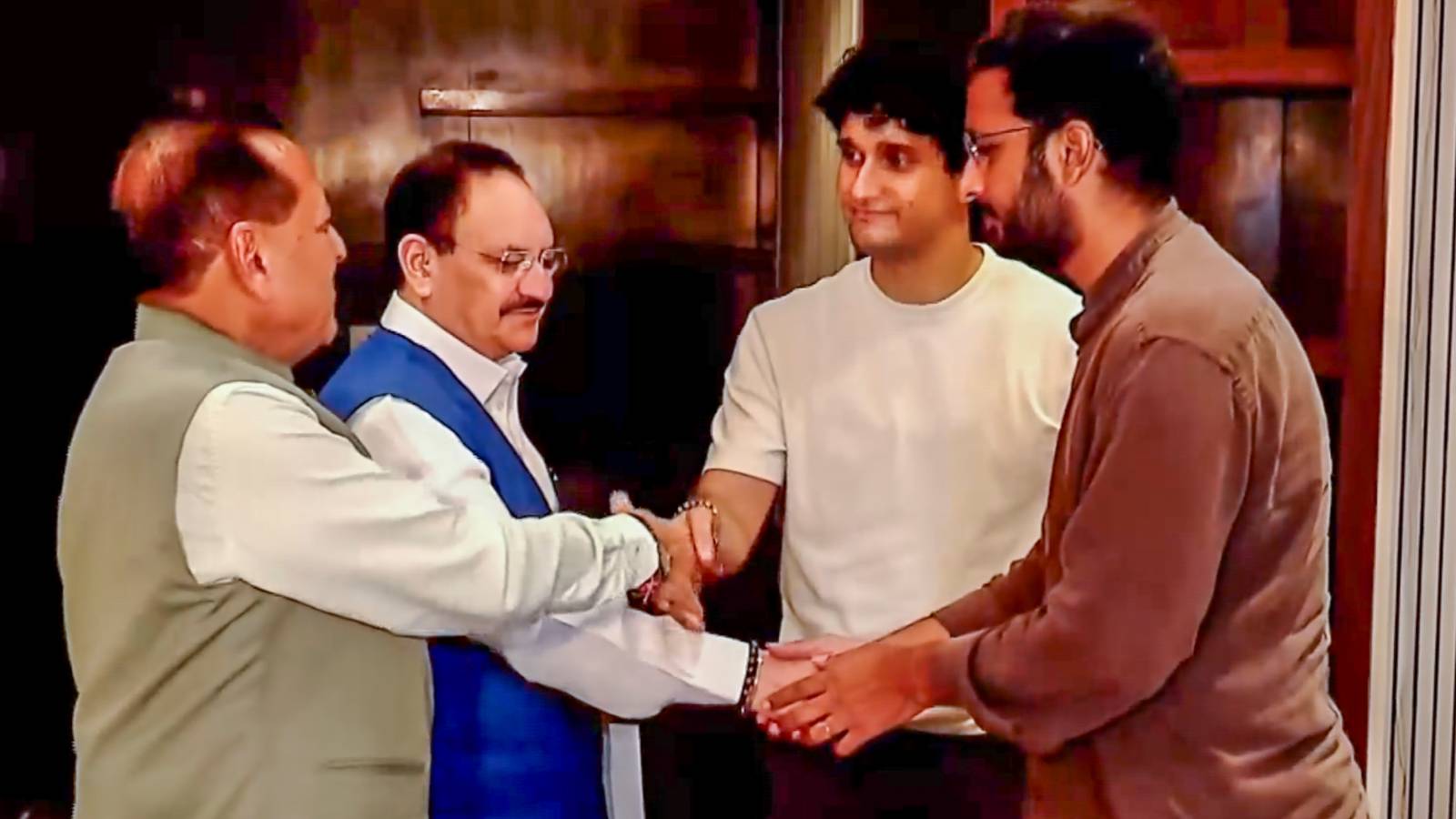
The discussions culminated late Thursday night with Wangchuk ending his fast in the presence of Union ministers J P Nadda and Jitendra Singh.
Announcing the breakthrough, Nadda said the Union government was "positive" about not registering cases against those who protested peacefully at Jantar Mantar and participated in the July 20 march to Parliament.
He also said the government was considering suitable compensation for the families of students who allegedly died by suicide following recent NEET paper leak incidents.
The sustained engagement with Wangchuk indicated that the Union government viewed him as a figure capable of easing tensions because of his non-partisan image and credibility among young protesters.
At 11.52 pm on Thursday, Modi released a video message on X and Instagram announcing that a Bill providing for stringent action against those involved in paper leaks would be introduced in Parliament next week. The Union Cabinet approved the proposed legislation on Friday.
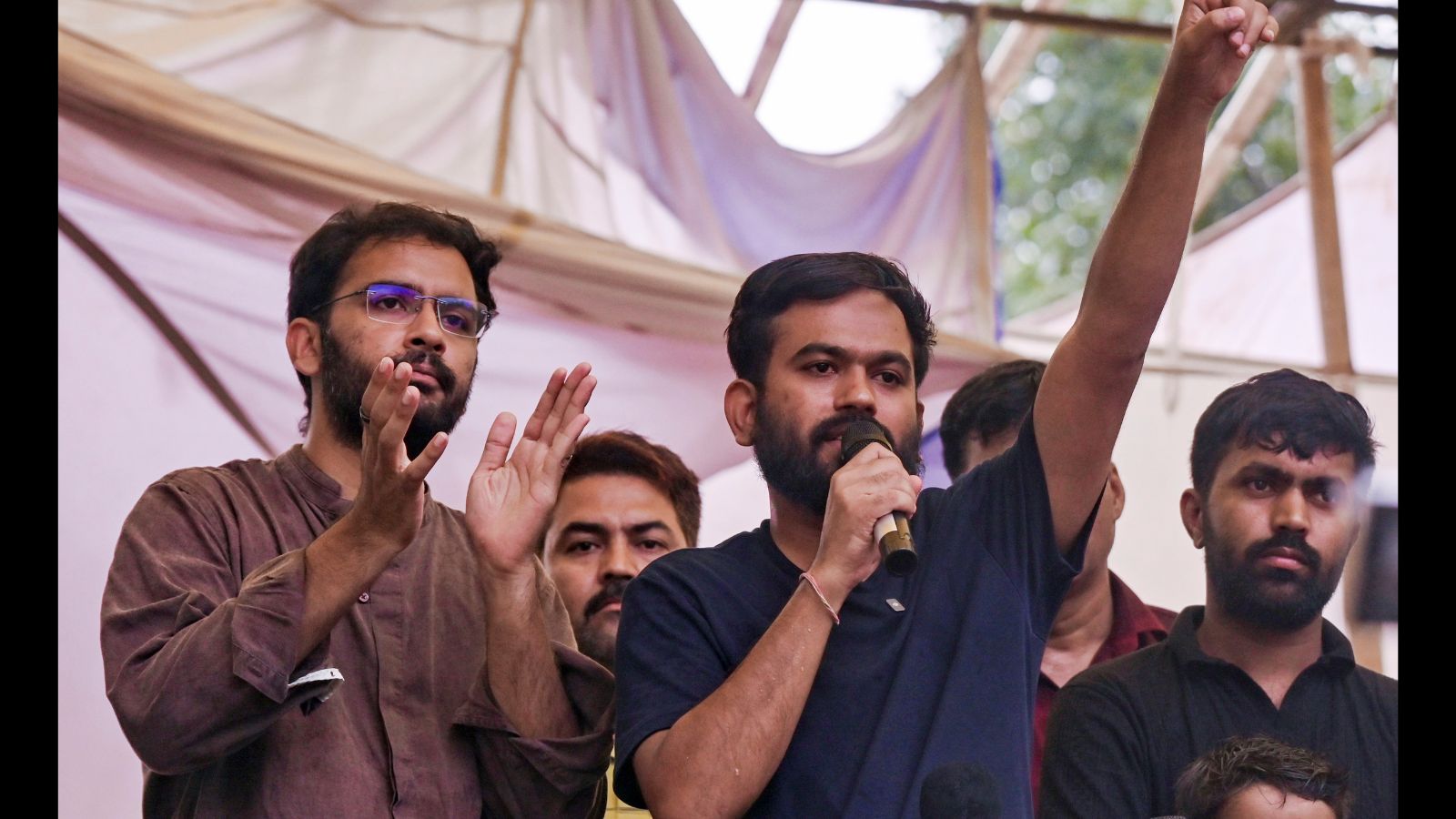
The Union government also accepted the CJP's demand that talks be held at a neutral venue instead of a minister's residence. The meeting took place at the Constitution Club of India, with CJP spokespersons Saurav Das and Ashutosh Ranka representing the organisation, while Nadda and Jitendra Singh led the government's side.
The developments marked a sharp departure from the government's earlier response, which included dismissive remarks by BJP leaders and limited political engagement despite the protest gathering momentum.
On May 23, BJP Kerala president Rajeev Chandrasekhar described the CJP on X as a "cross-border influence operation" aimed at destabilising India. Two days later, Haryana Chief Minister Nayab Singh Saini questioned the longevity of the movement. On June 23, Union Education Minister Dharmendra Pradhan escalated the political confrontation by describing the CJP as the "B-team of terrorists".
The CJP launched its indefinite protest at Jantar Mantar on June 20, demanding Pradhan's resignation. Eight days later, Wangchuk and six AISA activists began a hunger strike. The agitation gained momentum after videos showing Wangchuk's deteriorating condition went viral. His removal to Safdarjung Hospital on July 18 further intensified public anger.
The movement reached a turning point on July 20 when protesters marched to Parliament and police used lathi-charge and tear gas to disperse the crowd. Although Nadda held the first formal meeting with CJP leaders that day, a Union minister declared the protests were effectively over.
Instead, the police action fuelled wider participation, swelling crowds at Jantar Mantar and ultimately prompting the Union government to adopt a more conciliatory approach through dialogue, legislative proposals and policy assurances.