

The penultimate day of the Monsoon Session of the Indian Parliament saw an unlikely controversy take centre stage: the ‘lungiwala’ row.
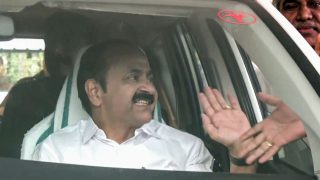
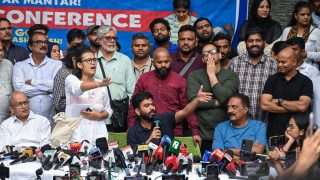
MP from Kerala John Brittas alleged that BJP MP Sushmita Dev kept interrupting him, calling him a ‘lungiwala’ during a discussion in the Rajya Sabha. While opposition MPs called this an attack on South Indian culture, Dev denied using the term ‘lungiwala’ and clarified that she had not cast aspersions on any state’s attire.
From "Anti National" to regional slurs, the BJP’s tactic of resorting to insults when cornered on policy stands exposed once again.
— John Brittas (@JohnBrittas) August 12, 2026
Calling me "Lungiwala" during the TOLA Bill debate was an insult to the entire cultural identity of South India. Thanks to the united stand of… pic.twitter.com/v4hvUNK94j
Even though the BJP MP denied the allegation, it spread beyond the walls of the Rajya Sabha.
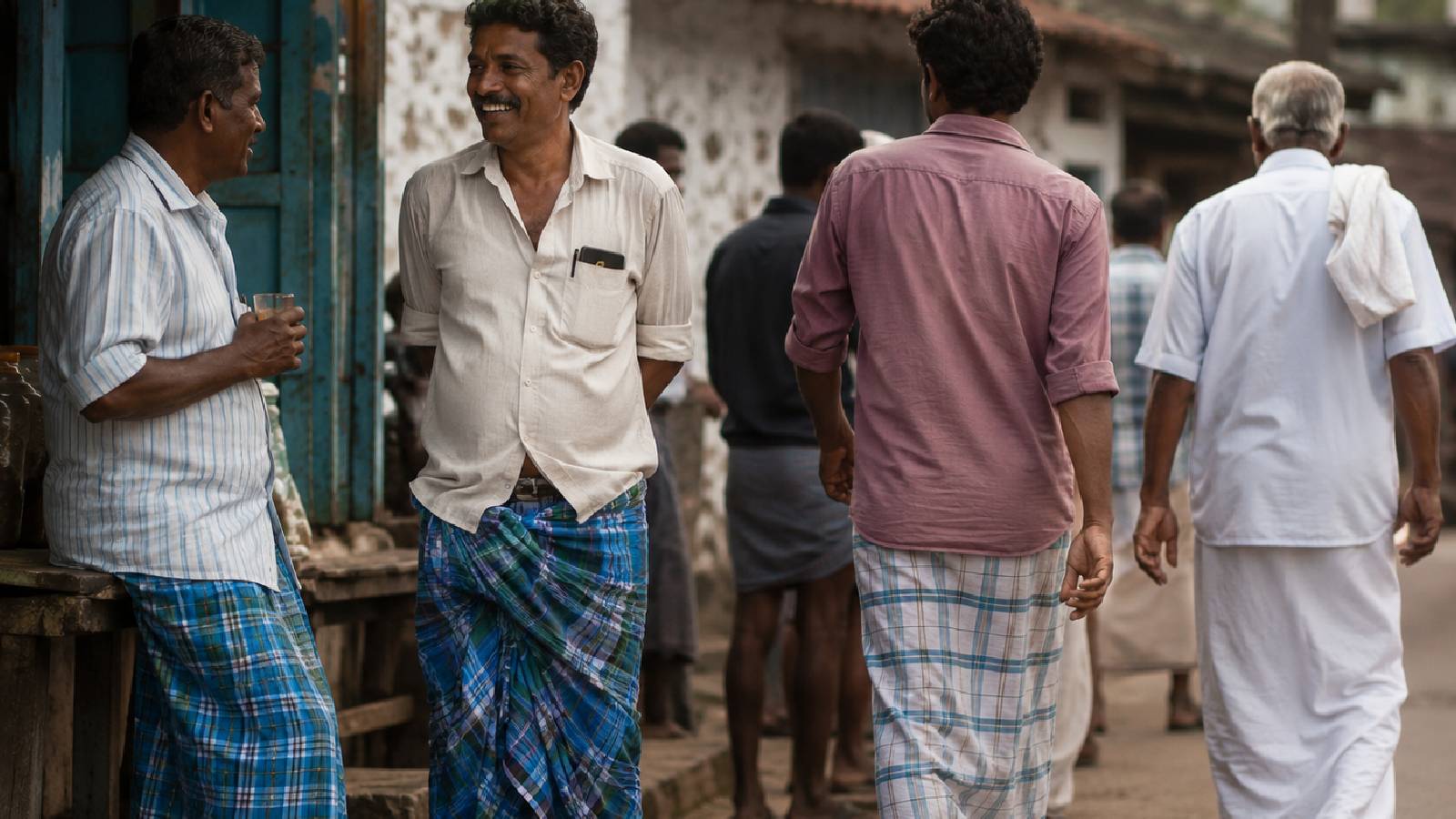
For common people in India, the lungi, in its various forms and names, is an everyday piece of clothing worn at home or at work. And then there is the dhoti, or mundu in Malayalam, the lungi’s more formal, ceremonial cousin.
The everyday lungi...
If the lungi, or wearing a lungi, was ever something, it was comfortable fashion and a cultural icon, but never political. However, the common man’s normal attire slowly became culturally loaded and associated with class-based stereotypes.
Bollywood accentuated this perception and associated ‘lungiwala’ with people from South India.
The term and its usage may have been depicted on reel and in real life as a joke, and may even appear harmless, but the term carries histories beyond the person using it.
MP John Brittas, in his opinion piece in The New Indian Express, wrote:
“There is nothing wrong with a lungi. There is nothing embarrassing about being Malayali. There is nothing inferior about being South Indian. If those identities are being invoked as insults, the problem lies not with the person wearing the lungi but with the politics that has decided the lungi should be an insult.”
India is a country that is supposed to protect its diversity, ethnicity and pluralism. So a question arises: When does a description of someone’s identity become an insult? Freedom, equality and dignity are not written in the Constitution for the sake of it; rather, they are meant to be exercised without being compromised.
And the irony is that this began in the Rajya Sabha itself. In the words of Brittas, “the garment is innocent, but the politics attached to it is not.”
More than a piece of cloth
The unstitched fabric, usually around two metres long, is a comfort garment in South India. The lungi, wrapped around the waist, is usually made of cotton, making it lightweight and breathable.
In other parts of India, including Odisha, Bihar, Haryana, Maharashtra, and Punjab, the lungi is also used, though it may be worn in different styles. Sources also say that the lungi travelled to Myanmar as well.
In Kerala and Tamil Nadu, the coloured lungi is commonly known as kaili, while the plain white mundu occupies a more formal and ceremonial space. In Tamil Nadu, especially, the traditional white dhoti is commonly known as veshti.
Thus, the piece of fabric became a cultural symbol. It began to speak, and the others watched, sometimes judged.
Thus, the lungi acquired meanings regarding region, occupation, class and identity. The garment became popularly associated with South Indian identity, and the term ‘lungiwala’ was used derogatorily for South Indian migrants in Maharashtra, especially Mumbai, then Bombay, during the 1960s.
It was not only through ‘lungiwala’ comments that South Indians were reduced to stereotypes. The term ‘Madrasi’ is one such example that marks people from a region with multiple languages and cultures.
All Animals are equal...
Animal Farm by George Orwell ends with a classic statement on equality: “All animals are equal, but some animals are more equal than others.”
There is always this practice of measuring someone through their looks, their dress, or perhaps the class they represent. But most times, nobody hears the judgement. Not every insult is loud and public like ‘lungiwala’. Often, it is a glance, a mild laugh, or a very innocent term.
As John Brittas puts it:
“Today it may be a Malayali being mocked for his lungi or dhoti. Tomorrow it may be a Tamil for his language, an Assamese for his accent, a Muslim for his attire, a Sikh for his turban or someone from another region for a custom that happens to be unfamiliar to those around him. In fact, the constitutional idea of India is precisely the opposite.”
And ultimately, the question is: how can a piece of cloth mark someone’s worth and dignity?
The garment is ordinary, but the judgement attached to it is not.