

India has a long and uncomfortable history with caste. For centuries, social hierarchies divided communities into those considered ‘higher’ and ‘lower’, while the practice of untouchability denied millions access to spaces, institutions and dignity that should have belonged to every citizen.
Decades after Independence, and in a country that constitutionally abolished untouchability, an incident in Haldwani has reopened an uncomfortable question: how much of that history still lives in the symbols and practices of contemporary India?
What began as a religious ritual at a political rally venue has now grown into a political and legal controversy involving some of the country's most prominent political figures.
Also Read:
How it all began
On August 8, 2026, AICC president Mallikarjun Kharge attended the Vijay Shankhnaad political rally at Ramlila Maidan in Haldwani as part of the Congress campaign ahead of the 2027 Uttarakhand Assembly elections. Kharge and other party leaders addressed issues such as inflation, unemployment and local grievances.
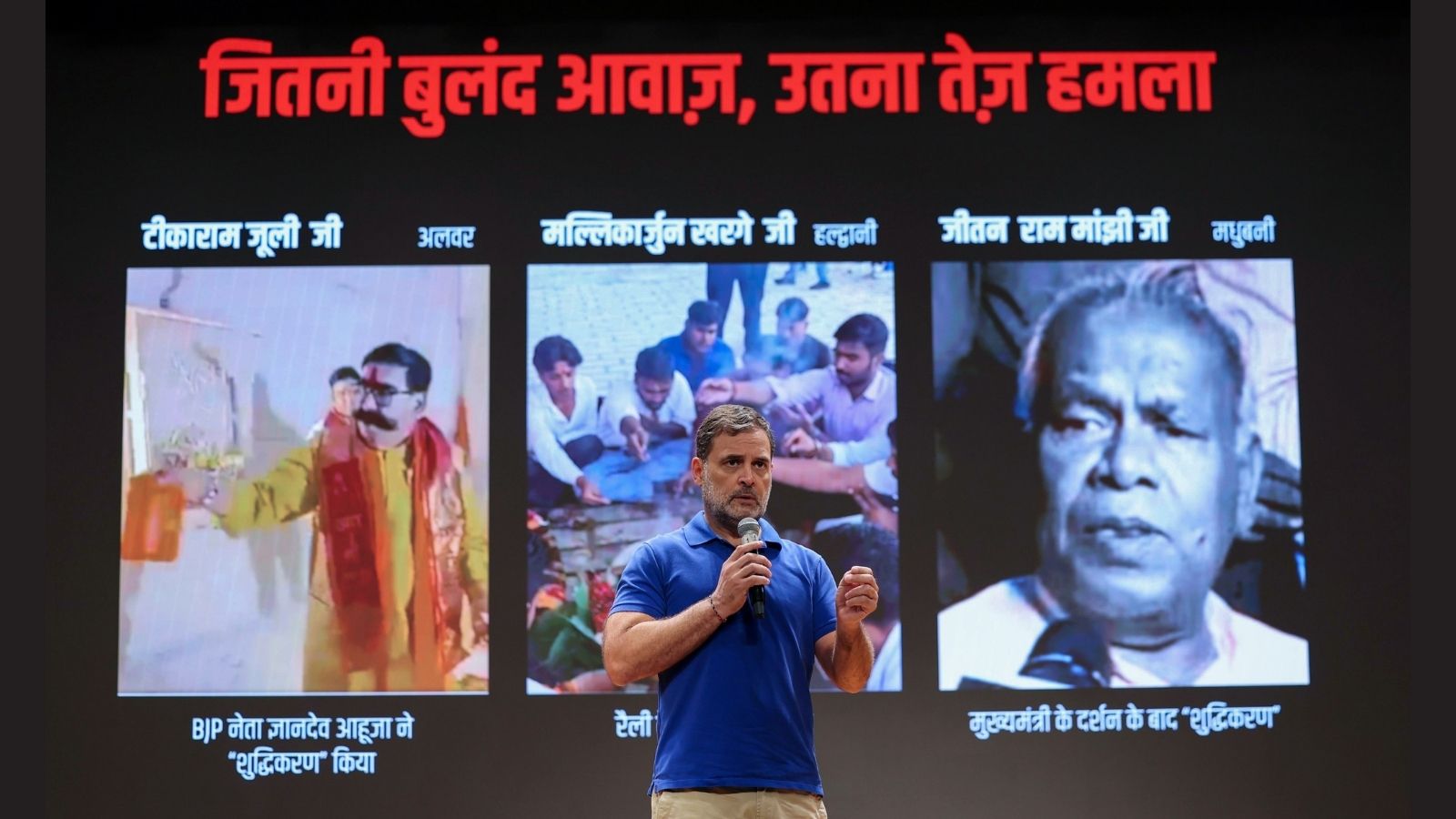
Two days later, on August 10, members of the Shri Ram Sena Dharmarth Seva Nyas, a local organisation, performed a shuddikaran hawan, a purification ritual at the same venue.
On the surface, it could have been seen simply as a religious ritual. But its timing, the political gathering that had preceded it and the caste identity of the person who had addressed the rally transformed it into something much larger.
How did this become a political controversy?
Mallikarjun Kharge, a prominent Dalit leader and the Congress president, criticised the incident and said the ritual left him feeling humiliated. Congress leaders interpreted the purification as carrying a caste-related implication, particularly because it followed Kharge's political programme.
The organisers, however, have offered a different explanation. They have maintained that the ritual was intended to restore the religious and cultural sanctity of Ramlila Maidan, which they said had been compromised by litter and other activities following the political gathering. They have rejected the suggestion that the ritual was conducted because of Kharge's caste.
And this is precisely where the controversy begins.
The Ramlila Maidan is not merely an empty stretch of public land. It is regarded by local devotees and organisations as a space with religious and cultural significance. The ritual involved holy water, chants and traditional practices that its organisers described as an attempt to cleanse and restore the sanctity of the venue.
But words and symbols do not always carry only one meaning.
What does it mean to ‘purify’ a public space after a political gathering?
For those who performed the ritual, the answer is straightforward: it was about preserving the sanctity of a place they consider religiously significant.
For Congress, however, the timing and symbolism suggested something more troubling: that the presence of a Dalit political leader could be associated, directly or indirectly, with the need for ‘purification’.
This carries the weight of India's caste history.
For centuries, Dalit communities faced exclusion from temples, wells, roads and other public and religious spaces under discriminatory caste practices. Untouchability was not simply a social prejudice, it was a system that determined who could enter certain spaces, who could touch certain objects and who was considered ‘pure’ or ‘impure’.
The Constitution of India abolished untouchability, and the law prohibits discrimination based on caste. Yet the historical memory of those practices has not disappeared.
This is why the Haldwani ritual has become so politically sensitive.
When symbolism enters politics
The controversy soon moved beyond the boundaries of Haldwani.
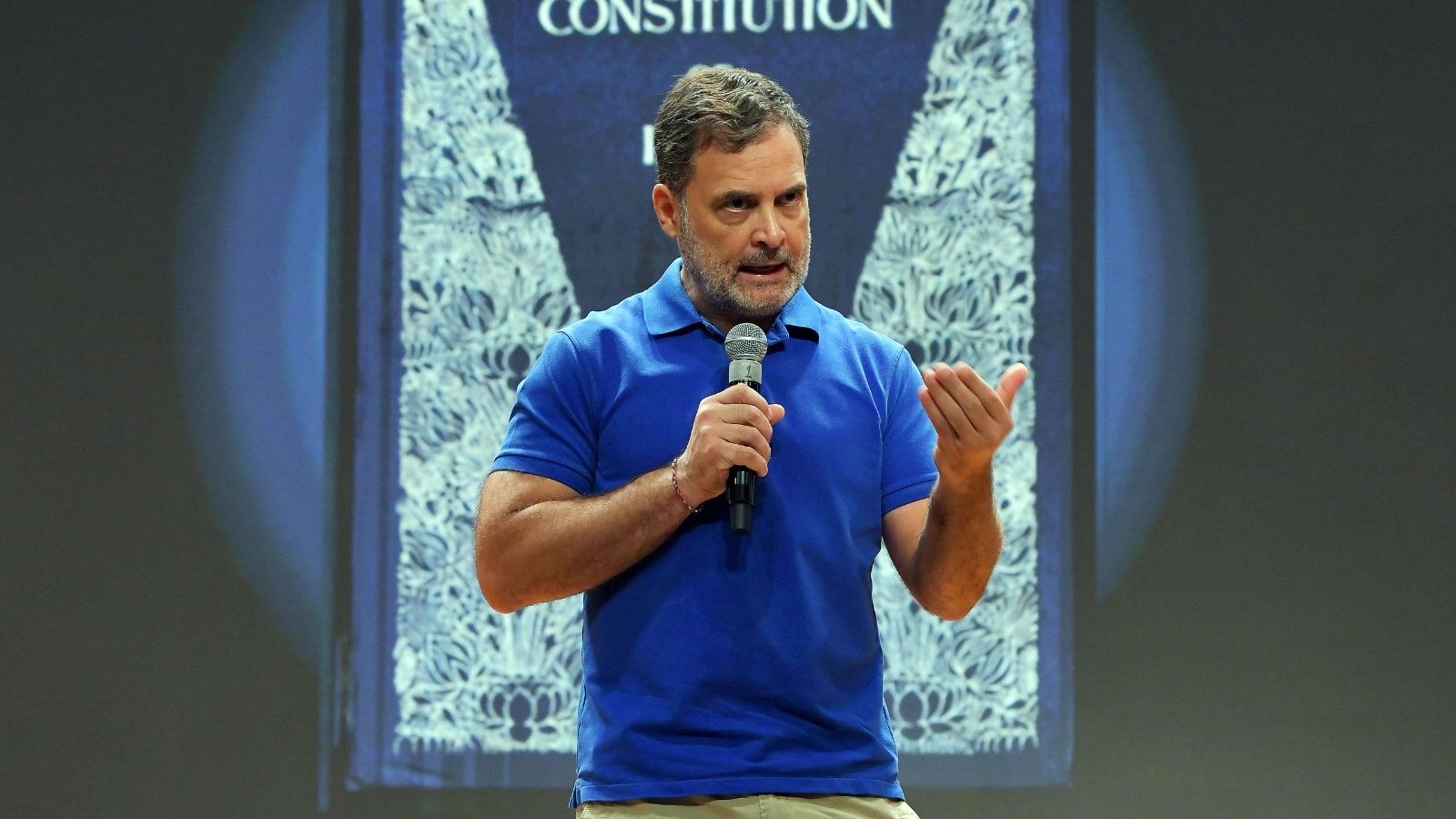
Rahul Gandhi and other Congress leaders demanded action against those responsible and invoked the Scheduled Castes and Scheduled Tribes (Prevention of Atrocities) Act in their criticism of the incident. The issue then took another turn when an FIR was registered against Rahul Gandhi following a complaint alleging that his remarks gave a casteist interpretation to the ritual.
The development has shifted the controversy from a debate over symbolism into a political and legal dispute.
But perhaps the more interesting question lies beneath the FIRs, political statements and counter-allegations. Can a religious ritual ever be viewed independently of the history attached to the idea of ‘purification’?
More than a ritual
The Haldwani episode demonstrates how powerful symbols can become in Indian politics.
A ritual that one group considers an expression of religious faith can appear very different to another group when viewed through the lens of caste history.
And perhaps that is why the controversy has travelled far beyond one maidan.
What happened in Haldwani was not merely about water, chants or a ritual. It became a debate about memory, about a history that India has legally rejected but continues to negotiate socially and politically.
The real controversy, then, may not be about whether a purification ritual took place.It is about what exactly people believed needed to be purified - a public space, a religious space, or an idea that India has spent decades trying to leave behind.