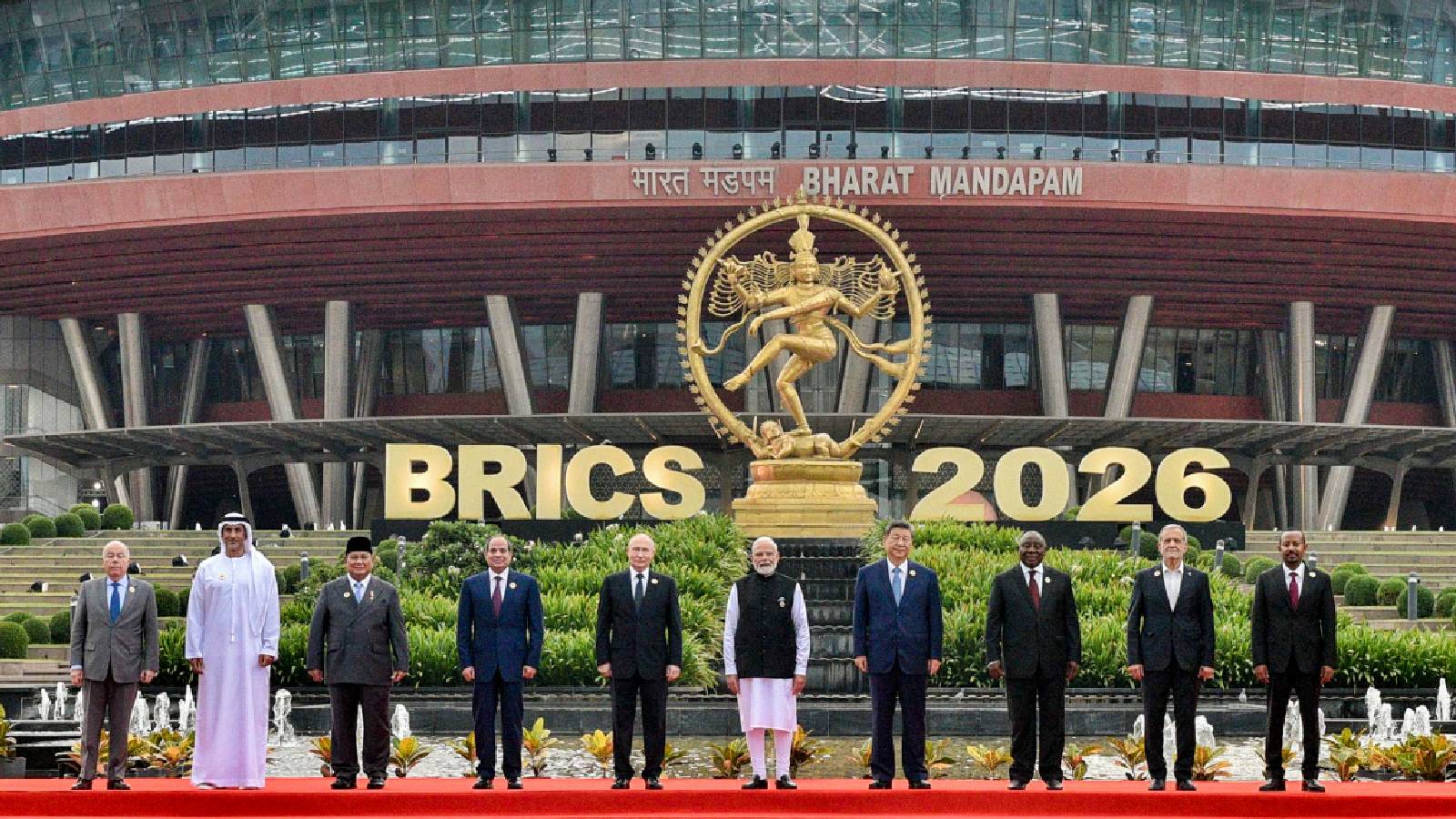


New Delhi: India’s year at the helm of BRICS has come to an end on a positive note, with New Delhi handing over the grouping’s chairship to China for 2027 after a year focused on strengthening cooperation, development and the voice of the Global South.
Prime Minister Narendra Modi on Sunday extended his best wishes to China, which will host the grouping’s next summit in 2027, saying the world now expects 'concrete results' from BRICS as it enters its third decade.
But how much did India actually achieve during its year at the helm? And did New Delhi manage to turn its priorities into outcomes that could shape the future direction of the expanded BRICS grouping?
The 18th BRICS Summit in New Delhi offers several answers: from diplomacy and global governance to terrorism, economic cooperation and India’s engagement with key partners.
The biggest diplomatic test: Keeping BRICS together
One of the clearest indicators of India’s diplomatic performance came at the summit itself, when all 11 BRICS members adopted the New Delhi Declaration by consensus.
The expanded grouping includes countries with very different geopolitical and economic interests, including China, India, Iran, Russia, Saudi Arabia and the UAE.
Thank you to all BRICS leaders for making the Delhi Summit very productive and outcome oriented! pic.twitter.com/C3DMZWGgLL
— Narendra Modi (@narendramodi) September 13, 2026
Reaching consensus in such a diverse grouping was therefore significant for New Delhi.
The declaration covered political and security issues, economic and financial cooperation, cultural exchanges and people-to-people ties. It also called for a more representative and reformed multilateral system and a greater role for developing countries in global institutions.
China and Russia supported the aspirations of India and Brazil to play a greater role in the United Nations, including the UN Security Council.
While this does not amount to a commitment to support India’s permanent membership of the UN Security Council, it represents support for India’s aspiration to have a greater role in global governance.
The declaration also welcomed the progress made during India’s chairship and endorsed its practical, development-oriented, inclusive and people-centred approach.
India put terrorism firmly on the table
Terrorism was another area where India secured a strong collective position.
For India, the summit provided an important platform to bring the issue before the entire expanded grouping and push for a stronger collective position.
The New Delhi Declaration strongly condemned terrorism and called for zero tolerance towards terrorism in all its forms.
BRICS leaders have condemned the April 2025 Pahalgam terrorist attack in Jammu and Kashmir. In a joint statement, BRICS leaders have called for zero tolerance towards terrorism, reaffirming the regional bloc’s commitment to combating terrorism in all its forms.
The challenge now is to translate that political language into sustained cooperation and implementation.
China: Dialogue without a breakthrough
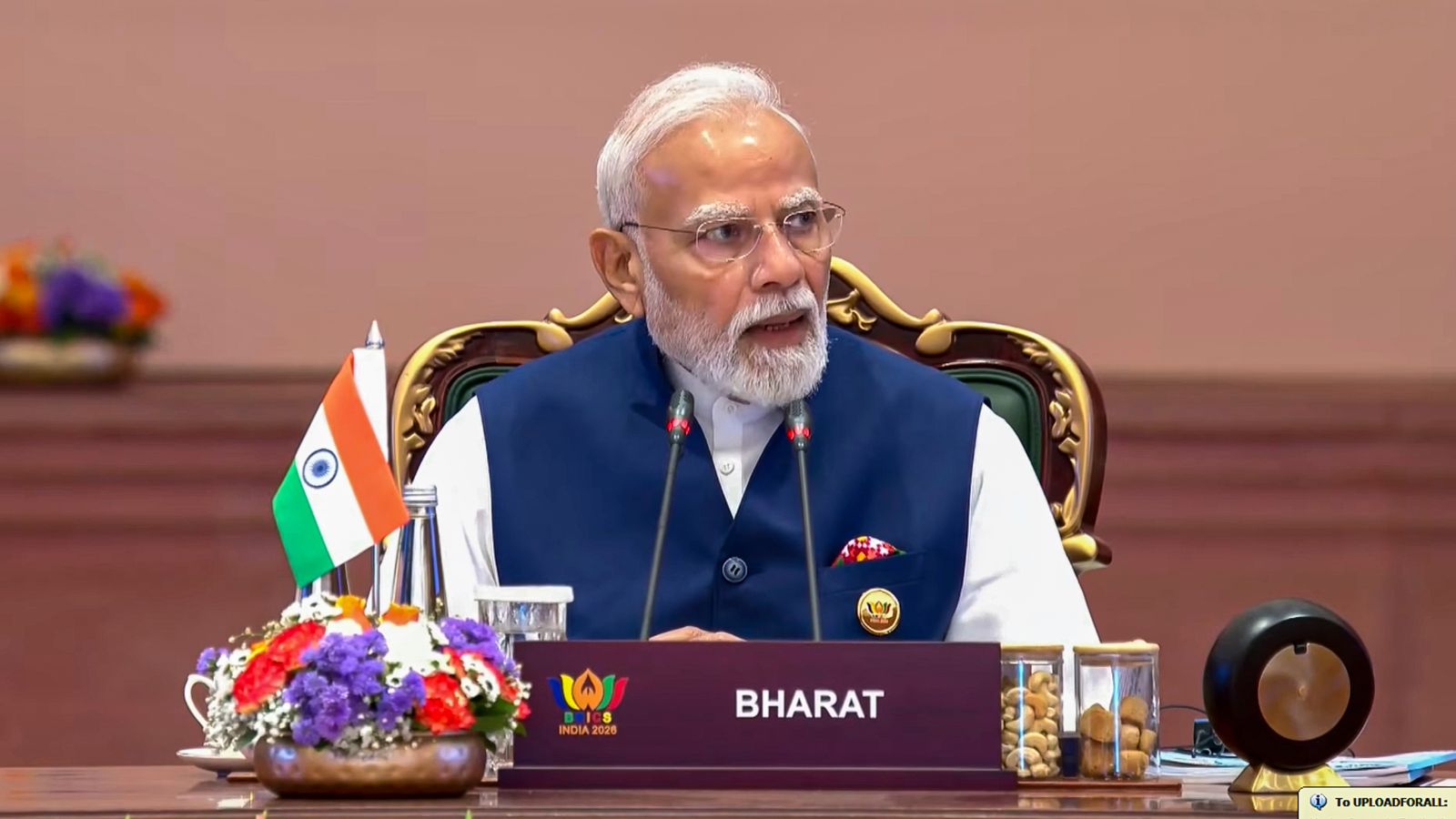
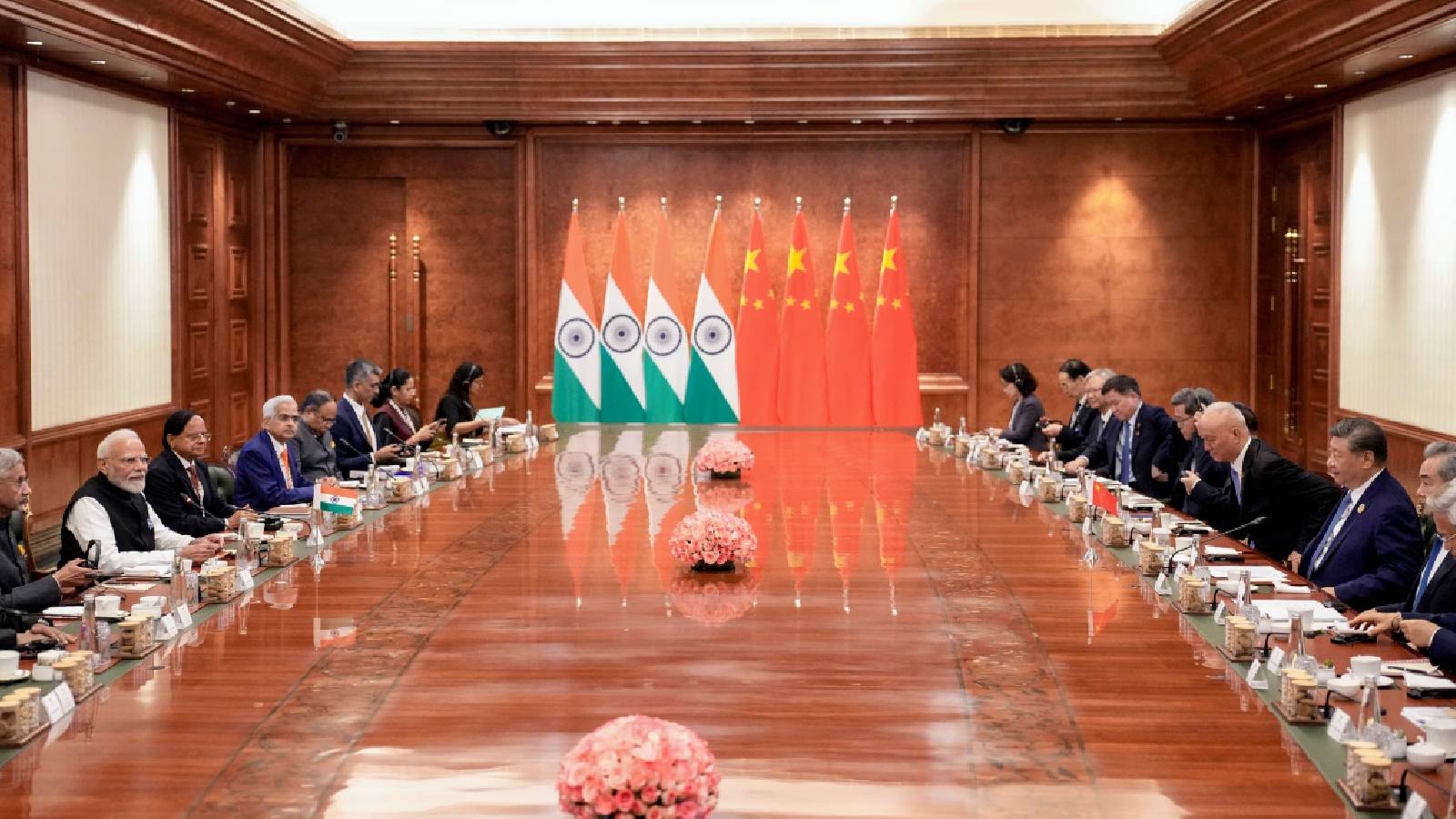
China was perhaps the most important bilateral relationship India had to manage during its BRICS chairship.
New Delhi wanted to stabilise relations, maintain dialogue, expand business ties and ensure that bilateral tensions did not undermine the functioning of BRICS.
Prime Minister Narendra Modi and Chinese President Xi Jinping discussed improving business links and expanding common ground on regional and global issues. They also referred to the need for a fair, reasonable and mutually acceptable solution to the boundary question.
The talks did not resolve the border dispute or produce a major trade breakthrough.
But they helped keep dialogue open and reduced the risk of bilateral tensions overshadowing India’s broader BRICS agenda.
Russia: Strategic ties remain a major strength
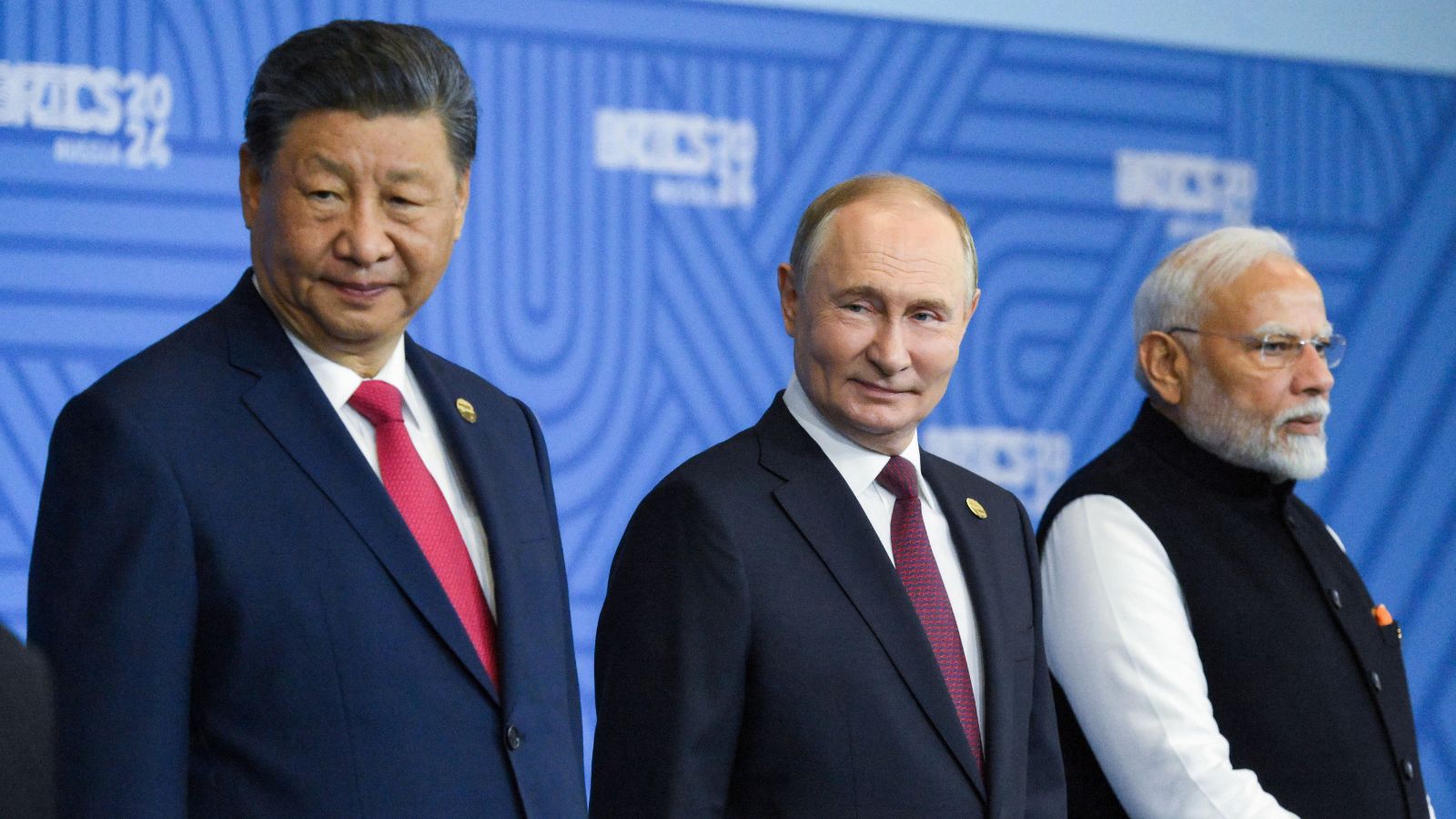
India’s relationship with Russia remained another important pillar of its BRICS engagement.
Prime Minister Modi and President Vladimir Putin reviewed cooperation in political, economic, defence, energy, space, skill mobility and people-to-people relations. They also discussed India–Russia engagement in BRICS and regional issues affecting maritime trade and the safety of Indian seafarers.
The two leaders agreed to remain engaged in strengthening the Special and Privileged Strategic Partnership. Putin also invited Modi to Russia for the 24th India–Russia Annual Summit.
India and Russia reportedly agreed to work towards bilateral trade of $100 billion by 2030.
The target provides a longer-term economic objective and reinforces the importance of the relationship.
Iran: Regional and maritime interests in focus
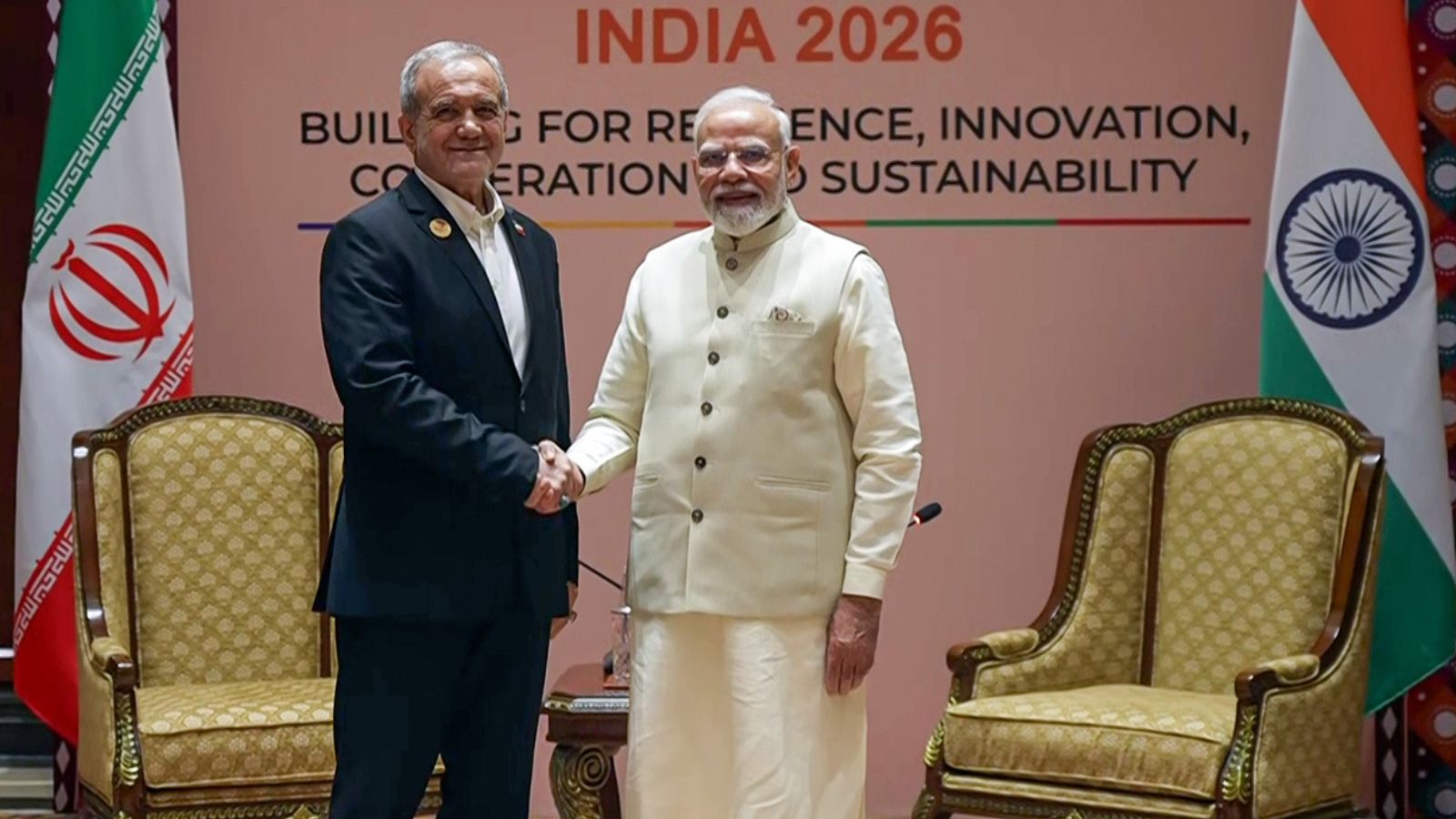
India also maintained engagement with Iran amid continuing instability in West Asia.
Modi and Iranian President Masoud Pezeshkian discussed the safety of navigation, commerce and seafarers. PM Modi reportedly reiterated India’s position that disputes should be resolved through dialogue and diplomacy.
The BRICS declaration also addressed hostilities in West Asia and called for restraint and de-escalation.
This allowed India to keep communication open with Tehran while protecting its interests in regional stability, trade and connectivity.
India kept important diplomatic channels open, although there was no decisive breakthrough on the wider regional conflict or connectivity agenda.
Gulf partners: Building on strategic ties
Saudi Arabia and the UAE have become increasingly important to India in areas such as energy, investment, logistics and connectivity.
Their participation in the expanded BRICS framework gives India another platform to deepen its economic and strategic engagement with the Gulf.
Both remained part of the consensus around the New Delhi Declaration and its wider economic and development agenda.
Prime Minister Narendra Modi met UAE Crown Prince Sheikh Khaled bin Mohamed bin Zayed Al Nahyan to review the India-UAE strategic partnership, with discussions covering defence, space, nuclear energy, technology and innovation. The talks also covered a proposed $11.5 billion integrated greenfield aluminium project in Odisha involving a UAE company.
While no major new India-Saudi or India-UAE economic agreement directly linked to the summit was clearly reported, the diplomatic foundation for future cooperation remains strong.
Iran-UAE held first talks since war
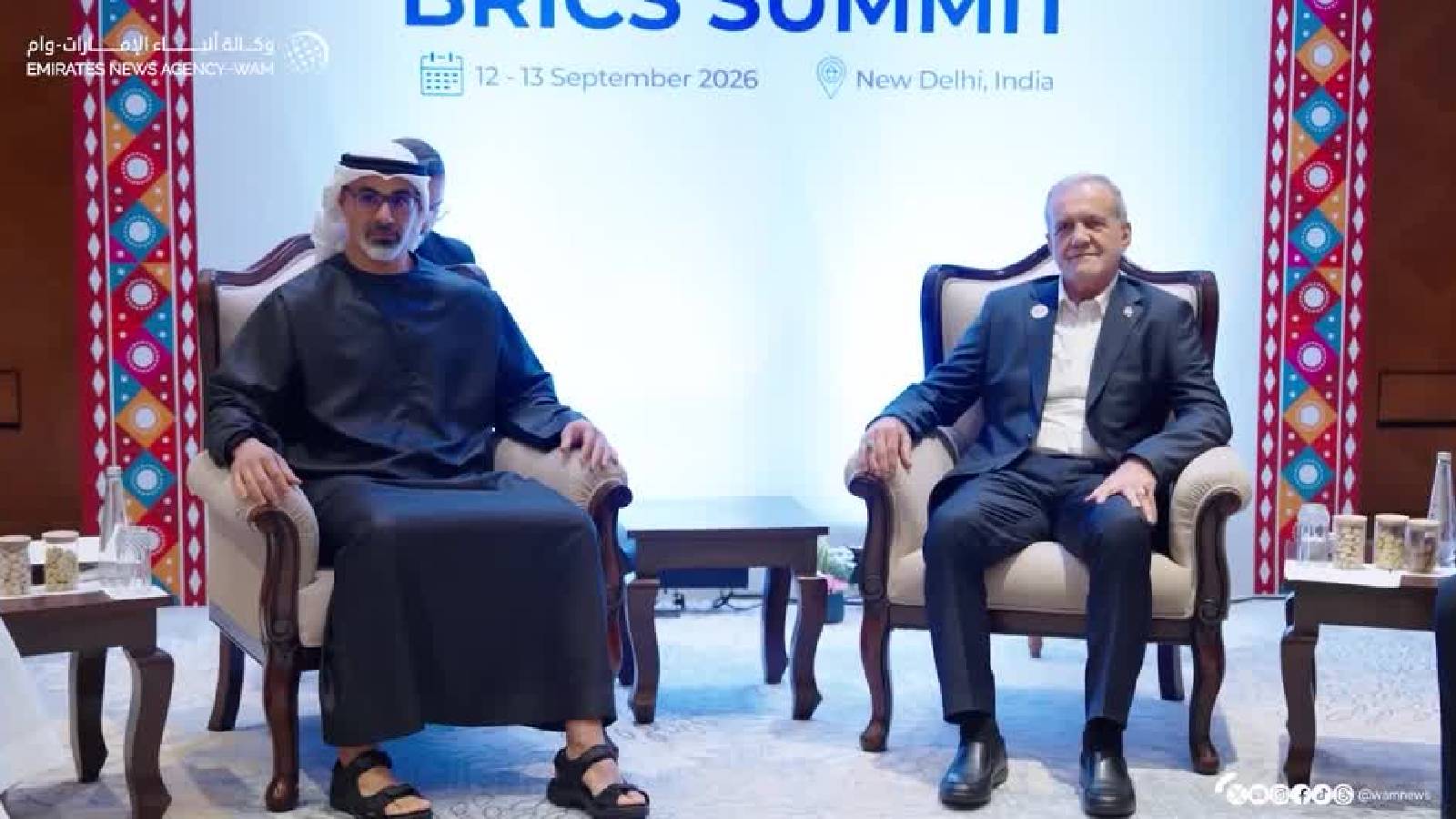
A significant diplomatic interaction on the sidelines of the BRICS Summit was the meeting between Iranian President Masoud Pezeshkian and Abu Dhabi Crown Prince Sheikh Khaled bin Mohamed bin Zayed Al Nahyan in New Delhi on September 12.
The two sides discussed regional and international issues, including de-escalation, stability, peace and development amid West Asia tensions.
The meeting was particularly significant given Iran and the UAE’s differing positions amid the wider West Asia conflict. Yet, both countries joined the BRICS statement calling for restraint and de-escalation in the region.
Though, the meeting did not result in any reported formal agreement or resolution of their wider differences. However, the high-level engagement in New Delhi underscored BRICS’ role in providing space for dialogue between countries facing regional tensions.
Although, Iran and Oman have agreed on the details of new entry and exit routes for the Strait of Hormuz and will brief Gulf countries on the outcome of their consultations at a regional meeting in Muscat on Monday.
Brazil and South Africa: Partners on the Global South
India’s engagement with Brazil and South Africa closely matched its effort to make the Global South a central part of its BRICS chairship.
The countries share interests in development, climate, multilateral reform and greater representation for developing economies.
Their support for the New Delhi Declaration reinforced India’s effort to strengthen BRICS as a platform for developing countries.
Egypt, Ethiopia and Indonesia: Widening the circle
India also used its chairship to strengthen engagement with newer BRICS members Egypt, Ethiopia and Indonesia.
Their participation broadened the scope for cooperation on development, trade, food and energy security, technology and other priorities relevant to developing economies.
While specific bilateral breakthroughs were limited, India succeeded in building wider political alignment within the expanded grouping.
The economic agenda: Progress, but unfinished business
If diplomacy was one of India’s stronger areas, the economic agenda remains where the biggest questions lie.
BRICS did not establish a common currency or a fully integrated alternative payment system during India’s chairship.
Efforts towards stronger cross-border payments and greater use of local currencies remain a work in progress.
Similarly, broad declarations on economic cooperation do not automatically translate into immediate increases in trade, investment or development finance.
This does not erase the progress made under India’s chairship. Instead, it highlights the next stage of the BRICS agenda, turning political consensus into measurable economic outcomes.
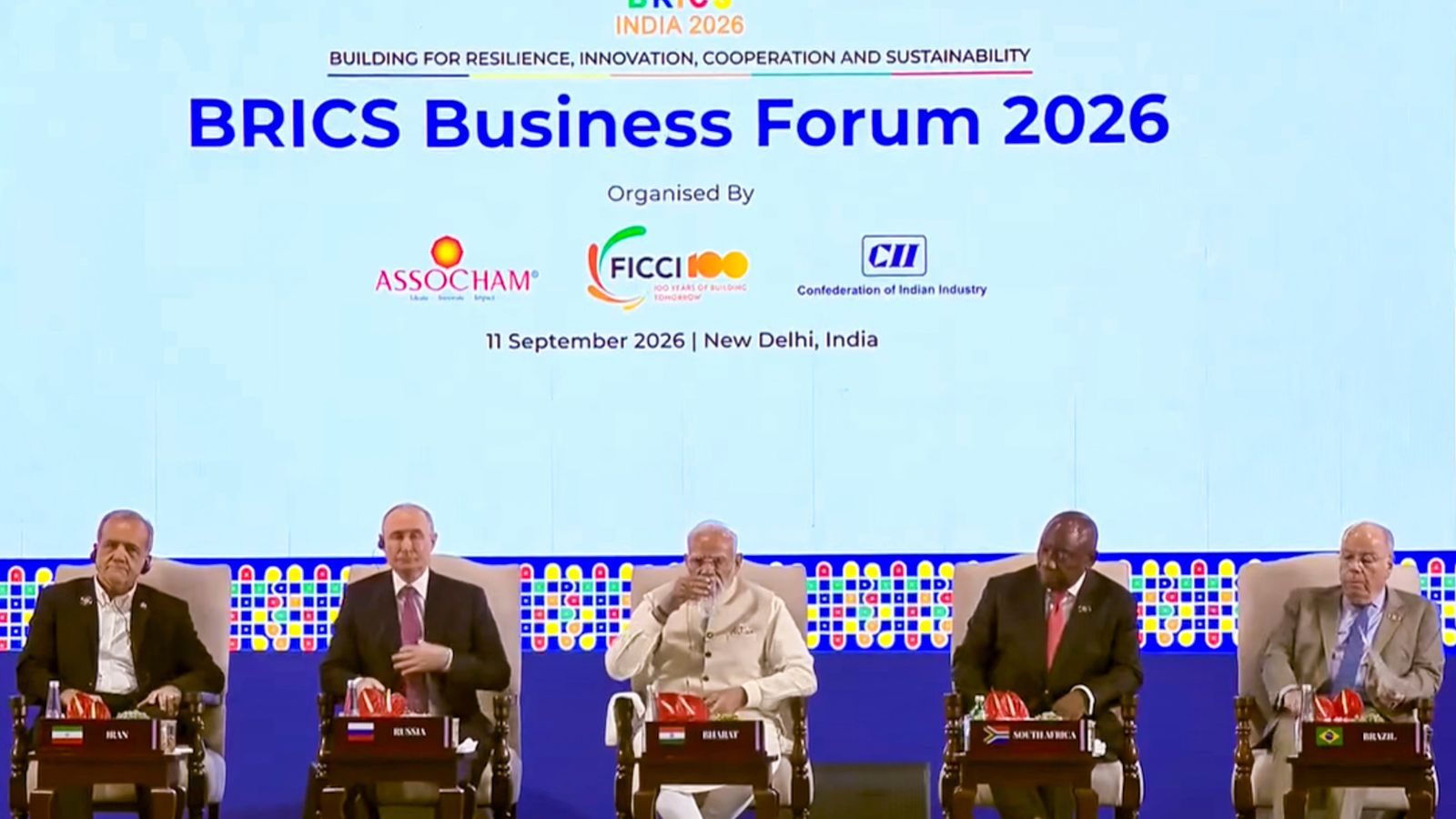
What does India leave behind?
India’s BRICS chairship was a strong diplomatic success and an important step in shaping the future direction of the grouping.
Its biggest achievement was not a single economic agreement or financial mechanism, but its ability to bring a politically diverse and expanded BRICS together around a common agenda.
The next test is implementation; turning the consensus built in New Delhi into deeper trade, investment, financial cooperation and development outcomes across BRICS.
As China takes over the chairship for 2027, Prime Minister Narendra Modi’s message that the world now expects 'concrete results' from BRICS captures the challenge ahead.
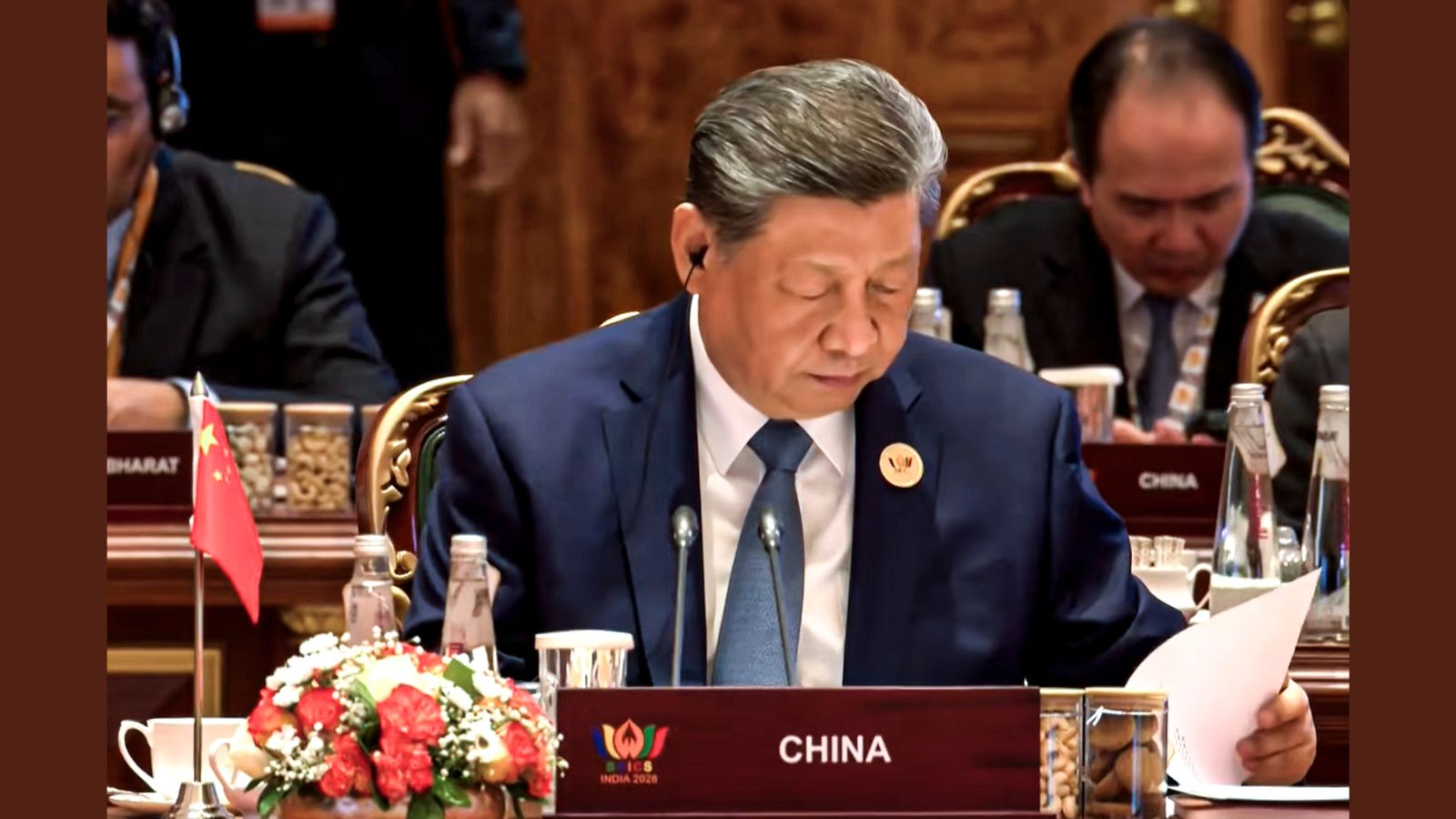
Chinese President Xi Jinping said the 19th BRICS Summit in 2027 will focus on strengthening cooperation among the expanded grouping, promoting the interests of the Global South and advancing collaboration in areas such as innovation, artificial intelligence, trade and supply chains. He described the goal as beginning a new 'golden decade' of BRICS cooperation, although China has not yet announced the exact date or location of the 2027 summit.