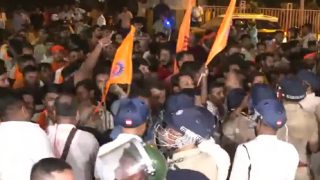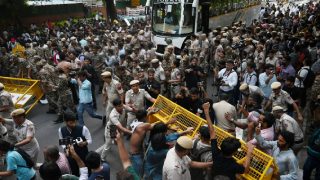


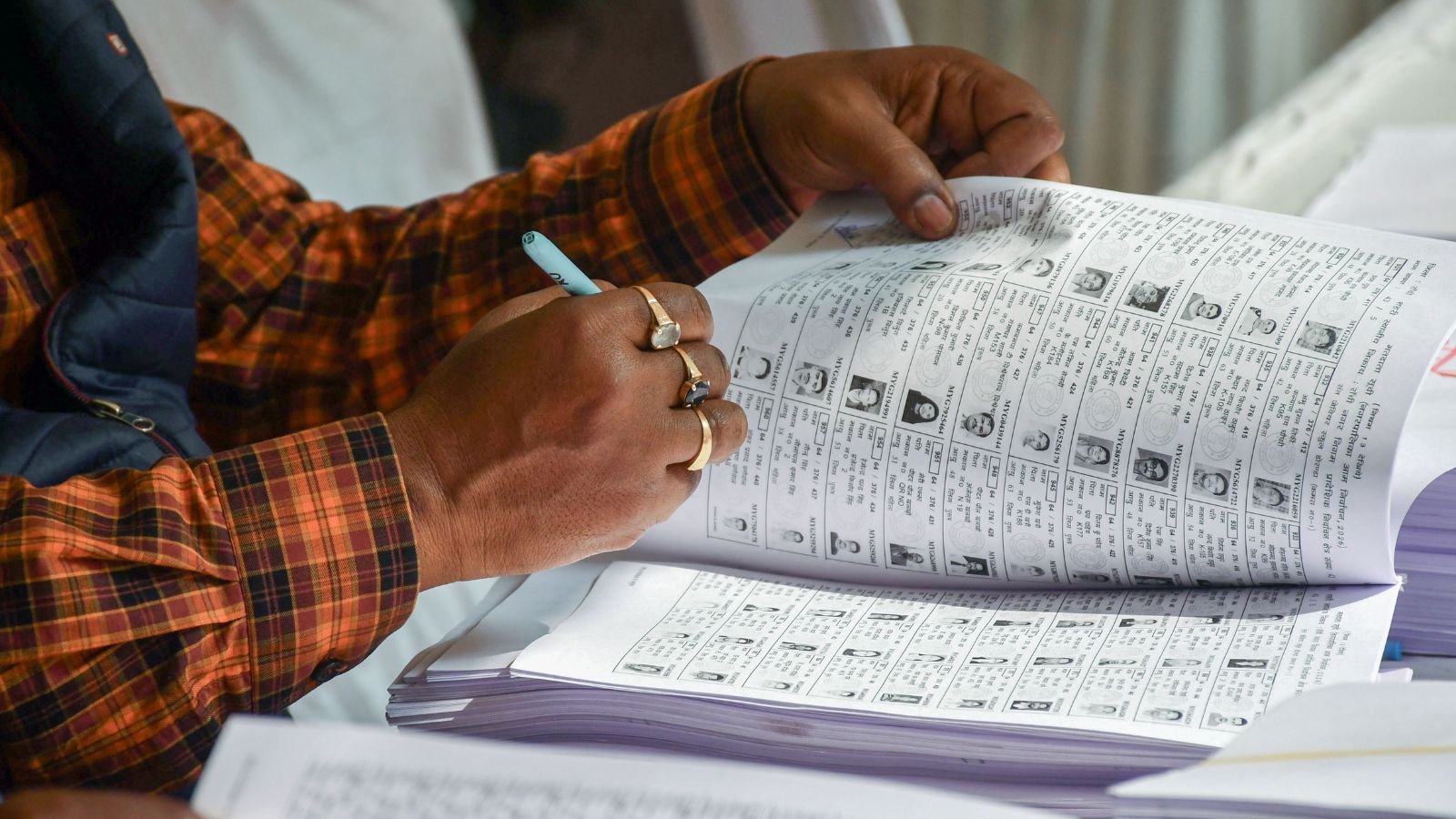


As the protests demanding Chief Election Commissioner (CEC) Gyanesh Kumar's resignation are flaring up across the nation, two key forms from the Election Commission of India (ECI) voters’ list have been the major talking points: Form 6 and Form 7. Since we have covered the former before, let’s take a look at Form 7 and its importance.
Also Read:

What is Form 7?
Form 7 is an Election Commission form used to object to the inclusion of a person's name in an electoral roll or to seek deletion of an existing entry. An elector can also use it to request deletion of their own name.
Who can file it?
The deletion/removal of a voter from the list is not an independent process that the EC can carry out by itself. In order to remove a voter from the list, another voter or the voter themselves must file it. If another person is filing the form objecting to a person’s removal, that person is also required to be from the same constituency as the one whom they are objecting to and must also state the clear reason for the filing.
People can file the form in case of:
- death
- underage
- absent/permanently shifted
- already enrolled
- not an Indian citizen
The declaration also warns that a false statement can attract punishment under Section 31 of the Representation of the People Act, 1950, including imprisonment of up to one year, a fine, or both.
Who can delete it?
A Form 7 application does not automatically remove a name from the electoral roll. The decision rests with the Electoral Registration Officer (ERO), who is designated by the Election Commission of India in consultation with the state government under Section 13B of the Representation of the People Act, 1950. EROs are generally government or local-authority officers, often SDOs/SDMs or officers of equivalent rank.
What is the recent controversy?
The recent uproar centres on allegations that Form 7 was misused to seek the deletion of eligible voters during the Special Intensive Revision (SIR) of electoral rolls.
A deletion of a voter's name from the list cannot be made by simply submitting a form. It is a statutory process, just like Form 6, which requires a crucial electoral-roll process.
Now, many states like Uttarakhand and Karnataka have come up with rising allegations of bulk Form 7 submissions, hinting at political rigging.
For example, in Uttarakhand, more than 1.3 lakh Form 7 applications were filed during the claims-and-objections period. Four districts accounted for more than 85 per cent of those applications. The final electoral roll published on October 3 showed about 71.6 lakh voters, around 8 lakh fewer than the roughly 79.6 lakh on the rolls before SIR.
Similarly, Karnataka CM DK Shivakumar also alleged that large numbers of Form 7 applications were filed in bulk seeking deletion of voters. He also claimed that in some cases, the applications were withdrawn after being filed.
Leader of Opposition, Rahul Gandhi, further stated that almost 15,000 votes were targeted in three days in the Belagavi district alone, citing discrepancies.
Muslims, Scheduled Castes, Scheduled Tribes and Other Backward Classes were the ones majorly targeted, according to him.
Other leaders like All India Majlis-e-Ittehadul Muslimeen (AIMIM) President Asaduddin Owaisi also reacted to the row, claiming that the form directly targets Muslim voters.
How did the EC react?
The Election Commission denied all rumours, stating that no foul play has been committed in any form regarding the voters' list. The Election Commission also sought reports from district authorities in Belagavi and said it would initiate legal proceedings against those responsible if wrongdoing is established.
The ECI/Chief Electoral Officer's office has also ordered officials across Karnataka's 224 Assembly constituencies to examine complaints concerning suspected fraudulent Form 7 applications.