

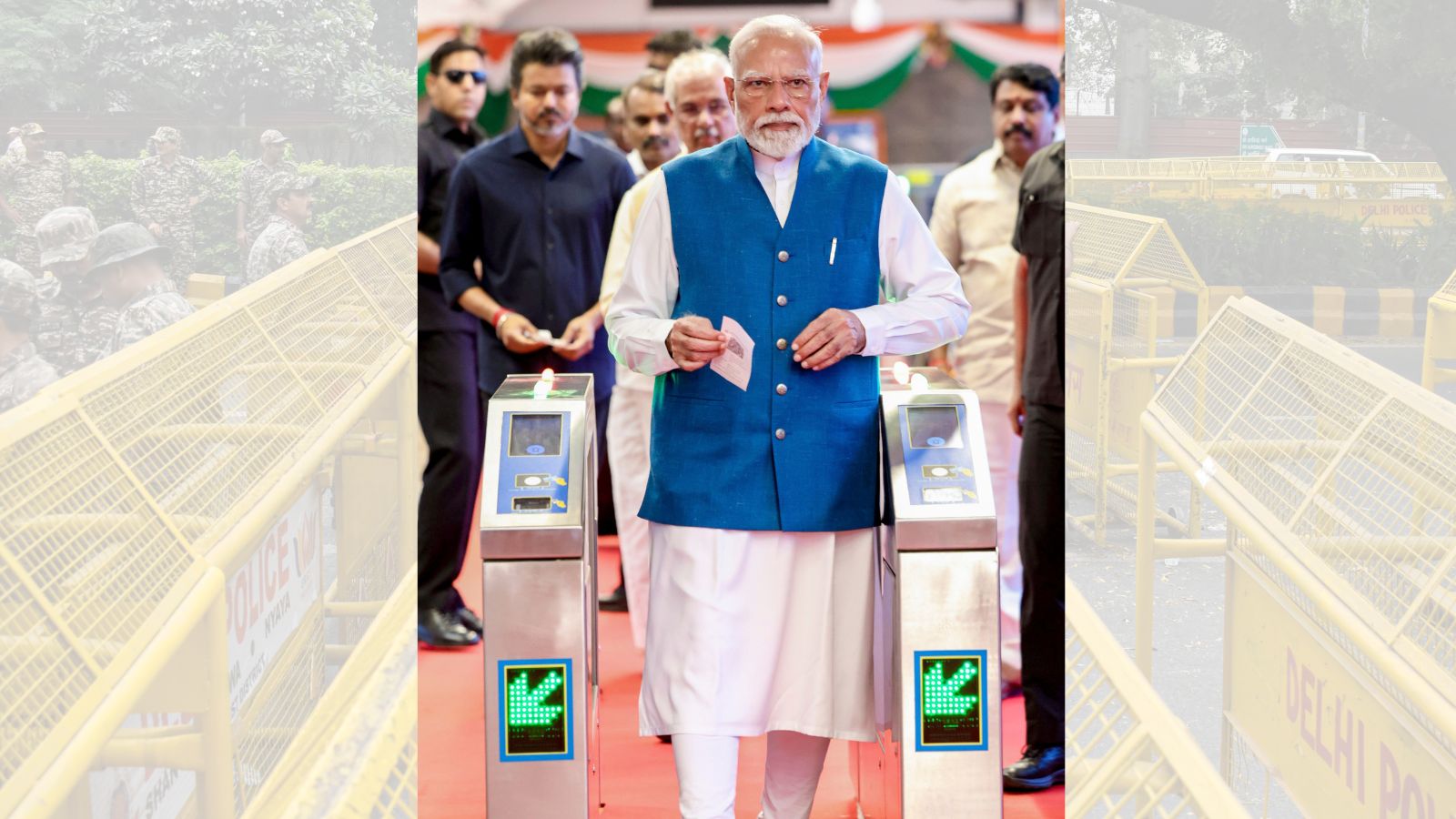


"I can see the energy of my young friends. I can feel the positive energy and excitement. I can see the future of India in all your eyes," Prime Minister Narendra Modi said on Sunday.
He was addressing the golden jubilee celebrations of Jaigopal Garodia Hindu Vidyalaya in Chennai, while youth organisations continued their protests in Delhi, demanding the resignation of Chief Election Commissioner (CEC) Gyanesh Kumar in connection with alleged irregularities in the Special Intensive Revision of the electoral rolls.
PM Modi did not refer to the ongoing protests in the national capital, led by the Cockroach Janta Party (CJP), with the support of left-wing student organisations such as All India Students' Association (AISA), Students' Federation of India (SFI) and All India Students' Federation (AISF), among others.
He, however, made an earnest appeal to schoolchildren in Tamil Nadu, reminding them that "today, the world is looking for solutions, and you have the potential to provide those solutions".
"I want the youth of the country to see the infinite opportunities that exist today on the big canvas because this is your time. This is your opportunity," Modi said.
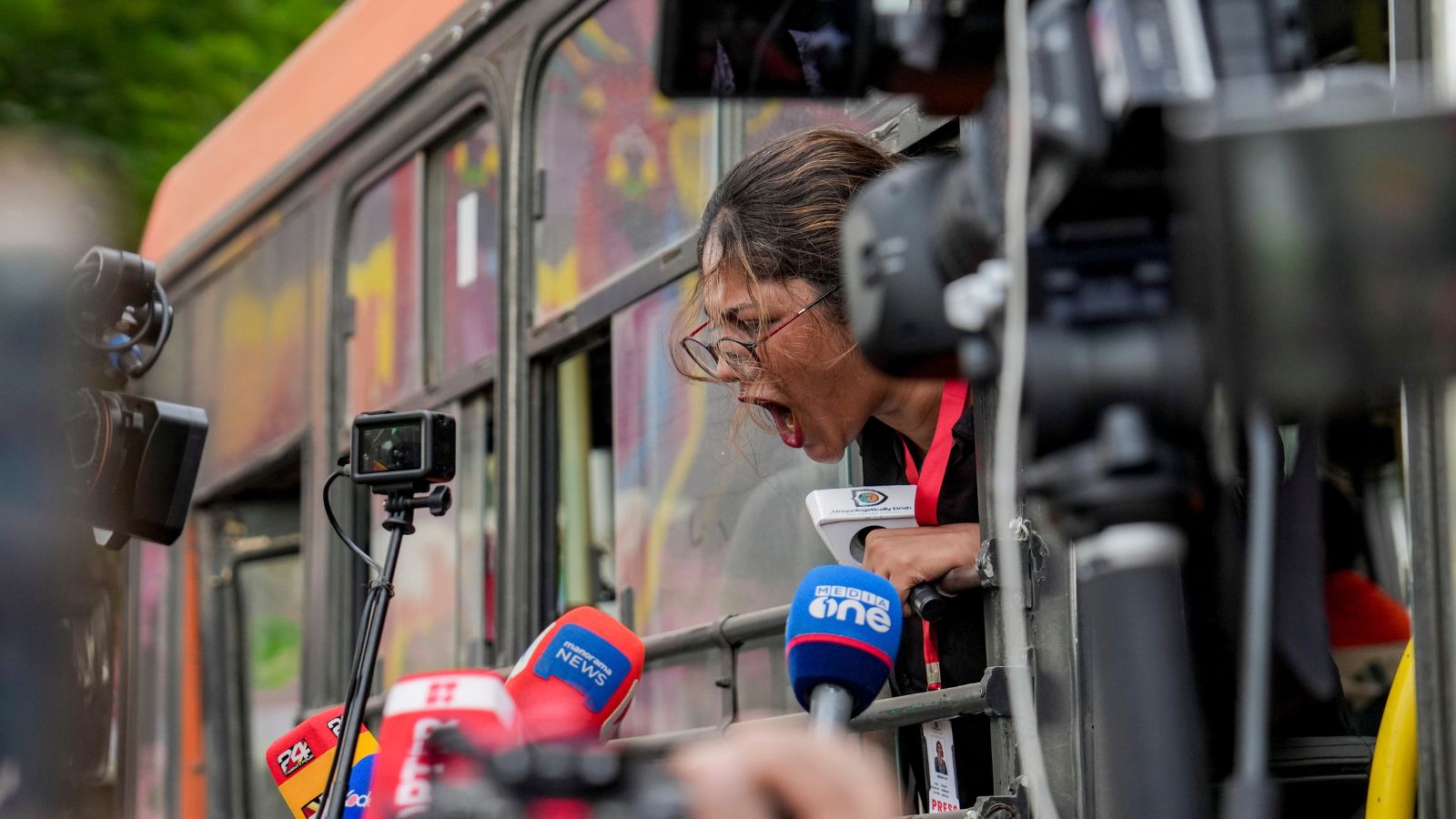
Earlier on the day, CJP leaders Ashutosh Ranka and Saurav Das called on the youth of the country to spread their protests outside Delhi. They were addressing the media after being released from a 24-hour detention. CJP founder Abhijeet Dipke, who had also been released, left Delhi to be with his family, mourning the passing of his grandmother.
Also Read:
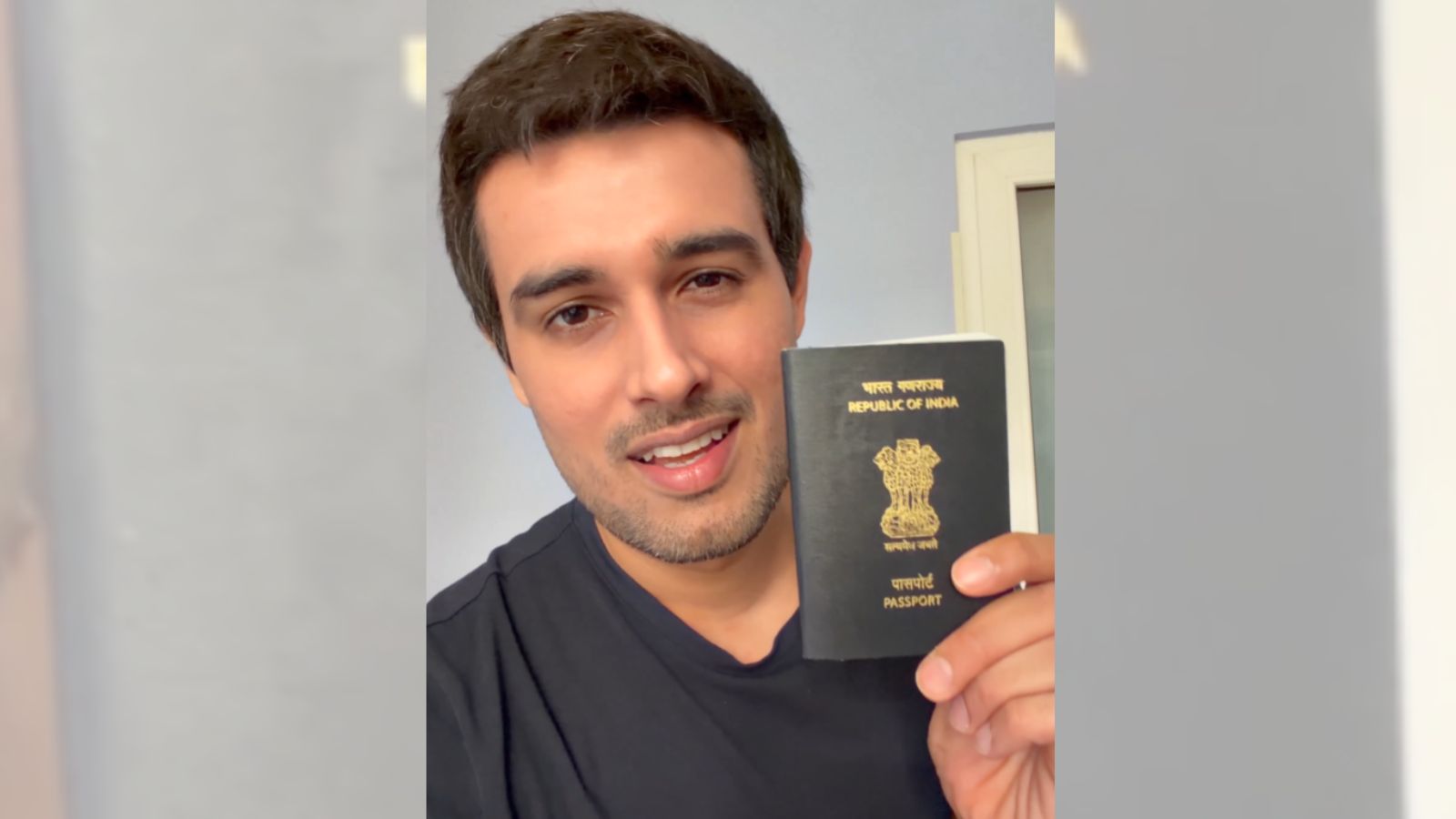
Modi's address to the schoolchildren and the remarks made by the CJP leaders and popular YouTuber Dhruv Rathee referred to the year 1975, though in different contexts.
The PM cited '1975' as the year the Hindu Vidyalaya was founded "as a small facility with just seven students at West Mambalam in Chennai" before growing into a popular institution with various branches.
Saurav Das and Rathee recalled the 'state of emergency' that began in 1975 and lasted 21 months under Prime Minister Indira Gandhi. Rathee described the crackdown on Delhi protests and the large-scale detentions 'an unofficial emergency' in India. Das shared the views in a press conference, saying: "Such a situation was last seen in India in 1975 during a dictatorial regime."
Another coincidence linked Modi's Tamil Nadu visit and the Delhi protests: metro rail. A few hours before Modi inaugurated a new phase of Chennai Metro, the Delhi Metro reopened entry and exit gates at 45 stations after a 25-hour closure was imposed on Saturday.
(Compiled by Arun George)