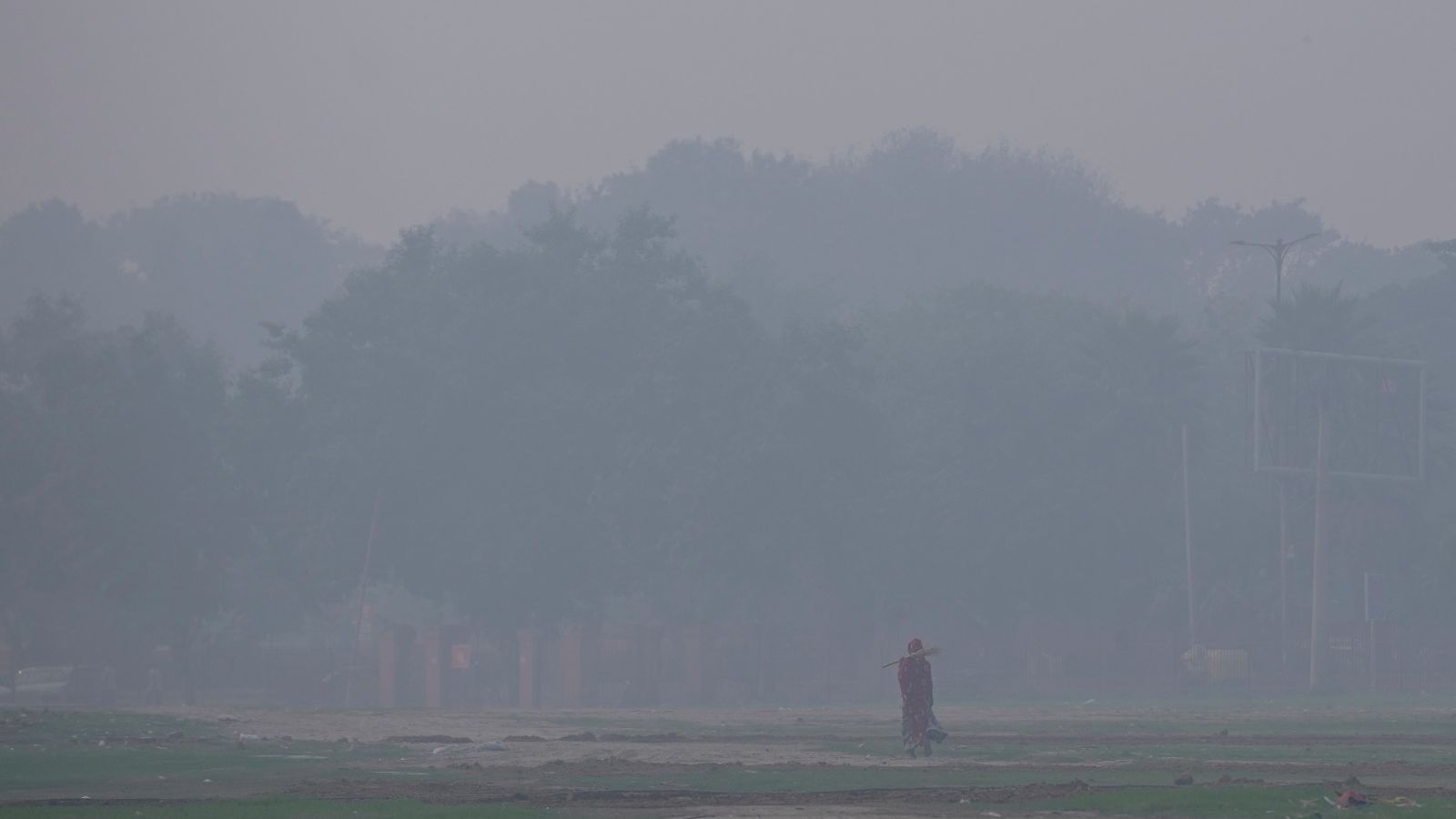


New Delhi: Delhi's air quality improved marginally on Thursday morning, with the national capital recording an overall Air Quality Index (AQI) of 321 in the 'very poor' category. However, a thick layer of smog continued to engulf several parts of the city, reducing visibility during the early morning hours.
According to data recorded by the Central Pollution Control Board (CPCB) at 7 am, PM10 and PM2.5 remained the major pollutants across the national capital.
Also Read:
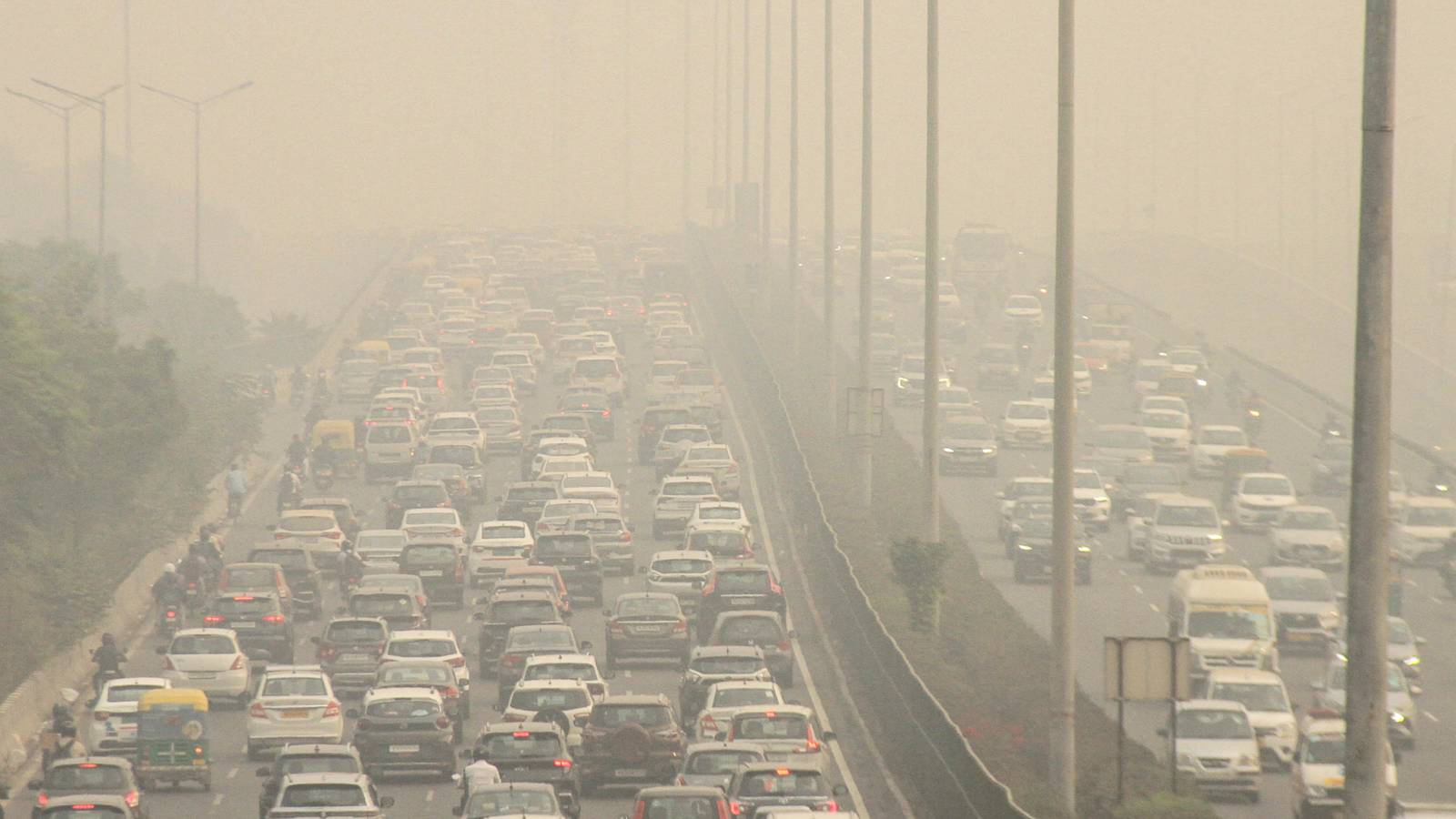
Among the monitoring stations, NSUT Jaffarpur recorded the highest AQI of 399, followed by Chandni Chowk at 387, Pusa (IITM) at 386, NSIT Dwarka at 383 and JNU at 378. Several other stations, including Punjabi Bagh, Chhawla and Aya Nagar, also recorded AQI levels above 360.
Delhi's air quality deteriorated following Diwali celebrations on November 8, with several monitoring stations recording AQI levels above 400 in the 'severe' category in the days that followed.
The persistent pollution has been compounded by a drop in temperatures and moderate fog. Meanwhile, the Delhi government has been undertaking pollution-control measures, including deploying water sprinklers across the city.
Earlier on Wednesday, the Member Secretary and Members (Technical) of the Commission for Air Quality Management (CAQM) met a delegation of the Aam Aadmi Party at its office and heard its concerns regarding air pollution in Delhi.
The development comes after CAQM invoked Stage III of the Graded Response Action Plan (GRAP) across Delhi-NCR on November 6, ahead of Diwali, amid concerns over worsening pollution. The measures include additional restrictions and increased enforcement to prevent further deterioration in air quality.
The emergency action plan covers Delhi and adjoining districts of Haryana, Uttar Pradesh and Rajasthan. GRAP is a four-stage framework under which restrictions become progressively stricter as air quality worsens.
Meanwhile, Mumbai recorded an AQI of 146 in the 'moderate' category, according to CPCB data. The area around Bandra Reclamation recorded an AQI of 199 at 7.10 am.
Across Maharashtra, Bhiwandi recorded the highest AQI at 221, followed by Malegaon at 208, both in the 'poor' category. AQI readings across the state ranged from 62 in Hingoli to 221 in Bhiwandi.
According to CPCB classification, an AQI between 0 and 50 is considered 'good', 51-100 'satisfactory', 101-200 'moderate', 201-300 'poor', 301-400 'very poor ', and 401-500 'severe'.