

Malappuram: The Keralam Health Department has intensified surveillance and preventive measures in Malappuram district after Shigella infections were confirmed in three areas, with residents urged to take precautions against the spread of the disease.
The district has recorded 75 Shigella cases so far this year, including eight contact cases, District Medical Officer (DMO) Dr V Vinod said in a statement.
The latest infections were reported from Areekode, Pulpatta and Edavanna. Following the reports, the district-level Rapid Response Team (RRT) convened an emergency meeting to assess the situation and strengthen containment measures.
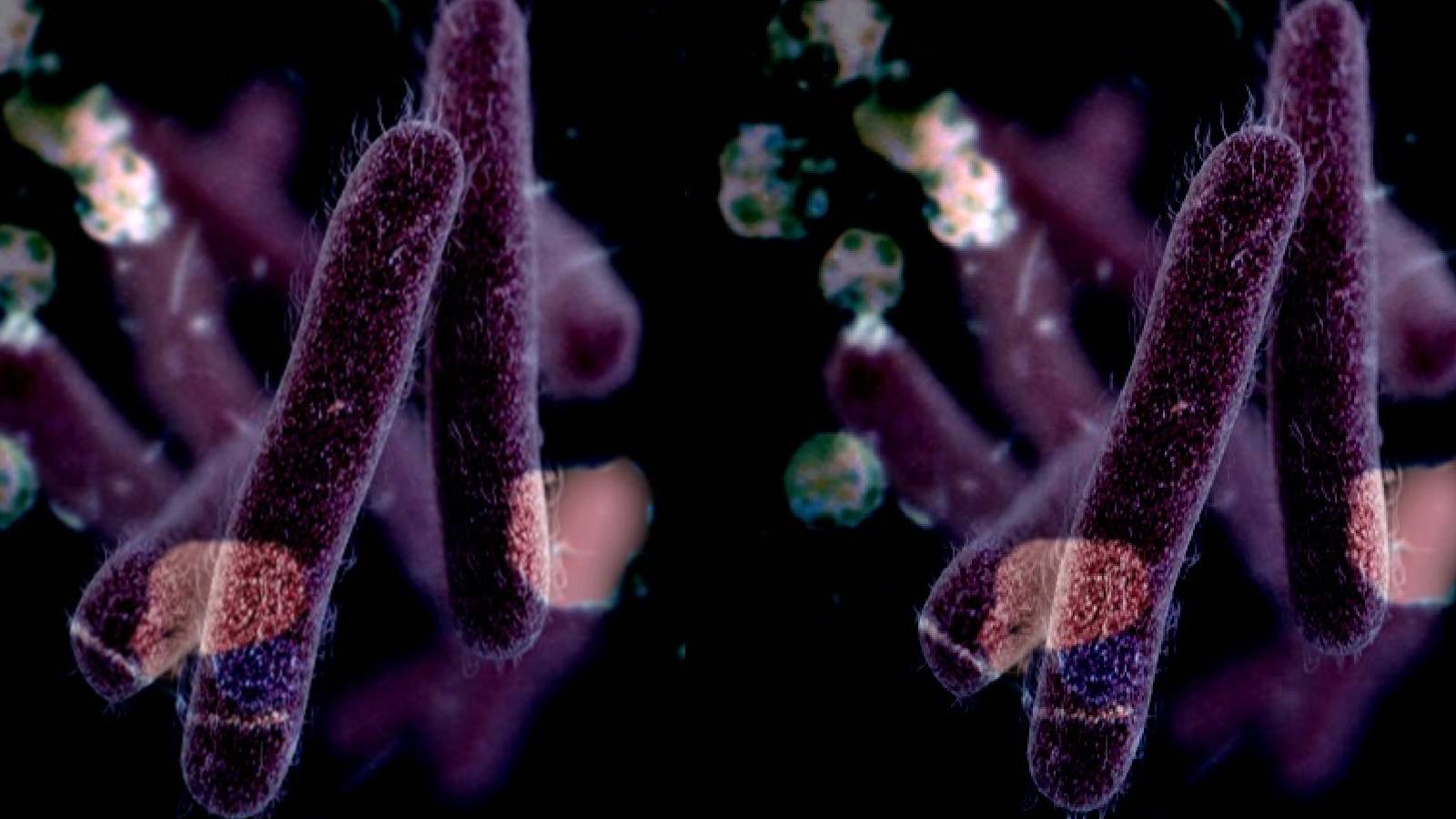
Shigella is a bacterial infection that causes diarrhoeal disease and predominantly affects children. It spreads mainly through contaminated water and stale or inadequately cooked food.
The infection can also spread through direct or indirect contact with the faeces of infected people, the DMO said.
Symptoms generally develop within one or two days of infection and include diarrhoea, blood and pus in stools, severe abdominal pain, fever, vomiting and dehydration.
Children who are infected but asymptomatic can also transmit the bacteria through their stools. The DMO warned that delayed treatment could lead to serious complications affecting the brain and kidneys and, in severe cases, cause death.
Also Read:

Inspections and restrictions in affected areas
As part of the intensified response, the Health Department, Local Self-Government Department, and Food Safety wing will jointly inspect food manufacturing, storage, and distribution centres.
Establishments found violating safety regulations will face strict legal action. Public feasts have also been banned in the affected areas as a precautionary measure, according to the statement.
Health department issues preventive guidelines
The Health Department has advised residents to use only boiled and cooled water for drinking and cooking. People have also been urged to eat freshly prepared, thoroughly cooked food and, as far as possible, avoid stale, uncovered, and outside food.
Residents should ensure regular chlorination of drinking water sources, wash fruits and vegetables thoroughly and keep food covered to prevent contamination by flies and other insects.
The department has stressed the importance of washing hands with soap before eating, before preparing food and after using the toilet.
People developing diarrhoea should be given oral rehydration solution (ORS), salted rice gruel or tender coconut water promptly to prevent dehydration.
The department has also urged residents to maintain personal and environmental hygiene and seek medical attention immediately if symptoms appear, rather than resorting to self-medication.