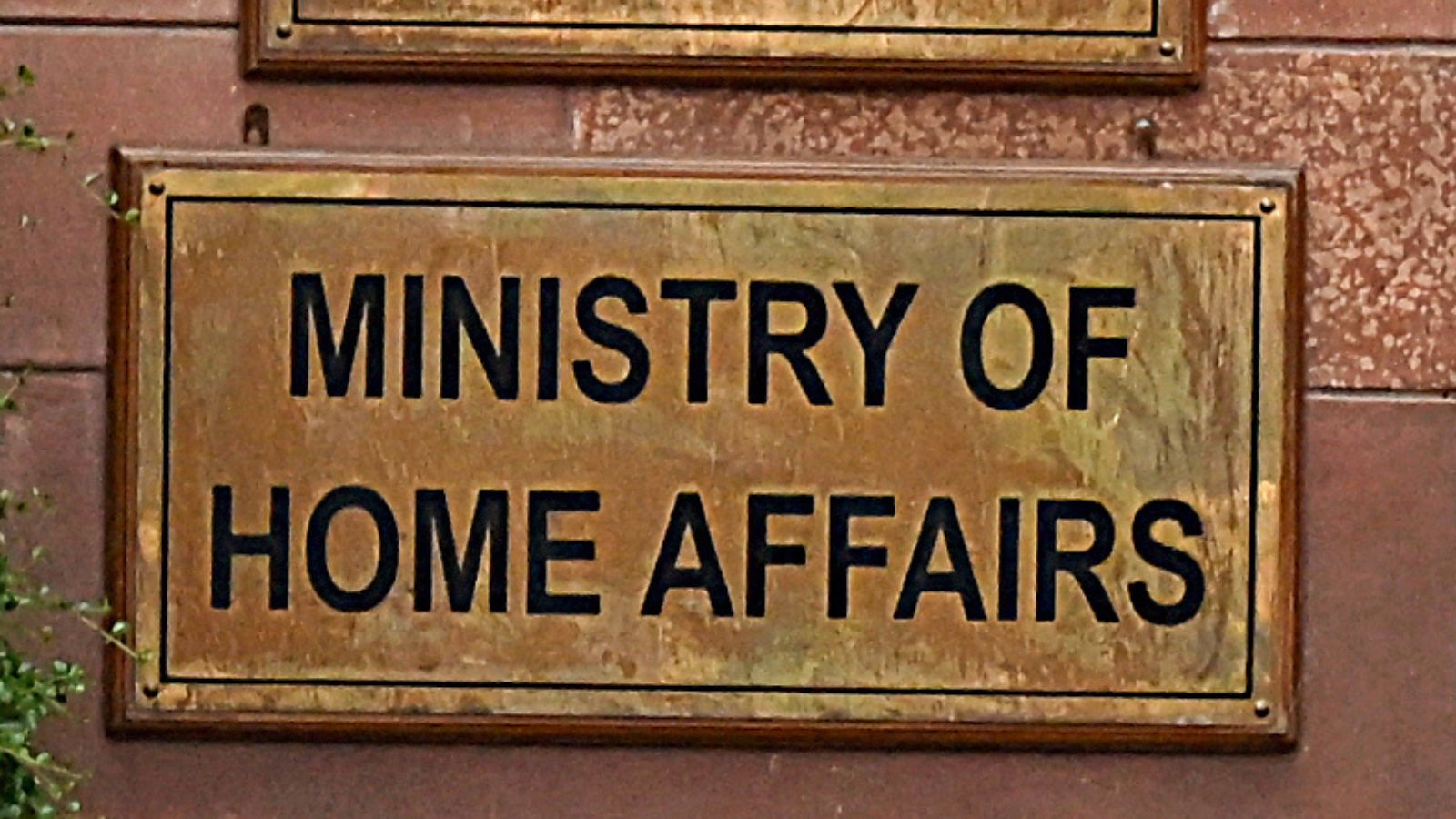


New Delhi: The Union government on Friday extended the ban on fugitive preacher Zakir Naik's Islamic Research Foundation (IRF) for another five years under the stringent UAPA, with Union Home Minister Amit Shah saying that the outfit was propagating a "venomous ideology" of terrorism and separatism.
In a gazette notification, the Ministry of Home Affairs (MHA) said that the IRF has been engaged in activities prejudicial to the security of the country with the potential to disturb peace and communal harmony. The earlier five-year ban on the organisation was set to expire on November 14.
"Led by fugitive terror preacher Dr Zakir Naik, the organisation has been involved in sinister anti-India designs, including inciting communal hatred and promoting terrorism," Shah said in a post on X.
"In steadfast adherence to PM Shri @narendramodi Ji's vision of zero tolerance towards terrorism and anti-national activities, MHA extends the ban on the Islamic Research Foundation as an unlawful association under the UAPA," he added.
The Home Minister further said that the group had been instigating violent unrest, encouraging the regrouping of absconding terrorists, and fomenting communal discord.
In steadfast adherence to PM Shri @narendramodi Ji's vision of zero tolerance towards terrorism and anti-national activities, MHA extends the ban on the Islamic Research Foundation as an unlawful association under the UAPA.Led by fugitive terror preacher Dr Zakir Naik, the organisation has been involved in sinister anti-India designs, including inciting communal hatred and promoting terrorism. The group has been found to be propagating a venomous ideology of terrorism and separatism, instigating violent unrest, encouraging the regrouping of absconding terrorists and fomenting communal discord.https://t.co/GHgUgAqXVj
— गृहमंत्री कार्यालय, HMO India (@HMOIndia) November 13, 2026
According to the MHA notification, the government invoked powers under Sub-section (1) of Section 3 of the Unlawful Activities (Prevention) Act, 1967 (UAPA), to declare the IRF an unlawful association, a decision previously upheld by the Unlawful Activities (Prevention) Tribunal.
"The Central Government is of the opinion that the IRF and its members, particularly the founder and President of the IRF, Dr Zakir Abdul Karim Naik alias Dr Zakir Naik, has been encouraging and aiding its followers to promote or attempt to promote, on grounds of religion, disharmony or feelings of enmity, hatred or ill-will between different religious communities and groups which are prejudicial to the integrity and security of the country," the notification read.
The ministry said that Naik's speeches and statements were "objectionable and subversive", accusing him of inspiring youth in India and abroad to commit terrorist acts. It pointed out that Naik had broadcast radical content to millions worldwide via international satellite television networks, the internet, print, and social media.
Warning of the consequences of inaction, the MHA said that if the IRF's unlawful activities were not curbed immediately, the outfit would reorganise its absconding activists, disrupt the country's secular fabric, propagate anti-national sentiments, and escalate secessionism by supporting militancy.
"The Central Government, for the above-mentioned reasons, is of the opinion that having regard to the activities of the IRF, it is necessary to declare the IRF as an unlawful association with immediate effect," the notification added.
Naik, a resident of Maharashtra, was on a trip abroad when his organisation was banned by the government in 2016. Since then, he has been staying in Malaysia. In 2017, his passport was also revoked at the request of the National Investigation Agency (NIA), which had registered a case against him.
India has been pursuing legal and diplomatic measures against Naik since November 17, 2016, when the central government declared his organisation an unlawful association under the UAPA, citing allegations of promoting enmity and hatred between religious communities.
In May 2017, India approached INTERPOL for a Red Corner Notice (RCN) against Naik, providing subsequent clarifications in August and October.
However, during its 102nd session in late December 2017, the INTERPOL Commission deemed the request premature because a charge sheet had not been filed at the time of the initial application.
Following a fresh court warrant issued on November 24, 2017, Indian agencies submitted a renewed RCN request to INTERPOL on January 3, 2018, to which a response remains awaited.
India had also formally transmitted a provisional arrest and extradition request to Malaysia's ministry of foreign affairs on January 19, 2018 after it was confirmed that Naik had been granted permanent residency status.