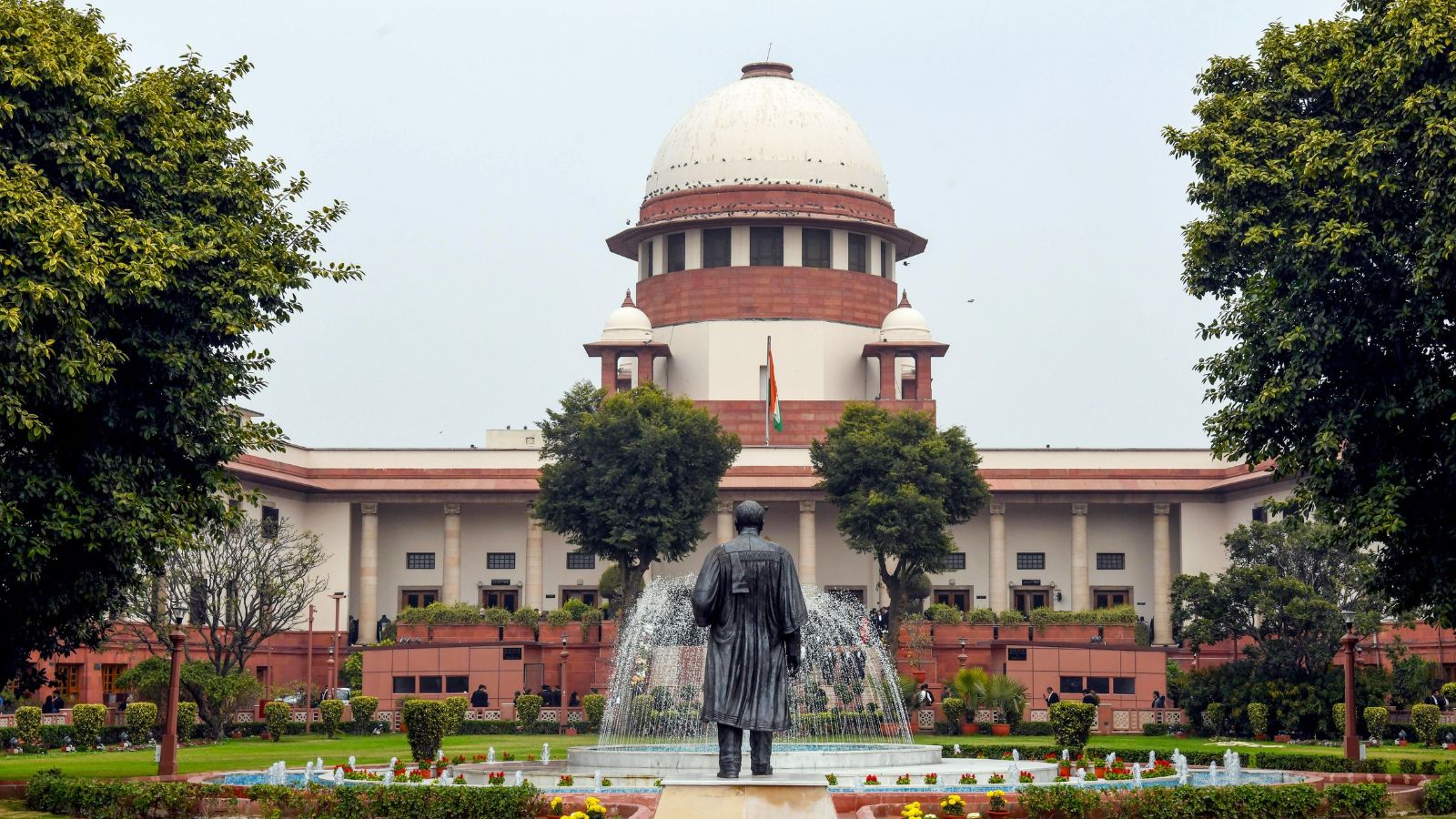


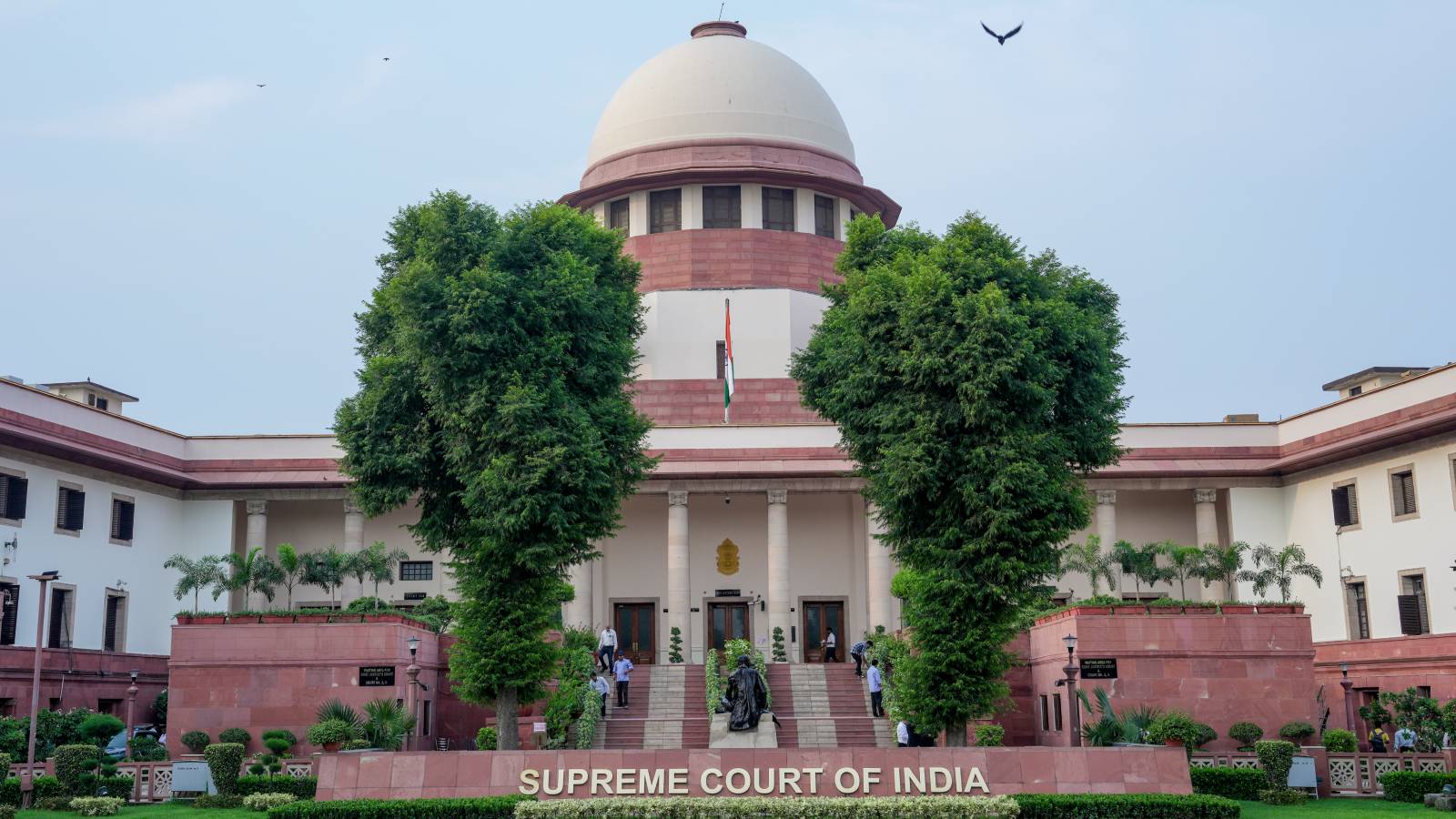
New Delhi: The Supreme Court on Thursday said it would list a batch of petitions pertaining to the contentious issue of marital rape for final hearing in December.
The apex court is seized of petitions raising the vexed legal question of whether a husband should enjoy immunity from prosecution for the offence of rape if he forces his wife, who is not a minor, to have sex.
Under the exception clause of Section 375 of the Indian Penal Code, now repealed and replaced by the Bharatiya Nyaya Sanhita, 2023, sexual intercourse or sexual acts by a man with his wife, the wife not being a minor, is not rape.
Even under the new law, exception 2 to section 63 (rape) says that "sexual intercourse or sexual acts by a man with his own wife, the wife not being under eighteen years of age, is not rape".
The petitions were listed for hearing during the day before a bench of Chief Justice Surya Kant and Justices Joymalya Bagchi and V Mohana.
Senior advocate Indira Jaising, who is appearing in the matter, told the apex court that the bench is scheduled to hear a part-heard matter at 2 pm during the day. She urged the bench that the marital rape matter be listed for hearing in December, as today it may not come up since the bench is seized of a part-heard matter.
"We will either have it on December 2-3 or on December 9-10. Today, it is not possible. We are trying to finish the part-heard matter today," the CJI said.
One of the lawyers appearing in the marital rape case requested the bench to list the matter on December 9 and 10.
"We will fix it on December 9 or December 10," the bench said, adding, "We will try to hear it before the winter break".
The winter break in the apex court would commence from December 21.
On September 9, the Union government had told the bench that the counter affidavit filed earlier by it in the lead case may be treated as its reply in other petitions as well.
The bench had then observed that it would examine aspects such as whether the prosecution can be sustained if the marital rape exception survives, and whether the exception itself was constitutionally valid.
The top court had, on January 16, 2023, sought the Union government’s response on a clutch of petitions assailing the IPC provision which provides protection to a husband against prosecution for forcible sexual intercourse if the wife is an adult.
Later, it also issued notice to the Union government on a similar plea challenging the BNS provision on the issue.
The newly enacted laws -- the Bharatiya Nyaya Sanhita, the Bharatiya Nagarik Suraksha Sanhita and the Bharatiya Sakshya Adhiniyam -- came into effect from July 1, 2024, replacing the IPC, the CrPC and the Evidence Act.
One of the pleas in the apex court arises from the Delhi High Court's split verdict of May 11, 2022 on the issue. The appeal has been filed by a woman, who was one of the petitioners before the High Court.
While delivering a split judgment, High Court judges Justice Rajiv Shakdher and Justice C Hari Shankar had concurred on granting the petitioners a certificate of leave to appeal in the Supreme Court as the matter involved substantial questions of law that required a decision by the top court.
While Justice Shakdher, who headed the division bench, favoured striking down the marital rape exception for being "unconstitutional" and said it would be "tragic if a married woman's call for justice is not heard even after 162 years" since the enactment of the IPC, Justice Shankar said the exception under the rape law is not "unconstitutional and was based on an intelligible differentia".
In a separate matter, the Karnataka High Court has earlier said that exempting a husband from the allegations of rape and unnatural sex with his wife runs against Article 14 (equality before law) of the Constitution.