

Major sporting events are remembered for more than winners, medals and scores. They also have another familiar presence: the mascot.
It can be an animal or a fictional character. Often appearing alongside athletes and fans, mascots have become a recognisable part of major sporting events.
A mascot gives a sporting event or team a face that audiences can recognise instantly. It can turn a complicated international competition into something more familiar, colourful and approachable. And while mascots are now a familiar part of sports, the idea has evolved considerably over the years.
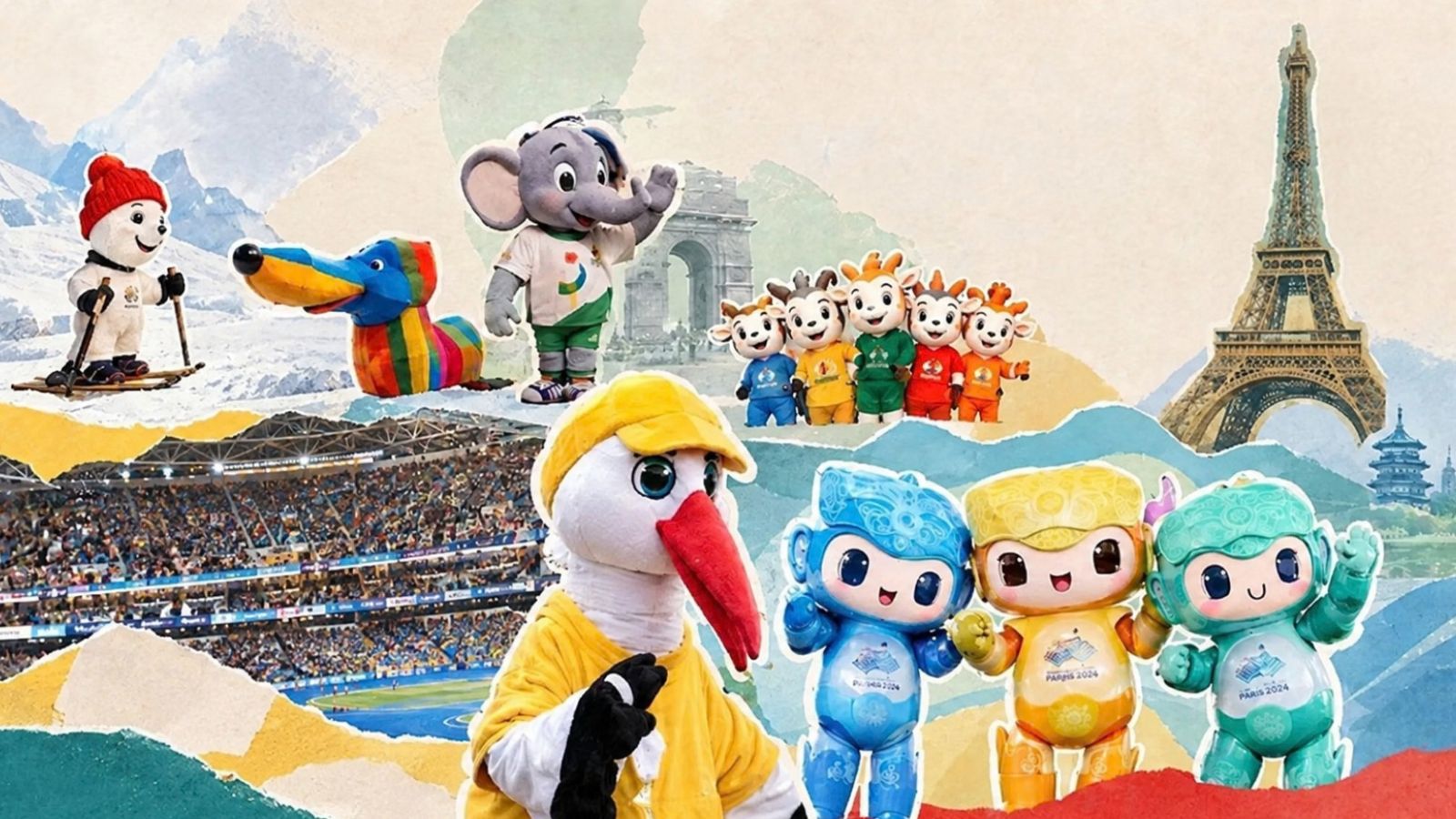
The Olympic mascot tradition began with ‘Schuss’, a little man on skis introduced unofficially at the 1968 Winter Olympics in Grenoble. Four years later, ‘Waldi’, a colourful dachshund, became the first official Olympic mascot at the 1972 Munich Games. Waldi was not chosen at random: the dachshund was popular in Bavaria, and its endurance, tenacity, and agility were considered suitable for the Olympic spirit.
The idea soon travelled beyond the Olympics. At the 1982 Asian Games in New Delhi, ‘Appu’, a young elephant, became the first mascot in Asian Games history.
Since then, mascots have become almost as recognisable as the events themselves. Some are cute. Some are quirky. Some are rooted in local history. Others are designed simply to become characters that fans want to see, photograph and take home.
So what exactly is a mascot supposed to do? Who decides what it looks like? And why do some of them stay in people's memories long after the final match?
More than a visual part
A mascot is an essential visual part of an entire sporting event.
Instead of explaining the history, culture, and identity of a host city in a long speech, organisers can sometimes do it through one character. The design, colours, clothing, animal, or even personality can carry clues about the place where the event is being held.
That is why mascots often appear everywhere. From stadiums to posters, clothing and other merchandise.
In other words, the mascot does not necessarily have to win a medal to become memorable.
It can become the character that welcomes spectators, appears in promotional campaigns, poses for photographs and eventually becomes the thing people associate with a particular edition of the Games.
Who gets to choose the mascot?
There is no single criterion for that.
Some mascots begin with an open call for designs. Others emerge from competitions, organising committees, professional designers or selection panels. Public voting has also been used for some Olympic mascots.
But putting a cute animal on a logo is hardly enough. Organisers have to think about whether the character can represent the host city or country, whether people will recognise it easily and whether the design can work on everything from a giant stadium costume to a tiny souvenir.
Cultural relevance is another major consideration.
A mascot can take something familiar from its host location and turn it into a character. That could be an animal, a legend, a landmark, a traditional symbol, or an element of local history.
Sometimes, one mascot is not enough.
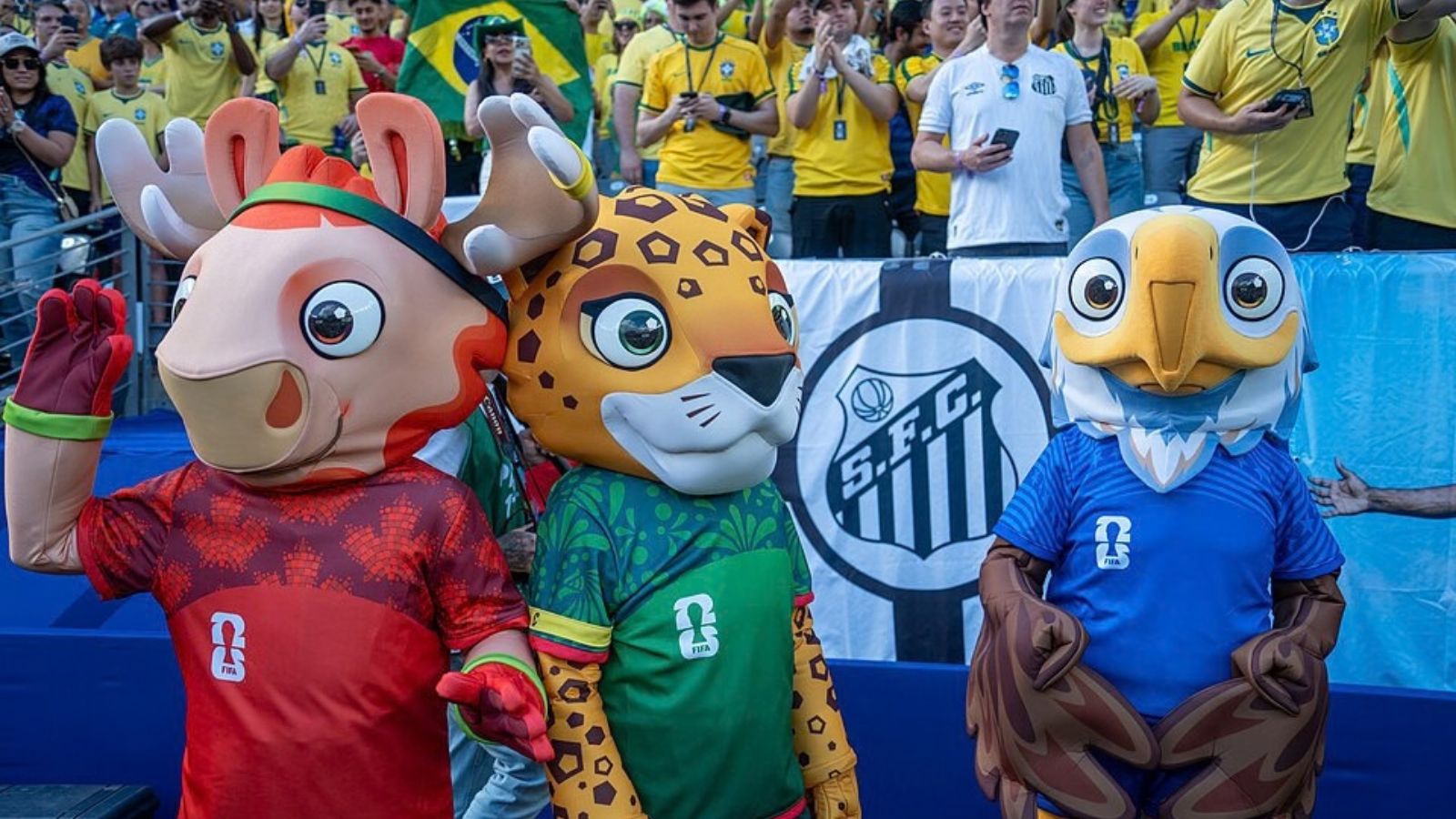
The 2026 FIFA World Cup, jointly hosted by Canada, Mexico and the United States, had three official mascots: ‘Maple,’ the moose, represents Canada, ‘Zayu’, the jaguar represents Mexico and ‘Clutch,’ the bald eagle, represents the United States. FIFA says the three characters were developed to reflect the culture, heritage and spirit of their respective host countries while symbolising unity and diversity.
The mascots who moved
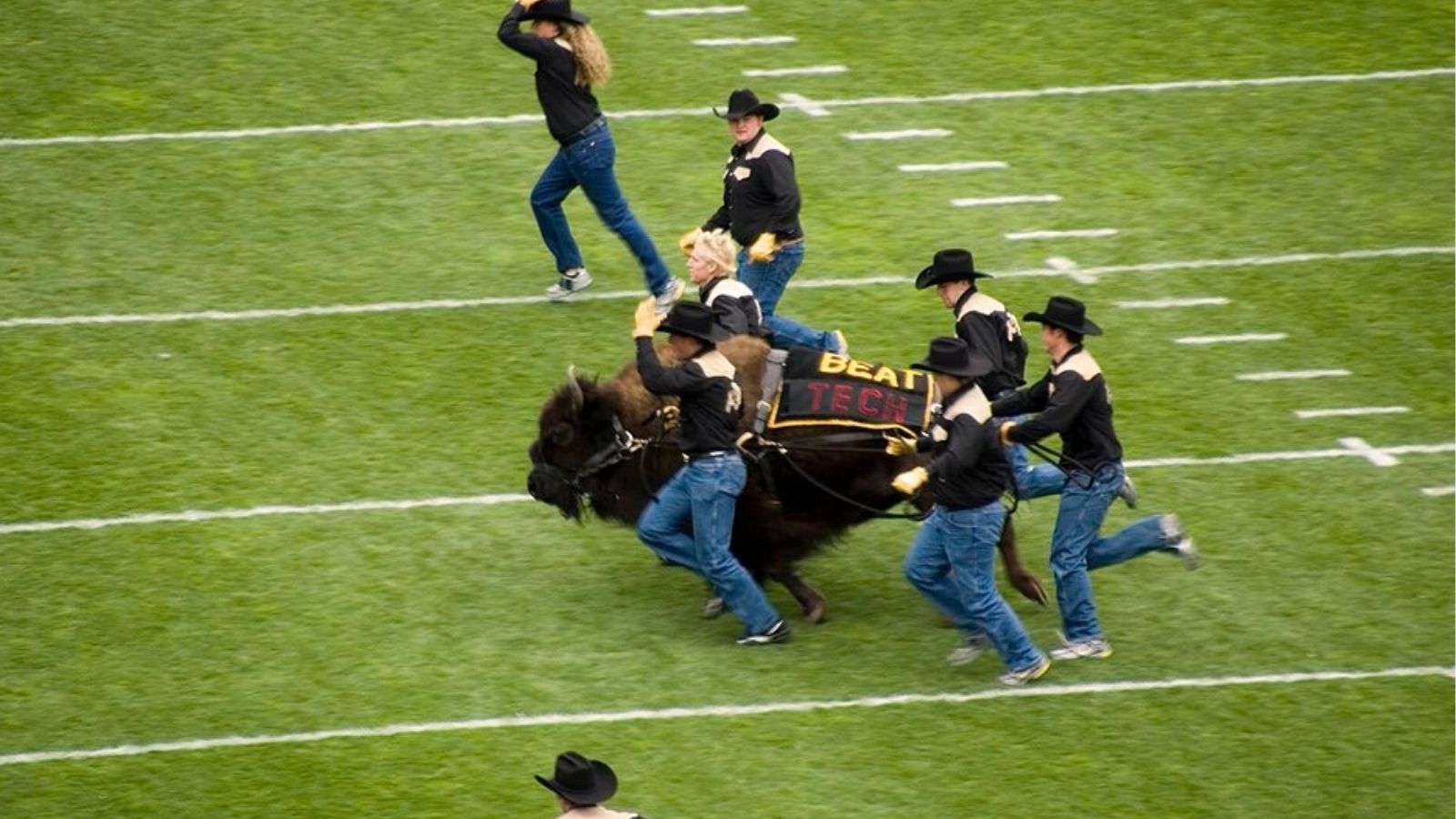
Not every mascot begins with a pencil sketch. In some sports, the mascot is a living animal.
One of the most striking examples is ‘Ralphie’, the live bison mascot of the University of Colorado Buffaloes. On game days, ‘Ralphie’ runs around Folsom Field in a horseshoe pattern, with handlers guiding her, before the football team follows her onto the field. The university describes her as a symbol of Buff pride and one of its most distinctive sporting traditions.
The tradition has continued across generations of Ralphies. Ralphie VII, the current bison, made her debut in 2025.
This is where the idea of a sports mascot becomes particularly interesting. A mascot does not always have to be something worn by a person. It can be a living part of the event itself.
From animals to robots
If real animals can become mascots, fictional ones can too, and sporting events have plenty of examples of that.
‘Appu’, the elephant at the 1982 Asian Games in New Delhi, connected the Games with an animal that has a long cultural association with India.
The 2010 Guangzhou Asian Games went in a different direction, introducing five goat mascots inspired by a famous local legend about five immortals who arrived in Guangzhou riding goats and carrying rice.
Then came mascots that moved even further away from ordinary animals.
The 2022 Asian Games in Hangzhou introduced three smart robot mascots - ‘Congcong’, ‘Lianlian’ and ‘Chenchen’, inspired by elements of the city's cultural heritage, including Liangzhu culture, West Lake and the Grand Canal.
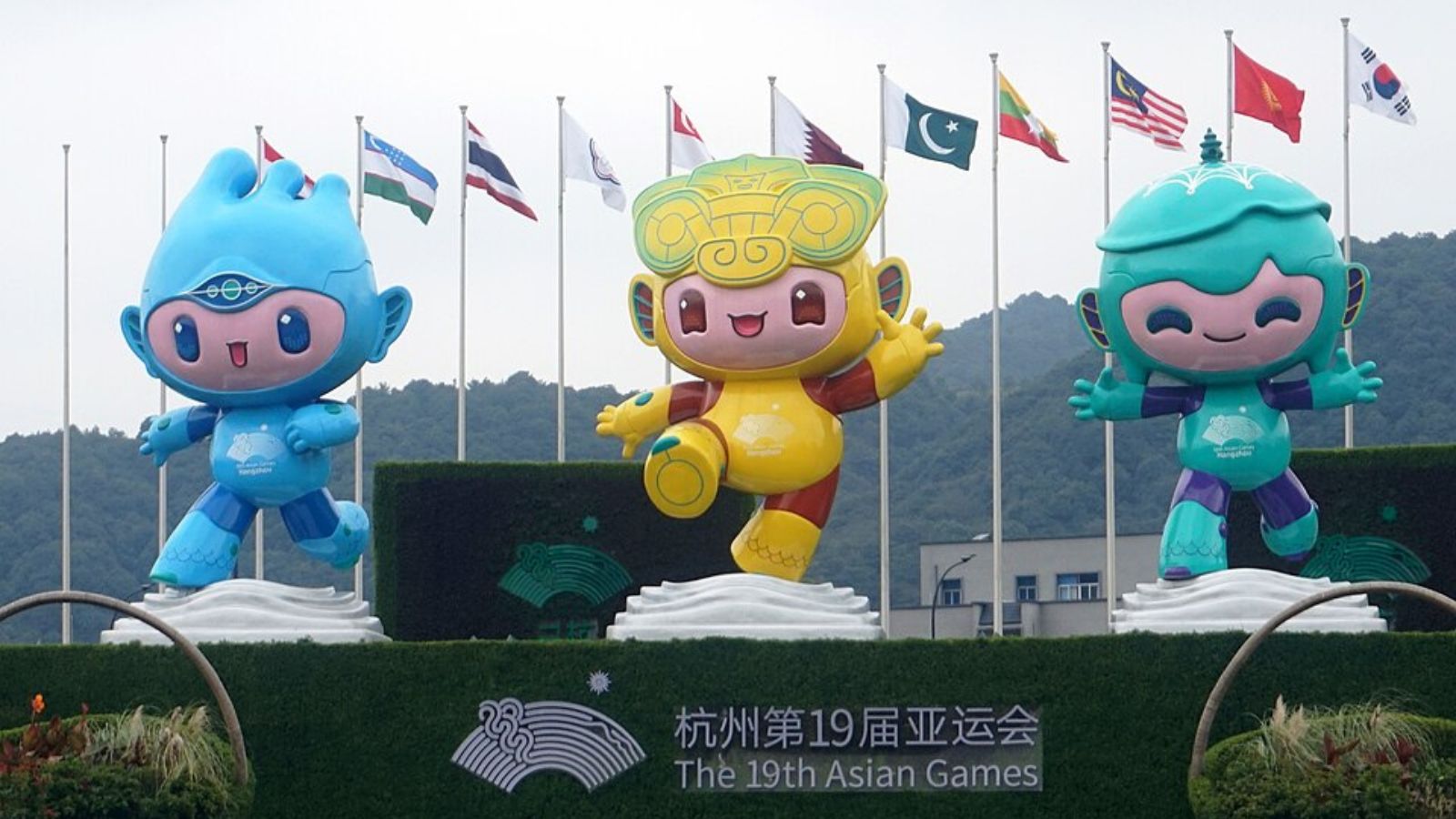
Mascots can occupy an unusual place in sports. They are not athletes, but they are still part of the spectacle. They do not score goals or win medals, but they can become the face people remember.
From cute animal icons to barely human-looking, they all have one job: turn a game into something people remember.