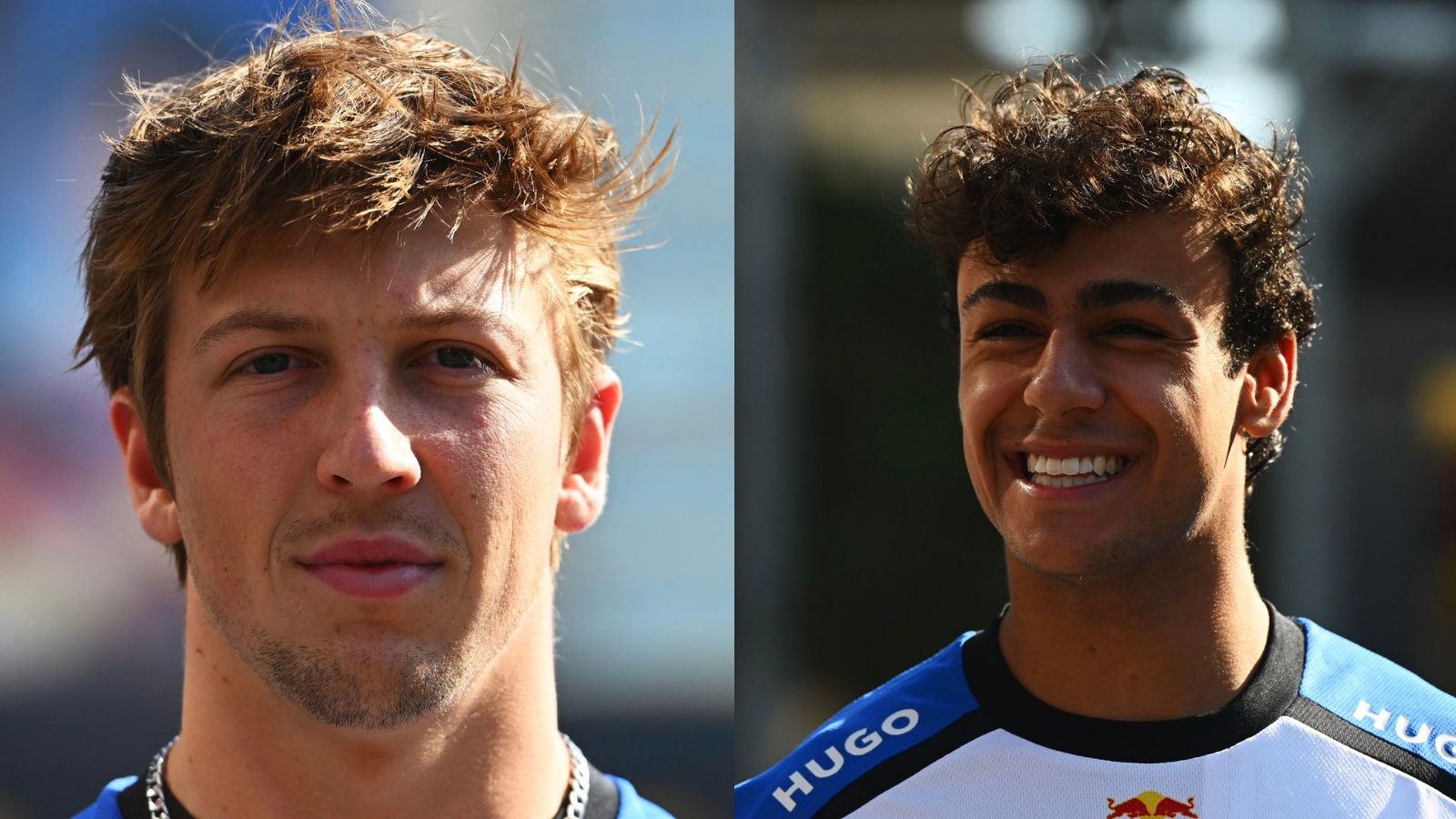


Racing Bulls face a difficult decision over their 2027 Formula 1 lineup. Liam Lawson and Arvid Lindblad have both delivered strong seasons, playing key roles in helping the team climb to fifth in the constructors’ championship. Given their performances, there appears to be little reason to change the pairing.
However, Red Bull junior Nikola Tsolov’s impressive Formula 2 campaign has complicated matters. With three candidates competing for two seats, Racing Bulls must decide whether to stick with its current lineup or make room for an emerging talent.
Speaking before the Singapore Grand Prix, team principal Alan Permane acknowledged the challenge, saying the team needed more time to settle its 2027 lineup.
“We’re in no rush. I think everyone knows we’ve got two fantastic drivers. We’ve got a fantastic driver in F2 at the moment, and they’re all there and ready to go. But three doesn’t fit into two, of course, and we’re just going to take a little bit more time and make sure we get the right pairing for next year.”
Lawson has rebuilt his credentials
Helmut Marko ran the Red Bull Junior Team from its formal transition in 1999 until 2025. Under Marko and Christian Horner, the programme operated with a hard edge. Drivers were given opportunities, but those who failed to deliver quickly could be moved aside if they were not considered long-term candidates for the senior team.
Lindblad was the last driver promoted to Formula 1 under Marko’s direct guidance. With that era over, the decision-making culture may be less predictable. Under the previous model, Lawson would have been more vulnerable after his difficult stint at the senior team.
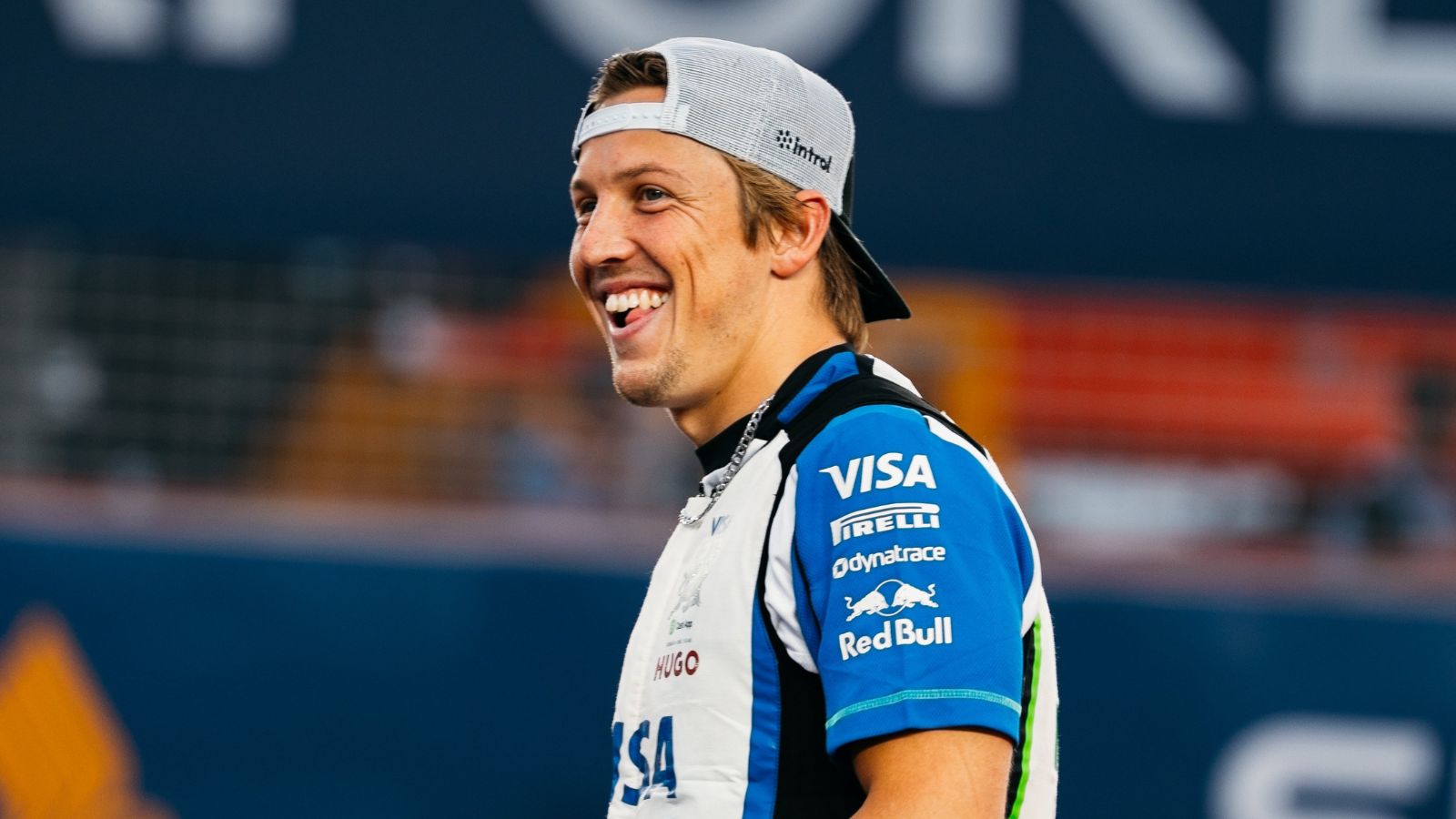
Lawson’s Formula 1 journey has been far from straightforward. He made five grand prix appearances in 2023 before contesting the final seven races of 2024, performances that earned him an opportunity alongside Max Verstappen at Red Bull at the start of 2025. However, two difficult opening races without a point led to his demotion to Racing Bulls. He was subsequently outperformed by rookie teammate Isack Hadjar, raising further questions about his prospects at the highest level.
In 2026, Lawson answered those doubts with a strong campaign. He sits ninth in the drivers’ championship and was also called up to replace the injured Hadjar at Red Bull for three races this season and he didn’t disappoint scoring 14 points across those appearances. Overall, Lawson has accumulated 75 points and recorded a best result of fifth. His performances have reinforced his credentials as a reliable contributor and make a compelling case for retaining him.
Lindblad deserves time to develop
Lindblad, still only 19 and completing his first full season, has already justified the faith shown in him. He has scored 38 points in his debut campaign, registered 11 points-scoring grand prix appearances and recorded a best finish of sixth.
His results suggest there is room for improvement. A second season would give him the opportunity to build on his debut and demonstrate how much further he can progress.
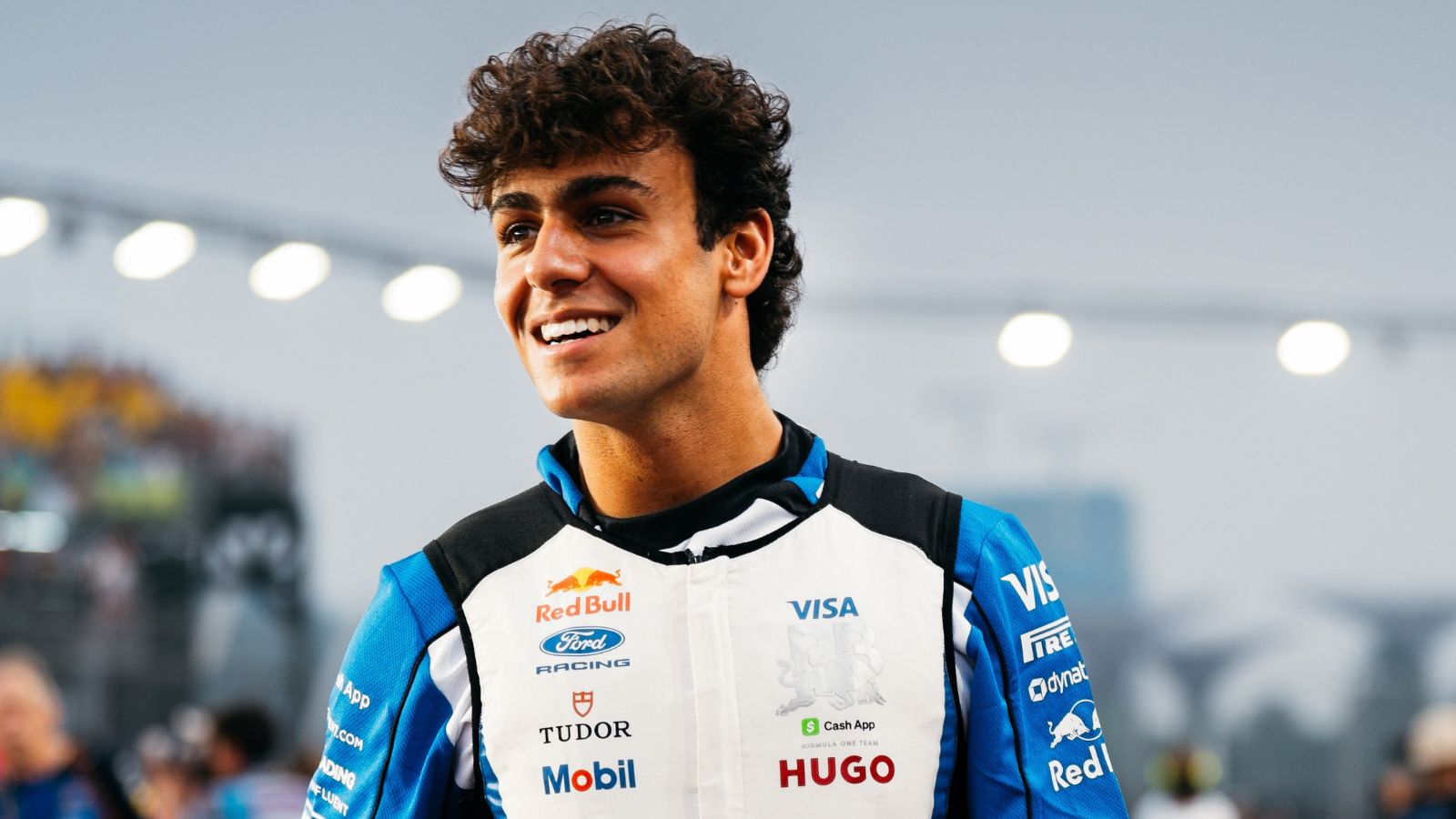
The development of drivers such as Oscar Piastri and Kimi Antonelli shows the potential value of giving young talents time, although each driver's trajectory is different. Lindblad has shown enough to merit that opportunity, but it would be premature to regard him as the team's leading driver. Lawson's greater experience offers a useful counterbalance to the teenager's potential.
Where does Tsolov fit into Red Bull’s plans?
Tsolov also has a compelling case for promotion. The Bulgarian has produced an impressive first full season in Formula 2 and currently sits second in the championship standings. A second year in the category could still benefit his development, but a title would end any chance of staying there. A full season as reserve is unlikely to appeal to a driver who has progressed rapidly. That tension is legitimate, yet it does not outweigh the value of keeping a proven points-scorer and a high-upside rookie together for another year.
Red Bull must weigh the benefits of further development against the risk of slowing his progress towards Formula 1. A reserve role could offer a compromise, keeping Tsolov close to the senior team while allowing him to gain experience through simulator work and potential testing opportunities. However, spending a full season on the sidelines may not appeal to a driver ready to compete at the highest level.
Promoting Tsolov would give Red Bull another promising prospect, but replacing Lawson would mean sacrificing an established points-scorer for a rookie whose ability to deliver at grand prix level remains untested. That is a significant risk for a team currently enjoying a productive season.
Also Read:
Continuity is the strongest option for 2027
Isack Hadjar’s contract extension with Red Bull for 2027 further reduces the immediate incentive to change the Racing Bulls lineup to accommodate a potential promotion. With no obvious opening at the senior team, the junior outfit can focus on its own competitive needs.
Retaining Lawson and Lindblad would preserve a pairing that combines experience with youth while giving Tsolov time to pursue the next stage of his development. Red Bull would still need a clear plan for the Bulgarian, particularly if he finishes the F2 season as champion.
For 2027, keeping the current drivers is the most pragmatic solution. Lawson has re-established himself as a consistent points-scorer, while Lindblad has shown the promise to justify another season. Racing Bulls can reward both performances without rushing Tsolov into a race seat before an opportunity arises.