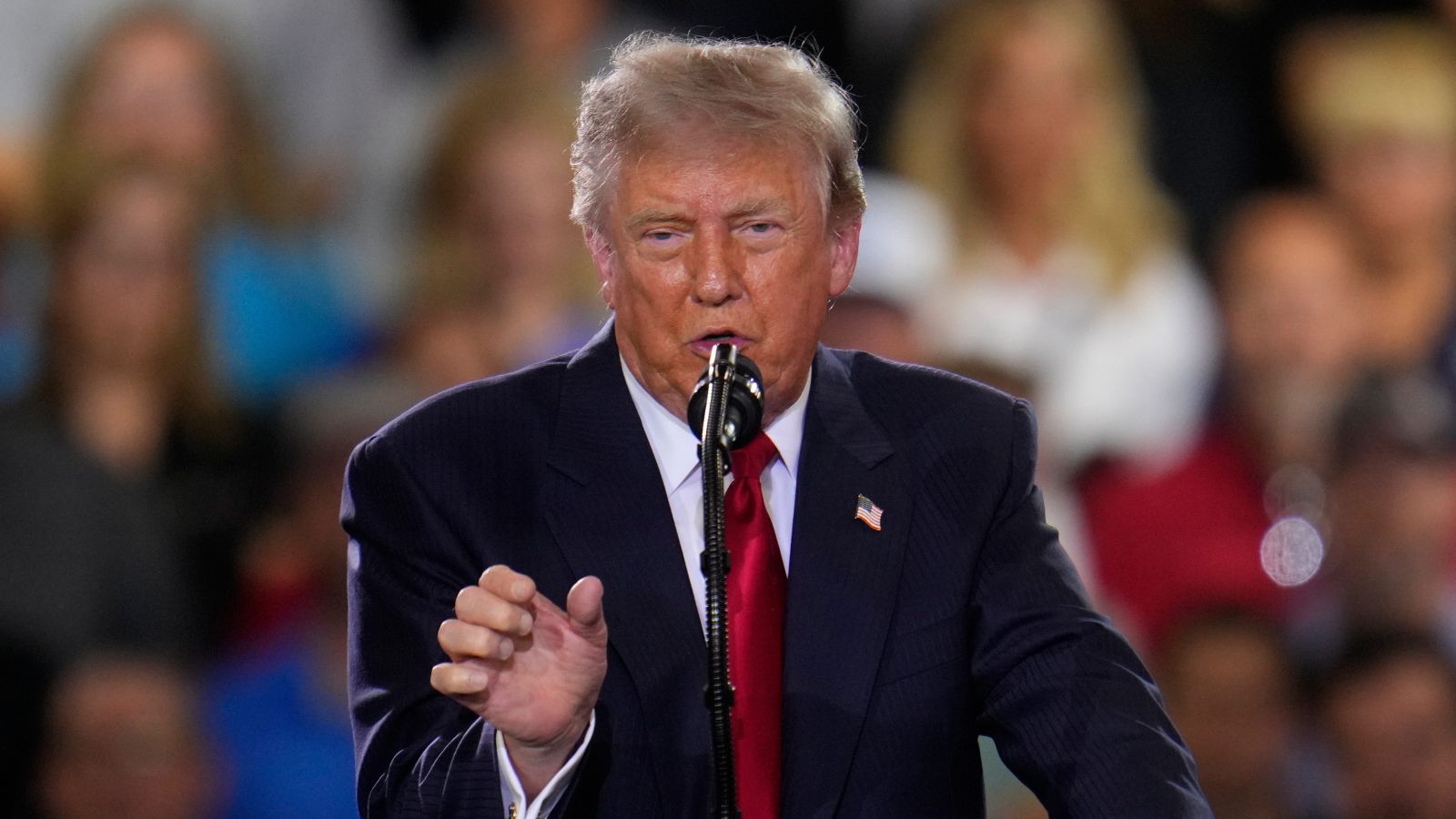


Washington: US President Donald Trump said Saturday that West Asia allies have reached the parameters of a deal to end the five-month-old war with Iran and that he would hold off on ordering new strikes for now.
Trump said the emerging deal “would include the Immediate, Complete, and Total OPENING OF THE HORMUZ STRAIT, and an end to Iran's nuclear threat.”
“Based on this request, I have agreed, for the future benefit of the WORLD and, likewise, the survival of a successful and prosperous Iran, to cancel the attack, subject to being able to rapidly make a DEAL,” Trump said.
He added that Israel has agreed to join the US in efforts to complete an agreement with Iran that would end the war.
Earlier Saturday, Saudi Crown Prince Mohammed bin Salman, the kingdom's de facto leader, raised concerns with Trump over the potential escalation of the conflict during a phone call, according to a person familiar with the discussion.
The Saudis are concerned that if the US targets Iran's energy infrastructure or carries out large-scale strikes on other key infrastructure, Tehran could retaliate against energy infrastructure in Saudi Arabia and other Gulf countries.
The crown prince also sought clarity from Trump on potential new US military action against Iran, the person said.
A White House official confirmed the leaders spoke on Saturday but did not provide details of the conversation.
Saudi Arabia earlier this week joined the US in striking multiple logistics and weapons sites used by Iranian-backed militias in Iraq, while urging Washington and Tehran to return to negotiations.
Trump also met Israeli Prime Minister Benjamin Netanyahu at the White House on Tuesday. Netanyahu has urged Trump to continue the war against Iran.
The US State Department on Saturday issued new security alerts for Americans in 10 countries in the region, urging them to exercise heightened caution amid escalating tensions with Iran.
The warnings covering Bahrain, Israel, Iraq, Jordan, Kuwait, Lebanon, Oman, Qatar, Saudi Arabia and the United Arab Emirates said Americans should prepare for possible flight cancellations, temporary airspace closures and other travel disruptions.
Also Read:
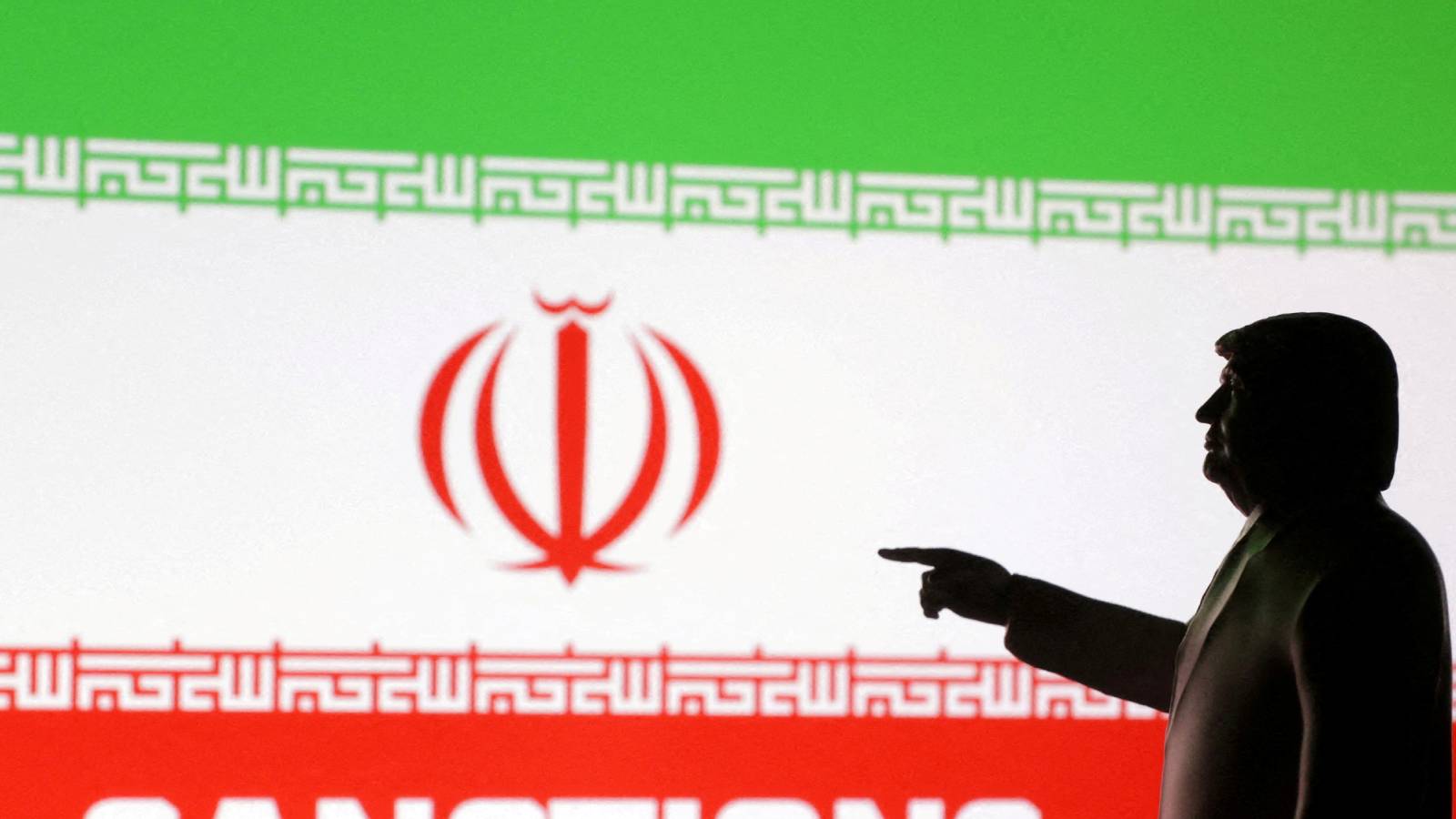
Newest proposal: What it means?
A regional official says the proposal announced by Trump over the weekend calls for the US and Iran to return to negotiations and continue working out many of the issues that have stymied prior progress on the deal.
The official, who is involved in the mediation efforts, said the proposal calls for reopening of the Strait of Hormuz and halting attacks across the region, including by Iranian-backed militias in Iraq on the Arab Gulf countries and Jordan.
The US, in exchange, will end its naval blockade on Iran and allow Tehran to export its oil as stated in the tentative ceasefire deal, he said.
No deal has been reached yet, but mediation efforts are underway, said the official, who spoke on condition of anonymity because he wasn't authorised to talk to the media.
Trump said that Israel is joining his commitment to end the war by implementing the ceasefire deal. Israel did not publicly comment on the announcement.
Saudis concerned about Iran retaliation
Saudi Crown Prince Mohammed bin Salman, the kingdom's de facto leader, spoke with Trump by phone Saturday and raised concerns about the US potentially escalating the conflict with Iran, according to the Saudi press agency.
The Saudis, according to the person briefed on the substance of the call but not authorised to comment publicly, are concerned that Tehran could respond with attacks on the energy infrastructure of the kingdom and other Gulf countries. The call happened before Trump's social media announcement, the person said.
The crown prince sought clarity from Trump on what potential new action he was weighing to take against Iran, the person said.
A White House official, who was not authorised to comment publicly and requested anonymity, confirmed the leaders spoke on Saturday but did not offer any detail.
Iran has repeatedly attacked vessels attempting to transit through the Strait of Hormuz without its authorisation as part of its ongoing conflict with the US.
Overnight Israeli strikes kill 8 in Gaza, including two children, health officials say
In developments elsewhere in the Middle East, Israeli strikes on Sunday across Gaza killed at least eight Palestinians, including two children, and wounded over a dozen others, according to local health officials. Palestinians reported an increase in the scale of Israeli strikes across the enclave over the past few days.
A strike on a residential apartment in southern Gaza killed three family members, including their 4-year-old child, according to Nasser hospital, where the bodies arrived.
Another strike, also on a residential apartment, in Gaza City killed three family members, including their child, and wounded others, according to health officials at the Shifa hospital. The mother was six months pregnant, the hospital added. In central Gaza, a man and his wife were killed in an Israeli strike, which wounded four other people in the area, according to the main hospital serving central Gaza.
The Israeli military said the overnight strikes had targeted Hamas military operatives, without elaborating.
At least 1,222 Palestinians, including at least 260 children, have been killed since the October ceasefire, according to Gaza's Health Ministry. Five Israeli soldiers have been killed in that time. Both Hamas and Israel continue to trade accusations of violating the ceasefire.
The State Department issued new security alerts on Saturday urging US citizens in the region to prepare for the possibility of flight cancellations, temporary airspace closures and other travel disruptions. The warnings covered Bahrain, Israel, Iraq, Jordan, Kuwait, Lebanon, Oman, Qatar, Saudi Arabia and the United Arab Emirates.