

Spain is set to experience another total solar eclipse on August 2 next year - the longest one in Europe in the 21st century - and an annular eclipse in January 2028, completing the trio. This is the first total eclipse visible from the Iberian Peninsula since 1912.
The full solar eclipse, visible in totality only from Spain and Iceland early on Wednesday (August 12) evening, is set to draw skywatchers from across Spain and abroad.
Astronomy enthusiasts had already started gathering in the north of Spain, in Arija and A Coruna, and in the east, in Arcos de las Salinas, to witness the first of the so-called Iberian Eclipse Trio.
Also Read:
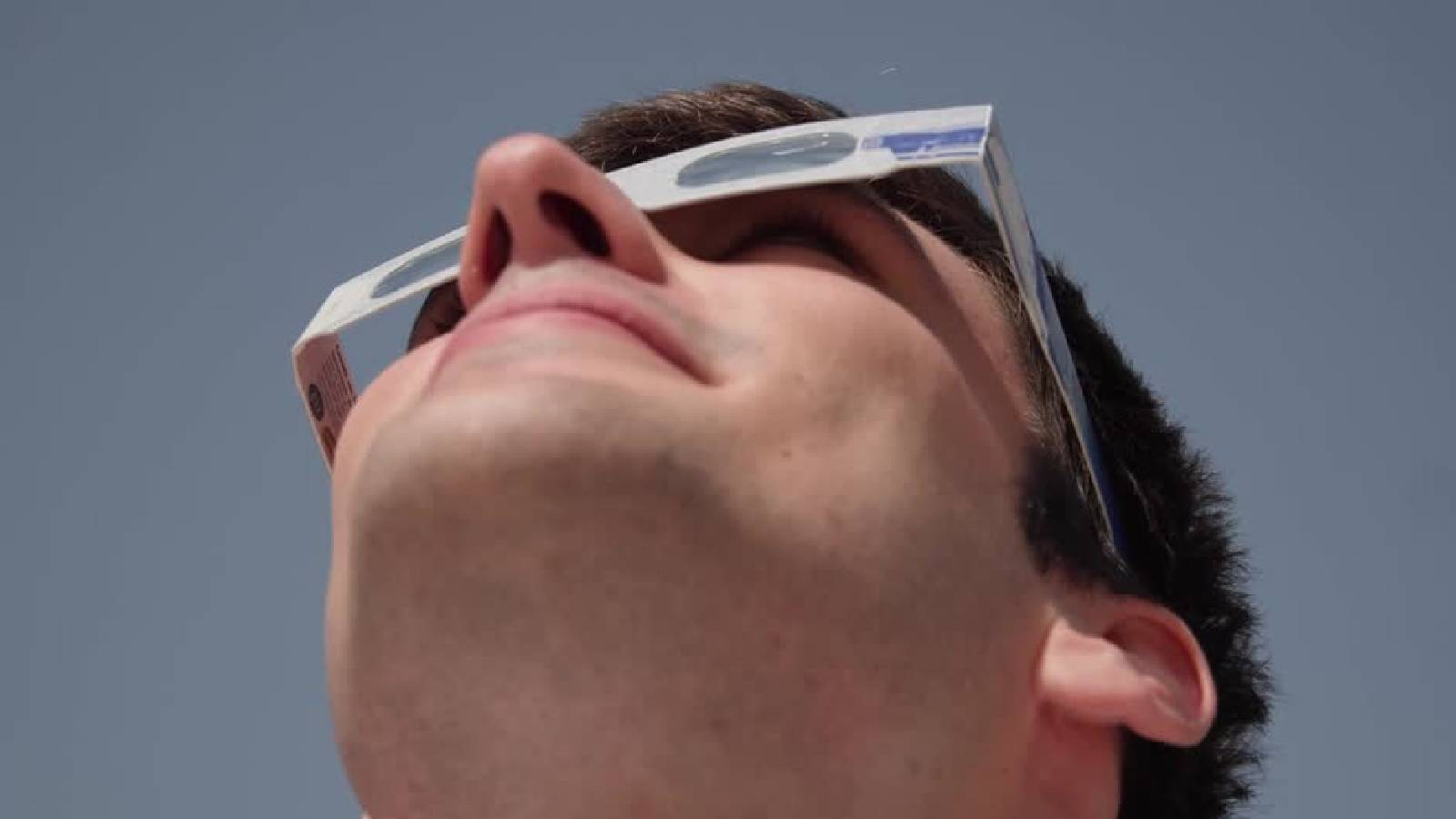
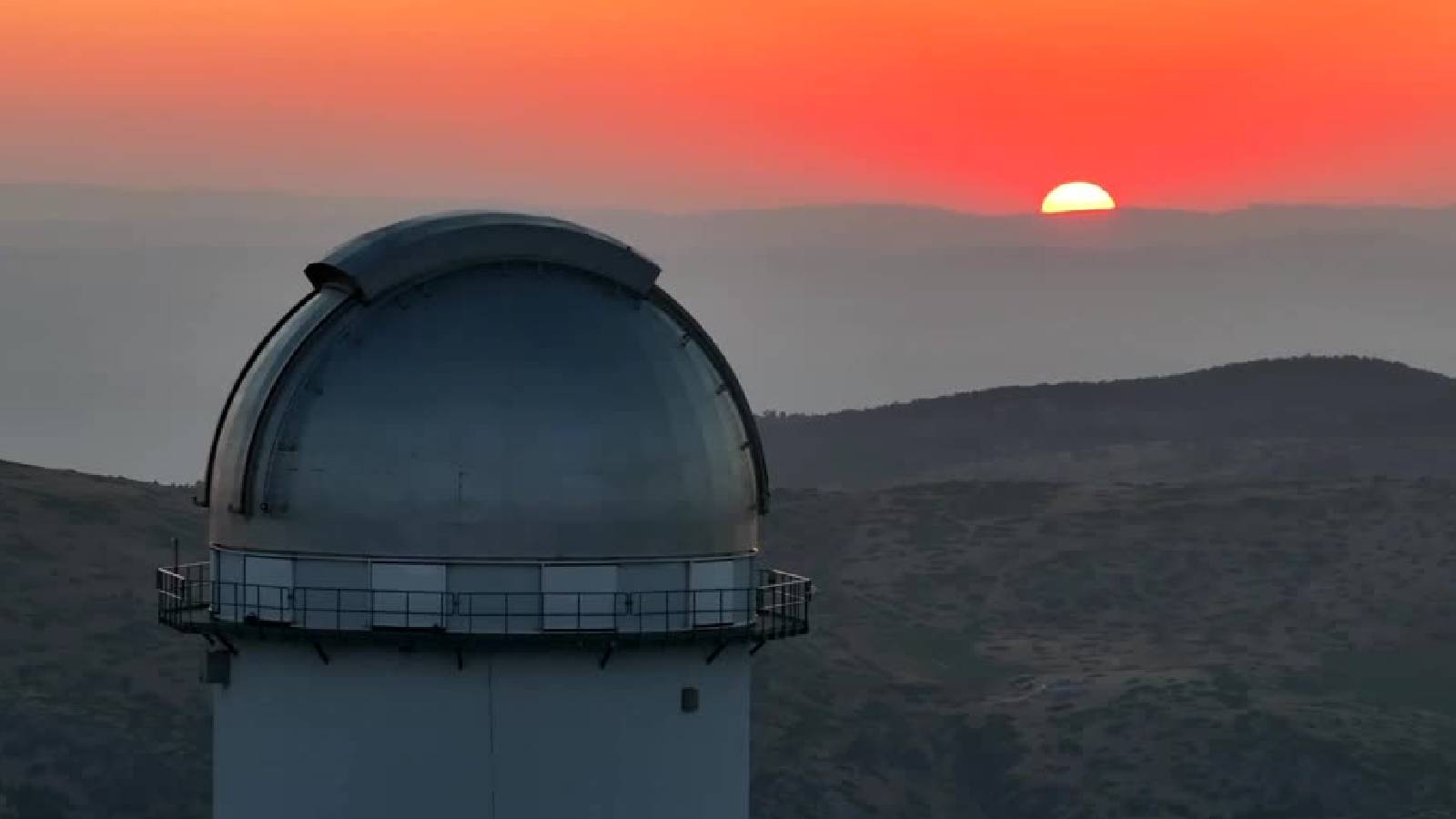
It was all systems go at Spain's Javalambre Astrophysical Observatory on Wednesday morning as eclipse chasers packed their protective gear to observe the rare astronomical event.
Authorities were expecting up to 6 million visitors in mostly rural areas within the eclipse's path across northern Spain and the Balearic Islands. In Spain, the eclipse will be quickly followed by the sunset, making the event particularly alluring.
Humans' fascination with eclipses is well-documented. Historically, the sudden darkening of the sky was often interpreted as an omen, a cosmic struggle or a sign of divine power.
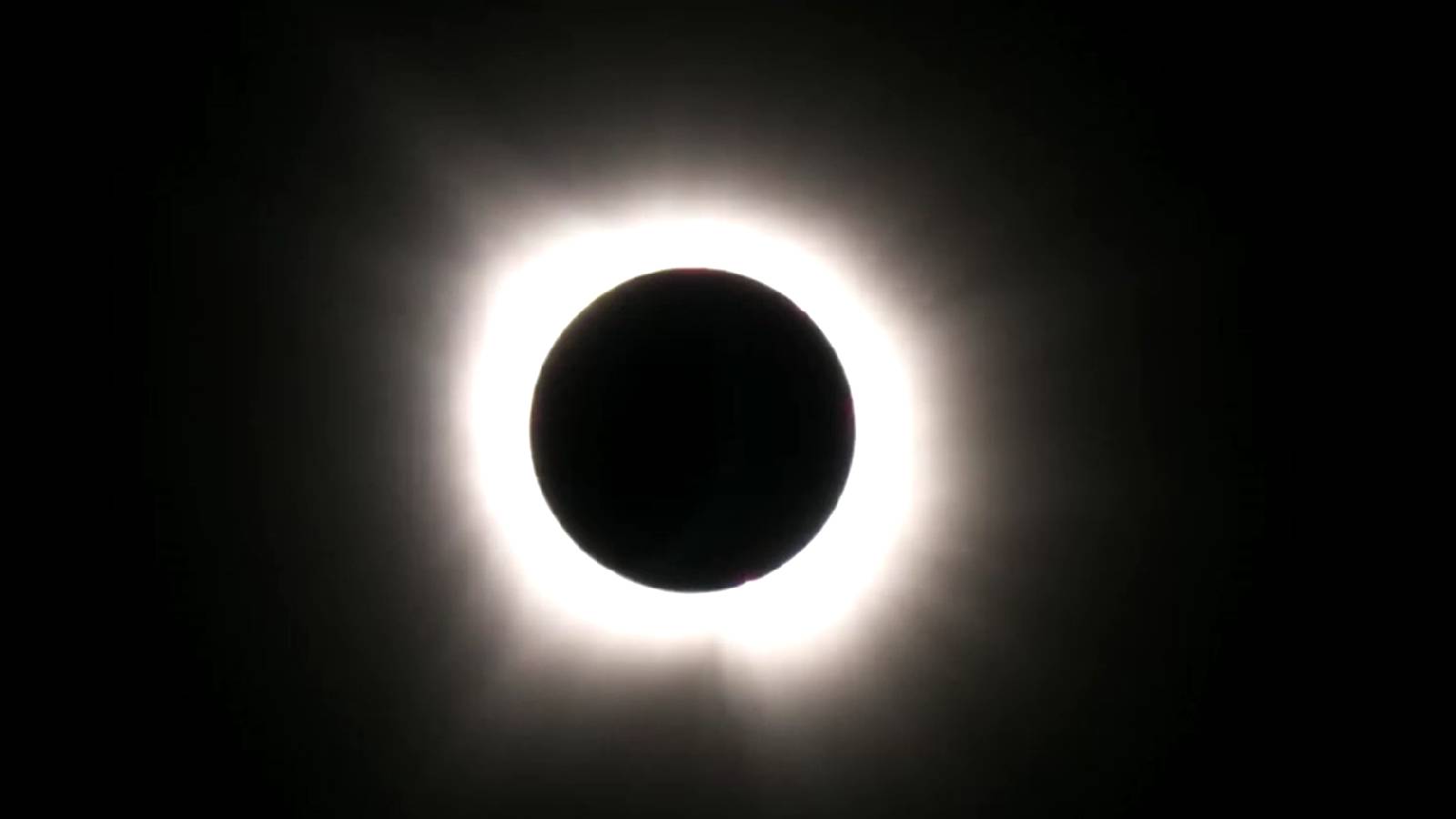
Modern-day skywatchers seek to experience the same uncanny sensation when day briefly turns into twilight and some animals fall quiet as the moon passes directly between the earth and the sun.
Millions of people gathered in Iceland and northern Spain to witness Europe's first total solar eclipse in 27 years, with Spanish officials warning people to avoid areas where a heatwave has raised the risk of wildfires.
Sergio, a 60-year-old Italian, had made the trek in a camping van with his family to Arija to view the eclipse in the relatively cool temperatures of northern Spain.
"I do feel a little emotional. Yes, because I know I won't have another chance in my life to see an eclipse, a phenomenon like this," he said. "I see that there are many people who are as excited as I am, so it's a nice community,” he said, arriving with his campervan.
Astronomy enthusiasts had already started gathering to witness the first of the so-called Iberian Eclipse Trio. The eclipse will be quickly followed by the sunset in Spain, making the event particularly alluring.
Tourists in Reykjavik who have travelled to watch the total solar eclipse that will sweep across western Iceland said on Wednesday that they were optimistic, despite cloudy weather in the morning ahead of the totality.
Skies over Iceland were overcast on Wednesday with the Icelandic Met office predicting clouds and rain for much of the path of the eclipse, adding that the best chances of breaks in the solid cover were expected in the northwest of the country.
Karen Williams, who had travelled from the United Kingdom to watch the eclipse in Iceland was upbeat despite the forecast. “It is what it is. We're here; it's beautiful just to discover Reykjavik and Iceland, so I'm really excited,” she said.
David Knowles and Joshua Angiola, who were visiting from Canada, were planning to attend a festival at which Bjork is expected to perform a DJ set during the totality of the eclipse.“I'm feeling optimistic that the sky will clear just in time, as it should,” said Angiola. “I think it's going to be a magical day either way,” Knowles added.