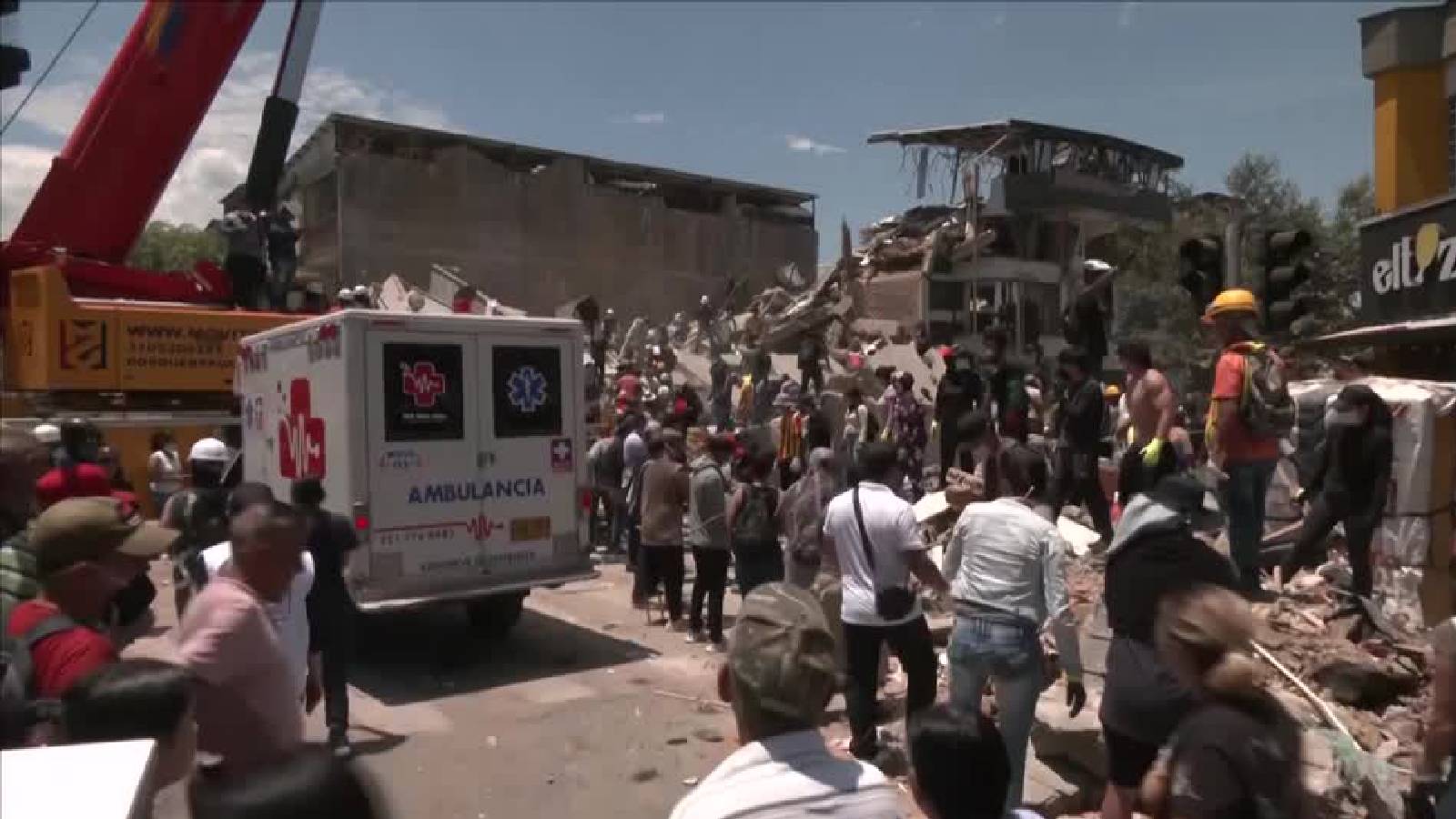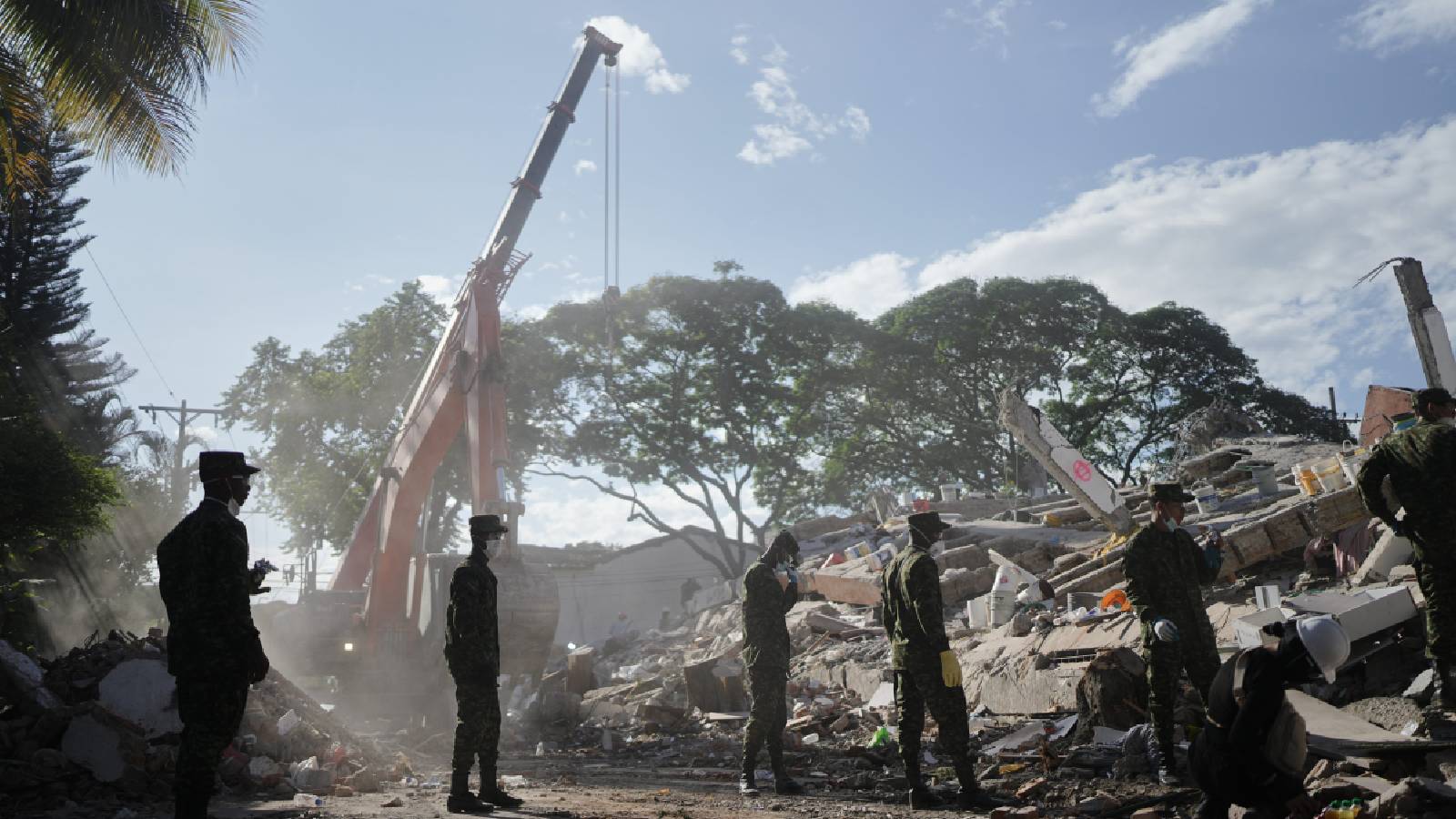


Colombia's President Abelardo De La Espriella said on Thursday that 281 people have died after Monday's massive earthquake and at least 379 remain missing, adding that locating them remains the top priority.
Speaking from Bogota, De La Espriella said 44,936 families have been affected and 3,971 people injured. The new Colombian president insisted that saving lives is the government's priority, while thanking soldiers, police, rescuers and firefighters for their efforts.
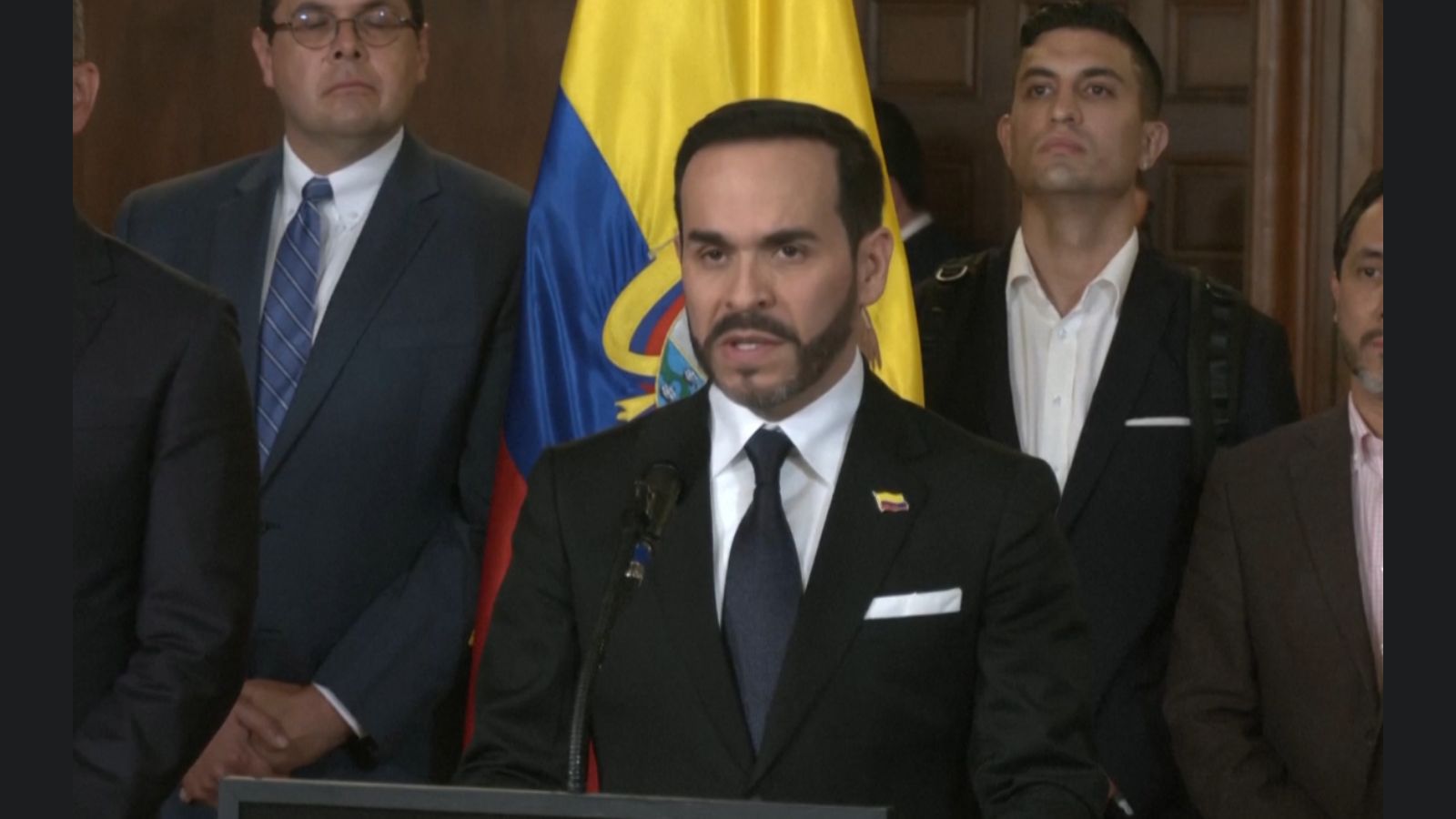
David Tamayo, head of Colombia's National Unit for Disaster Risk Management said they "are reaching a point where the likelihood of finding survivors is running-out."
The 7.4-magnitude quake struck shortly after 7:30 a.m. on Monday, toppling apartment blocks, damaging homes, schools and hospitals, sending residents into the streets across western Colombia, home to the country's coffee farms.
The epicentre was near San Jose del Palmar in the Choco department, at a depth of around 96-99 kilometres. A four-storey building collapsed in Pereira following the quake, with social media footage showing residents fleeing as the structure crumbled. Pereira and Cali were among the worst-hit areas, while Manizales also reported severe damage to buildings.
More than 70 aftershocks have also been recorded, with Colombian authorities warning that further tremors could continue for days, weeks or even months.
Pereira in western Colombia has been hit by severe disruptions of water, electricity and communications since the earthquake hit the country on Monday.
After the earthquake, public services were cut or interrupted in several parts of Pereira. While essential services are gradually being restored after emergency repairs, residents in some of the hardest-hit communities still cannot meet their basic daily needs.
"We are without gas, without water, without electricity. Services have been restored in some areas, but it has been very difficult. Our city has suffered greatly, and it is very painful. It's very difficult," said a local resident.
Authorities said they are actively coordinating efforts to restore government functions and public services as soon as possible.
"We have been working to coordinate all the necessary support to make sure that all departments can function," said an infrastructure official.
(With inputs from Reuters)