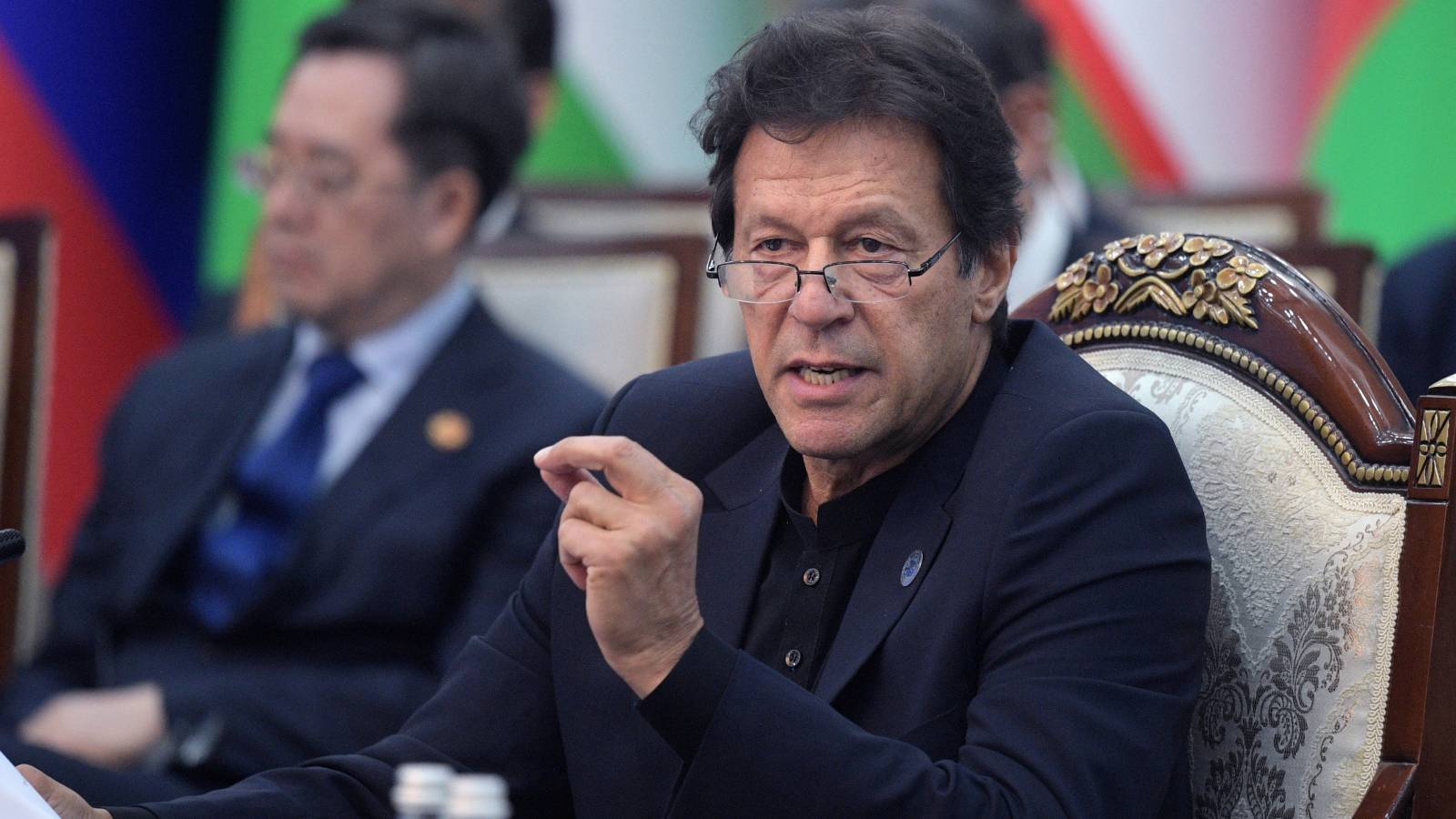


Imran Khan, the cricketer-turned-politician in Pakistan, is back in the headlines after the Supreme Court ordered the government to shift him from jail to a private hospital. The 73-year-old has been housed in Rawalpindi's Adiala Jail since 2023 after being convicted in multiple corruption cases.
Though the Pakistan Supreme Court, on August 18, 2026, ordered the former Prime Minister to be shifted to Shifa International Hospital in Islamabad, the government challenged the order with a review petition. This move to keep Khan, who has multiple health issues, in jail has drawn criticism against the Pakistan government over the violation of Khan's fundamental rights. Why Imran Khan has come under so much scrutiny in his old age remains a matter of debate. Here's a quick recap of his life.
From cricketer to Pakistan PM
Imran Ahmed Khan Niazi was a celebrated cricketer in Pakistan before entering politics, as the team under his captaincy won the World Cup for the first time. In March 1992, Pakistan lifted the World Cup trophy after beating England by 22 runs.
After working as a cricket coach and commentator, he began his political career in the mid-1990s. As a politician, he came into the spotlight after launching a campaign against the Benazir Bhutto government. Khan founded Pakistan Tehreek-e-Insaf (PTI) on April 25, 1996, amid the government's punitive action against him. Though then-Leader of the Opposition Nawaz Sharif invited Khan to join Pakistan Muslim League-Nawaz (PML-N), he declined.
Though he suffered defeat in the 1997 general elections, he remained active in politics through movements related to the 2005 Quran desecration controversy, the 2007 Pakistani presidential election, the 2014 Peshawar school massacre, the 2016 Panama Papers leak, and other issues. He became the opposition leader in the National Assembly after Nawaz Sharif's PML-N won the 2013 polls.
In 2014, he led a protest against the Election Commission of Pakistan and demanded Sharif's resignation over alleged electoral fraud. Violence erupted after Khan, along with Muhammad Tahir-ul-Qadri, a Canadian-Pakistani cleric and founder of Pakistan Awami Tehreek (PAT), and their supporters stormed Prime Minister Sharif's official residence. Three people were killed, and nearly 600, including policemen, were injured in the clashes.
He staged a sit-in for 126 days seeking a probe into the alleged electoral fraud and called it off after the Peshawar school massacre. In a bid to save face, the Nawaz Sharif government established a judicial commission to investigate the allegations.
In the July 2018 Pakistani general elections, Khan became Prime Minister after setting a record as the first politician to win five constituencies in a single election. Though opponents accused him of vote-rigging, the Election Commission gave him a clean chit.
His government promoted an anti-corruption agenda under the slogan of "Naya Pakistan" (New Pakistan). He introduced major infrastructure and social programmes such as free healthcare, efforts to protect minority rights, the Kartarpur Corridor allowing visa-free access for Indian Sikh pilgrims to Gurdwara Darbar Sahib Kartarpur in Pakistan's Punjab, and the 10 Billion Tree Tsunami, a five-year project aimed at increasing the country's green cover.
However, his regime faced criticism over curbs on press freedom, lapses in handling the COVID-19 outbreak, inflation, food security, and corruption. It was under Khan's government that Pakistan's ties with India came under strain following the 2019 Pulwama attack.
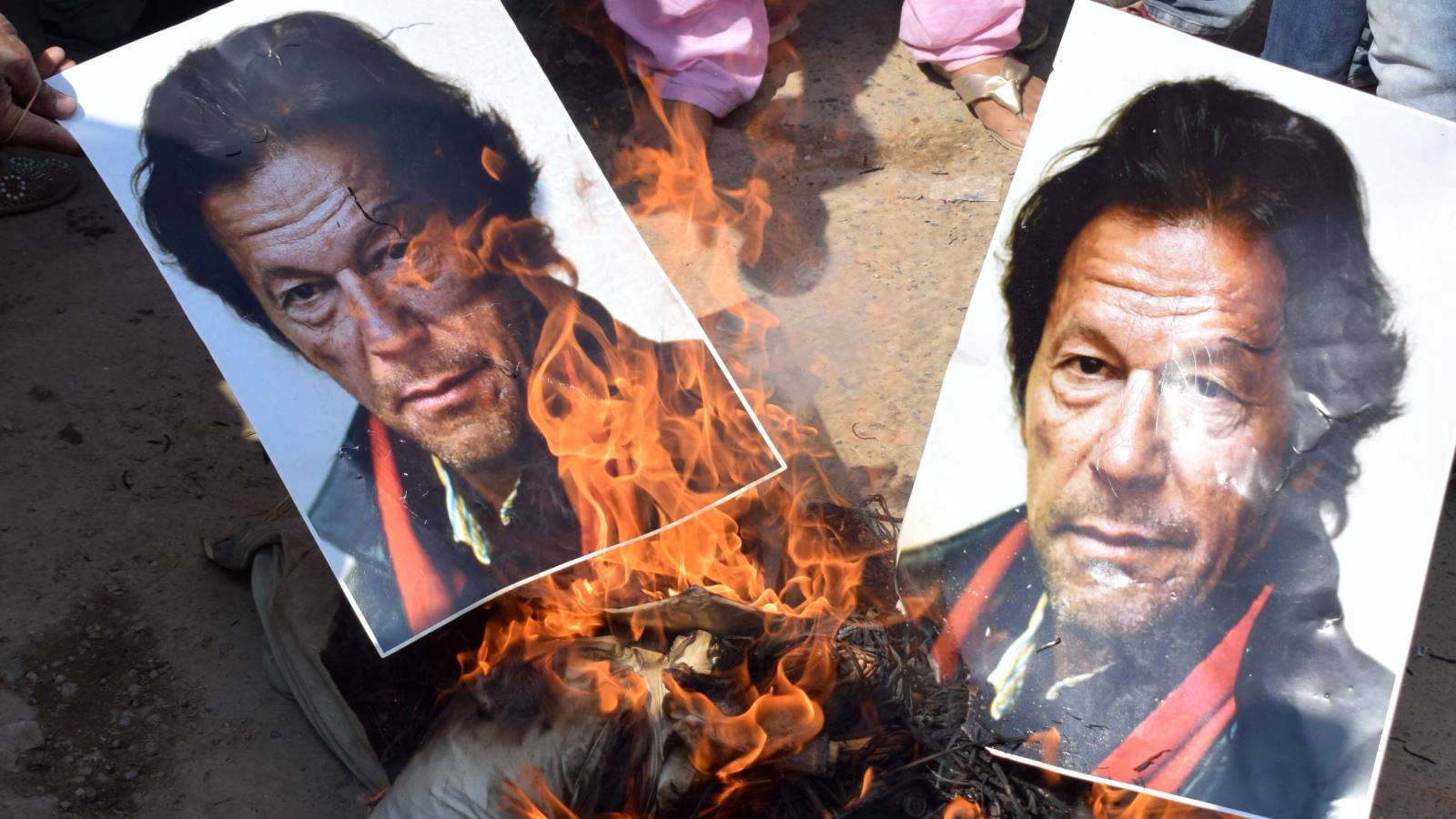
He was overthrown in April 2022 after the opposition moved a no-confidence motion against him. Following his ouster, Shehbaz Sharif was elected Prime Minister.
Khan's life became mired in controversies after losing power. In October 2022, the Election Commission of Pakistan disqualified him as a member of Parliament after finding him guilty of corrupt practices. The action was taken over a complaint filed by a member of PML-N. According to the complaint, Khan had bought gifts given by foreign dignitaries from the state gift repository called Toshakhana but did not disclose those assets in declarations submitted to the commission.
Cases and convictions
Imran Khan is facing multiple charges in more than 100 cases.
1) Al-Qadir Trust case
On May 9, 2023, police arrested him after the Islamabad High Court ordered a probe into the Al-Qadir Trust case. According to the case, Khan and his wife Bushra were accused of receiving a parcel of land as a bribe from a private real estate firm through their Al-Qadir Trust. Investigators alleged that Khan used $232 million repatriated by the UK's National Crime Agency to pay the firm's court fines. On January 17, 2025, he was sentenced to 14 years' imprisonment in the case.
2) Toshakhana case
According to the case, Khan was accused of selling foreign gifts worth more than 140 million Pakistani rupees that belonged to the state treasury, known as Toshakhana, and were received during his 2018-2022 premiership.
He was arrested on August 5, 2023, and sentenced to three years' imprisonment in the case. However, an appeals court suspended the conviction and granted him bail.
Later, he was sentenced to 17 years in jail and fined ₹16.4 million in a second case related to the foreign gifts. The court convicted him after finding that a Bulgari jewellery set gifted by Saudi Crown Prince Mohammed bin Salman, valued at about 80 million Pakistani rupees, had been acquired by Khan for ₹2.9 million.
3) State secrets case
On January 30, 2024, he was convicted and sentenced to 10 years for making public a classified diplomatic cable sent to Islamabad by Pakistan's ambassador in Washington in 2022.
The case was registered after US outlet The Intercept published a copy of the cable, prompting the then Pakistan government under Shehbaz Sharif to accuse Khan of leaking it. Khan claimed that the cable proved a US conspiracy to oust him from power.
4) Unlawful marriage
Imran Khan and his wife Bushra Bibi were sentenced to seven years in jail and fined ₹500,000 each in a criminal case over the alleged violation of Islamic injunctions in their 2018 marriage on February 3, 2024. However, a Pakistan court acquitted the duo on July 13.
5) 2023 riot case
Pakistan police booked him for attempted murder over a police officer's death during the riots that erupted on May 9, 2023. He also faces terrorism charges in the case.
The government claimed that Khan's supporters attacked state buildings, damaged vehicles, and ransacked military installations across the country during the unrest. The trial in the case is still pending.
Imran Khan has been housed in Adiala Jail in Rawalpindi since his arrest in 2023 in connection with the Al-Qadir Trust case. Khan has alleged that his imprisonment is politically motivated and accused the Pakistan Armed Forces and the Shehbaz Sharif government of plotting against him.
Health issues and SC order
The Pakistan government has been facing criticism over Khan's solitary confinement and alleged negligence towards his health issues. According to his lawyer, Khan has only 15% vision left in his right eye after prison authorities allegedly failed to take action.
On August 18, the Supreme Court ordered the government to shift Khan to Shifa International Hospital in Islamabad within the next few days and allow him to remain there until the next hearing on September 16. Challenging the order, the government filed a review petition, calling it "discriminatory" because it applied only to Khan and not to prisoners in general. However, the court returned the plea.
Also Read:
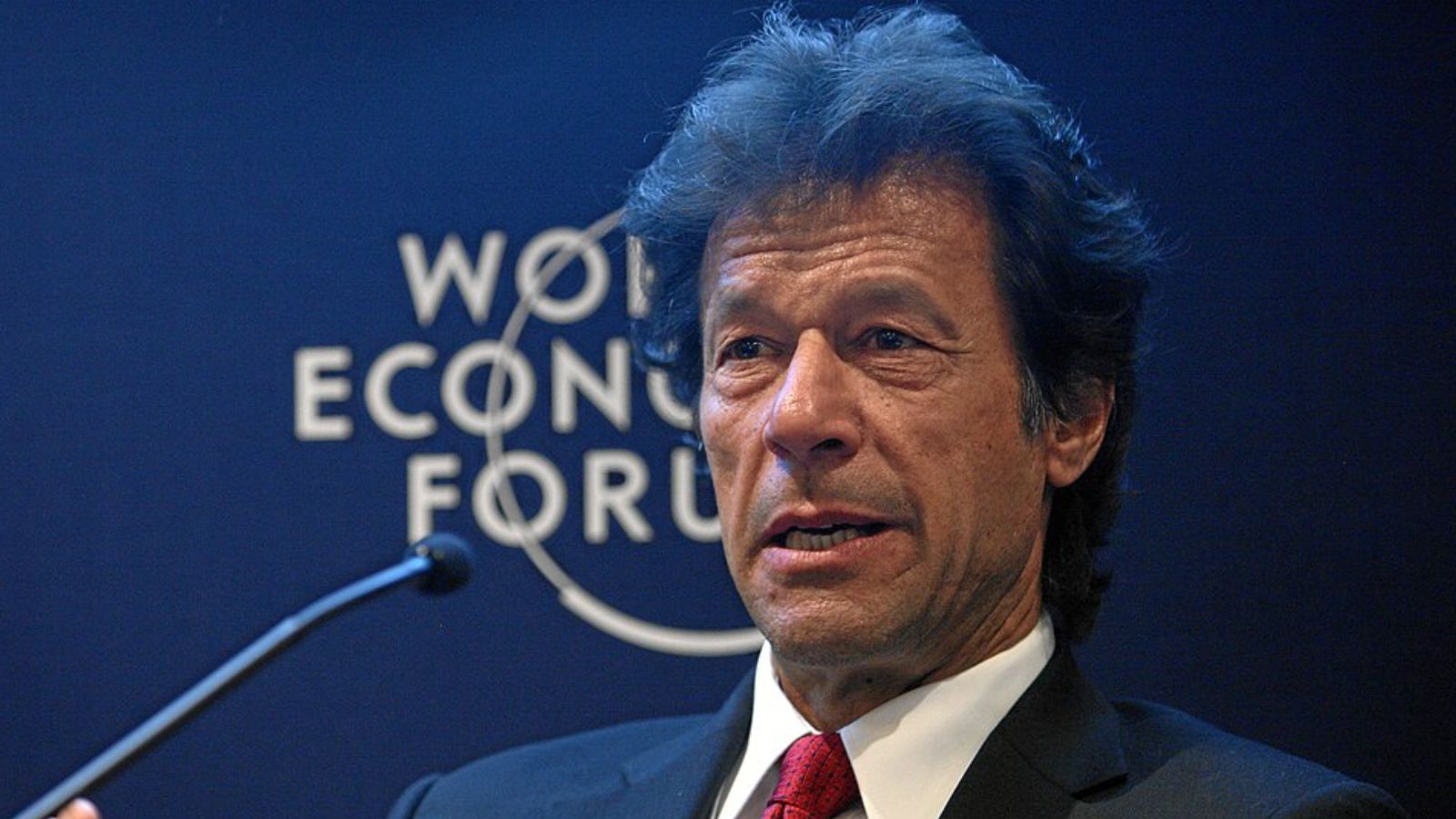
In a surprising move, jail authorities took Khan to the state-run Pakistan Institute of Medical Sciences (PIMS) in Islamabad on the night of August 20 and shifted him back to jail the following morning. The former Prime Minister's sister later filed a petition in the Supreme Court, accusing the government of violating the top court's order.
Apart from Khan's image as a corrupt politician, his fundamental right to medical care should be guaranteed without fail. The Pakistan government's urgency to keep him behind bars has been seen by his supporters and critics alike as reflecting concerns over Khan's popularity and its potential to destabilise the government.