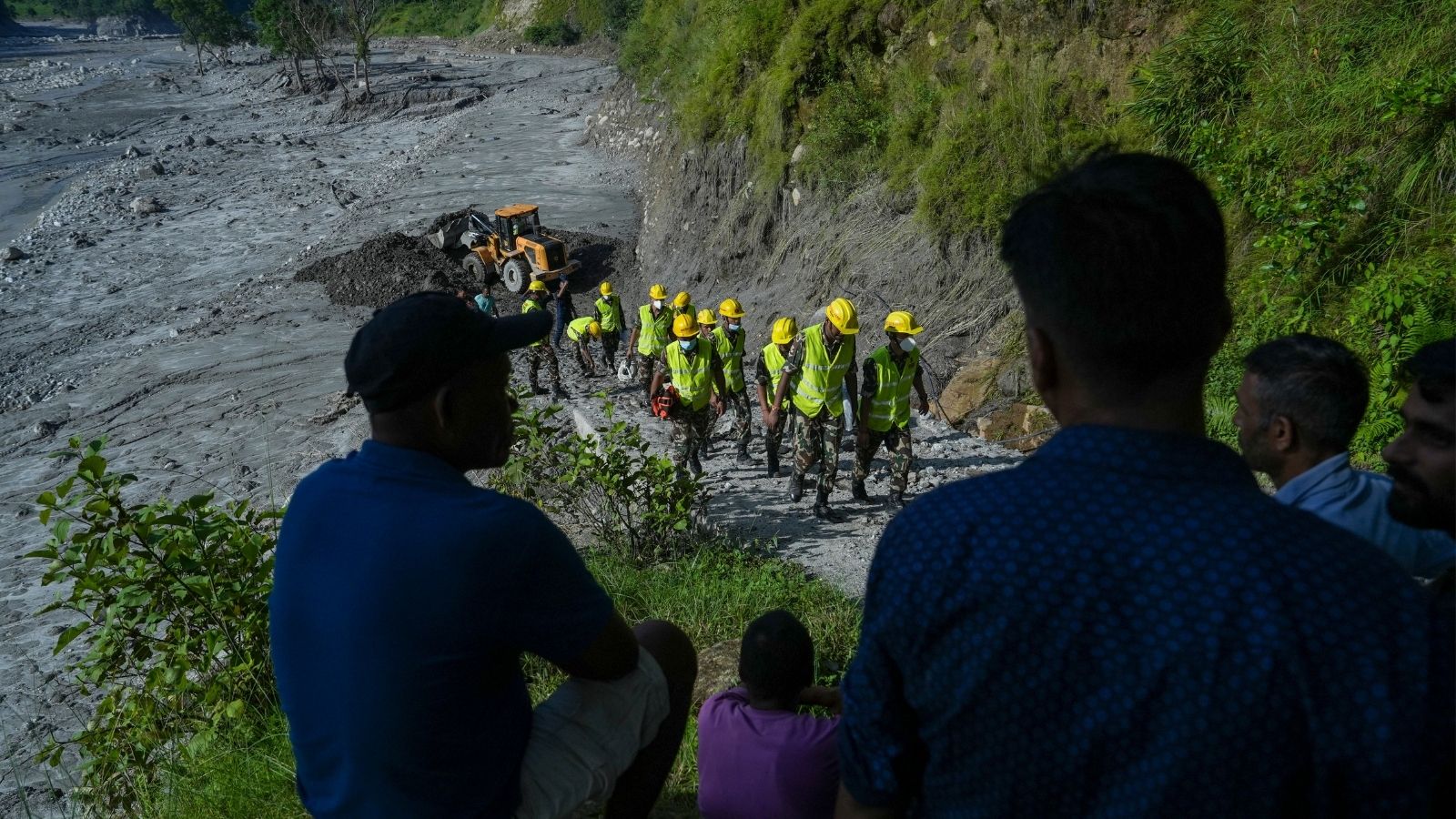


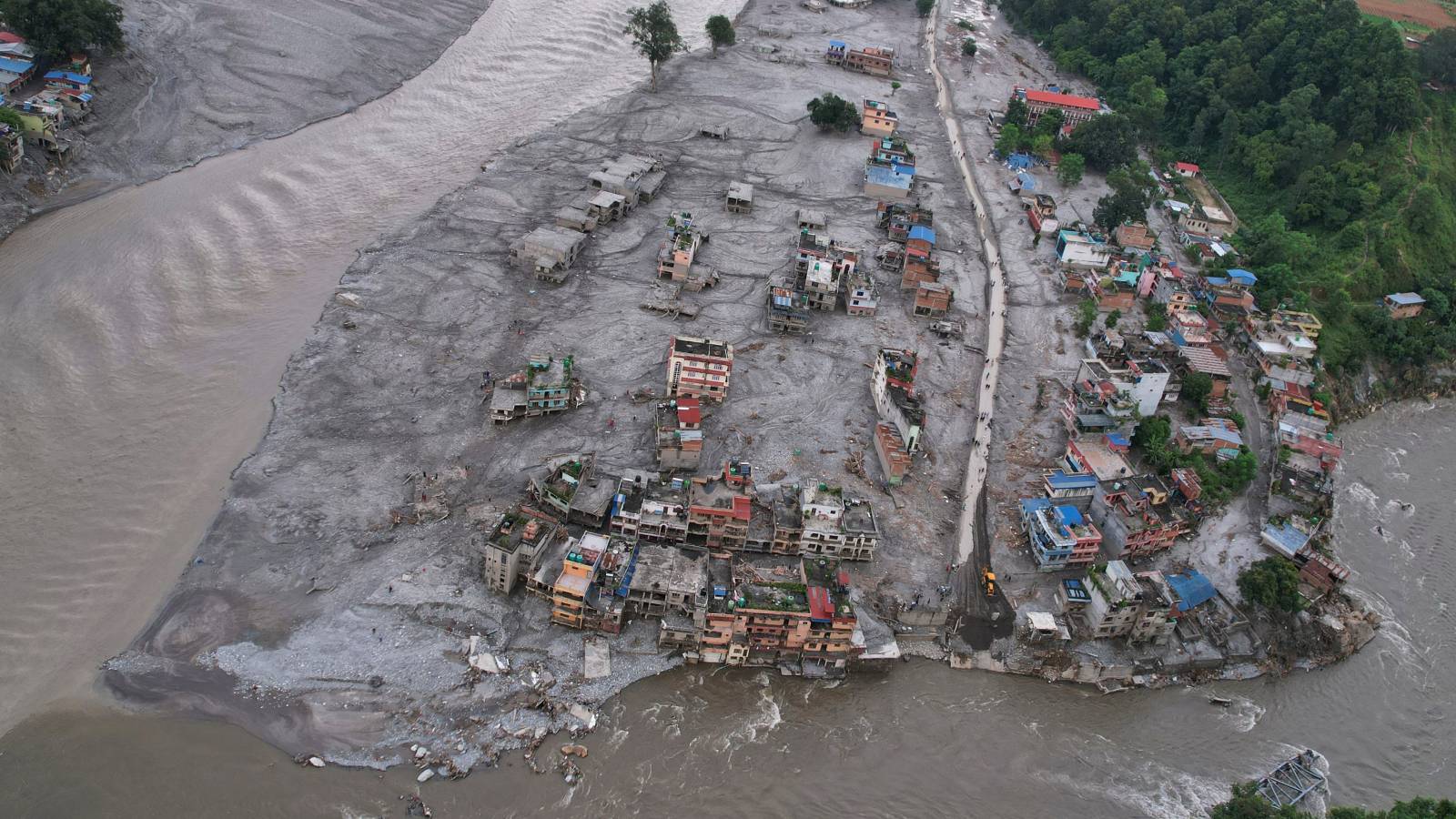
The death toll in the devastating flash floods in Nepal rose to 788 on Sunday as rescuers continued recovering bodies from eight affected districts. More than 2,500 people remain missing, according to updated official figures.
The highest number of deaths has been reported from Chitwan, followed by Nawalparasi East and Nawalparasi West. Officials have also warned that many recovered bodies remain unidentified, prompting authorities to begin mass burials after collecting DNA samples for possible identification later.
The disaster has severely affected Nepal's hydropower infrastructure, with 537 workers and employees still unaccounted for at nine projects in Rasuwa and Nuwakot.
At the Upper Trishuli-1 Hydropower Project, around 300 people are feared trapped inside a tunnel. The Nepali Army has also located the upper section of a tunnel at the Upper Trishuli 3A project, where workers are believed to be trapped. Rescue teams are using drilling equipment, excavators and other machinery to reach the affected areas.
India expands rescue and relief efforts
India has stepped up its assistance, with a fourth relief flight reaching Kathmandu carrying 11 tonnes of essential supplies, specialised tunnel-rescue personnel and forensic experts.
A 10-member team from the National Forensic Sciences University, Gujarat has begun working with Nepali authorities to analyse DNA samples and help identify victims.
At least 149 Indian nationals have been rescued, while several states continue efforts to trace residents still reported missing. Groups of stranded Indians from Maharashtra, Keralam, Karnataka and other states have also returned home.
Nepal's Foreign Minister Shisir Khanal on Sunday expressed deep gratitude to India for its continued support to the country's rescue and relief operations.
Also Read:
Fresh flood risk remains
Authorities remain on alert as water levels in the Bhotekoshi River rose again on Sunday. Nepal's disaster management authority warned rescue and relief personnel to exercise extreme caution.
High flash-flood risks were also reported in Rasuwa and Nuwakot, raising concerns for communities and rescue teams already dealing with the aftermath of the disaster.
International assistance has also expanded. The World Health Organisation released $150,000 in emergency funding for Nepal's response, while the United States announced more than $3.6 million in humanitarian assistance.
UN Climate Chief Simon Stiell said the disaster highlighted the vulnerability of the Hindu Kush Himalayas to climate change, noting that scientists and communities have repeatedly warned about the region's growing risks.
With hundreds still missing, damaged infrastructure hampering access and fresh warnings issued for several rivers and districts, search and rescue operations are expected to remain the main focus in Nepal on Monday.