

Two Renoir paintings are still missing after thieves broke into a museum on the French Riviera, stole four works and abandoned two as they fled.
The operation at the Renoir Museum in Cagnes-sur-Mer was carried out in the early hours of Tuesday. The thieves cut through a fence, entered through a window and targeted the museum's most valuable works. Police arrived about five minutes after the alarm was triggered, forcing the burglars to leave some of their haul behind.
The missing works, Portrait of Madame Colonna Romano and Young Woman at the Well, are estimated to be worth about €9 million. Their recognisability and documented provenance could make them difficult to sell through the legitimate art market.
That raises a larger question. If famous artworks can be so difficult to sell, why do criminals continue to target museums?
Museum heists are taking a new turn
The Renoir theft comes at a time when European authorities are warning that museum heists themselves are changing.
A report published by Europol in August found that museum thefts, traditionally viewed as a form of non-violent organised property crime, are increasingly involving more direct and confrontational methods. Criminals are also showing greater interest in particular categories of high-value cultural objects.
Recent cases illustrate the shift.
In October 2025, thieves carried out a daytime raid at the Louvre in Paris, using an extendable ladder to reach an upper window before smashing display cases and taking jewellery belonging to French royal and imperial figures, including Queen Marie-Amélie, Queen Hortense, Marie-Louise and Empress Eugénie. Eight jewels worth an estimated €88 million were stolen, while Empress Eugénie's crown was later recovered after apparently being dropped during the escape.
The Renoir robbery was different in both scale and target. But the speed of the operation and the way the thieves entered the museum underline a common vulnerability: even museums holding irreplaceable cultural objects can become targets for organised criminals.
Why steal something that is so hard to sell?
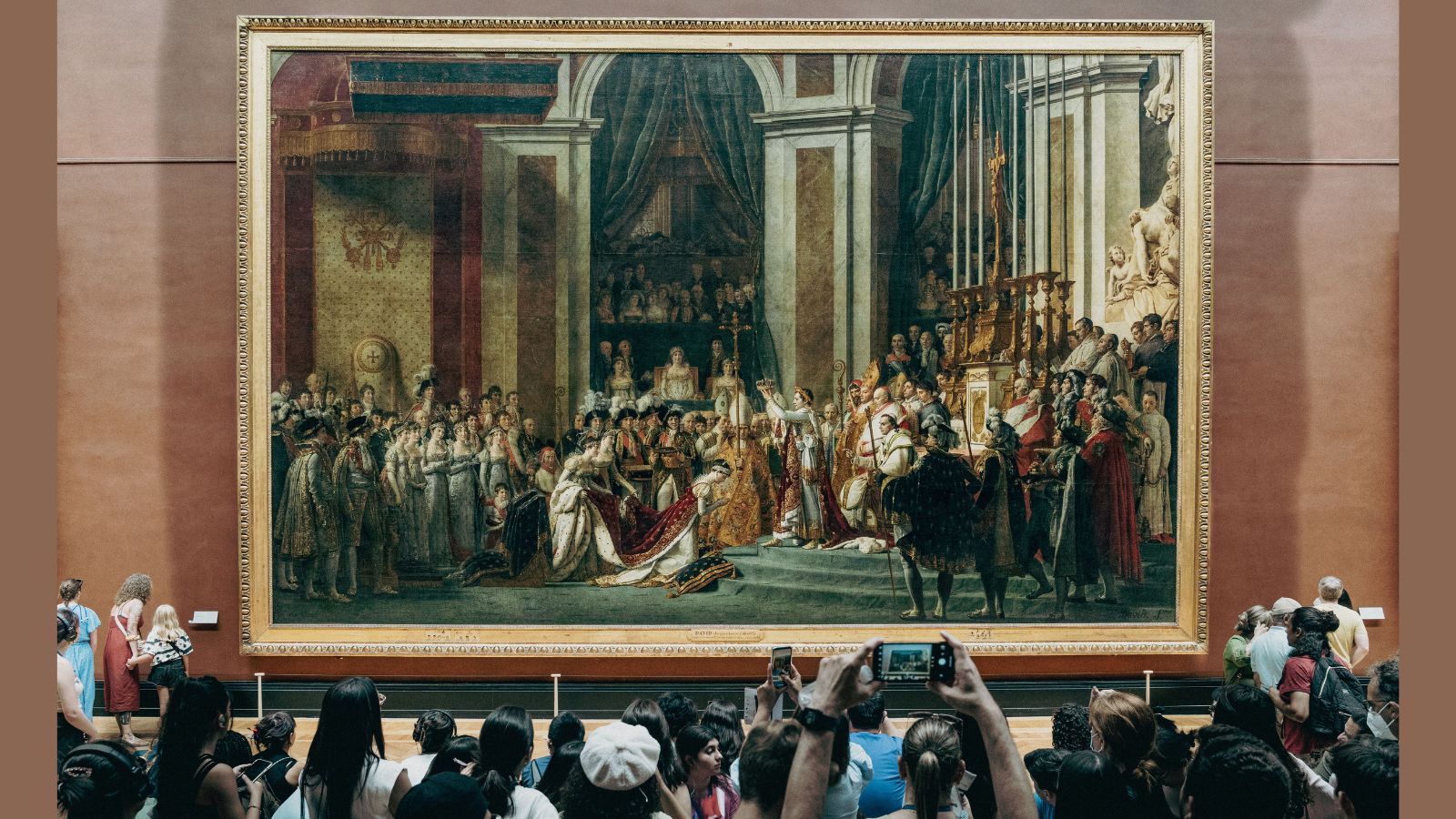
Unlike gold, gemstones or other objects that can be melted down, dismantled or altered, a famous painting carries its identity with it.
A Renoir cannot simply be taken to an established auction house without raising questions about its provenance. Its disappearance can be reported internationally, photographs can be circulated to dealers and collectors, and the work can be entered into databases used to identify stolen cultural property.
INTERPOL's Stolen Works of Art Database contains descriptions and images of almost 57,000 stolen and missing cultural objects. The organisation says its database is a key tool in tackling the trafficking of cultural property.
INTERPOL also operates ID-Art, a mobile application that allows users to search its database manually or visually using image-recognition technology.
That means the most famous stolen works can become some of the hardest to move through the legitimate art market.
But that does not necessarily make them worthless to criminals.
Stolen cultural objects can become part of wider trafficking networks, move across borders or remain hidden for years.
The long shadow of famous heists
Art theft is hardly a new phenomenon.
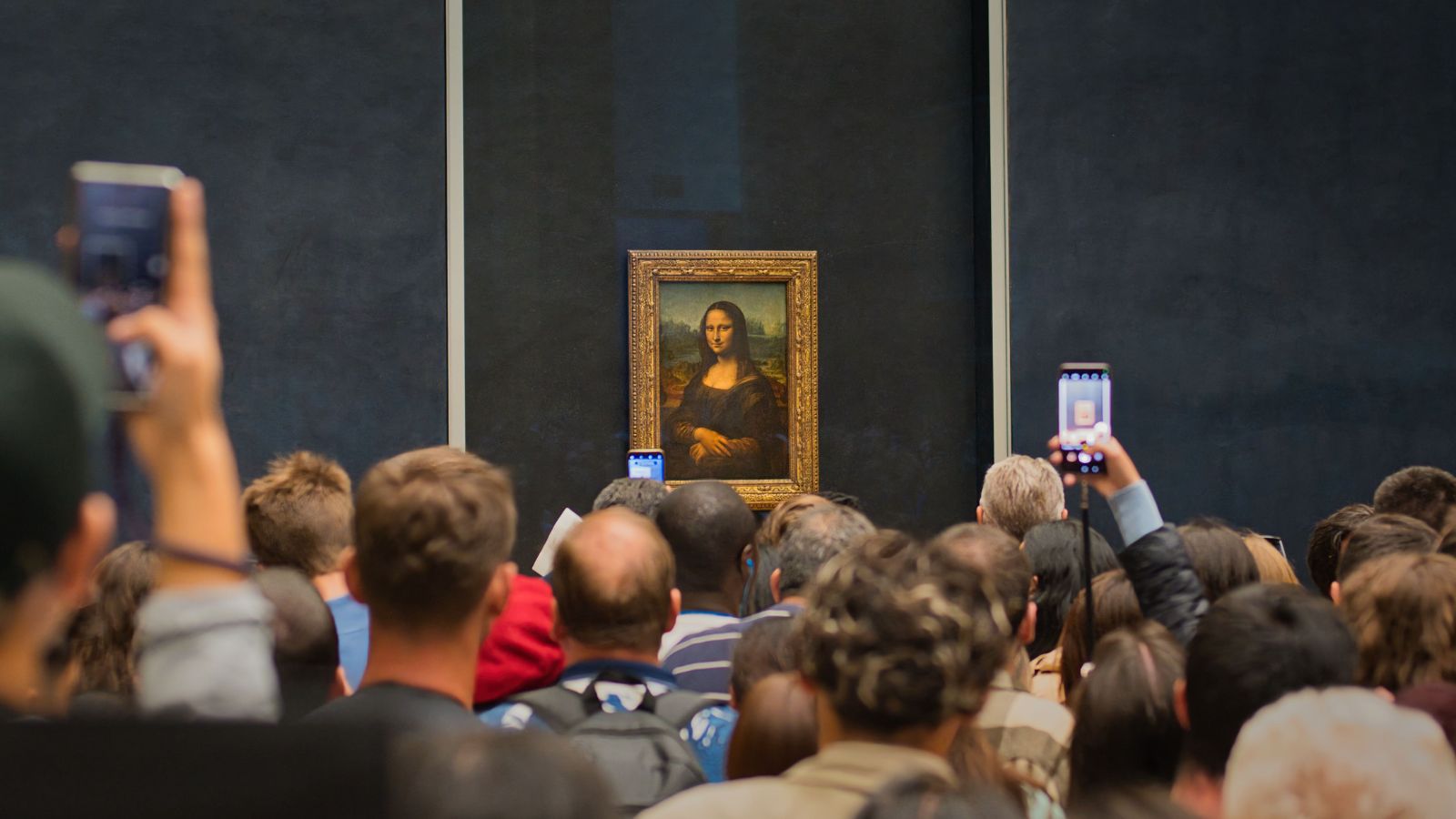
In 1911, the theft of Leonardo da Vinci's Mona Lisa from the Louvre became one of the most famous museum crimes in history. The painting was recovered two years later, but the publicity surrounding the theft helped turn it into an even more famous cultural object.
The 1990 Isabella Stewart Gardner Museum heist in Boston shows the other side of the story.
Thirteen works, including paintings by Rembrandt, Vermeer, Degas and Manet, were stolen by two men posing as police officers. More than 36 years later, the works remain missing and the museum's empty frames still hang where the paintings once were.
Other recent cases have demonstrated the range of objects criminals can target. Berlin's Bode Museum lost a 100-kilogram solid gold Canadian coin in 2017, while thieves broke into Dresden's Green Vault two years later and stole diamond-studded royal jewellery. Some of the jewellery was eventually recovered, while the gold coin was believed to have been destroyed after investigators concluded it had likely been cut up and melted down.
The differences between these cases matter. Not every museum theft is driven by the same motive, targets the same objects or follows the same method. That is precisely why Europol's warning about changing tactics is significant.
Protecting art is now an international problem
The challenge also extends beyond museum walls.
A stolen painting can cross several borders long before investigators determine where it has gone. That makes cooperation between police, customs authorities, museums, art dealers and international organisations essential.
INTERPOL recommends detailed inventories and photographs of collections, rapid reporting of thefts and the use of specialised law-enforcement units. Its cultural-property work also involves cooperation with organisations including UNESCO, Europol, the International Council of Museums and UNIDROIT.
The technology used to track stolen objects is evolving as well. INTERPOL's database allows authorised users to search descriptions and photographs of stolen works, while its ID-Art application uses image-recognition technology to help identify objects.
For museums, however, technology is only part of the problem. The Renoir theft has once again raised questions about funding and security, particularly for smaller institutions that may not have the resources of major museums.
The paintings missing from Cagnes-sur-Mer may eventually be recovered. Their recognisability could make them difficult to sell and easier to identify if they surface.
But the broader lesson from recent heists is harder to resolve.
Museum theft is no longer simply a story about a thief getting inside a building and taking a valuable object. It is part of an international illicit market in which museums, police and cultural organisations are continually trying to stay ahead of changing tactics.
The Renoir robbery is the latest reminder that protecting art means protecting not only individual paintings, but the systems that keep cultural heritage identifiable, traceable and difficult to trade illegally.