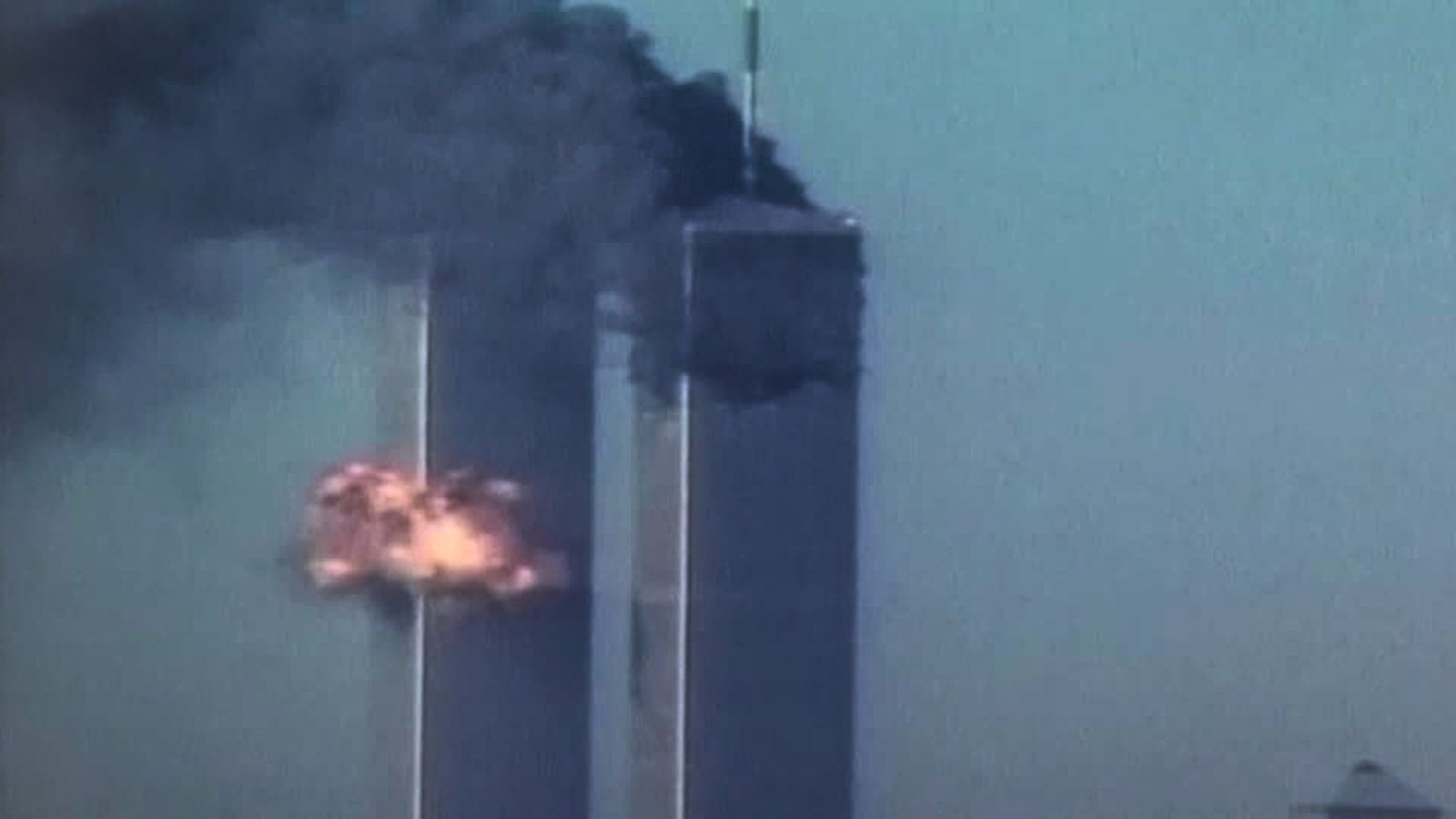


Manhattan was thriving like any other day on September 11, 2001. In a blink of an eye, everything changed! Two hijacked planes eventually crashed into the two iconic towers of the World Trade Centre in New York City. While the horror of those attacks shook the country, a third plane crashed into the Pentagon, the headquarters of the United States Department of Defence. Finally, a fourth plane crashed in Pennsylvania, where passengers revolted.
September 11 attacks, widely known as the 9/11 attacks, were a series of attacks executed by the Islamic terrorist group al-Qaeda against the United States of America on September 11, 2001, killing around 3,000 people, excluding the terrorists. This year marks the 25th anniversary of an event that shook America.
A total of 19 terrorists hijacked four airliners. September 11 became a chapter in the history of America which eventually reshaped its politics and American life.
Osama bin Laden founded al-Qaeda to promote armed jihad against enemies. He considered the USA a major threat to their ideology, and 9/11 was the culmination of that vengeance. But the blitz didn’t begin with 9/11. In 1998, al-Qaeda bombed the US embassies in Kenya and Tanzania, killing more than 400 people and injuring many. The date August 7 was picked on purpose, marking exactly eight years since US troops were positioned in Saudi Arabia during the Gulf War in 1990.
Later, in October 2000, al-Qaeda conducted a suicide attack on the US Navy guided-missile destroyer USS Cole. Cole was being refuelled in Yemen, where this occurred, and the attack killed 17 sailors. Then came the 9/11 ambush.
As an aftermath of it all, the US deployed multiple intelligence agencies, including the CIA, to track down bin Laden, the mastermind behind all these attacks. On 2 May 2011, the Obama administration approved Operation Neptune Spear and announced that it had killed Osama bin Laden, who was hiding and spearheading other operations across the world.
Zero tolerance for terrorism
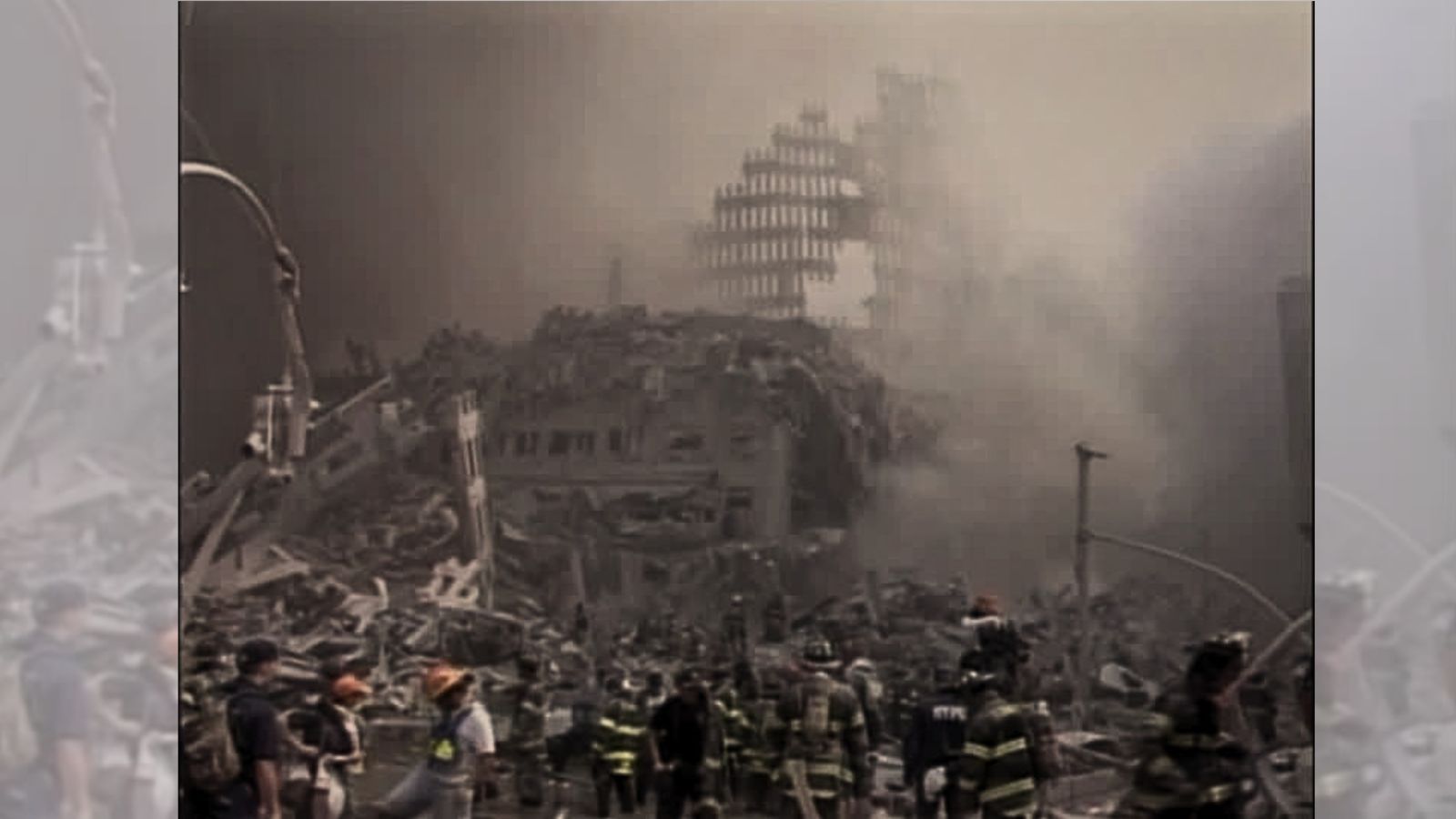
The 9/11 attacks spearheaded major changes in countries all over the world in terrorism and security approaches in general. Let’s look at some of the crucial changes that were reflected throughout the United States and the rest of the world.
- USA PATRIOT Act, 2001: The official goal of this act is "Uniting and Strengthening America by Providing Appropriate Tools Required to Intercept and Obstruct Terrorism." It was passed soon after the 9/11 attacks, which encompassed anti-terrorism laws and rigid security protocols that impact civil liberties, surveillance and travel.
- Authorisation for Use of Military Force (AUMF), 2001: A joint declaration signed by the United States Congress that entrusted the president with the power to use military operations against people, groups, or countries that help or are associated with terrorist acts.
- International Counterterrorism Legislation: Resolution 1373 was passed in 2001. More than 140 countries restructured anti-terrorist laws following the 9/11 attacks. This brought in a clear definition of terrorism, terrorist fund-freezing protocols, criminalising financial support, and widened police powers.
- Homeland Security Act of 2002: It was signed by then-US President George W. Bush. It unified the 22 different agencies and entities under one umbrella organisation.
- International Counterterrorism Law: A collective strategy stressing human rights, global treaties, and humanitarian laws to help prevent and punish terrorist activities. Specialists and establishments like the OHCHR Special Rapporteur on Counter-Terrorism and Human Rights keep watch over laws to ensure states do not misuse counterterrorism powers to restrict fair trials.
Other than the policies, there are a few major security checks implemented:
- Transportation Security Administration (TSA): Established in the US to monitor airport and transit security. This leads to stricter bag screening, compulsory identity checks and tight gate access provided only to ticketed passengers.
- Intensified Border Controls: Execution of biometric data collection and advanced passenger information systems globally.
- Terrorist Surveillance Lists: Centralised cross-agency databases of known or suspected threat actors established.
(Compiled by Shyama Sarangadharan)