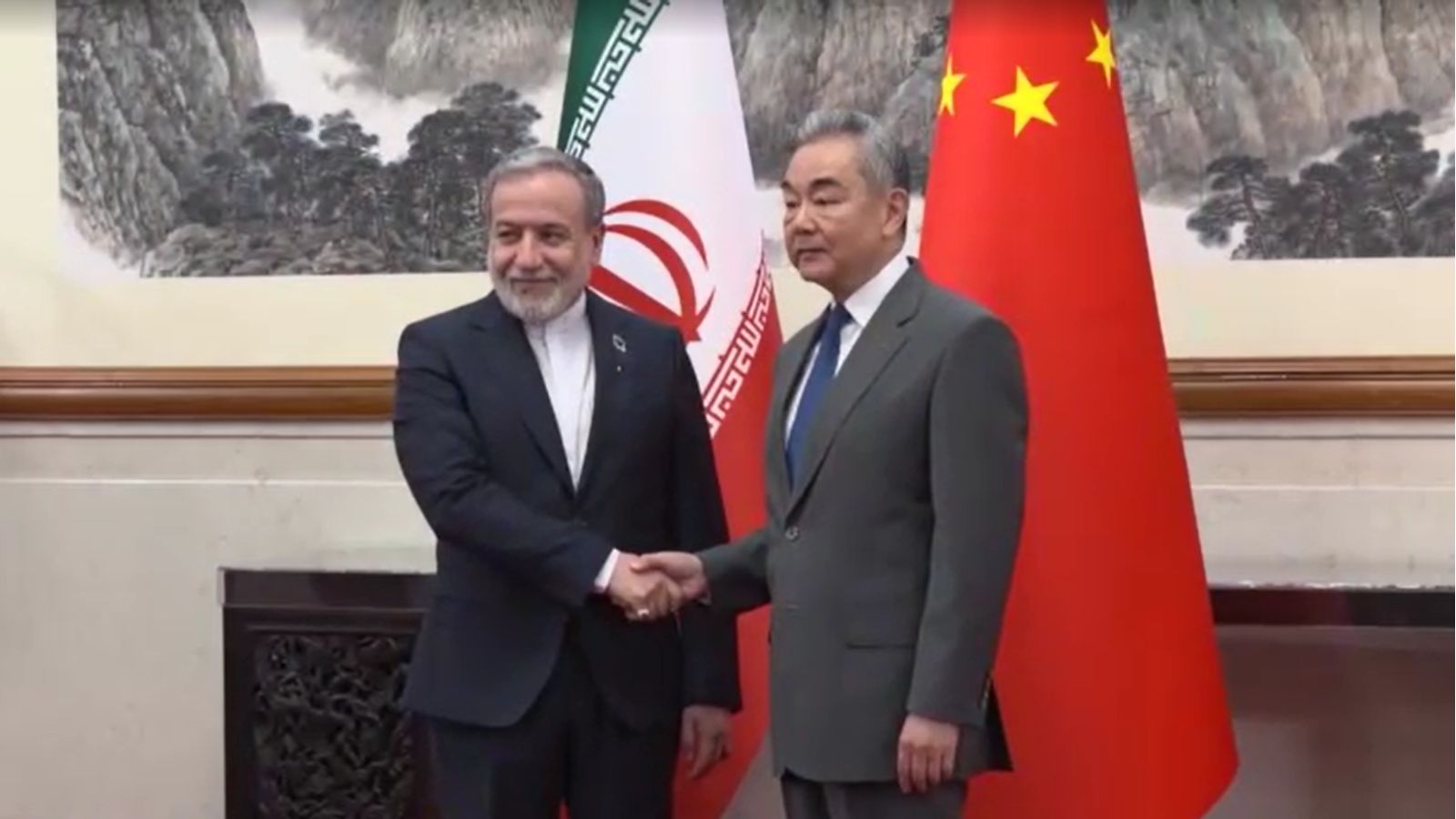


Beijing: Iranian Foreign Minister Abbas Araghchi on Wednesday said Tehran is not interested in continuing the conflict with the US and looks forward to returning to a diplomatic solution, as he held talks with his Chinese counterpart Wang Yi and briefed him on the latest developments in West Asia.
His visit to Beijing comes in the midst of an escalation of hostilities in West Asia following the military advances made by Yemen's Houthis, formally known as Ansar Allah. The Iran-aligned Yemeni political and armed movement has stepped up attacks on Saudi Arabia and threatened shipping around the strategic Bab el-Mandeb Strait in the Red Sea.
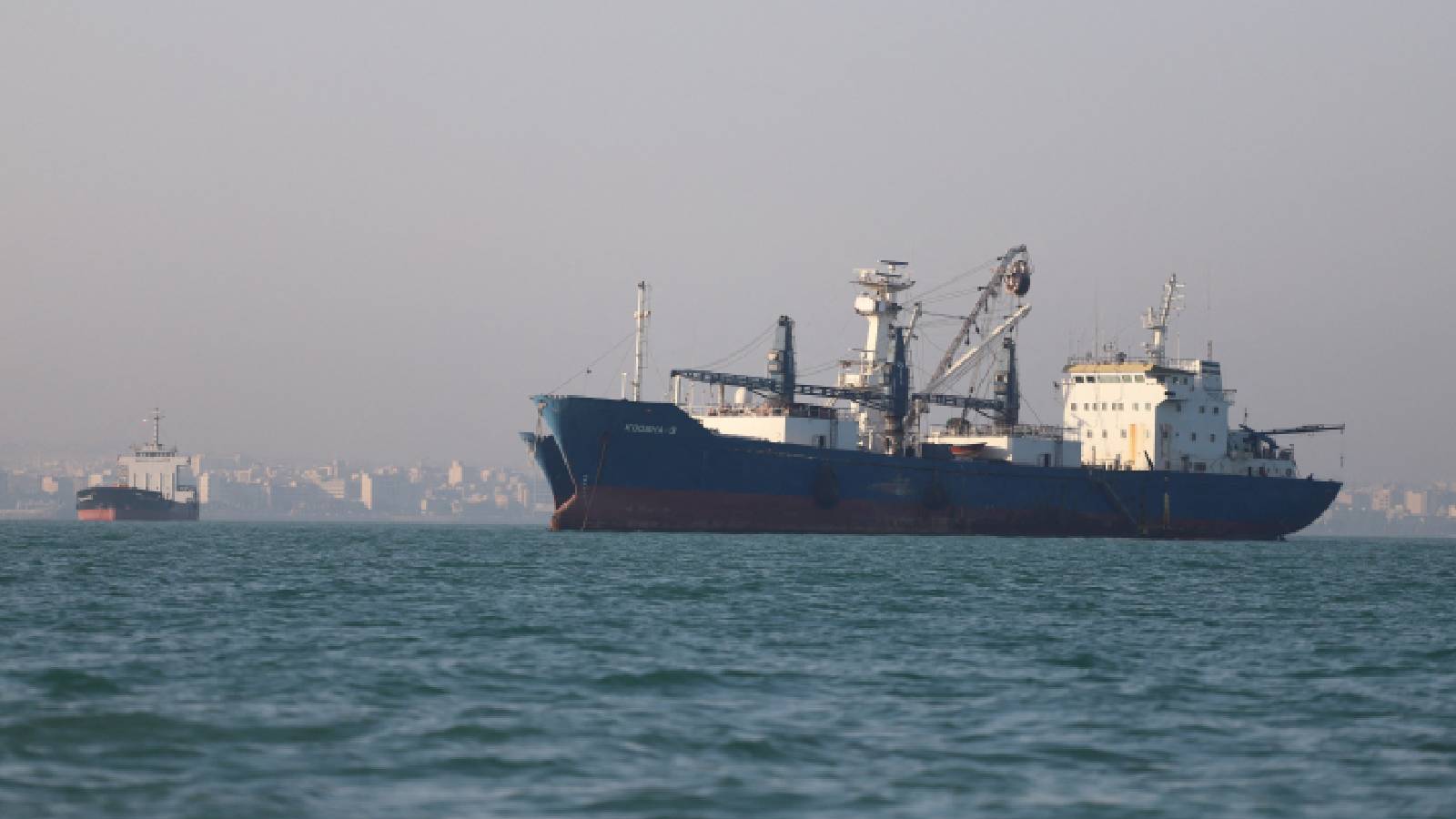
The Iran-US war has already restricted the movement of ships and oil tankers in the Strait of Hormuz, causing a widespread energy crisis.
Araghchi’s visit also comes days after his interactions with Wang and Russian Foreign Minister Sergei Lavrov on the sidelines of the BRICS summit in New Delhi held from September 12-13. Araghchi accompanied Iranian President Masoud Pezeshkian to the summit.
This is Araghchi’s fifth visit to China since 2024, reflecting the close ties between Tehran and Beijing.
During the meeting, Wang said both Iran and the US should return to the Islamabad Memorandum of Understanding (MoU) to end the conflict.
He said the continued prolongation of the US-Iran conflict is not in the common interest of the parties concerned and the international community, a readout by the Chinese Foreign Ministry here said.
China encourages Iran and the US to stay rational and exercise restraint, return to the MoU at an early date, rebuild the negotiation mechanism based on the consensus reached so far, and conduct substantive consultations on issues of respective concern, Wang said.
Araghchi briefed Wang on the latest developments in West Asia and the Gulf, saying Iran is not interested in continuing the conflict and is prepared to return to diplomatic channels while defending what it considers its legitimate rights.
He said Tehran considered the US-Iran MoU to remain in force and that Iran had reached an agreement with Oman on arrangements for reopening the Strait of Hormuz. He also called on Washington to honour its commitments.
The Iranian foreign minister said Tehran was ready to deepen cooperation with Beijing within that framework.
China, as a permanent member of the UN Security Council and a comprehensive strategic partner of Iran, was ready to play a constructive role in resolving international disputes and safeguarding what Beijing described as Iran's legitimate rights and interests, Wang said.
He also called on Iran to pursue dialogue with Gulf states while respecting territorial sovereignty and national security.
Araghchi said Iran was ready to hold consultations with regional countries to establish good-neighbourly relations and work toward restoring peace and stability in the region.
A key focus of the talks was the Strait of Hormuz, a crucial international shipping route.
Wang called on all parties to take effective measures to reopen the strait at an early date, ensure safe and unimpeded navigation and maintain the stability of global energy transportation and supply chains, the readout said.
He also expressed concern that the conflict could spread further to Yemen and the Red Sea, calling on all parties to avoid actions that could complicate the situation and instead resolve disputes through dialogue and negotiations.
Wang said recent developments had highlighted weaknesses in the existing regional security architecture and called for its reform and strengthening.
He also reaffirmed that Beijing's policy toward Iran remained ‘consistent and stable’, saying China would oppose the use of force and uphold international norms at the UN Security Council and other multilateral forums.
The two sides also exchanged views on other international and regional issues of common concern, it said.