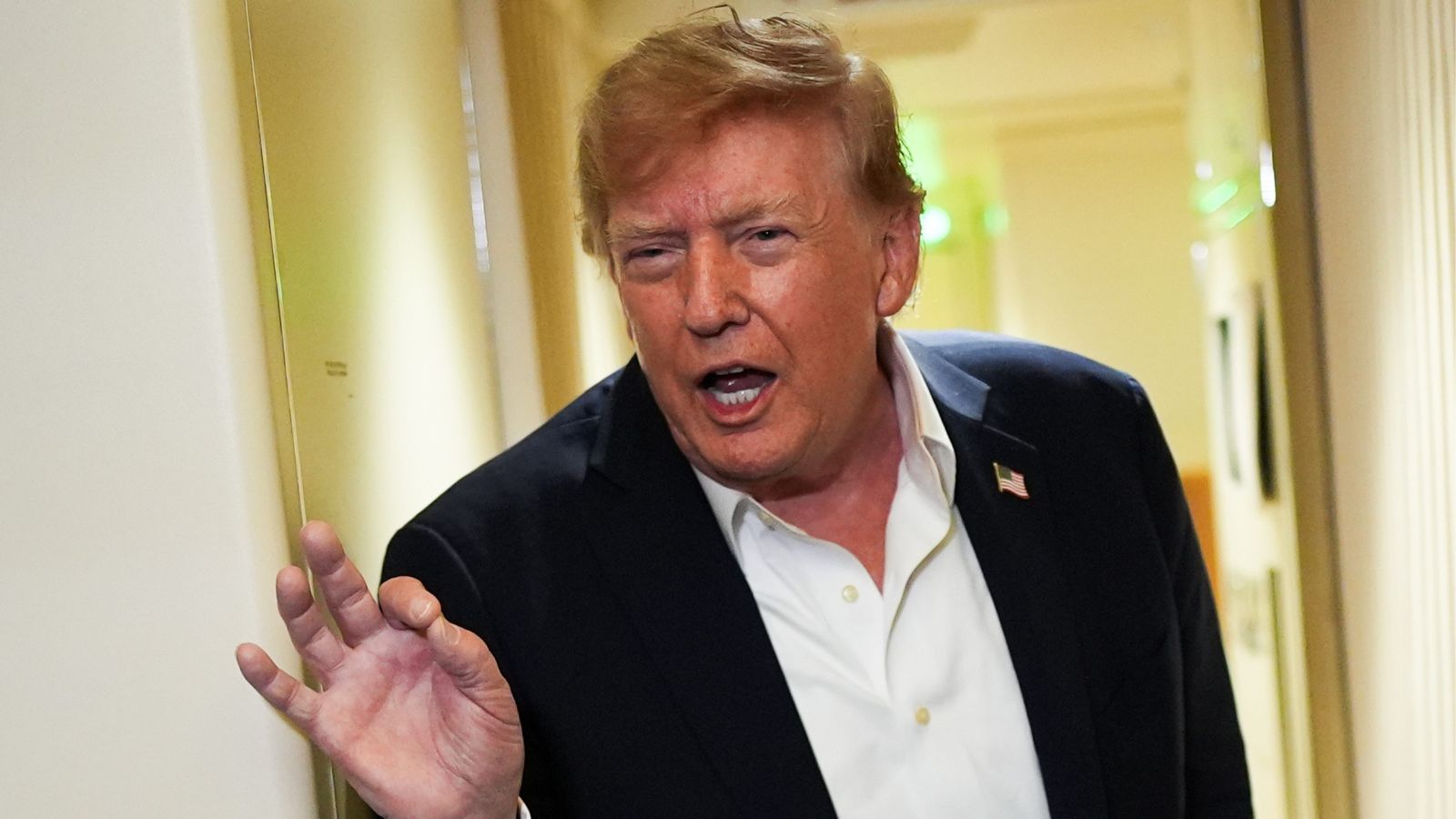


Washington: US President Donald Trump has signed into law a measure expanding sanctions on Russia and Iran and giving his administration the power to impose tariffs of up to 100 per cent on countries that buy Russian oil and gas, including India and China.
PTI reported that Trump signed the Lindsey O. Graham Sanctioning Russia and Iran Act of 2026, or H.R. 5334, on Friday. The White House said the law expands statutory sanctions, tariffs and prohibitions on Russia and extends existing sanctions on Iran.
The law gives Trump broad discretion over which countries are targeted and the level of tariffs imposed. Reuters reported that it requires tariffs of up to 100 per cent within 30 days on goods imported into the US from the five largest importers of Russian crude oil or gas, as well as countries that knowingly make new purchases of Russian oil or gas after the law takes effect and certain countries involved in sanctions evasion.
What the law targets
The legislation expands sanctions against Russia's energy and defence sectors and targets entities involved in sanctions evasion, including Russia's so-called shadow fleet of tankers.
The law also gives the US administration the power to impose secondary tariffs on major buyers of Russian energy. India and China are among the biggest purchasers of Russian crude, putting both countries within the scope of the new tariff provisions. Reuters reported that the legislation does not itself name the countries that will ultimately be targeted, leaving the administration significant discretion.
The measure also provides for waivers of sanctions and tariffs under specified circumstances, giving the US administration room to decide how and when the provisions are implemented.
Why India is in focus
India has sharply increased its purchases of Russian crude since Russia's invasion of Ukraine in 2022, making Russia one of its largest sources of oil. Reuters reported that Russian crude accounted for more than 40 per cent of India's overall oil supplies in 2026.
New Delhi has argued that continued purchases are linked to energy security and the need to secure affordable and reliable supplies for its large population. The Indian government has also warned Washington that further tariff measures could affect bilateral relations and global energy markets.
For Indian exporters, the potential tariff threat is significant because the United States is one of India's largest export markets. A 100 per cent tariff, if imposed, would substantially raise the cost of Indian goods entering the US market.
What happens next
The law does not automatically impose a 100 per cent tariff on Indian goods. Instead, it creates a legal framework under which the Trump administration can impose such duties on countries meeting the legislation's criteria. Reuters reported that the law gives the president considerable discretion over implementation and allows for waivers.
The legislation therefore adds another layer of uncertainty to US-India trade relations, while also increasing pressure on countries that continue to purchase Russian energy.
To read in detail
How can the US impose tariffs on countries buying Russian oil? What powers does the new law give President Trump, and why is India particularly exposed?
Read Maria's explainer: What Trump's new Russia sanctions law means for India
(With inputs from PTI | White House | Reuters | Maria's explainer)