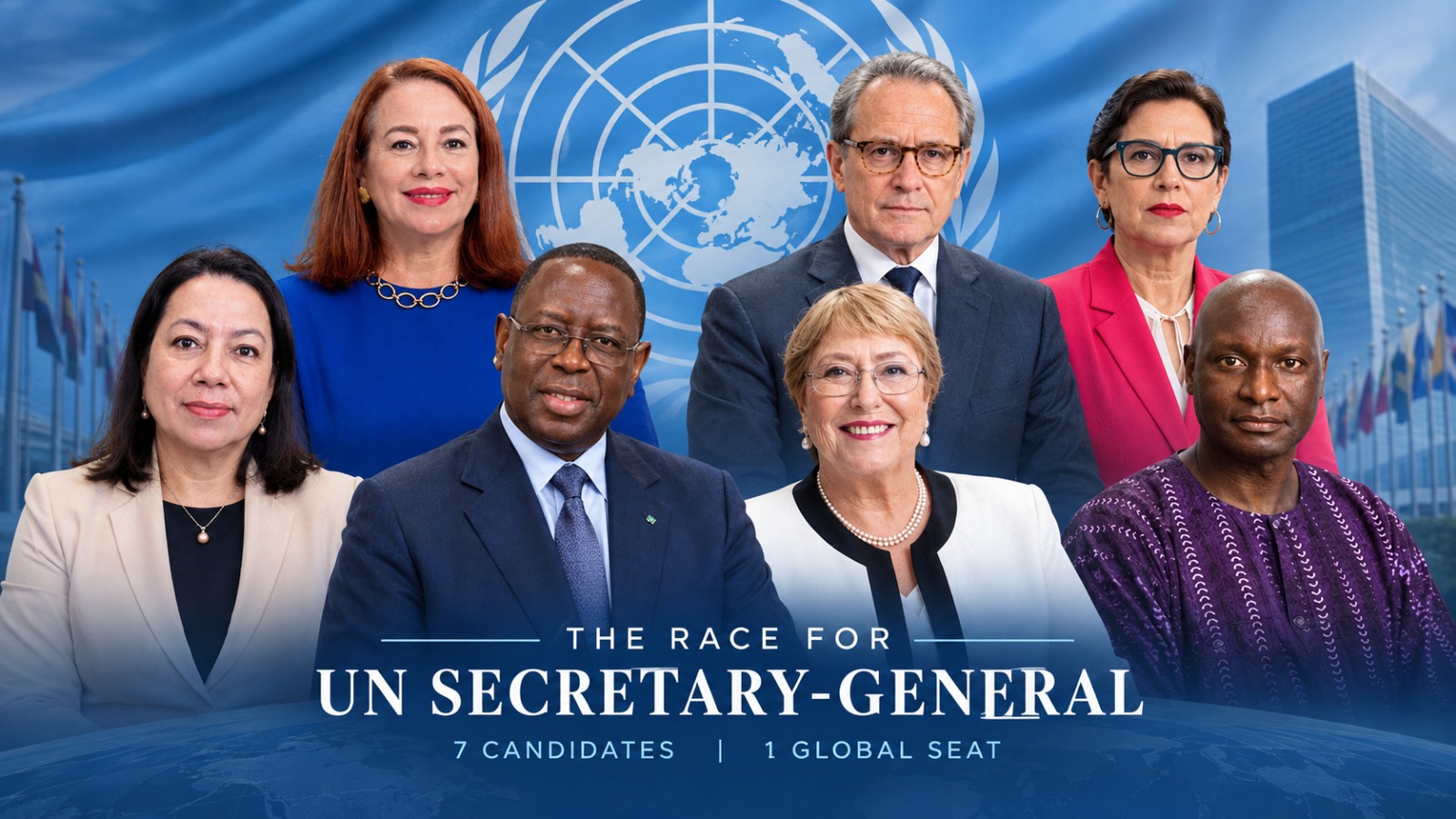


After two five-year terms, UN Secretary-General António Guterres will step down on December 31, 2026, setting the stage for a closely watched contest to choose the United Nations’ 10th secretary-general.
The race has now entered a crucial phase, with seven candidates remaining after former Chilean President Michelle Bachelet withdrew on September 20 following the latest informal Security Council straw poll.
So, who are the seven candidates and what are they promising?
Rebeca Grynspan, Costa Rica
An economist and former vice-president of Costa Rica, Grynspan has headed the UN Conference on Trade and Development since 2021.
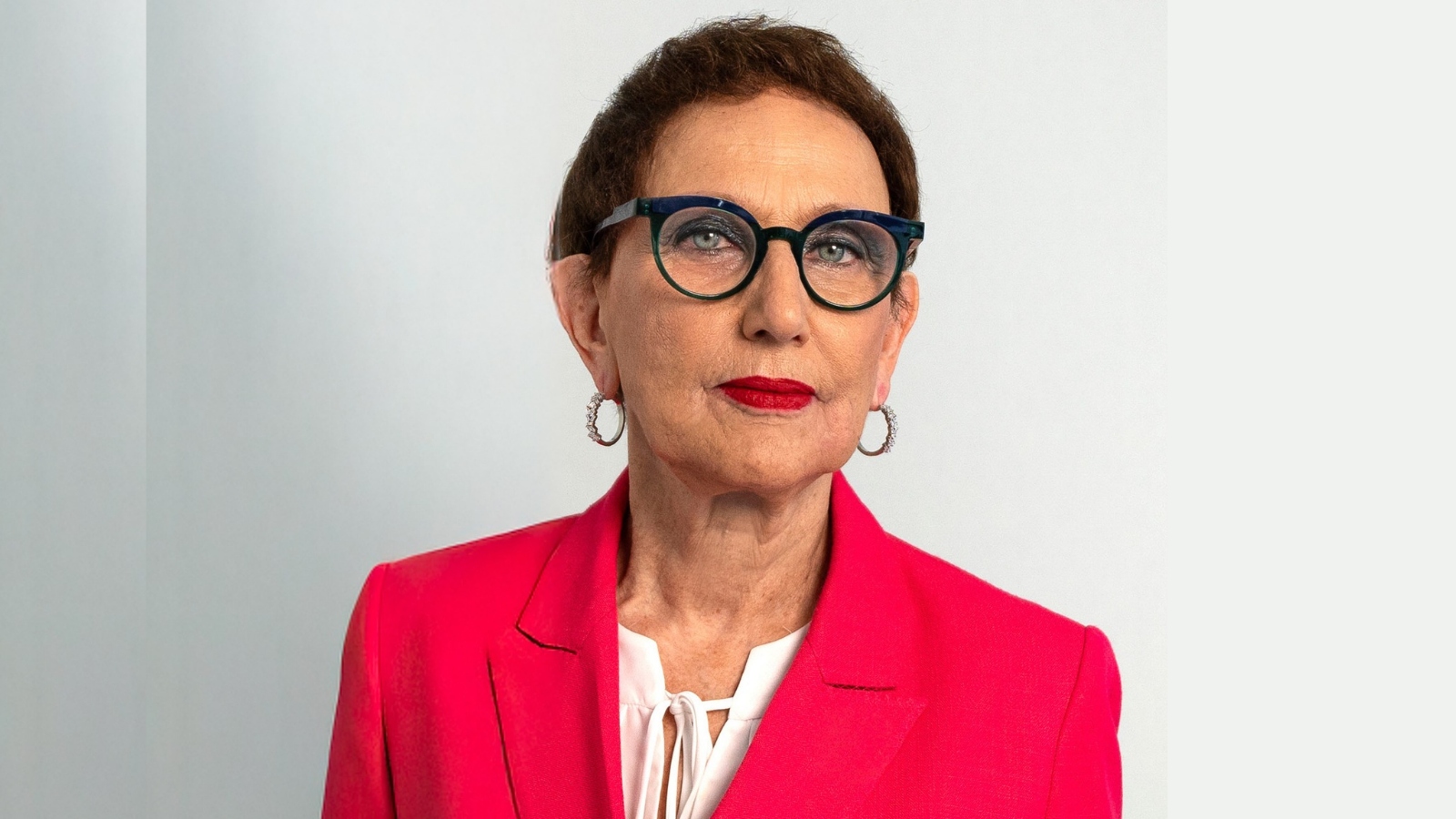
Her campaign puts mediation and preventive diplomacy at the centre of the secretary-general’s role. She has also called for a more efficient UN bureaucracy, greater use of technology and AI, stronger action on developing countries’ debt burdens and deeper cooperation with regional organisations on peace and security.
Rebeca Grynspan currently has the strongest showing in the informal process. In the third Security Council straw poll on September 18, she received nine 'encourage' votes, narrowly ahead of Guyana’s Carolyn Rodrigues-Birkett with eight. But the poll does not decide the winner, and the Security Council has yet to reach consensus.
Carolyn Rodrigues-Birkett, Guyana
Guyana’s UN ambassador and a former foreign minister, Rodrigues-Birkett is campaigning on 'reasserting, reforming and rallying' the UN.
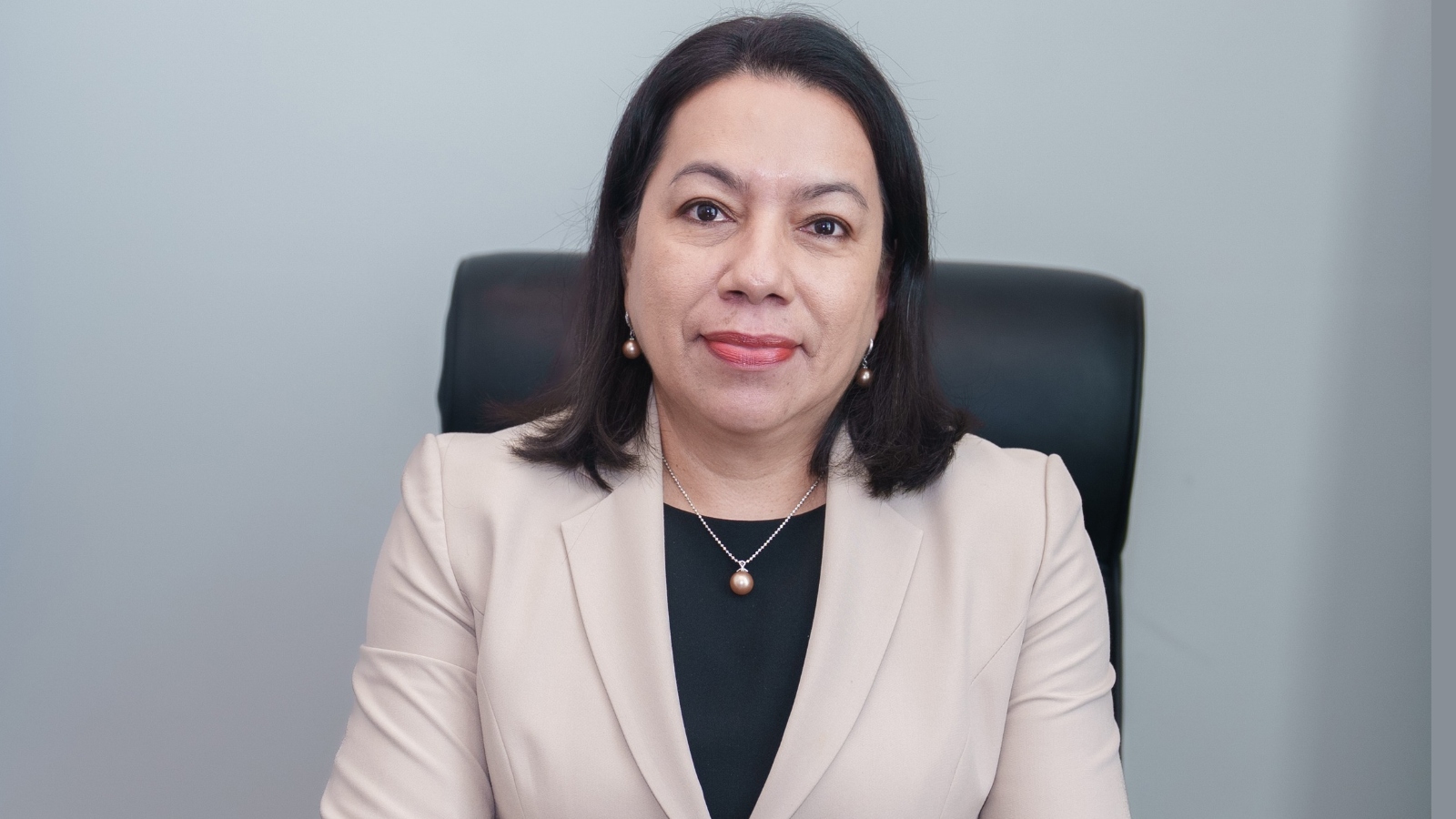
She focuses on strengthening multilateralism, reforming the UN and building broader partnerships. She proposes stronger early-warning and preventive diplomacy mechanisms, including greater use of Article 99*, while treating peacekeeping as a bridge to political solutions.
Her agenda also calls for faster progress on the Sustainable Development Goals (SDGs), reform of the global financial system and stronger protection of human rights, including in the digital and AI space.
On reform, she supports the UN80 initiative to eliminate outdated mandates and duplication while matching resources and staffing with actual needs. She also stresses partnerships with regional organisations, youth, civil society and the private sector, alongside a more people-centred UN that advocates for communities affected by conflict and climate crises.
*Article 99 of the UN Charter empowers the UN Secretary-General to bring any matter that may threaten international peace and security to the attention of the Security Council.
Rafael Mariano Grossi, Argentina
Grossi, the director general of the International Atomic Energy Agency (IAEA), brings extensive experience in nuclear diplomacy and international security.
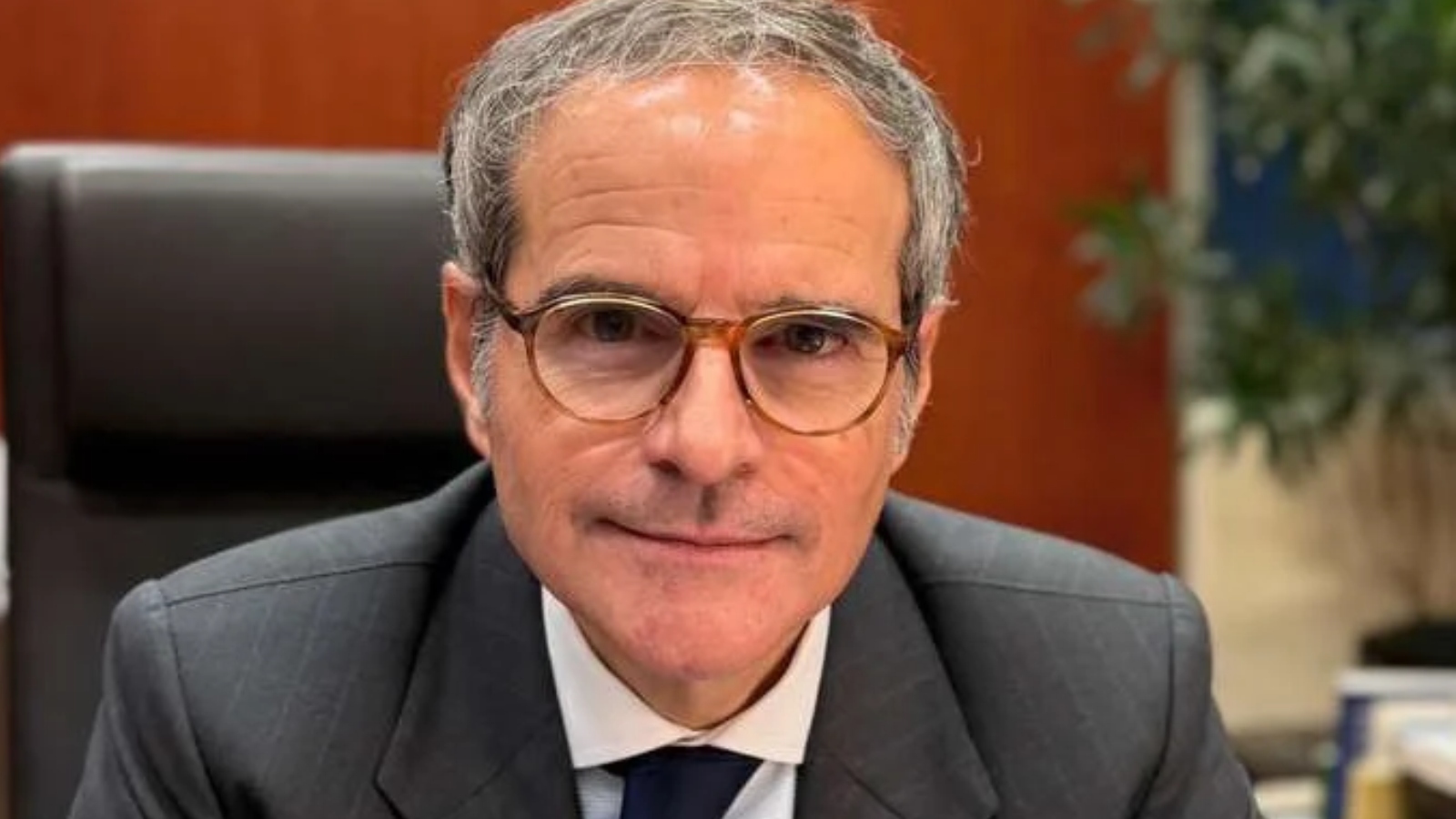
His campaign stresses practical results over rhetoric, with priorities ranging from peace and security to institutional reform, human rights and development. He has also proposed reducing duplication across the UN system and strengthening partnerships with science and the private sector.
Macky Sall, Senegal
Senegal’s former president and prime minister, Sall has placed the interests of developing countries at the centre of his campaign.
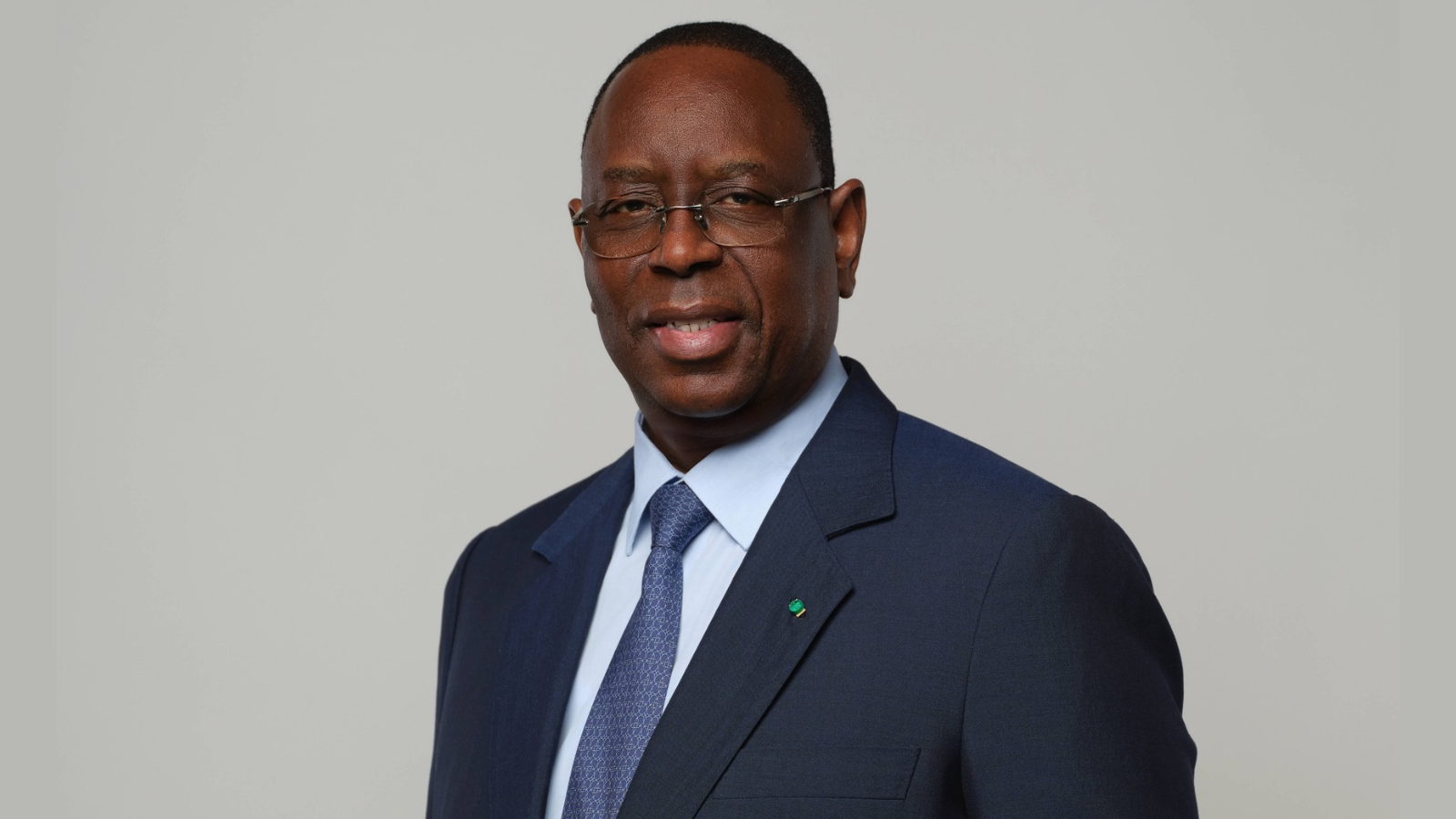
Macky Sall’s vision, 'Refound Multilateralism for a Better World', centres on rebuilding multilateral cooperation around three priorities: peace, development, and stronger UN governance.
He calls for better early-warning and conflict-prevention systems, closer coordination between the UN Secretariat and Security Council, and stronger partnerships with regional organisations, while promoting trade and investment alongside traditional aid.
Sall also advocates Security Council reform, greater roles for the General Assembly and United Nations Economic and Social Council (ECOSOC), stronger action on emerging challenges such as AI and global health crises, and greater support for youth and women’s safety.
Within the UN, he proposes simplifying structures, reducing duplication, ensuring predictable funding, using digital technology and measuring institutional performance more effectively.
Ivonne A-Baki, Ecuador
A former Ecuadorian ambassador and trade minister, A-Baki is presenting herself as a mediator and negotiator capable of working across political divides.
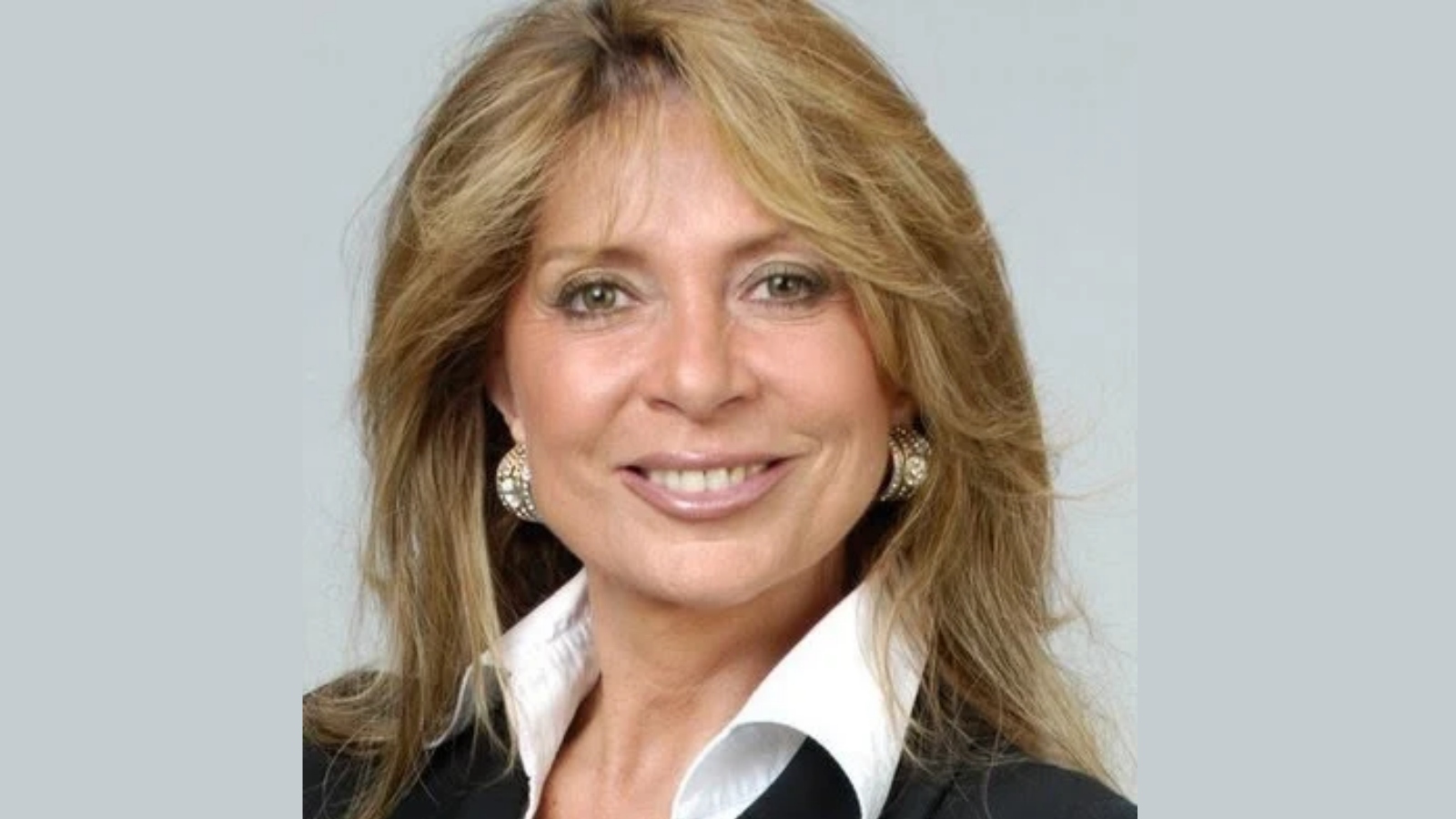
Ivonne A-Baki’s vision, 'Renewing the United Nations', focuses on practical diplomacy, conflict prevention and institutional reform. She proposes shifting the UN towards early mediation and prevention, using trusted groups of countries to support peace processes and implementing UN-backed funding for regional peace missions.
A-Baki also calls for Security Council expansion and changes to the veto system to make it more representative and effective.
On development, she advocates strengthening national institutions, addressing developing countries’ debt and using mechanisms such as debt-for-nature swaps.
Her agenda also includes protecting human rights, involving young people, establishing international rules for AI and emerging technologies, and balancing climate mitigation with adaptation and loss-and-damage financing.
Internally, she proposes reducing bureaucracy and overlapping mandates while improving financial discipline, transparency and accountability.
María Fernanda Espinosa Garcés, Ecuador
The former president of the UN General Assembly and former Ecuadorian foreign minister, Espinosa has framed her campaign around major institutional change.
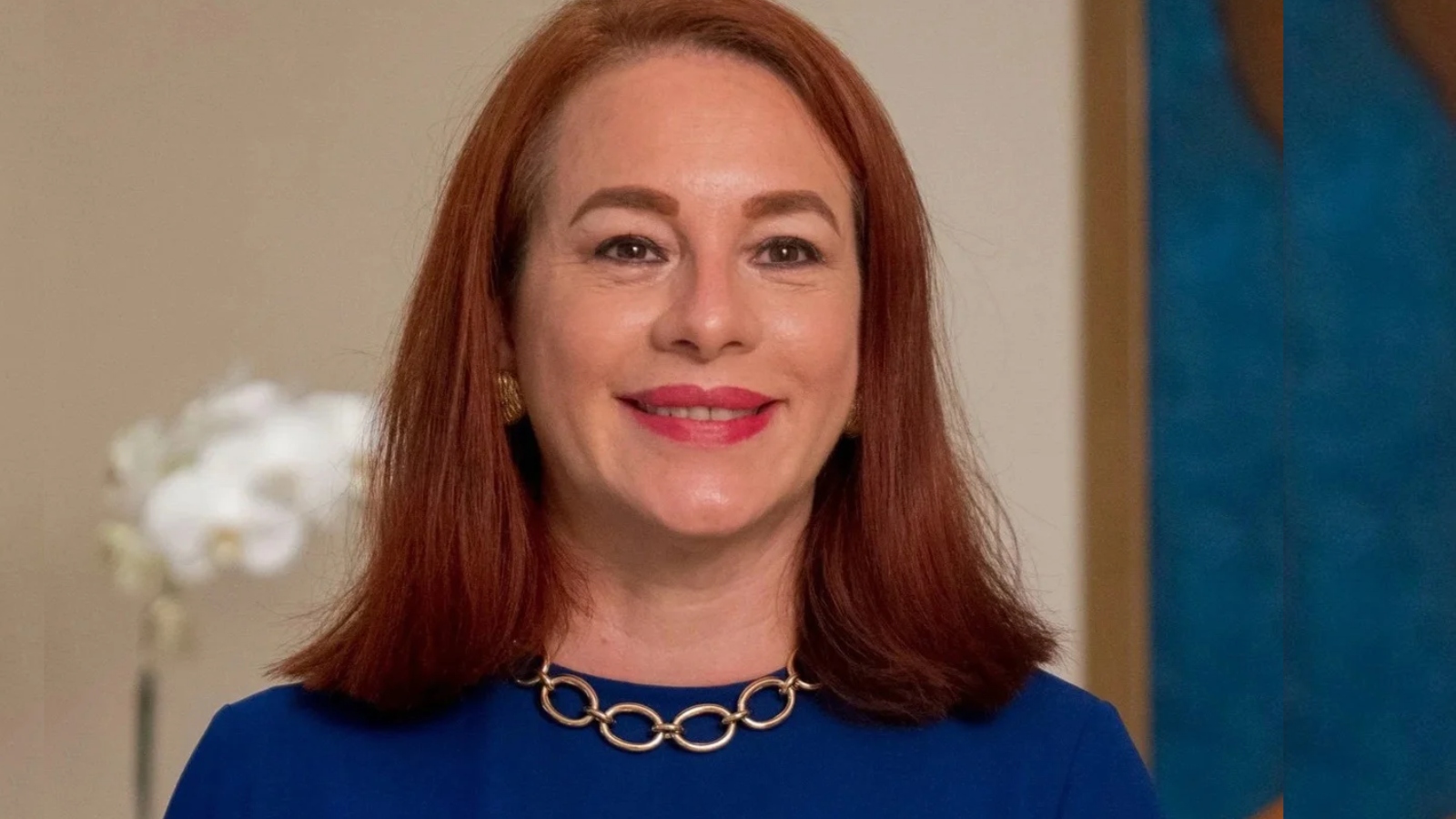
María Fernanda Espinosa’s vision, 'Restoring Credibility, Delivering Results', focuses on early conflict prevention, development, digital transformation and reforming the UN’s internal systems.
She proposes a dedicated early-action hub to identify risks and respond to emerging threats, while strengthening partnerships with regional organisations. Her development agenda emphasises empowering national governments, addressing debt distress and providing targeted support to vulnerable countries.
She also calls for international coordination on energy security and AI governance, alongside permanent reviews of UN mandates to reduce duplication and bureaucracy.
On finances, Espinosa proposes stabilising the UN’s budget, improving peacekeeping funding and linking resources to measurable results and stronger accountability.
Olara Otunnu, Uganda
A former Ugandan foreign minister and former UN under-secretary-general, Otunnu is focusing on conflict prevention, mediation and restoring what he describes as the UN’s moral authority.
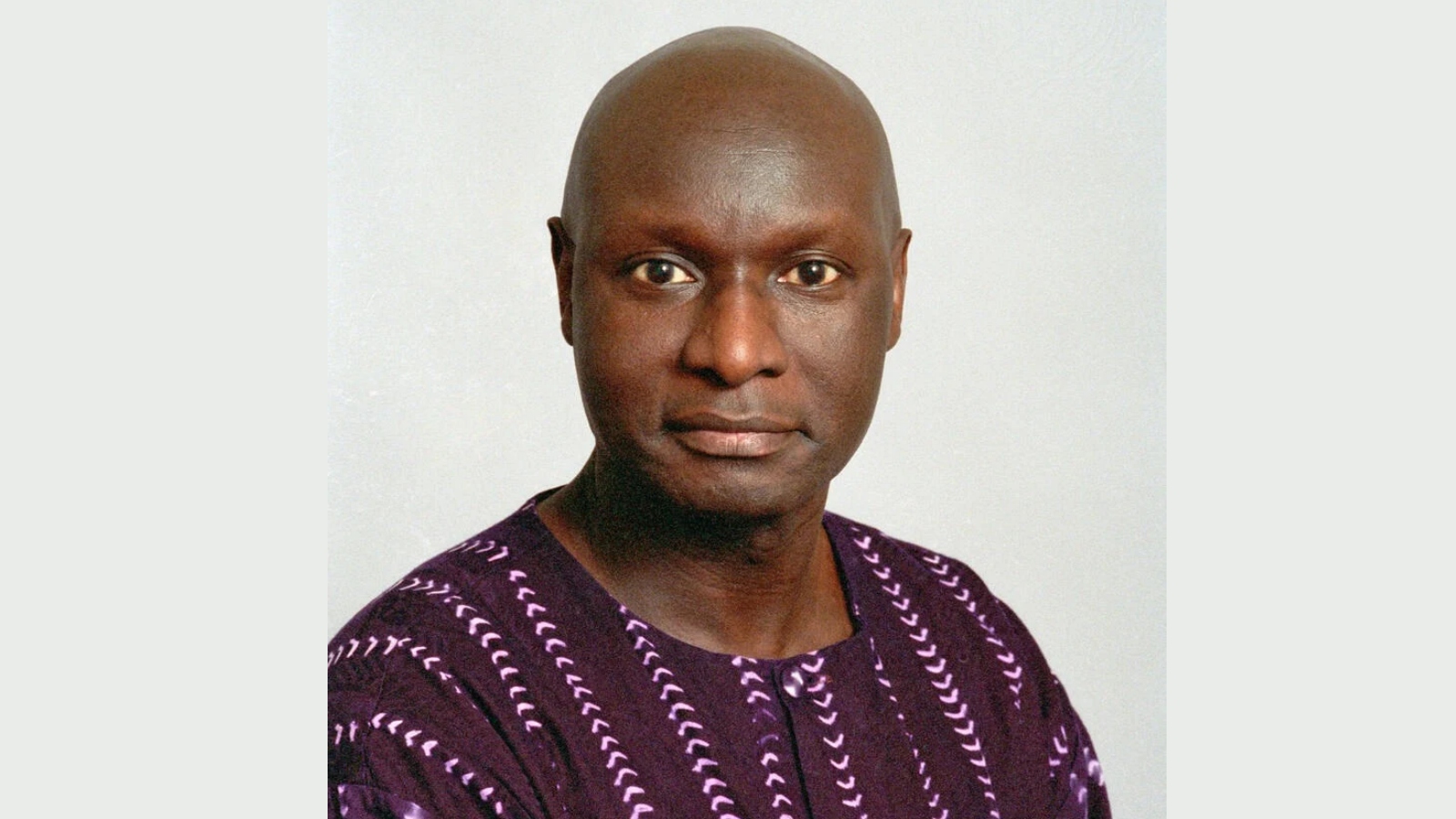
Olara Otunnu’s 'Outline Agenda for the United Nations' centres on restoring the UN’s moral authority, preventing conflicts and making the organisation more effective.
He proposes stronger use of the UN Charter* and supports the UN80 reform** initiative to streamline mandates and address the organisation’s financial crisis.
His agenda prioritises diplomatic action in conflicts including Ukraine, Gaza, Sudan and the Democratic Republic of Congo, alongside stronger protection for women and children in war zones. Otunnu also calls for a dedicated UN body to govern AI and emerging technologies, climate policies that account for developing countries’ needs and greater access to affordable development finance and debt relief.
His platform further advocates a more humane international migration framework and stronger engagement with youth, communities and regional organisations.
*The UN Charter is the foundational treaty and constitutive instrument of the United Nations that establishes its core principles, governing structure, and obligations for member states.
**The UN80 Initiative is a system-wide reform effort launched by UN Secretary-General António Guterres in March 2025 to modernise the United Nations for its 80th anniversary and make it more agile, cost-effective, and impactful.
The winner is expected to be finalised by mid‑December 2026, with the new term starting on 1 January 2027.