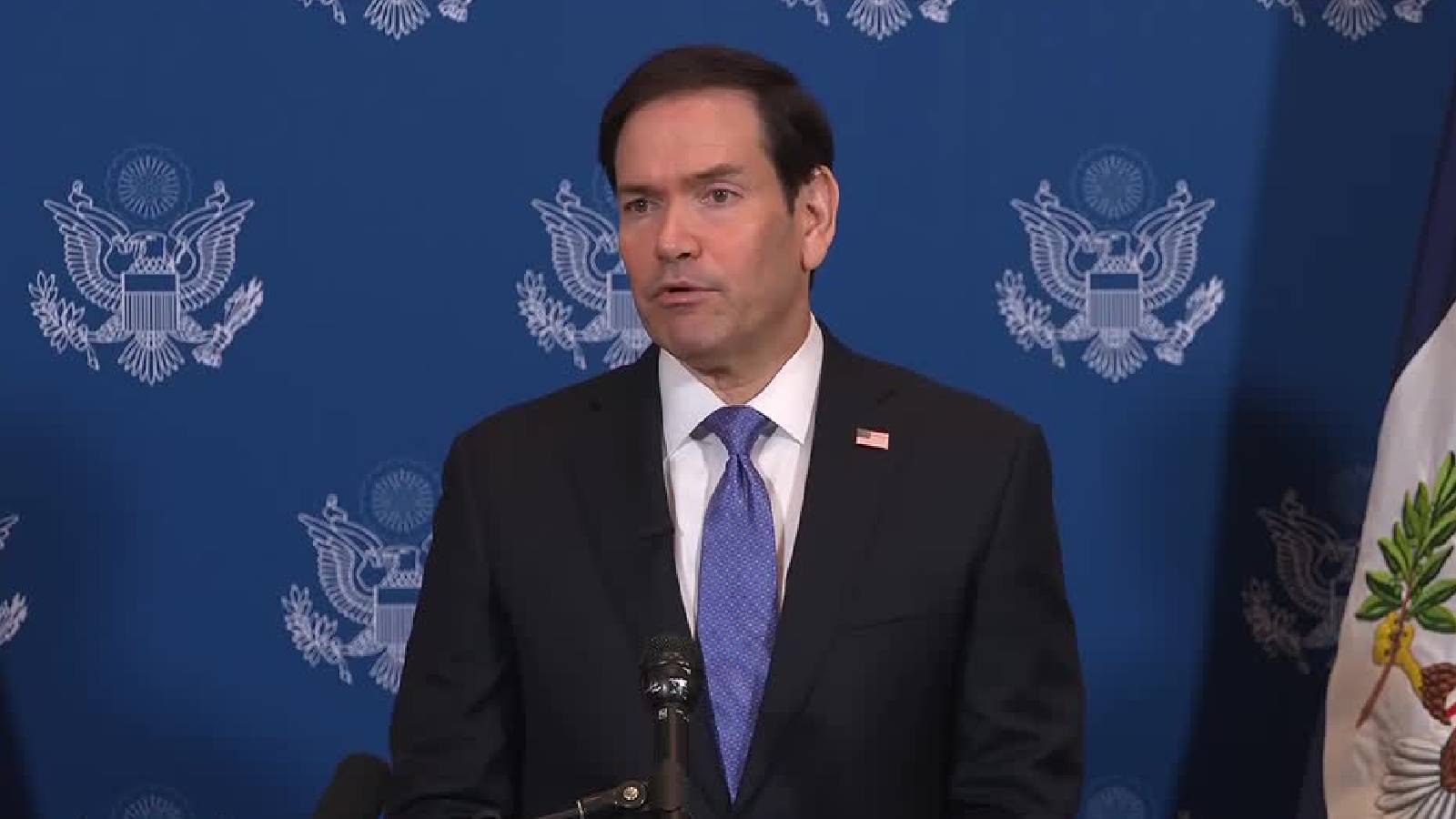


At the United Nations General Assembly, Rubio said that Donald Trump is a very strong believer in tariffs as a tool of national policy. He also added that the Russia Sanctions Act gives him the authority to influence what happens in the Ukraine conflict, US Secretary of State Marco Rubio said on Wednesday.
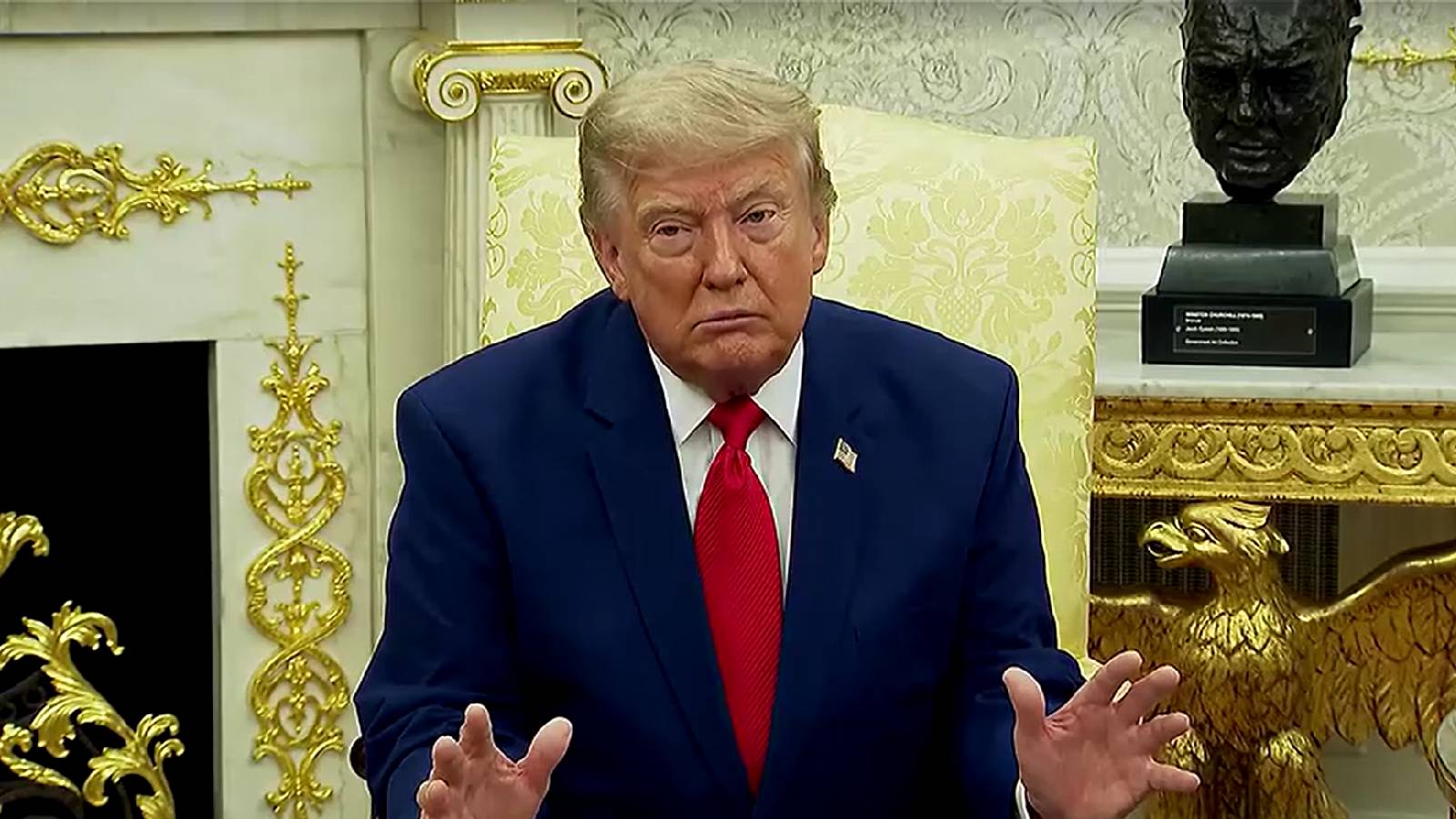
"The law gives the President tariff authority. It's the first time, I think in like 70 years that Congress has granted the President tariff authority. The President is a very strong believer in tariffs as a tool of national policy. So this is good,” Rubio told reporters.
Responding to a question on the sanctions act, Rubio said the law also gives the President national security waivers, which allow him to apply them as needed in individual cases.
"Ultimately, we all want this war to end. And that's the one thing that Russia and Ukraine, I will say, is that war is not going to end on the battlefield. That war is going to end, I think everyone acknowledges, with a negotiated agreement, and we all understand that. And the sooner we can reach that agreement, the less will be destroyed, and the fewer people are going to die on both sides. That's what the president wants."
He also met in indian External Affairs Minister S. Jaishankar and had a meeting with him as India raised its concerns about sanctions.
Last Friday, Trump signed into law the 'Lindsey O. Graham Sanctioning Russia and Iran Act of 2026', which authorises him to impose tariffs of up to 100 per cent on countries buying Russian oil and gas, including China and India. The law is named after late Senator Lindsey Graham, who had proposed a sanctions bill imposing 500 per cent tariffs on countries for buying Russian oil.
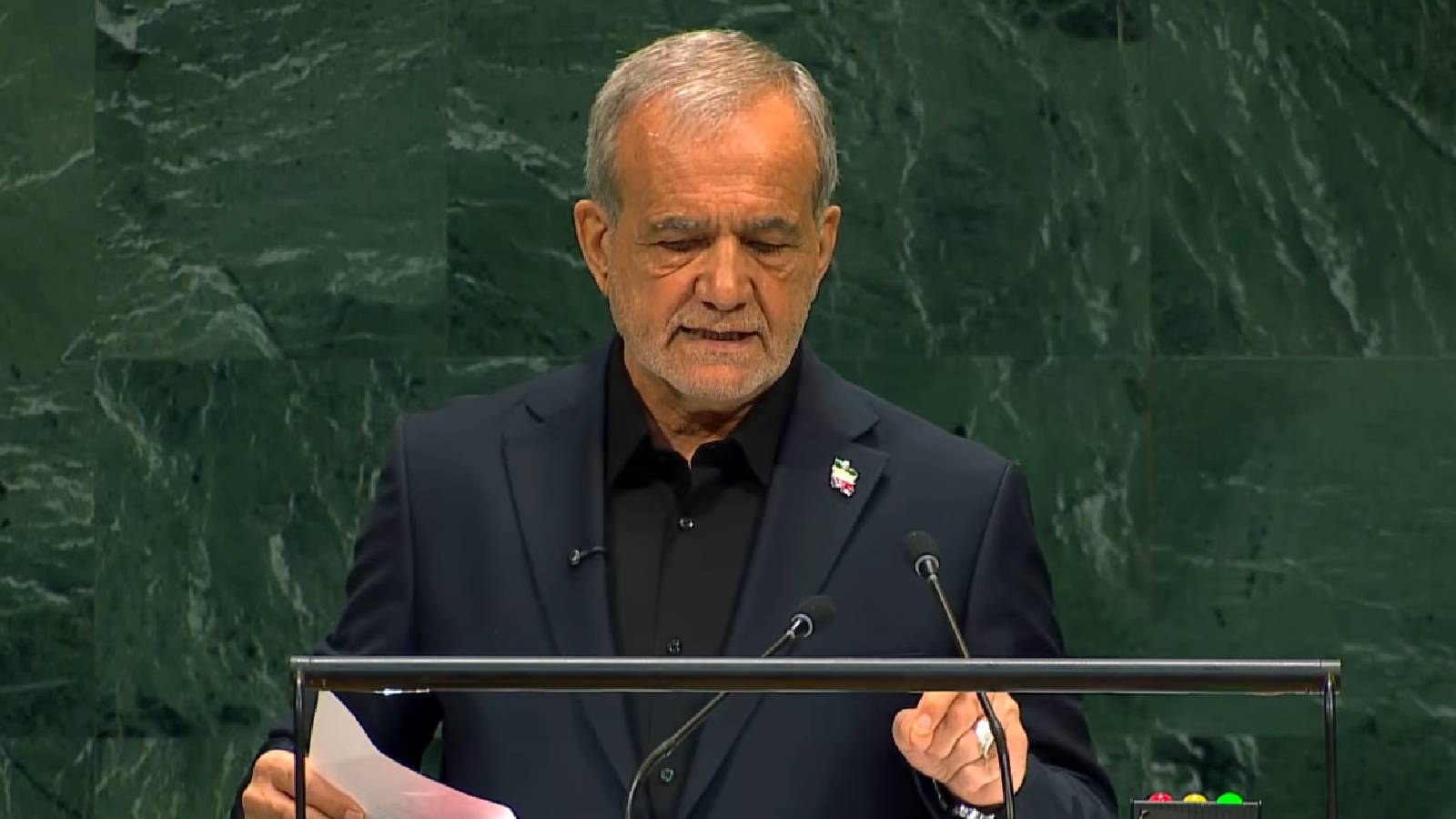
Meanwhile, on the US-Iran, he said that preventing Iran from obtaining a nuclear weapon remained at the center of Washington's approach.
"The core issue here is that Iran can never have a nuclear weapon. We make that point in every interaction with them," Rubio said.
He said Trump remained open to an agreement with Tehran but cautioned against viewing recent contacts as a breakthrough.
(With agency inputs from Reuters and PTI)