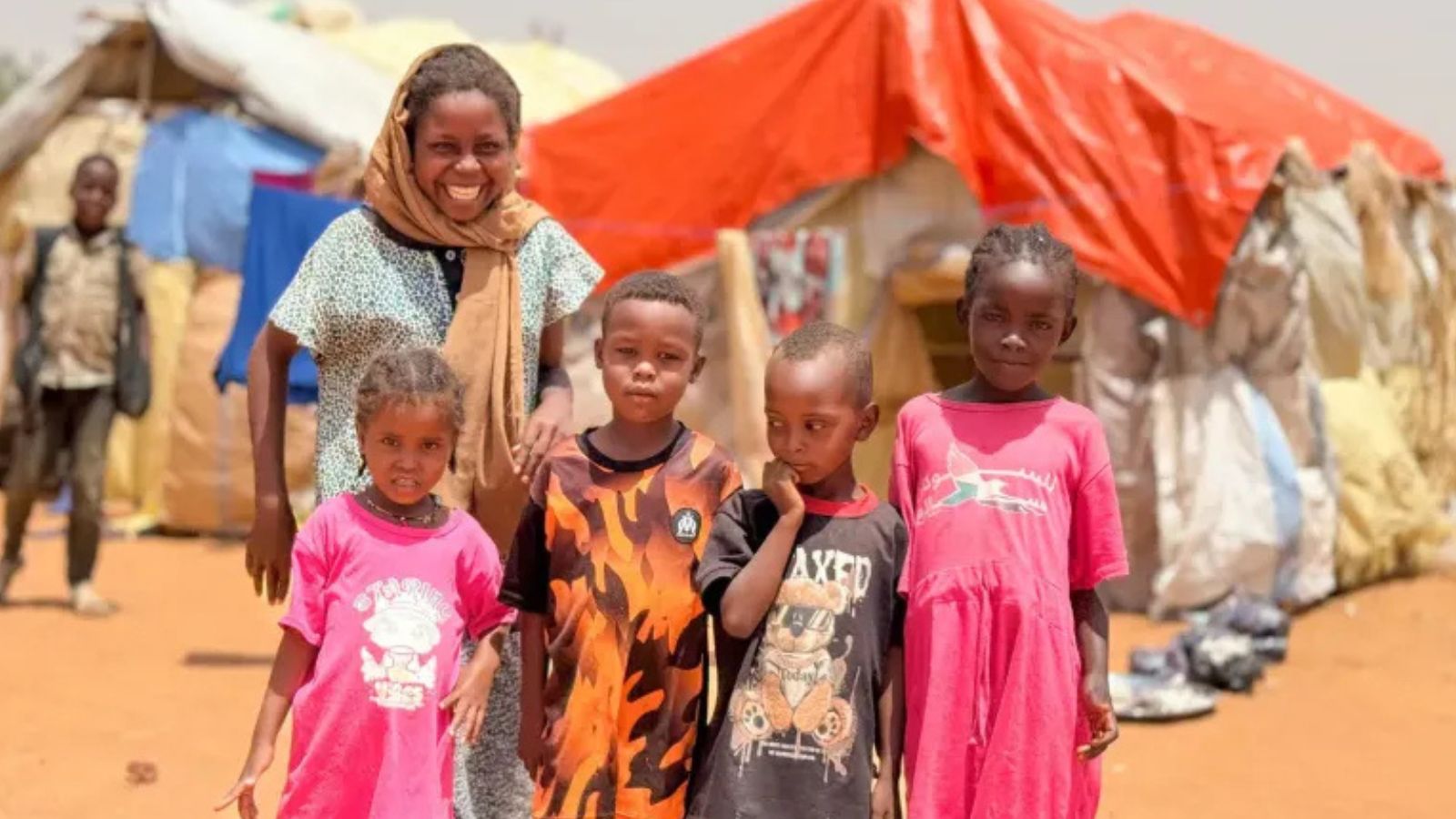


In Sudan, the war has kept millions of children out of school, turning the return to classrooms into an uncertain wait.
They are no longer people who hope; they just survive amid bullets, famine and poverty. Like Khalid Hosseni says, the war robbed childhood from its children. Their nights are not about bed time stories but about strikes and screamings.
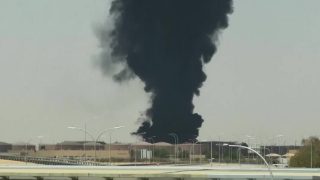
More than three years after fighting began between Sudan’s army and the Rapid Support Forces (RSF), civilians are facing hunger, displacement, destroyed schools, collapsing healthcare and a shrinking space for survival.
For many Sudanese families, daily life centres on securing food, water, medicine, and a safe place to stay.
Two armed forces, one country, and a bunch of citizens
Sudan’s war did not begin overnight. In 2019, longtime ruler Omar al-Bashir was overthrown after mass protests, raising hopes for a transition to civilian rule. But the military remained powerful, with two key figures at the centre - General Abdel Fattah al-Burhan, who leads the Sudanese Armed Forces (SAF), and General Mohamed Hamdan Dagalo, known as Hemedti, who commands the paramilitary RSF.
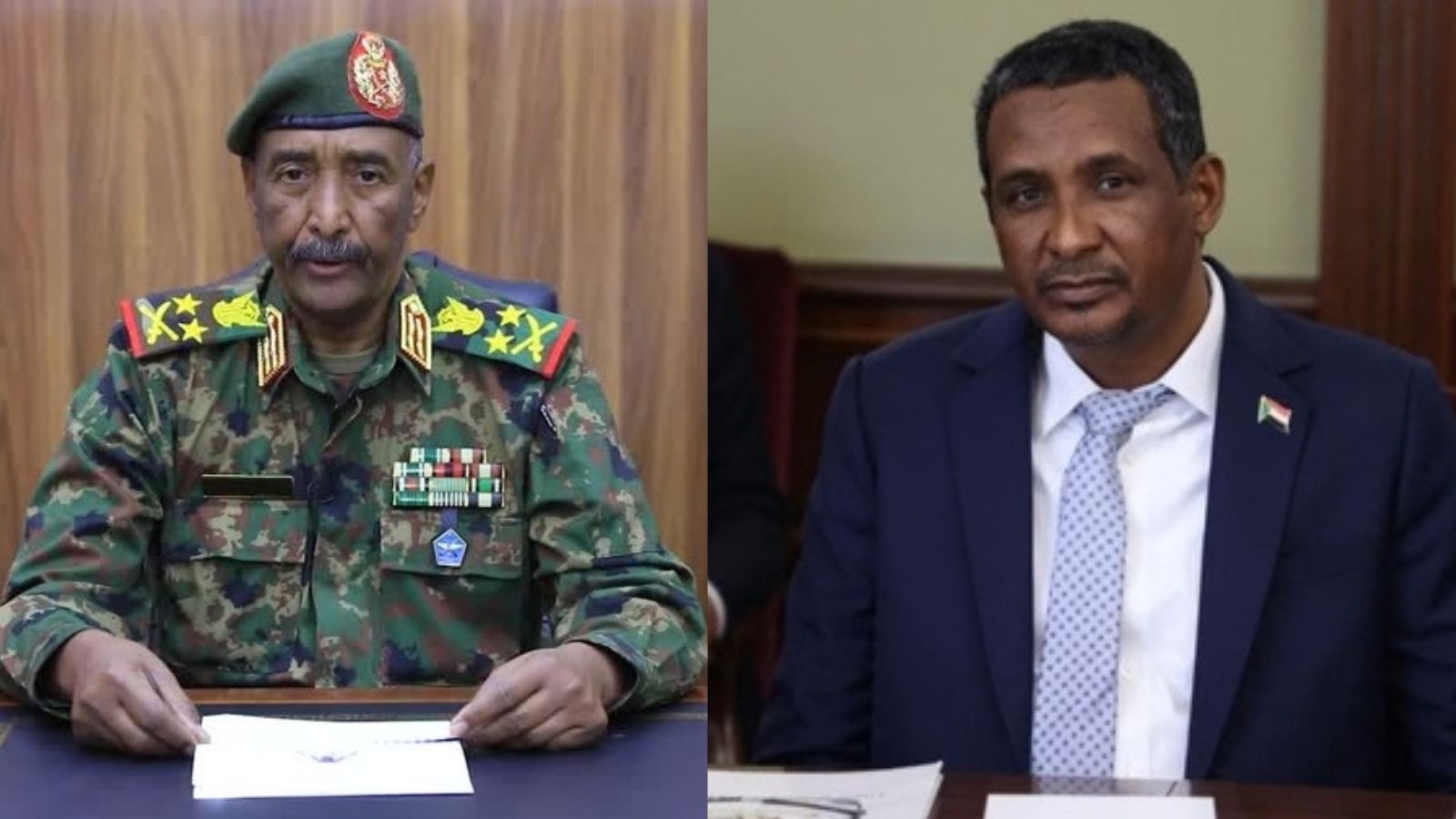
The two were once allies and helped carry out a military coup in 2021. But their relationship eventually broke down over power, military control and plans to integrate the RSF into the regular army. On April 15, 2023, their rivalry turned into open war in Khartoum and soon spread across Sudan.
More than three years later, the fighting has redrawn the country’s map. The army regained Khartoum in 2025, while the RSF strengthened its hold over much of Darfur. Fighting has since intensified in areas such as Kordofan, leaving civilians caught between rival forces.
The people of Sudan had a long road to walk, a narrow path with thorns and stones; life for them was nothing but distress.
When survival becomes the priority
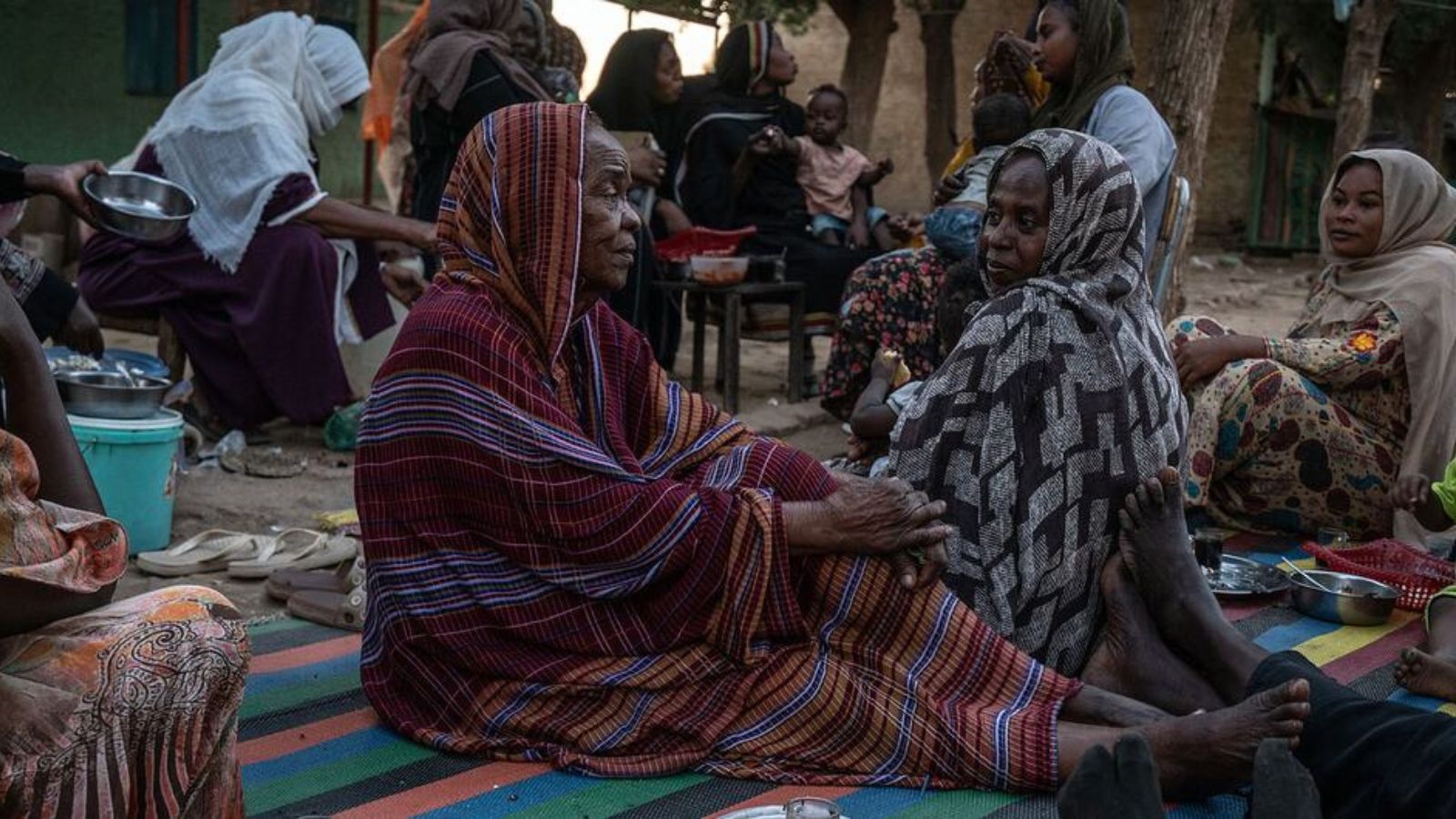
The conflict did no good, neither to the authorities nor to the common people. It made the citizens nothing but homeless, taking them to the borders to struggle with their lives.
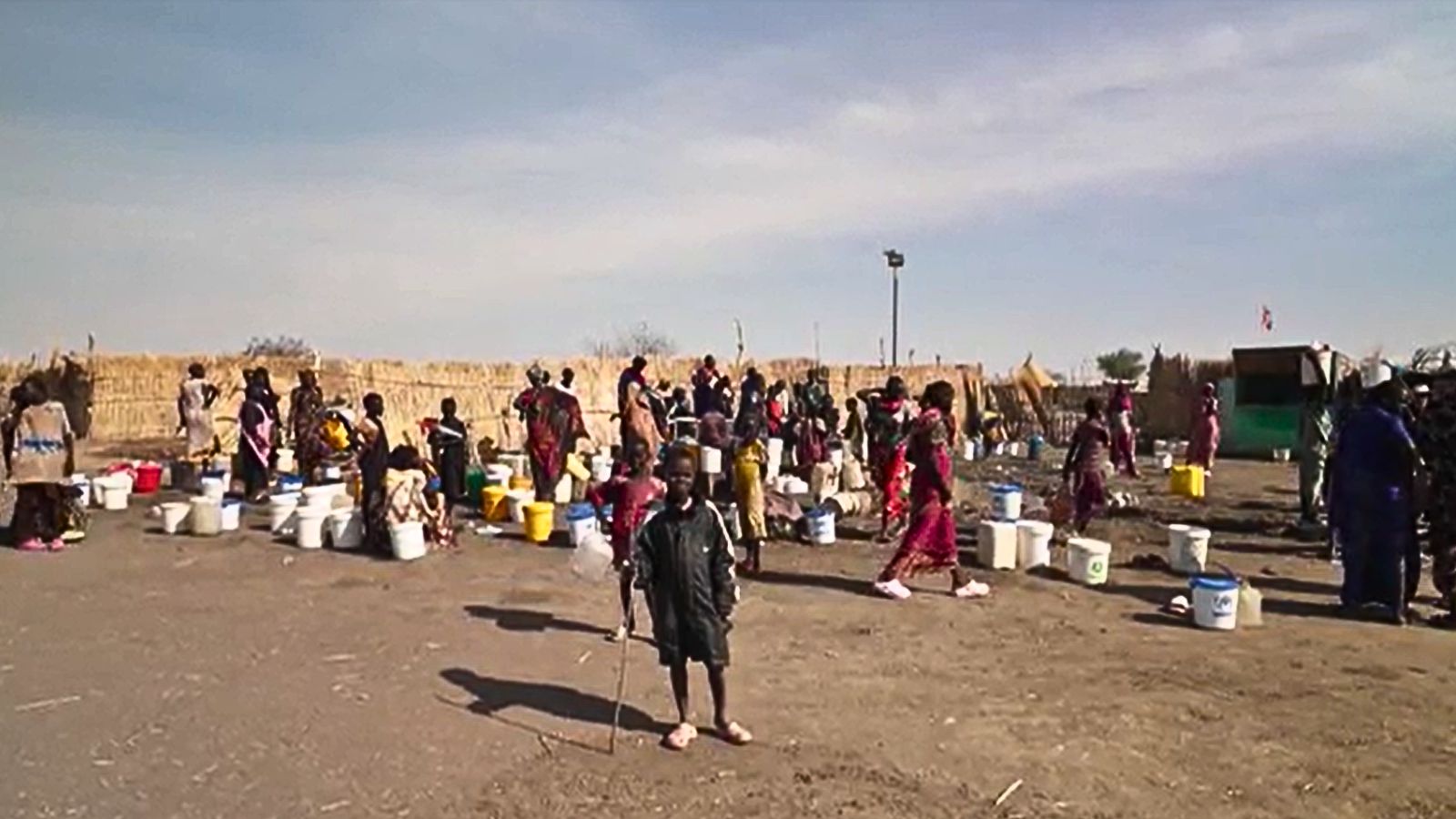
Since the beginning of the war, about 14 million people have been forced to flee, according to reports of UNHCR. Almost nine million Sudanese were displaced within the borders of their nation, and the rest seek asylum outside Sudan. Most of them have been displaced more than once. They were carrying their entire existence, burden, and the struggle of being homeless with them. The camps that opened for the refugees also struggled to meet enormous needs. UNHCR reported the gross situations they are facing about not having access to clean water, healthcare, and hygiene facilities. And the helpless mothers who had to see their children cry for food.
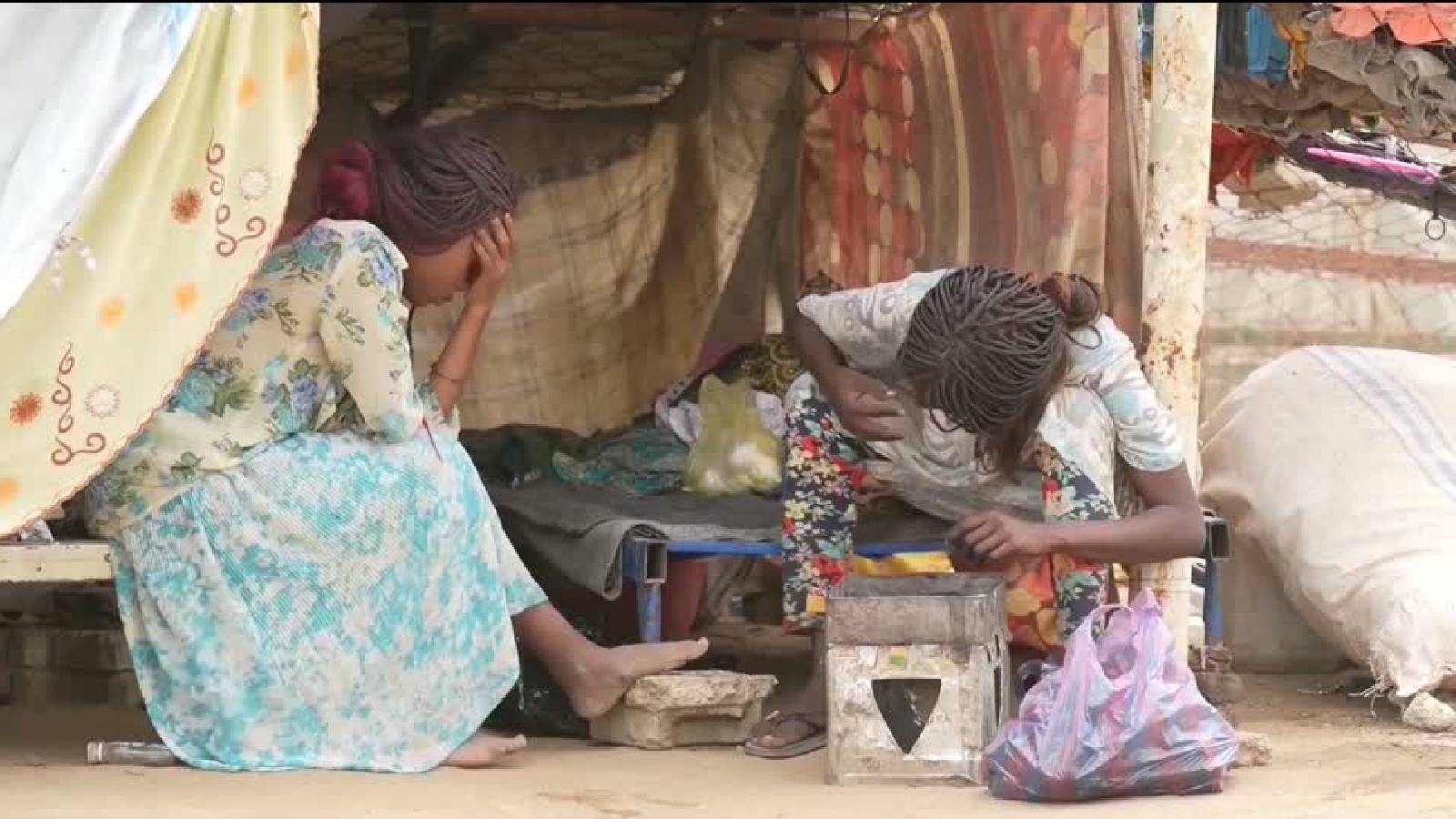
UN officials have warned about the risks faced by women and girls trying to access water in conflict-affected areas, where attacks and sexual violence have made movement increasingly dangerous.UNICEF reported in May that nearly 19.5 million people in Sudan were facing acute food insecurity, while famine risks persisted in parts of the country.
"One of my children has passed away, and the other three are severely undernourished due to long-term lack of food. The one that died was only 12 years old. He suffered from anemia and jaundice before his death. But I had no money to buy medicine nor nutrition to help him recover," said Makka Hassab Alnaby, a displaced mother, as told to Reuters.
The children without a childhood
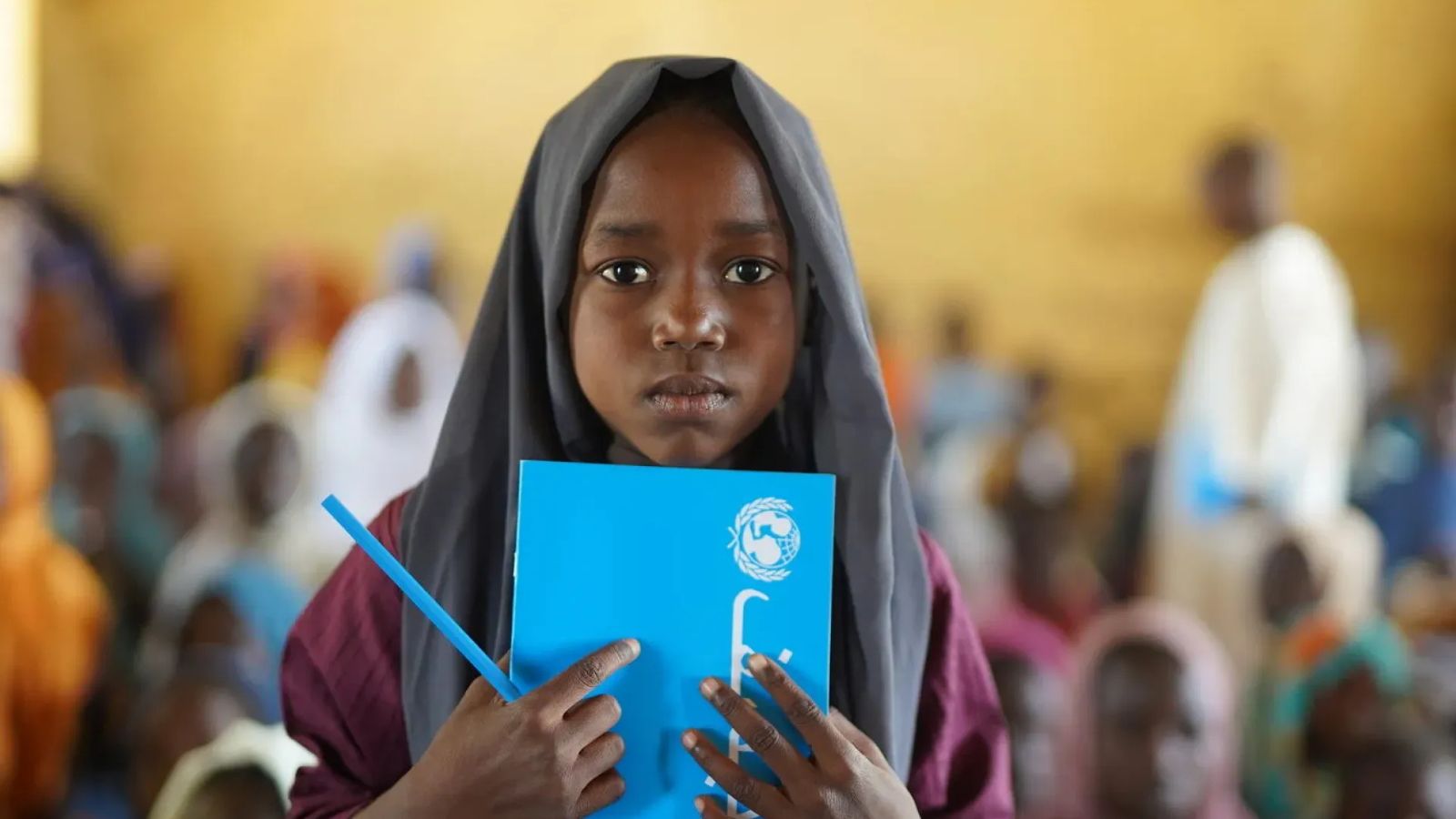
Children have paid an especially heavy price. UNICEF reported in July that at least 330 children were killed or injured during the first six months of 2026. Darfur and Kordofan recorded the highest levels of child casualties. UNICEF also said drone strikes and shelling damaged homes, schools, health facilities, water systems and markets.
The conflict has affected children beyond physical harm, disrupting their education and access to safe living conditions while exposing them to violence and insecurity.
And then there is what happened in North Kordofan in September. More than 3,30,000 learning materials, including more than 2,92,000 school textbooks and 40,000 Arabic language and mathematics review books were destroyed before they could reach children for the new school year.
The war is not just Sudan’s product
Sudan's conflict has also drawn in outside powers.
Various countries have been accused of supporting one side or the other with weapons, financing, logistical assistance or other forms of support.
Reuters has reported allegations that the UAE has provided support to the RSF, while the UAE has denied the allegations. Egypt, meanwhile, has longstanding ties with Sudan's army and has been described as a supporter of the SAF.
The regional dimension is complicated, and claims about individual countries' involvement should therefore be attributed rather than presented as uncontested fact.
The result is a conflict in which Sudan's internal power struggle has become intertwined with wider regional interests.
The world is watching, but is it enough?
The international community has repeatedly called for an end to the fighting.
Pope Leo XIV has urged authorities to establish humanitarian corridors and called on the international community to support efforts for an immediate ceasefire. UN Secretary-General António Guterres has called for accountability for external actors whose support enables attacks on civilians.
That is what makes Sudan's crisis so difficult to comprehend from outside the country. The war is often reduced to the movements of armies, the names of generals and the latest ceasefire proposal. But underneath every military development are millions of individual lives. Sudan’s dispersed people deserve to come home; its children deserve to smile again; they deserve the right to food, water and shelter.