

New York: India has warned Pakistan that cross-border terrorism will have consequences, while rejecting remarks by Prime Minister Shehbaz Sharif on India and Jammu and Kashmir at the United Nations General Assembly.
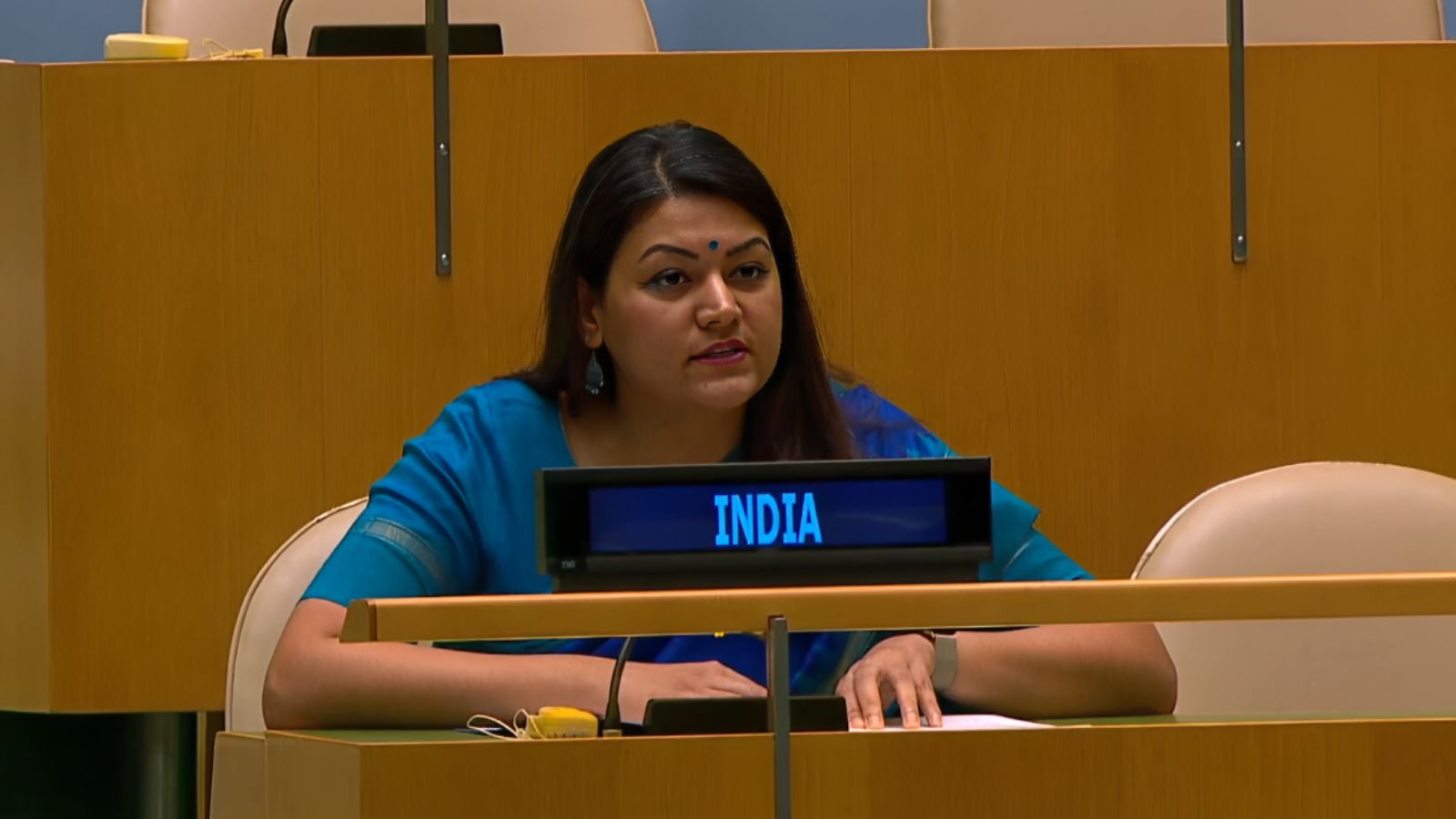
Exercising India's right of reply to Sharif's UNGA speech, First Secretary at India's Permanent Mission to the UN Petal Gahlot strongly criticised Pakistan's remarks during the session on Friday.
Addressing the General Assembly, Gahlot said, "This afternoon, the General Assembly heard some bizarre remarks from the representative of Pakistan. This happens just a fortnight after New York City and the world marked the 25th anniversary of the horrendous 9-11 terrorist attack. This context is important to keep in mind because its mastermind, Osama bin Laden, was living right on the doorstep of the Pakistani Army's premier academy. This was the very entity which was the subject of such deep genuflection before us today by the representative of Pakistan. But all this is only to be expected from what Pakistanis themselves call a Form 47 government."
Gahlot also criticised what she described as Pakistan's approach to democratic rights and human values, alleging that the government is controlled by the military.
"We heard some hypocritical homilies about democratic rights and human values from a regime whose capital at this very moment is being fortified against its own people. And that, Mr President, is happening because this is a regime of the army, by the army, and for the army. Their puppets may come and go, but let us have no illusion about who calls the shots. The reality of Pakistan is expressed in its 27th Amendment and the lifelong immunity granted to its real ruler," she said.
"The views we heard emanate from those with a long record of bigotry and hatred. They claim to uphold security during the day; they actually carry out terrorism at night. This assembly was subjected to remarks about religious intolerance from the very regime whose mainstay is blasphemy laws. The world knows how minorities are treated in Pakistan. No pious platitude can mislead it," she added.
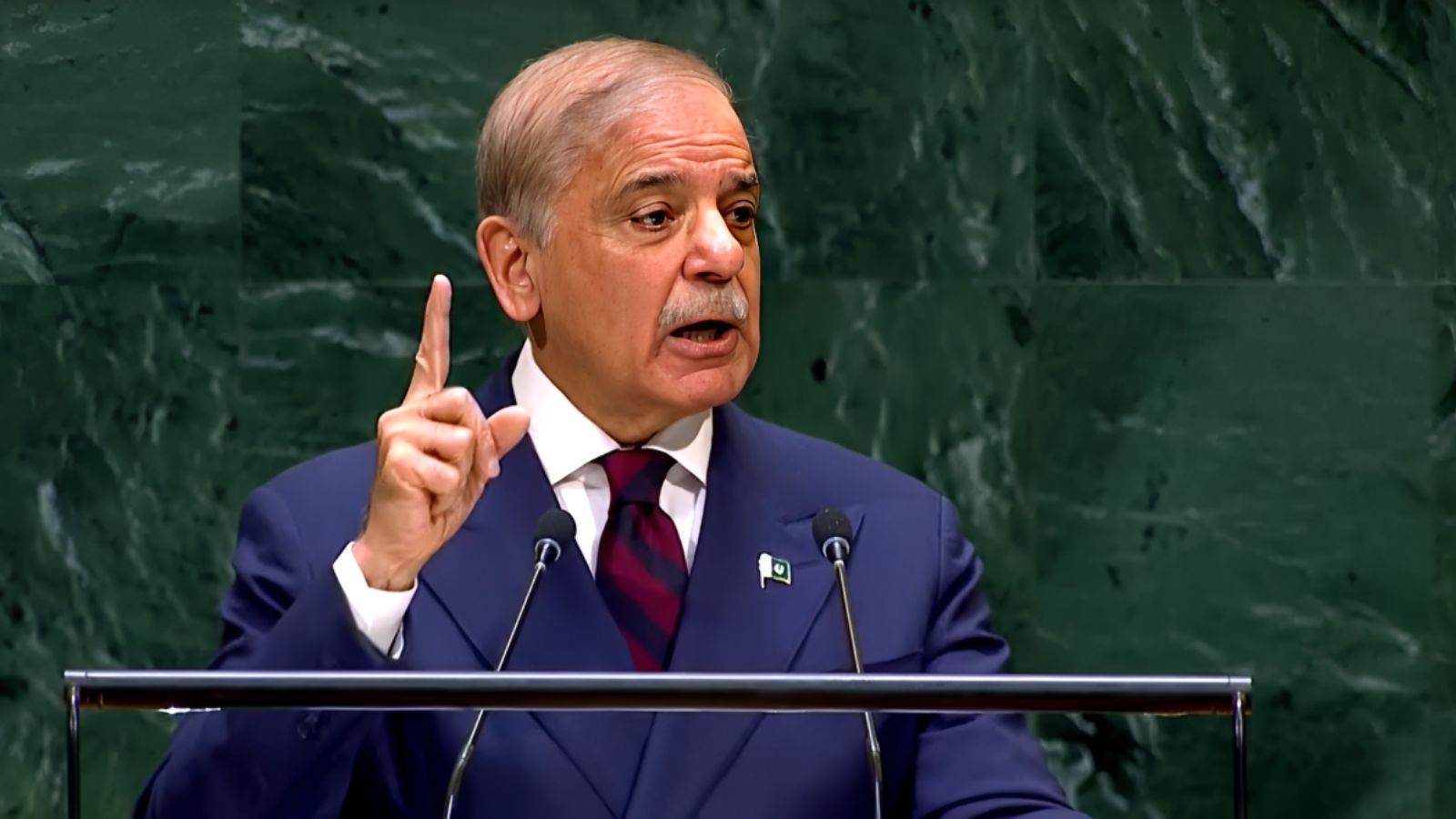
Sharif had raised Jammu and Kashmir during his address to the General Assembly. In its right of reply, India rejected Pakistan's position and reiterated that Jammu and Kashmir was an integral part of the country.
"References were made to the Indian Union territory of Jammu and Kashmir. This is an integral and inalienable part of my country and will always remain so. But if we must talk about Kashmir, let us turn our attention to the Pakistan-occupied Jammu and Kashmir. Ask the people of Rawalkot about the wanton killings, the brutal violence and the denial of basic rights that they have long experienced," Gahlot said.
Also Read:
India also highlighted its position on cross-border terrorism and its right to defend itself. Gahlot referred to what she described as Pakistan's "duplicity" on terrorism and cited its decision to list Jaish boss Maulana Masood Azhar as a terrorist while seeking to escape the FATF grey list.
"At the heart of the issue is the long-standing practice of cross-border terrorism by Pakistan. We demonstrated last year that terrorists will have nowhere to run and nowhere to hide. Our right to defend ourselves against terrorism will be exercised and continued. Terrorism by Pakistan will have consequences…We are confident that this Assembly will recognise Pakistan and its policies for what they really are, not what its representative mendaciously projects it to be. Reiterating falsehoods year after year does not make them true. Pakistan's terrorism, deceit and duplicity will neither benefit it nor the world," Petal Gahlot told the Assembly.
India's response came after Sharif's remarks on issues including Jammu and Kashmir, the Indus Waters Treaty and Pakistan's response to Operation Sindoor.