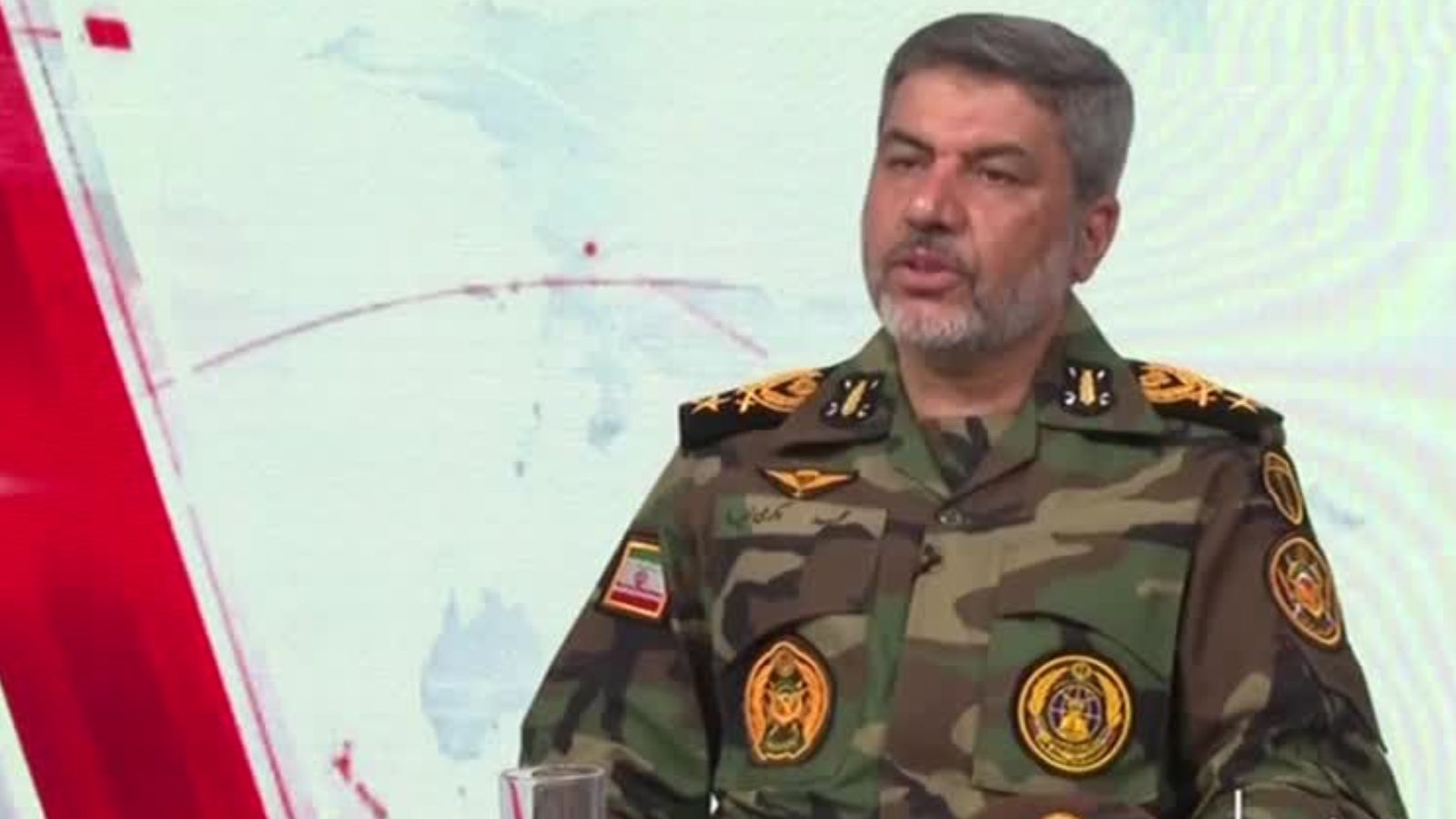


While Iran remains intent on finding a diplomatic resolution to the conflict, it has also issued a warning to the US against another round of military action in the region, which could cause more instability and violence.
Iranian army spokesman Mohammad Akraminia stated that the United States is “not in a good position in the region” and hinted that it may be forced to take military action if it fails to preserve the status quo.
This follows Iran's efforts to boost the morale and training of its forces and create military systems that are “more prepared than ever” since the conflict began on Feb. 28, he said.
If there is any further aggression, it will result in a wider war and cause more instability in the region, Akraminia said.
Meanwhile, Iran's Foreign Minister Ahmad Araqchi noted that the conflict with the US and Israel could only be settled through dialogue. Last week, Tehran offered peace through the mediators of Qatar at the UN General Assembly.
Also Read:
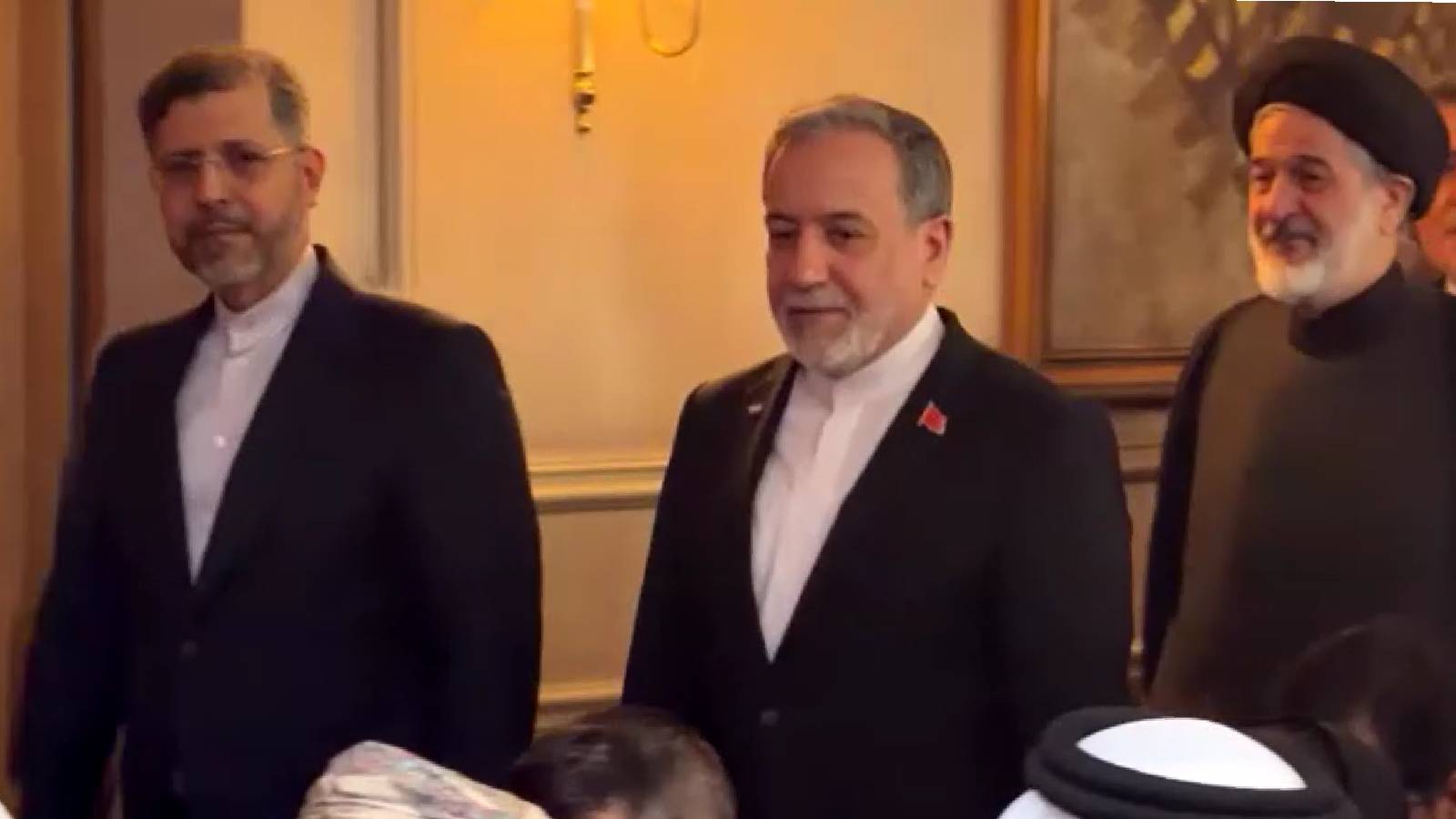
Araqchi stated Iran was given an initial reply from US President Donald Trump, but is still awaiting a formal reply. Trump on Saturday stated he had turned down the offer. But a US official, quoted by Reuters, said the mediator-led talks were “positive and constructive”.
If Iran can persuade Washington to accept its terms, the Strait of Hormuz could be reopened within seven days and the fighting over the next week can be suspended, under Iran's plans. Iran has said reopening the strategic waterway would depend on a negotiated agreement.
In an interview with Reuters, a senior Iranian official said Tehran would not give in on its nuclear rights, such as uranium enrichment. Meanwhile, President Masoud Pezeshkian stated Iran was prepared to hold talks but would not tolerate “bullying or coercion”.
Pezeshkian, according to Reuters, said Iran does not want war, but will protect itself from pressure, threats and attacks.
The war has also imposed strains on Iran's economy and on oil supplies via the Strait of Hormuz, one of the world's major energy choke points. The effort for peace has been unsuccessful so far, even after US and Israeli strikes on Feb. 28 started the conflict.
Also Read:
The war since then has been characterised by a series of strikes and lulls, and by a widespread regional tension. Retaliatory strikes by drones and missiles have been made by Iran and its allies and Yemeni Houthis have also attacked regional interests.
Tehran continues to express willingness to engage in talks, but to warn that a renewed military flare-up would spread the fighting.
(With agency inputs from Reuters)