


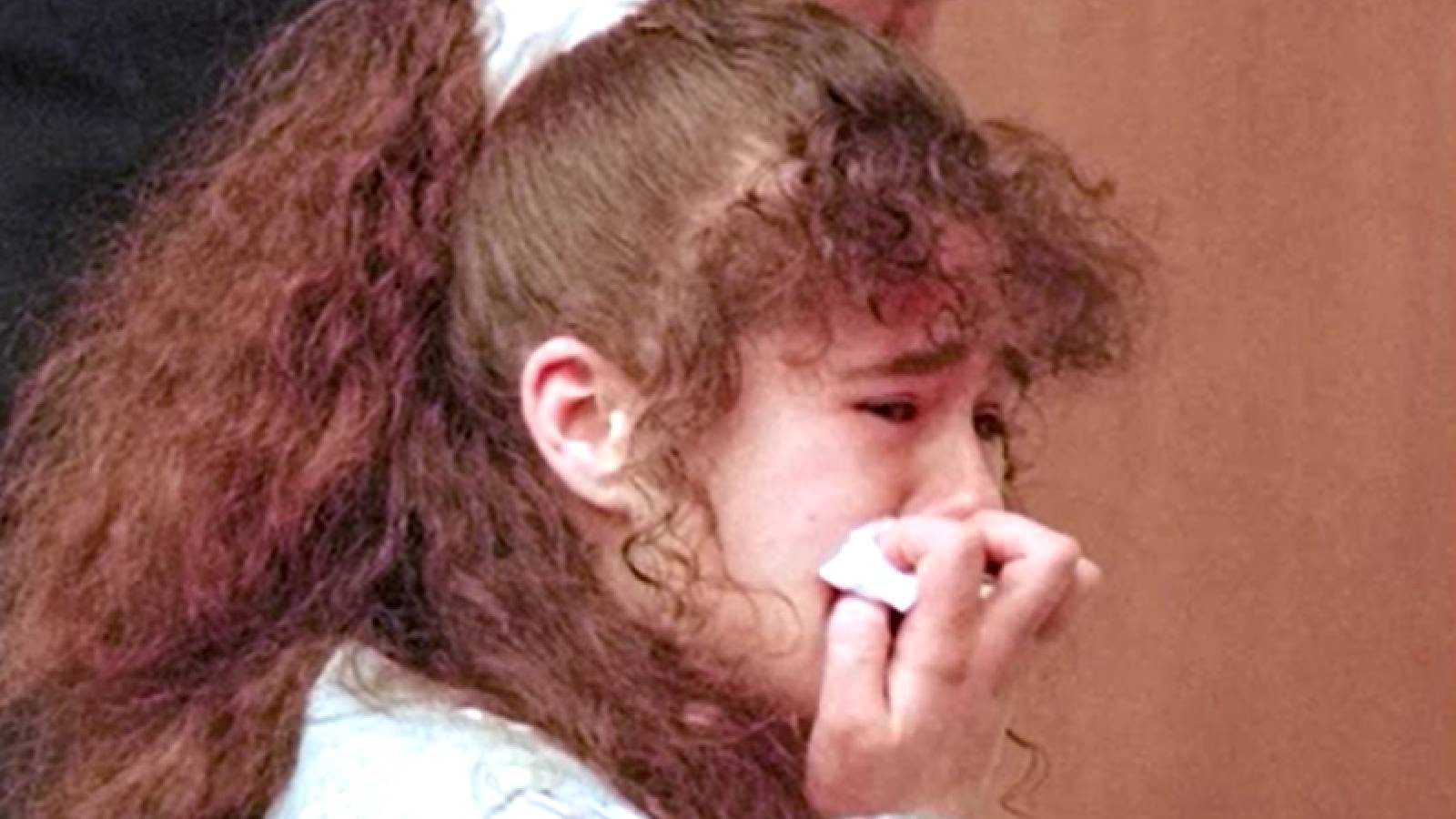


Tennessee: Christa Pike has remained unconscious and on a ventilator four days after Tennessee’s failed attempt to execute her, as the state faces renewed scrutiny over its use of the death penalty.
Pike, 50, was still hospitalised under guard on Sunday after prison officials administered two doses of the lethal injection drug pentobarbital on Wednesday night. The drug failed to kill her.
Also Read:
Assistant Federal Defender Stephen Ferrell, one of Pike’s lawyers, said on CNN’s “State of the Union” that, as far as he was aware, Pike had not regained consciousness. Doctors were continuing to treat her, and her prognosis may not be known for several more days.
Pike’s medical power of attorney has been given to another person, who is protecting her privacy, Ferrell said. Her defence team has not identified the person making her medical decisions.
Pike was 18 when she and her boyfriend tortured and killed classmate Colleen Slemmer in 1995 in what prosecutors described as a jealous rage. She was sentenced to death and became one of the youngest women in the United States to be placed on death row.
The failed execution has also brought renewed attention to the human cost of capital punishment in Tennessee.
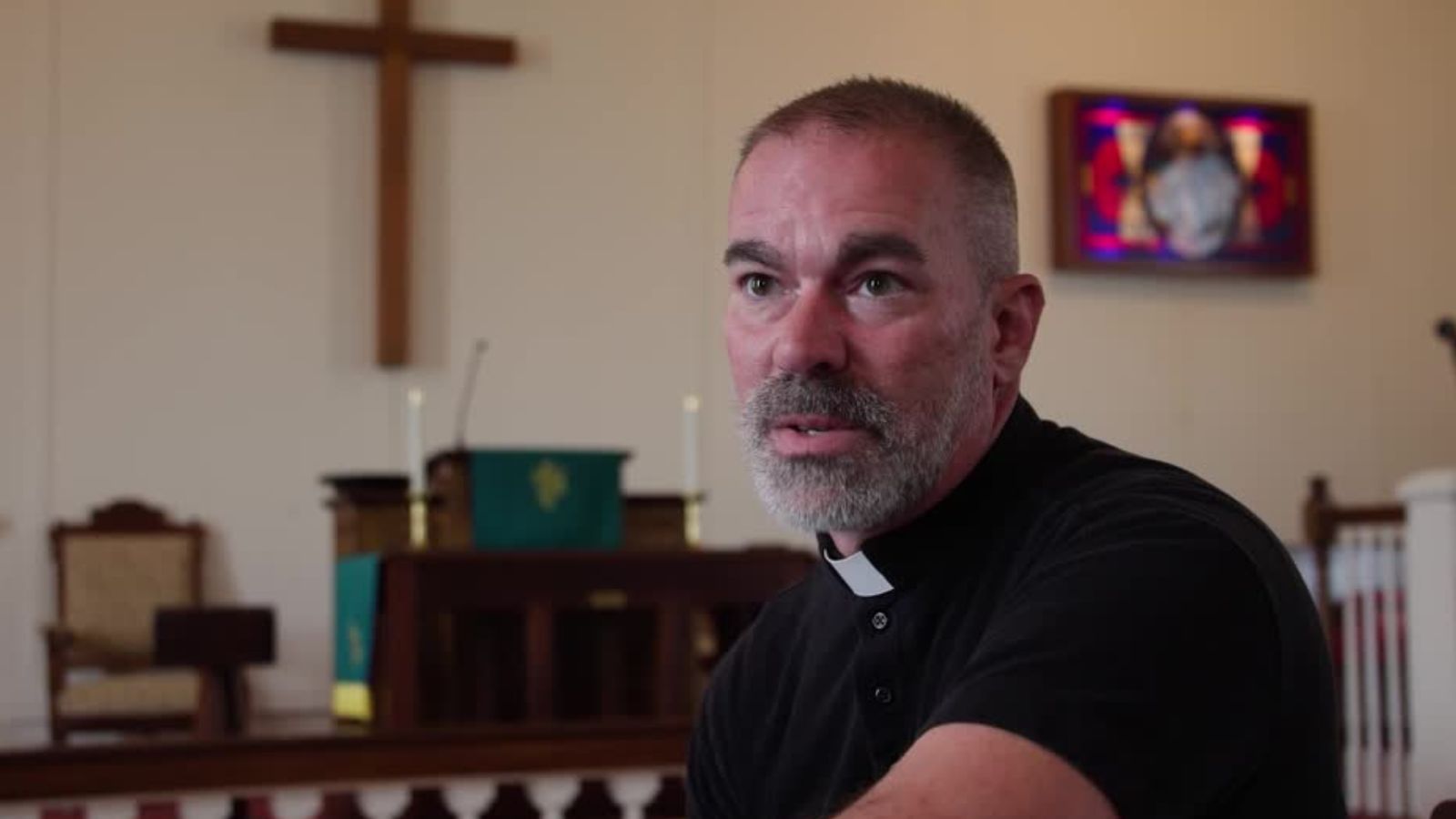
Reverend Timothy Holton, a Tennessee chaplain who ministers to death row inmates, said his opposition to the death penalty is rooted in his own family's experience with murder and execution.
Holton recalled carrying the small white caskets of four children killed by his cousin, Daryl Holton, in 1997. Daryl Holton was sentenced to death, spent a decade on Tennessee’s death row, and was executed in the electric chair in 2007 after waiving his remaining appeals.
The experience led Timothy Holton to establish a ministry serving people on death row and shaped his belief that justice must involve both accountability and mercy.
“Justice requires accountability and also requires mercy,” he said, arguing that life imprisonment can hold convicted murderers accountable while giving victims’ families closure without carrying out an execution.
Holton also said money spent on executions could instead be directed towards victim services, counselling and improvements to the justice system. His position, he said, comes from understanding the pain of victims’ families while also questioning whether execution is the appropriate response.
Pike’s case has now placed that debate back in the spotlight, as questions remain over her medical condition following Tennessee’s failed attempt to carry out her sentence.