



Several films show a man as the titular hero who decodes enemy messages during wartime. But when it comes to a woman doing the same, the numbers diminish. Their names are often not referred to as frequently as those of their male counterparts.
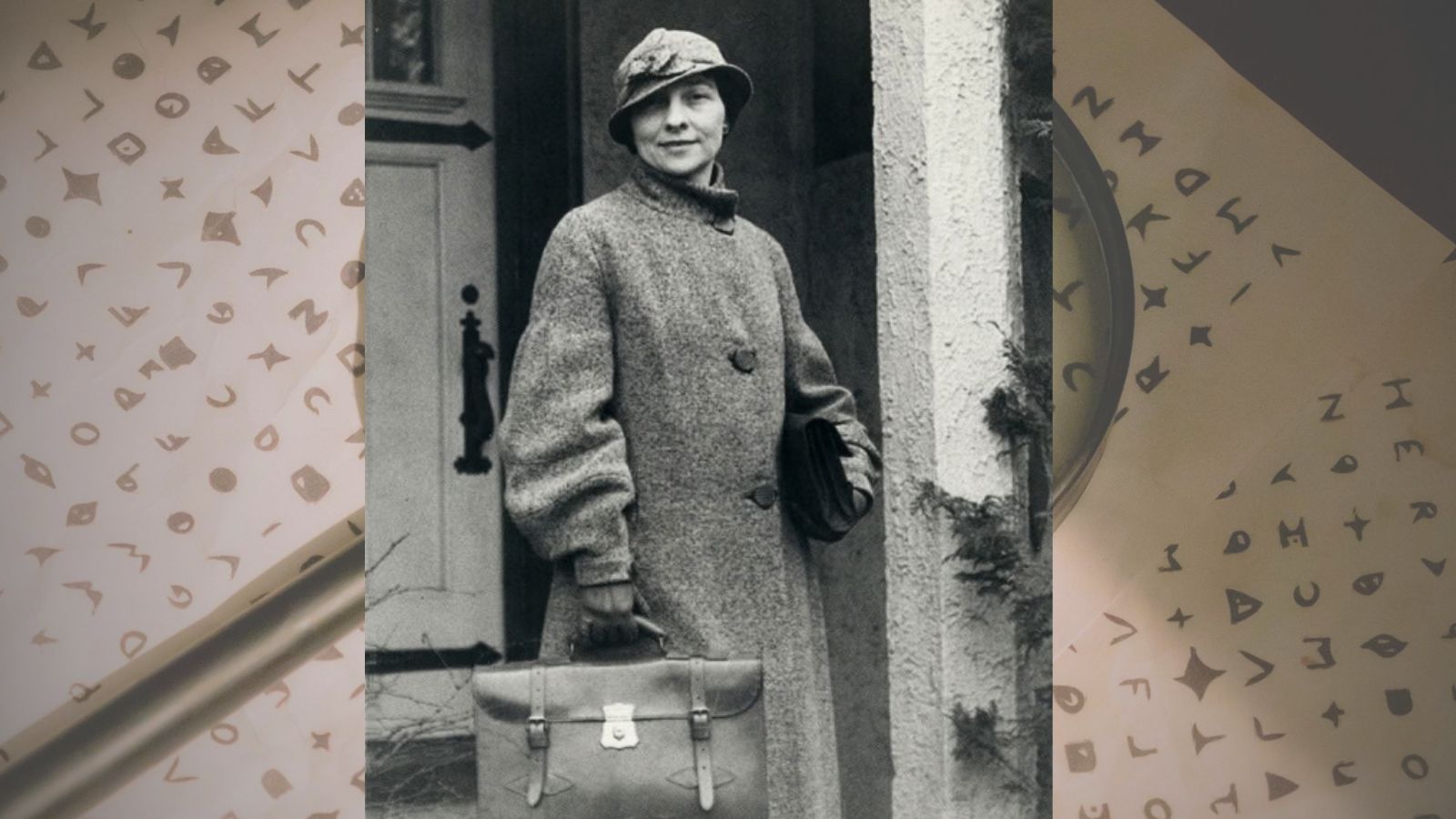
Patriarchy often does this — remove or erase the names that challenge its narrative. Elizebeth Smith Friedman is one such name. She was one of America's pioneering cryptanalysts, deciphering secret communications during both World Wars and playing a pivotal role in tackling the smuggling networks that flourished during the Prohibition era. She is widely recognised as one of America's first female cryptanalysts.
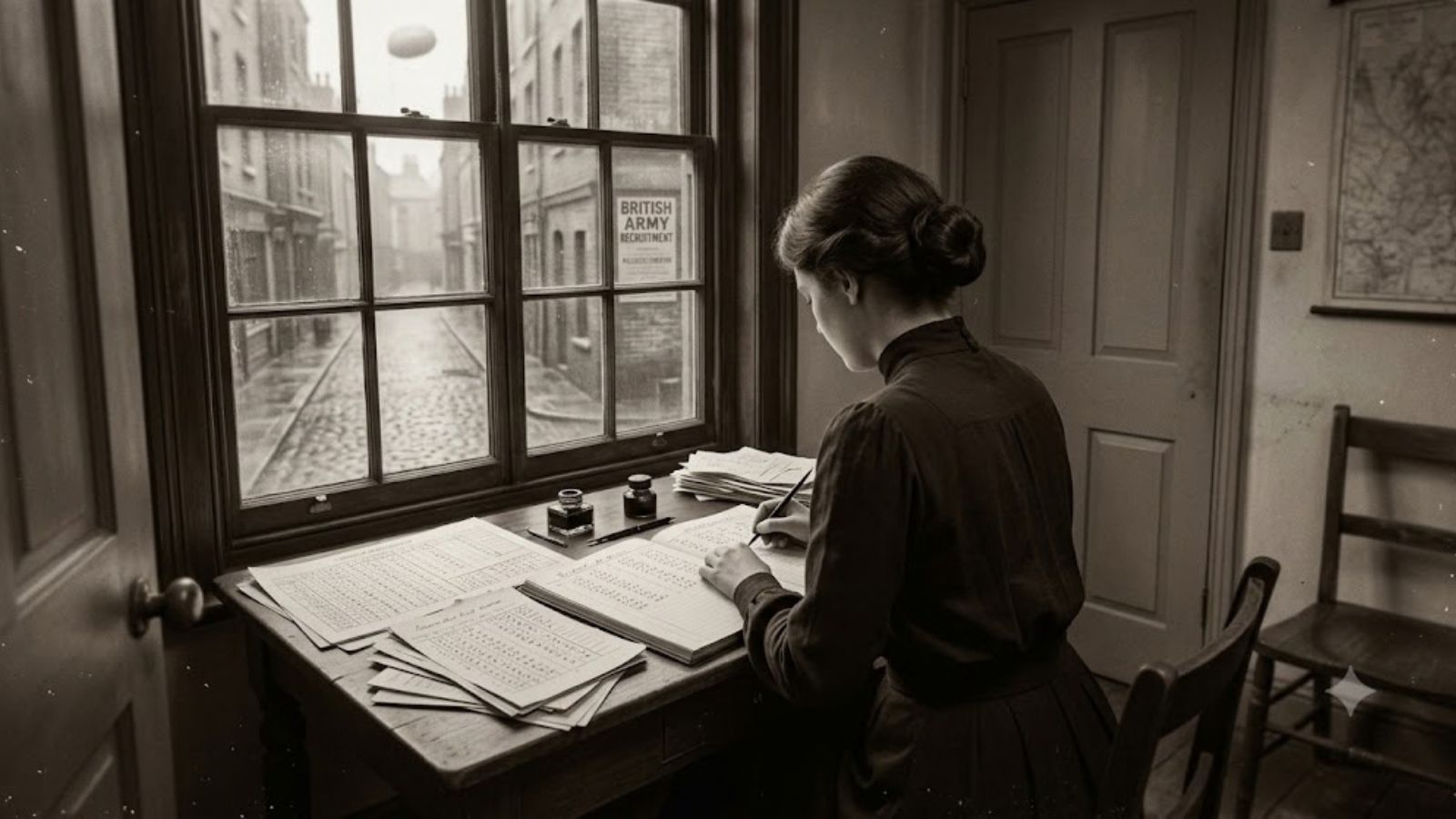
When we read about her work from an era of digital and technological advancement, we might not quite understand the depth of what Elizebeth Smith Friedman accomplished. At a time when there were no computers or sophisticated software, Friedman used her exceptional ability to identify patterns to decode thousands of messages, often working with little more than pencil and paper.
When Shakespeare became the turning point
Elizebeth Smith was born on August 26, 1892, in Huntington, Indiana, the youngest of nine surviving children. She studied English literature at Hillsdale College and had an interest in languages, including Latin, Greek and German.
In 1916, she joined Riverbank Laboratories in Illinois, under the supervision of businessman George Fabyan, who was trying to prove that Francis Bacon had secretly written Shakespeare's plays. Smith was assigned to investigate alleged hidden messages in Shakespeare's works. Her work, alongside William Friedman and others, ultimately found no evidence supporting the Baconian theory.
It was at Riverbank that she met William Friedman, a geneticist who was also working on the project. The two worked together on the Shakespearean cyphers and developed an interest in cryptology. They married in 1917.
During World War I, Elizebeth and William Friedman worked at Riverbank on secret communications, including messages from the US Navy. She also trained military personnel in cryptanalysis, helping to establish an early generation of American codebreakers.
After World War I, the Friedmans moved to Washington, DC, where they worked for the Army Signal Corps. Elizebeth was paid considerably less than her husband and left government service after about a year.
Curbing smuggling with codes
During Prohibition, the illegal trafficking of alcohol created a vast smuggling network. Criminal groups increasingly used coded radio messages to organise their operations.
Friedman was brought into the government's efforts to break these codes. She was initially employed by the Treasury Department and was later detailed to the Coast Guard. By 1931, she was placed in charge of the Coast Guard's first official cryptanalytic unit.
Working largely by hand, Friedman and her team solved more than 12,000 coded messages from rum-runners and smugglers over about three years. Her work contributed to 650 criminal prosecutions, and she personally testified as an expert witness in 33 cases.
She also helped decode 24 different coding systems used by smugglers. Her work provided evidence used in several major prosecutions, including cases involving organised bootlegging networks connected to Al Capone.
At a time when women were rarely seen in such technical and intelligence roles, Friedman was not only breaking codes but also training other analysts and building a team capable of tackling increasingly sophisticated systems.
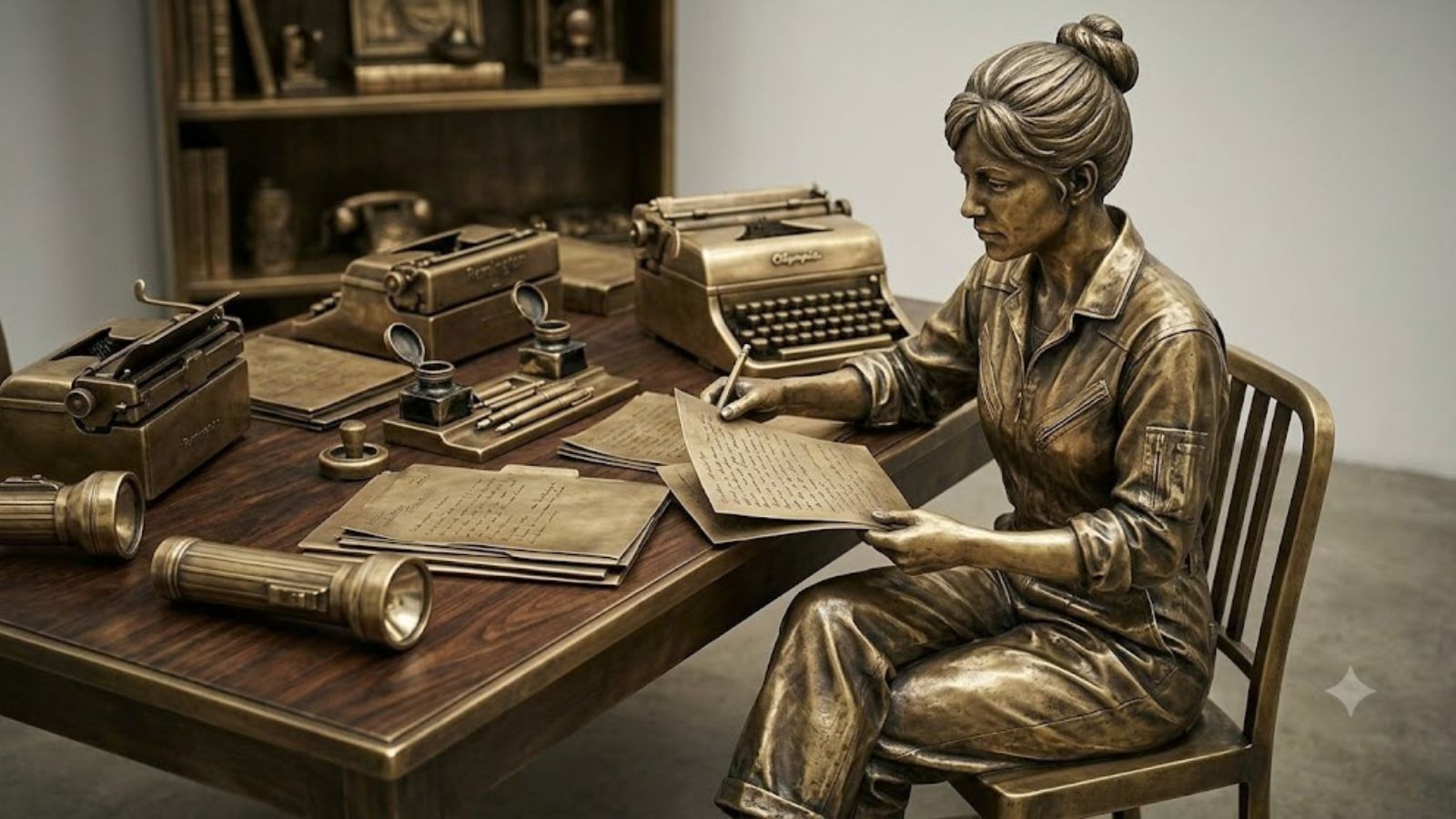
Codebreaker during World War II
Friedman's most significant work came during World War II. Her Coast Guard unit was transferred to the Navy, where she and her team worked primarily on German espionage communications originating from South America. The operation became known as the Bolivar effort.
The team intercepted communications from a Nazi spy network operating in South America. One of the key figures was Johannes Becker, known by the codename Sargo. His network transmitted information about Allied shipping, including the movements of vessels in the Atlantic.
In March 1942, Friedman decoded messages revealing that German U-boats were tracking the RMS Queen Mary, which was carrying more than 8,000 Allied servicemen. The intelligence helped the ship evade the U-boats.
During the war, Friedman's team decoded around 4,000 messages transmitted across 48 radio circuits and broke three different Enigma systems. Their work contributed to the disruption of the German espionage network in South America.
Friedman and other wartime codebreakers were required to maintain secrecy about their work. She later watched as the contributions of others, including the FBI and J. Edgar Hoover, received greater public recognition for successes to which her team had contributed.
After the war, Friedman's government cryptanalytic role came to an end. She later worked as a consultant to the International Monetary Fund, where she helped with communications security.
She and William Friedman also continued their work on Shakespearean cyphers. Their book, ‘The Shakespearean Ciphers Examined’, was published in 1957 and further challenged the theory that Francis Bacon had written Shakespeare's plays.
Elizebeth Smith Friedman died on October 31, 1980, in New Jersey, at the age of 88.
Much of her wartime work remained classified during her lifetime. Friedman was inducted into the National Security Agency's Cryptologic Hall of Honour in 1999, nearly two decades after her death. Records revealing aspects of her World War II work were declassified in 2008.
The woman who dedicated her life to deciphering the secret codes of others had to keep much of her own story secret. Her name may have remained in the shadows for decades, but her work helped shape the history of modern cryptology.
In an era of digital advancement, perhaps the least we can do is remember the names of the women who were decoding the world long before computers did it for us.