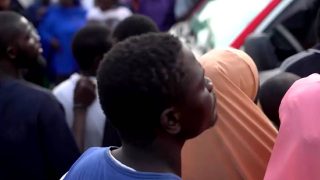


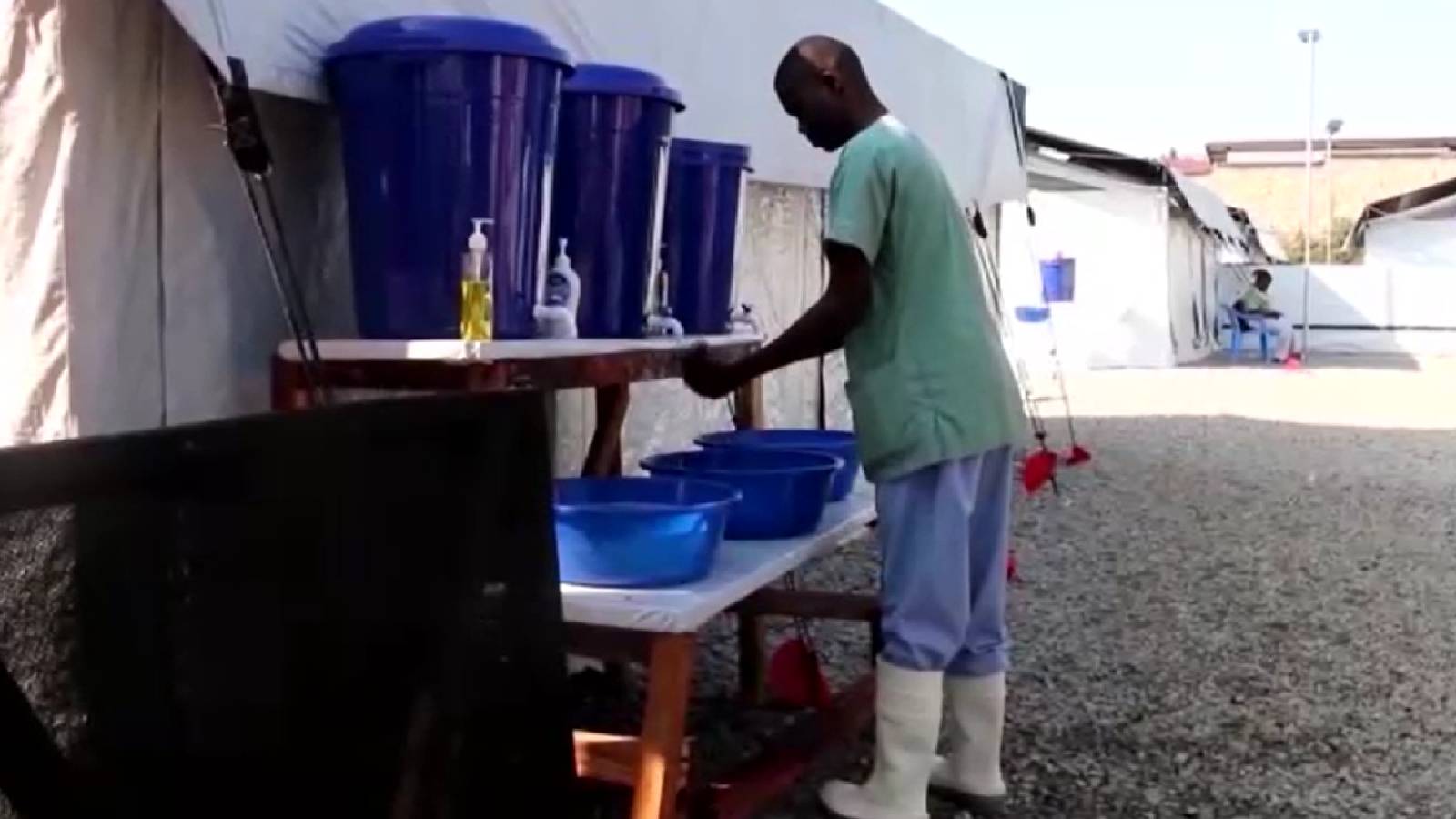


The number of confirmed Ebola cases in the Democratic Republic of the Congo (DRC) has risen to 8,665, including 4,178 deaths, local media reported on Wednesday, citing the latest data from the country's health authorities.'
The case fatality rate stands at 48.2%, while 2,259 patients have recovered and been discharged from hospital. Another 890 patients remain hospitalised or in isolation for treatment.
The DRC declared the outbreak on May 15. On August 12, World Health Organization Director-General Tedros Adhanom Ghebreyesus said the outbreak was already the second-largest Ebola outbreak on record.
Health workers and officials say the outbreak is creating new hotspots, particularly in areas with little support for patients, responders and authorities. More than 70% of new cases are still being reported outside known contacts, while at least 60% of deaths are occurring outside treatment centres, Africa CDC Director-General Dr Jean Kaseya told The Associated Press.
“There are so many other people who are becoming sick, who are not tested, treated, or listed,” Kaseya said on Tuesday.
Conflict-battered North Kivu province has emerged as the new epicentre, accounting for around 40% of all newly confirmed cases, up from 24% at the end of August.
The response on the ground has been difficult, said Stephanie Hoffmann, a project coordinator with Doctors Without Borders (MSF). “There is a lack of coordination and organization, but there's certainly a lack of actors present here,” Hoffmann told the AP.
The outbreak, caused by the Bundibugyo virus, has unfolded under challenging conditions marked by mass population movements, rebel violence, mistrust and poor welfare of frontline workers. The virus has no approved vaccine or treatment.
Congo has recorded more than 8,500 cases in the outbreak, according to government data, making it the fastest-growing Ebola outbreak on record and the country's deadliest.
The outbreak has also raised concerns beyond Congo. On Tuesday, Kenya reported its first Ebola case, involving a man who had arrived from Congo and later died while receiving treatment.
Contact tracing remains one of the biggest challenges, Kaseya said, with only 23% of expected contacts of Ebola patients traced so far. The disease is spreading in a region experiencing intense population movements linked to economic activity, conflict, displacement and mining, alongside deep mistrust of the government and misinformation about the virus.
Kaseya said the outbreak could not be ended without greater involvement from local communities.
“I'm unable to tell you when we can stop this outbreak unless we implement the village-centered approach,” he said, calling for the direct involvement of villages and local leaders in contact tracing, the burial of deceased patients, and case isolation.
(With agency inputs from Reuters and AP via PTI)