



Washington: The United States has temporarily eased sanctions on Russian-origin diesel, allowing transactions involving the fuel until April 7, 2027, as President Donald Trump seeks to ease rising fuel prices.
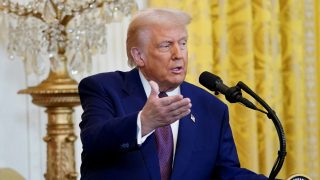
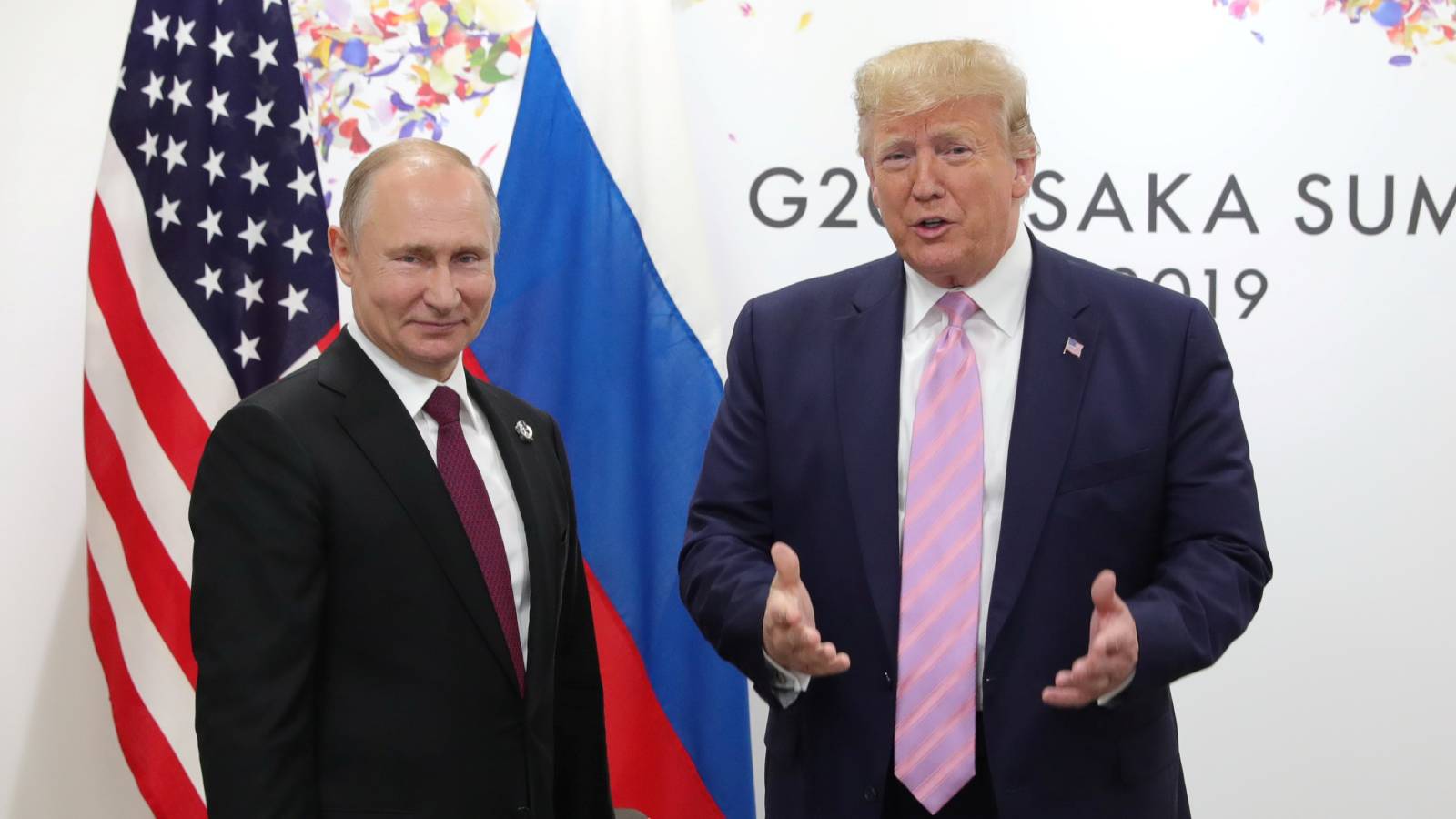
The US Treasury Department announced the move on Friday, October 9, following a telephone conversation between Trump and Russian President Vladimir Putin. Trump said the two leaders had agreed to increase Russian diesel supplies to the US and global markets.
The Treasury Department authorised transactions involving the sale, delivery, unloading and import of Russian-origin diesel, including shipments entering the US, through 12.01 am Eastern Daylight Time on April 7, 2027.
The authorisation applies to transactions that would otherwise be prohibited under US sanctions regulations. However, it does not permit debits to accounts held at US financial institutions by Russia’s central bank, National Wealth Fund or Ministry of Finance.
Russia to supply more than 300,000 tonnes of diesel
Trump said Russia would immediately supply more than 300,000 tonnes of diesel, followed by another 500,000 tonnes in November and 1 million tonnes shortly afterwards.
He added that Russia could supply a further 3 million tonnes, depending on the condition of its diesel refineries. The proposed deliveries are intended to increase supplies available to the US and international markets.
Why has the US eased sanctions?
Diesel prices have climbed amid disruptions to global energy supplies linked to the war involving Iran and Ukraine's attacks on Russian oil refineries. Russia has also restricted diesel exports amid pressure on its domestic fuel supplies.
The move comes weeks before the US midterm elections in November, with Trump facing pressure to bring down fuel costs. However, analysts have questioned whether additional Russian supplies would significantly reduce prices, as the shipments could redirect fuel from other buyers rather than substantially increase total global availability.
The easing marks a shift in Washington’s approach to Russian energy exports, which have faced restrictions following Moscow’s invasion of Ukraine in 2022.
(with inputs from Reuters, AP)